Glacier Treks And Adventure
Glacier Treks
& Adventure™

Loading Navigation items...

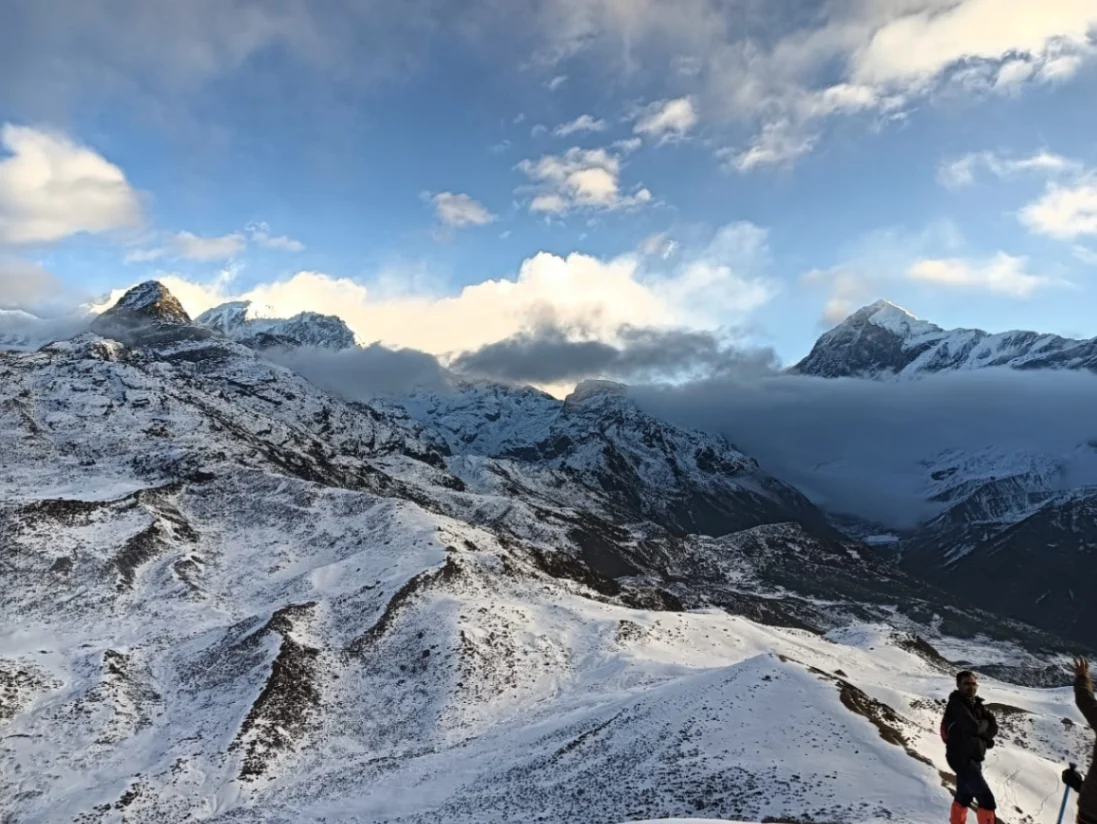
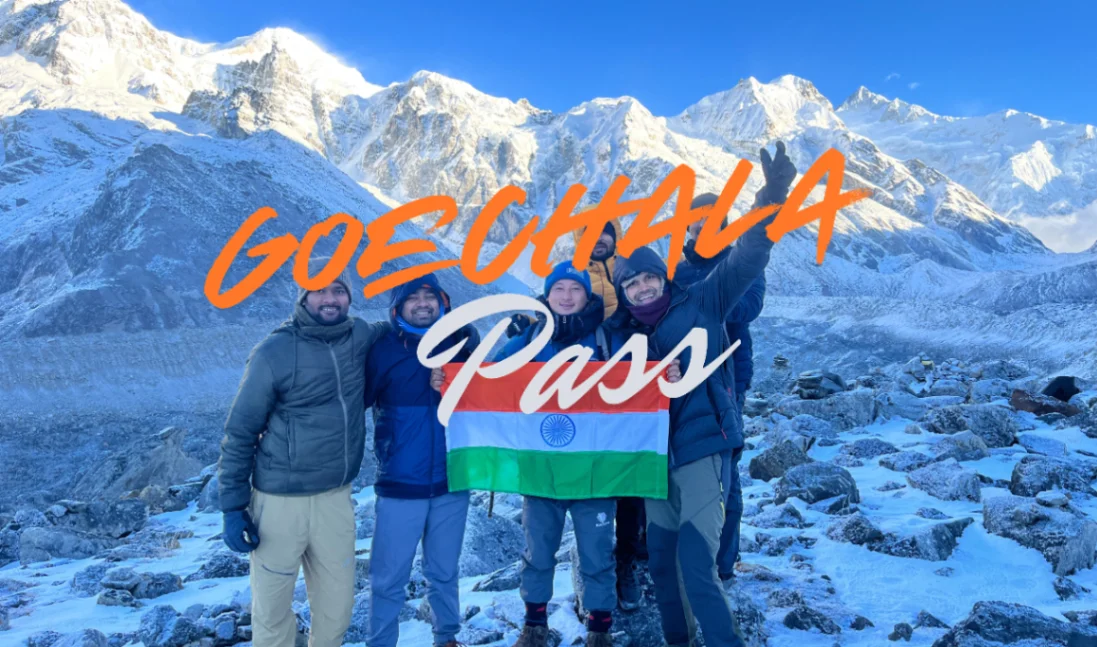
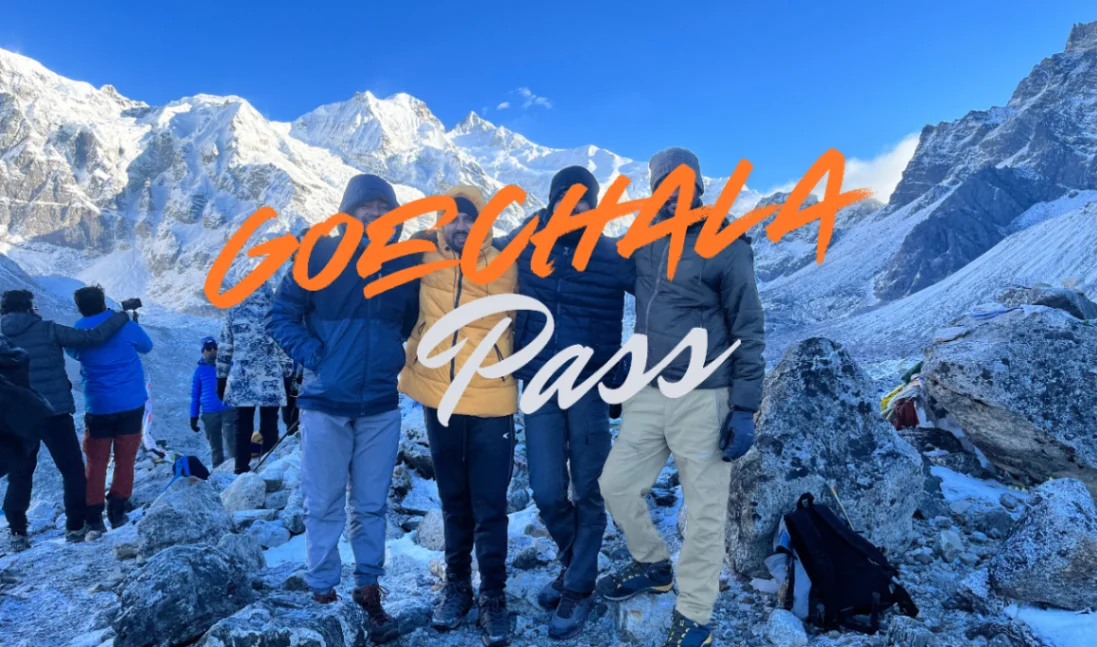
  • Goechala pass with full snow during march

Goechala Trek

10days trip

Details :

  • Region : Sikkim
  • Best Time : March to May & September to December
  • Trek Duration : 9 Night 10 Days Bagdogra airport to Bagdogra airport
  • Highest Altitude : Goechala trek 4600 meters (15,100 feet Approx) trekking end point
  • Suitable For : Physically fit trekkers, preferably with prior experience above 3,000 metres
  • Trek Distance : 79-80 Km Approximately; (depending on campsite selection and route measurement method).
  • Price For Indian : ₹24000
  • Price For Foreigners : $400
  • Trek Fees Yuksom to Yuksom ( Group Size 12 Pax Standard )
Loading...

Loading...

Additional :

  • Bag Offloading Charge for 8 days
    ₹4000
  • Single Tent Occupancy
    ₹4000
  • Transportation One way charge Rs. 8000 sharing on group
    ₹8000
Total:₹24000
Loading...

Loading Overview...

Trip Itinerary :

Loading...

Loading Trip Itinerary...

Goechala Trek Highlights

What Makes the Goechala Trek Special

  • Sunrise at Goechala Viewpoint 1: The walk from Lamuney starts well before sunrise. If the weather is clear, you can watch the morning sunlight reach the Kanchenjunga massif from the viewpoint.
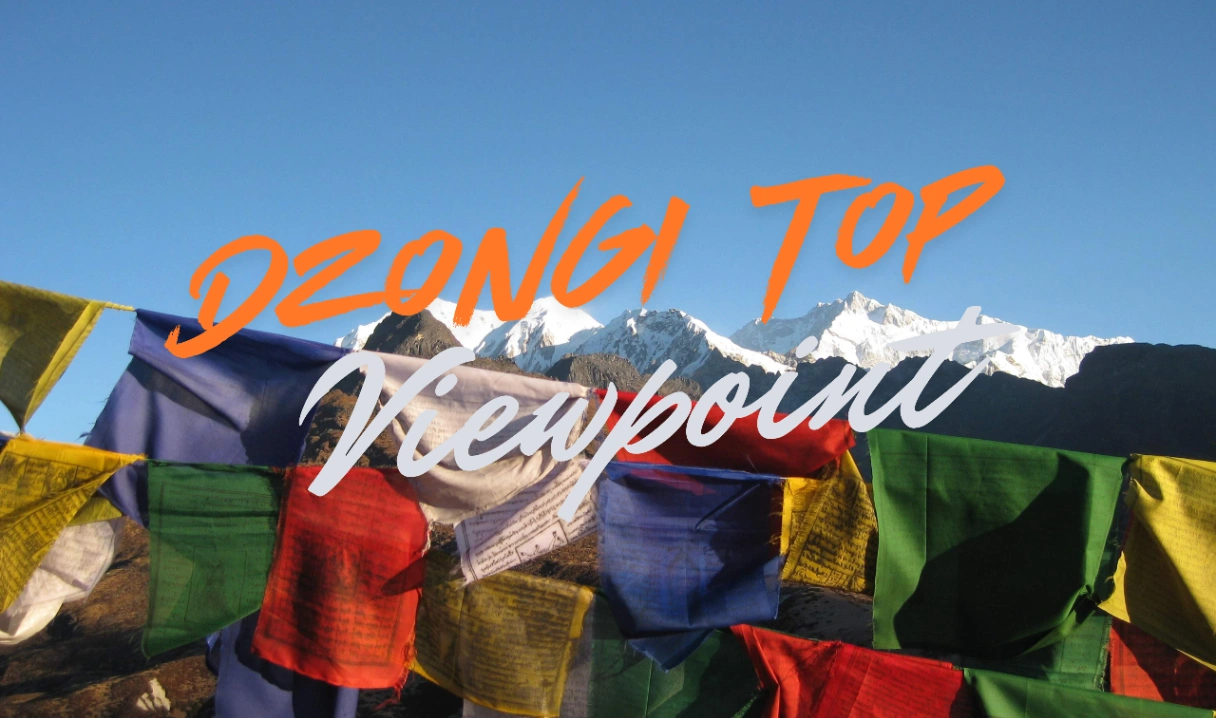
  • Dzongri Top: A short climb from Dzongri campsite takes you to Dzongri Top. The viewpoint offers a wide view of Kanchenjunga, Mount Pandim, Kabru and the surrounding peaks.
  • Samiti Lake: The trail to Goechala Viewpoint 1 passes by Samiti Lake, a high-altitude lake set among rocky slopes. You will reach it during the early-morning walk from Lamuney.
  • Rhododendron forests: The section between Tshoka and Phedang passes through rhododendron forest. During spring, the trees flower along parts of the trail. The timing and amount of flowering vary from year to year.
  • High-altitude camping at Lamuney: Lamuney is one of the highest campsites on the route, at approximately 4,150 metres. You will sleep in a tent here, as there are no hotels or guesthouses at the campsite. Nights are particularly cold, so bring a suitable sleeping bag, thermal clothing, gloves and warm socks.


Where Does the Goechala Trek Really End?

Understanding the Difference Between Goechala Viewpoint 1 and Goecha La Pass

The standard Goechala Trek takes you to Goechala Viewpoint 1, not all the way to the actual Goecha La Pass. Although these names are sometimes confused, they refer to two different locations.


At approximately 4,600 metres, Viewpoint 1 is the usual endpoint of commercial Goechala trekking itineraries. The walk from Lamuney starts before sunrise, and on a clear morning, you get a view of the Kanchenjunga massif as the first sunlight reaches the surrounding peaks.


The actual Goecha La Pass lies farther along the route. Whether trekkers can continue beyond Viewpoint 1 depends on the permissions and access restrictions in force at the time.


Our Goechala Trek itinerary ends at Viewpoint 1. We follow the route authorised by the relevant authorities, and our trekking guides ensure that the group respects the access rules in place.


Goechala Trek Difficulty

Anyone planning the Goechala Trek should know that the first few days are not an indication of what lies ahead. The walk from Yuksom is mostly through forest, but the climb changes after Tshoka. The stretch towards Dzongri takes time, and by the time you reach Lamuney, you are sleeping at around 4,150 metres. Nights are cold at these camps, and the early starts can be hard on the body.


Is the Goechala Trek Suitable for Beginners?

We often get asked whether someone can do Goechala without previous Himalayan trekking experience. It is possible, but I would advise against arriving without any preparation. Try a few long walks before the trip, preferably on hilly ground. You should be comfortable walking for several hours and getting up to do it again the following morning. A shorter trek beforehand is a good way to find out how you manage.


Which Parts of the Goechala Trek Are the Most Difficult?

 The climb from Tshoka to Dzongri via Phedang is a long uphill stretch. Stone steps and uneven ground make parts of the walk tiring, particularly when you are carrying your daypack.


For many trekkers, the viewpoint day is the real test. You leave Lamuney while it is still dark, walk past Samiti Lake and continue towards Goechala Viewpoint 1. The cold is noticeable before sunrise, and there is still a long return walk after reaching the viewpoint.


The descent back towards Tshoka and Yuksom is easy to underestimate. Your legs have already done several days of walking, and the downhill sections can be hard on your knees.


How to Prepare for the Goechala Trek

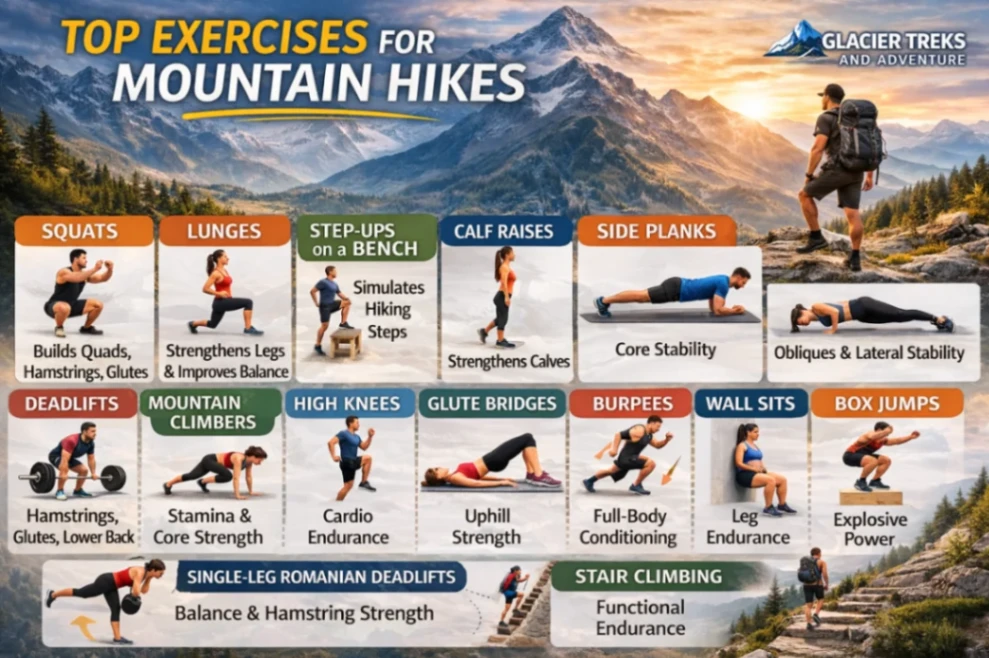
 In the weeks before departure, make time for regular walks. Use stairs, find uphill routes and gradually increase the distance. Cycling and simple leg exercises are useful too. Try walking on two consecutive days rather than doing all your exercise in one session.


Good fitness does not prevent altitude sickness. Follow the acclimatisation plan and tell your guide immediately if you develop a headache, nausea or dizziness.


Fitness Chart


excercise

Goechala Trek Map Overview

Glacier Treks and Adventure


The Goechala Trek starts at Yuksom in West Sikkim and follows a mountain trail through the Prek Chu valley before climbing towards the higher camps.


The main route follows this sequence:

Yuksom → Sachen → Bakhim → Tshoka → Phedang → Dzongri → Kokchurung → Thansing → Lamuney → Samiti Lake → Goechala Viewpoint 1.


After reaching Viewpoint 1, trekkers return towards the lower camps and eventually Yuksom using the authorised return route.


Important Campsites and Trail Stops

Location

Approximate elevation

Yuksom

1,780 m

Sachen

2,200–2,300 m

Tshoka

2,950–3,000 m

Phedang

3,650–3,700 m

Dzongri

3,950–4,020 m

Kokchurung

3,700 m

Thansing

3,800–3,950 m

Lamuney

4,150 m

Samiti Lake

4,250–4,300 m

Viewpoint 1

Approximately 4,600 m

Elevations are approximate and can vary between maps and campsite references. Use the accompanying route map for geographical orientation, not as a substitute for a guide or official trail instructions.

Landscape and Wildlife

The walk from Yuksom starts under thick forest, with streams, wooden bridges and bamboo along the trail. Around Tshoka and Phedang, rhododendron trees add colour to the route, especially in spring. Beyond Dzongri, the forest opens up, and the trail crosses grassy slopes and rocky ground. From Thansing and Lamuney, you get wider views of Mount Pandim and the surrounding snow-covered peaks.


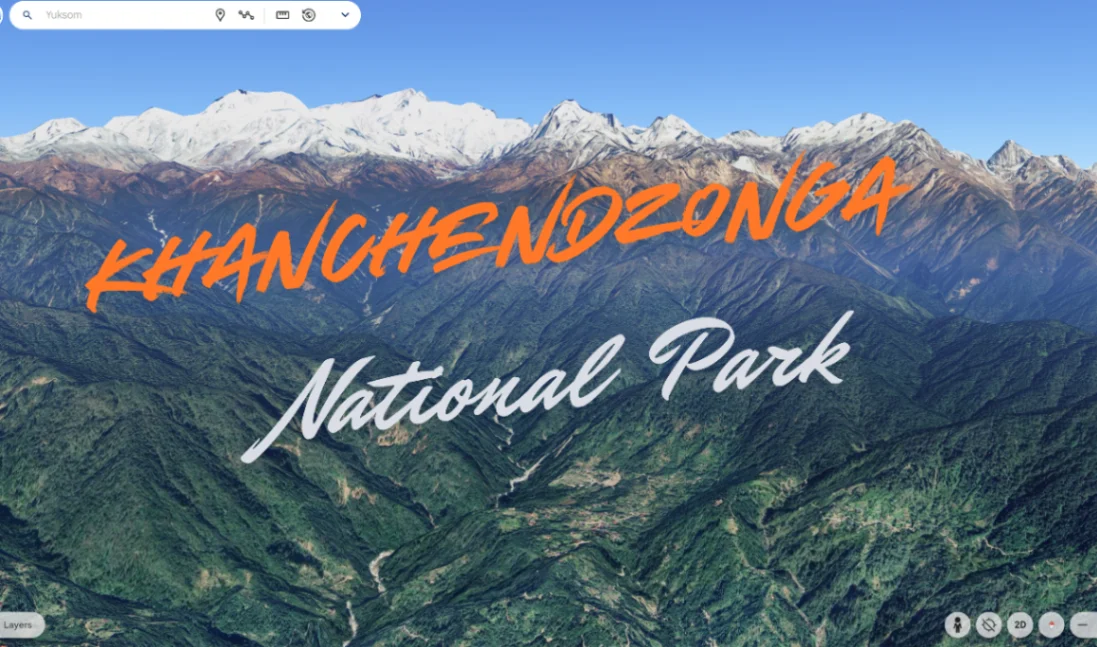
Khangchendzonga National Park is home to red pandas, Himalayan monals and blood pheasants. They can be hard to spot, so stay alert to your surroundings. Never approach, feed or disturb wild animals.

Best Time to Visit Goechala Trek: Weather and Temperature

Best Time to Visit Goechala Trek: Weather and Temperature

 Most trekkers choose spring or autumn for Goechala. Conditions still depend on snowfall, rain and local trail access, so check with your trekking operator before confirming dates.


Spring: March to May

 Rhododendrons flower around Tshoka and Phedang, making April and May attractive months. Snow may remain on higher sections, especially in March, and can affect walking conditions.


Autumn: September to November

 The monsoon usually gives way to clearer skies, often bringing good views of the Kanchenjunga range. October is popular for photography and sunrise views. By November, higher camps are noticeably colder.


Monsoon: June to August

 Rain can turn forest paths muddy and slippery. Cloud, poor visibility, landslides and road delays may also disrupt the journey. This is generally not a suitable time for Goechala.


Winter: December to February

 Heavy snowfall and very low temperatures can make the upper trail difficult or inaccessible. Check current access and local permissions before considering a winter departure.


Temperature During the Trek

Yuksom is milder than the higher camps. Nights at Dzongri, Thansing and Lamuney can be bitterly cold, especially before sunrise. Pack warm layers, gloves, a suitable sleeping bag and rain protection. Conditions change, so treat temperature averages as a guide rather than a forecast.


Goechala Trek Package and Cost Details:

Goechala Trek Package and Cost Details

Glacier Treks & Adventure arranges Goechala treks for Indian and international visitors. You can join a scheduled group departure or ask us to organise a private trek. The prices below are per person.


Goechala Trek Package Price

Package

Price per person

Indian trekkers

₹24,000

International trekkers

US$400

Start and finish: Yuksom in 8 Days

Duration: 9 nights / 10 days Bagdogra to Bagdogra or NJP to NJP


The price is for a Yuksom-to-Yuksom trek. Transfers from Bagdogra or NJP are separate unless included in your written quotation.


What Is Included?

The confirmed package may include:

  • A local trekking guide and support staff.
  • Tents and campsite arrangements.
  • Guesthouse or homestay accommodation in Yuksom, as agreed.
  • Meals during the trek.
  • Cooking and campsite support.
  • Assistance with required trekking permits.
  • Basic first-aid support.

Please check your itinerary for the exact accommodation and meal arrangements.


What Is Not Included?

Unless agreed in writing, you will need to pay separately for:

  • Flights, train tickets and transfers to and from Yuksom.
  • Personal clothing, boots and trekking equipment.
  • Snacks, drinks and personal expenses.
  • Travel insurance and emergency evacuation.
  • Tips for trekking staff.
  • Extra accommodation or transport caused by delays.
  • Optional porter service for personal bags and single-tent occupancy.


Private and Group Treks

Group departures run on selected dates and follow a set itinerary. With a private trek, your group has more flexibility over dates and arrangements. Both options depend on availability, permits and local conditions.


Before booking, ask us to confirm what is covered, including transport, accommodation, meals, permits and any additional charges.


How to Reach Goechala Trek?

The trailhead for the Goechala Trek is accessible by road, rail, and air. The trick is to plan as far ahead as possible so you can start the trek with minimal trouble and avoid delays due to weather or road conditions on the way to the camping area.


  • By Air: Bagdogra Airport (West Bengal) is the closest airport. Airports are closely linked to major cities in India, such as Delhi, Kolkata, and Mumbai. Upon arrival, tourists can take a taxi or be transferred by the organizer to Yuksom, the starting point of the trek. The road trip offers picturesque views of the Himalayan foothills, though monsoon rains or landslides may at times cause delays.


  • By Train: The nearest railway station is New Jalpaiguri (NJP), a major station connecting Sikkim to most other Indian metro stations. Through NJP, pre-reserved taxis or shared cabs directly transport you to Yuksom. It is also recommended that travelers confirm vehicle availability in advance, especially during the peak trekking season.


  • Road Transport: The trek starts at Yuksom. Tourists can take taxis, shared cabs, or group vehicles to reach the Goechala trek starting point or Yuksom. The road is picturesque; it goes through forests, rivers, and small towns. Most roads are generally in good condition, although rain or landslides during the monsoon may make some of them difficult to use.


Travel Tips:

  • Early departure from Bagdogra or NJP to account for journey time and acclimatization.
  • Bring enough local cash, permits, and ID evidence to checkpoints.
  • Make taxi/transfer reservations early to prevent the inconvenience of late booking.

Accommodation and toilets

Accommodation and Toilets During the Goechala Trek

You will spend some nights in Yuksom and the rest at campsites along the Goechala trekking route. The arrangements are simple, especially after leaving the village, so it is best to be prepared for basic facilities during the trek.


Accommodation During the Goechala Trek

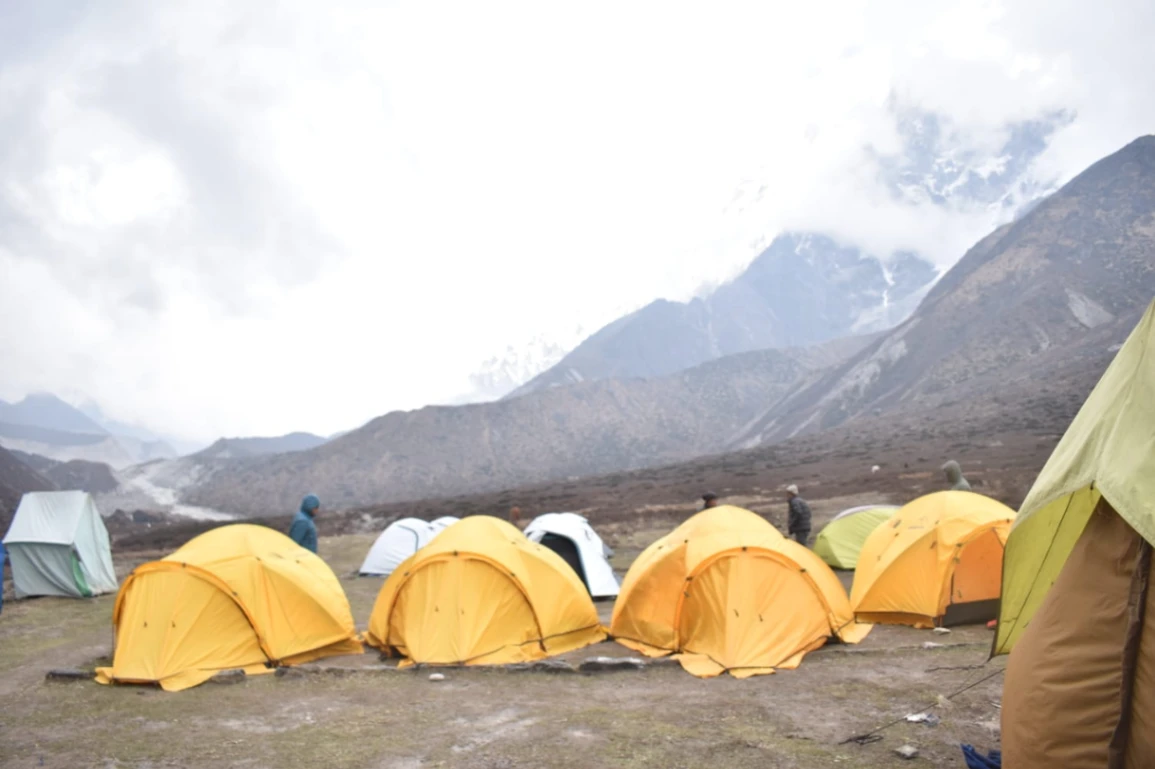
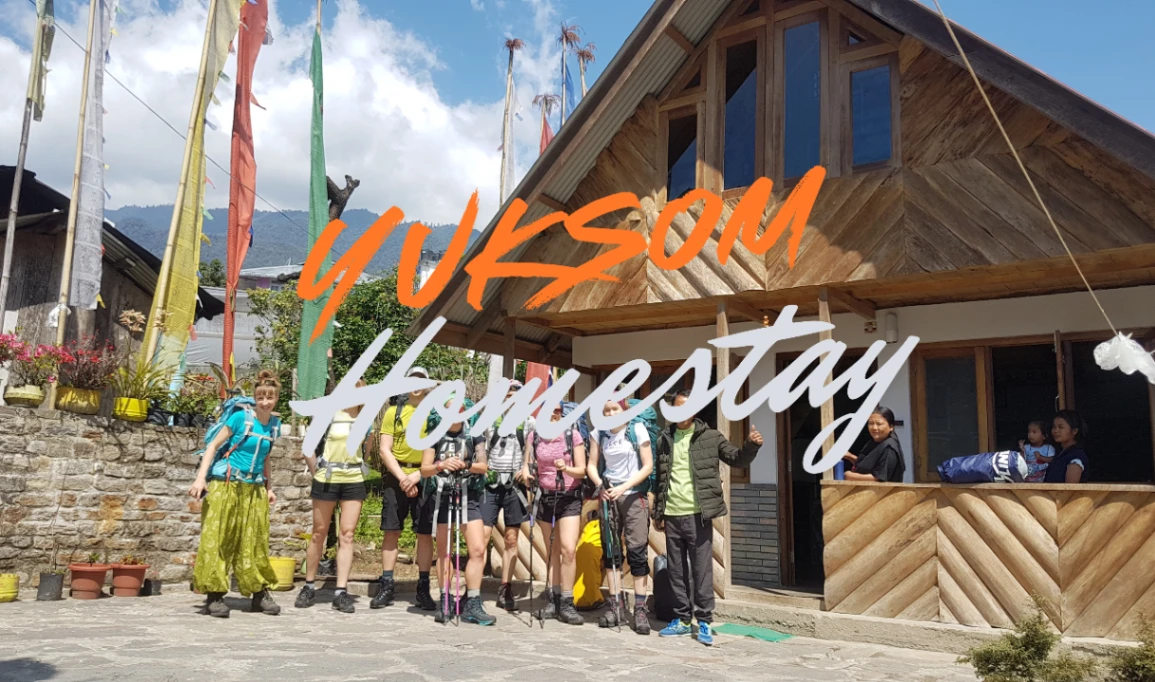
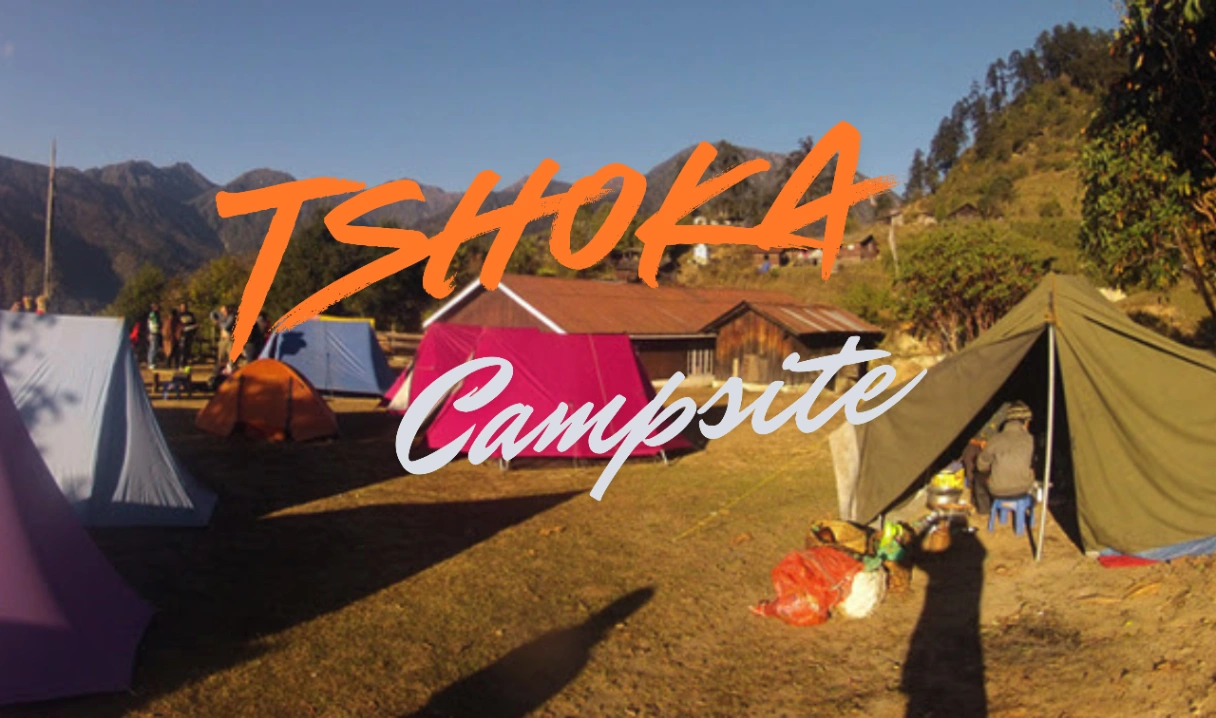
In Yuksom, accommodation is generally arranged in a local guesthouse or homestay, depending on your package. Once you start walking, you will stay in camping tents at designated stops along the route, including places such as Tshoka and Dzongri.


Most tent arrangements are on a twin-sharing basis. Sleeping bags and camping equipment are provided according to the package inclusions. Nights at higher camps can be much colder than you might expect, even after a sunny day of walking. Keep your warm clothes and other essentials handy rather than packing them deep inside your backpack.


Toilet Facilities on the Goechala Trek

Toilet facilities are basic at the mountain campsites. You will not find hotel-style bathrooms or running water at every stop. Temporary toilet arrangements may be available, depending on the campsite and the facilities set up there.


Bring your own toilet paper, hand sanitiser and personal toiletries. Your guide will let you know what facilities are available at each camp and where to use them. Please do not leave tissue paper, plastic or other waste along the trail. Keep the campsite clean for the trekkers who come after you.


Meals and Drinking Water During Goechala Trek

Meals and Drinking Water During the Goechala Trek


You will have your meals at the campsites during the Goechala Trek. Our cook prepares food for the group, with rice, dal, vegetables and chapati making up much of the menu. Noodles, pasta and soup are also served from time to time. The choice is not very wide, particularly at higher camps, but you will have regular meals during the trek.


Breakfast is served before you leave camp. Lunch is a little different each day. Sometimes the cook prepares it at a resting point, while on longer walking days, the team packs food for you to carry. Dinner is served after you return to camp. If the group reaches later than expected, the evening meal may be delayed too.


Bring a reusable bottle for drinking water. You can refill it at the camps when treated water is available. Ask your guide or cook about the arrangements at each stop. Do not drink straight from streams along the trail. Even clear-looking water can contain harmful microorganisms and needs to be boiled or properly purified first.


If you have a food allergy or follow a particular diet, tell us before booking. We can discuss the available arrangements with you. Special meals may be harder to organise at higher camps because supplies have to be carried up from lower areas.

Packing List

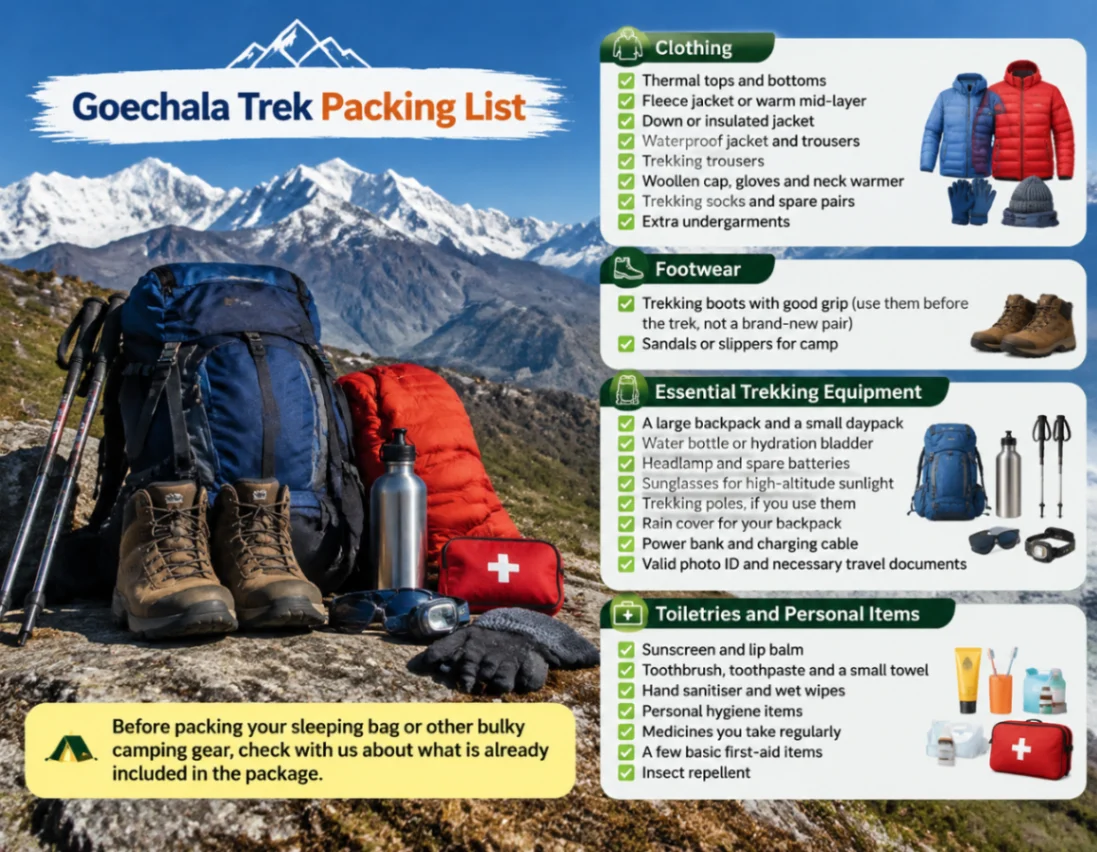
Goechala Trek Packing List

Before leaving for Goechala, go through your backpack and make sure you have the things you will need on the trail and at camp. Warm clothing is particularly important because evenings and nights can be very cold at higher camps. You will also need comfortable boots, as much of the journey is spent walking over uneven mountain paths.


Packing List


Clothing

  • Thermal tops and bottoms.
  • Fleece jacket or warm mid-layer.
  • Down or insulated jacket.
  • Waterproof jacket and trousers.
  • Trekking trousers.
  • Woollen cap, gloves and neck warmer.
  • Trekking socks and spare pairs.
  • Extra undergarments.


Footwear

  • Trekking boots that fit properly and have a good grip. Don't bring a brand-new pair straight out of the box; wear them a few times before the trip.
  • A pair of slippers or sandals to use after reaching camp.


Essential Trekking Equipment

  • A large backpack for your main luggage and a small daypack for the things you want to keep close while walking.
  • Water bottle or hydration bladder.
  • Headlamp and spare batteries.
  • Sunglasses for the strong sunlight at higher altitudes.
  • Trekking poles, if you use them.
  • Rain cover for your backpack.
  • Power bank and charging cable.
  • Valid photo ID and necessary travel documents.


Toiletries and Personal Items

  • Sunscreen and lip balm.
  • Toothbrush, toothpaste and a small towel.
  • Hand sanitiser and wet wipes.
  • Personal hygiene items.
  • Medicines you take regularly.
  • A few basic first-aid items.
  • Insect repellent.


Before packing your sleeping bag or other bulky camping gear, check with us about what is already included in the package. There is no need to carry extra equipment if the trekking team is providing it.

Safety, Acclimatization & Medical Tips

Safety, Acclimatisation & Medical Tips

Goechala is a demanding trek, particularly as you approach the higher camps and Viewpoint 1, at around 4,600 metres. The altitude can affect anyone, even those who exercise regularly. Take your time and don't ignore signs that your body is struggling.


Acclimatisation

Some trekkers develop a headache, feel nauseous or lose their appetite as they gain height. Tell your guide if this happens. Don't continue climbing while you have symptoms. If you feel worse, you need to descend and get medical attention.


Physical Preparation

Get into a regular walking routine before the trip. Walking uphill, climbing stairs and exercising your legs will help you handle the longer days on the trail. Try a few walks with your backpack as well.


Medical Preparation

If you have a health condition or take regular medication, speak to your doctor before joining the trek. Ask about altitude-related medication rather than deciding to take it yourself. Avoid alcohol during the trek.


Trail Safety

Use trekking boots that you have already worn and are comfortable in. Take care on wet rocks, muddy ground and steep downhill sections. Listen to your guide, especially around river crossings.


Emergency Arrangements

Confusion, difficulty walking straight, breathlessness while resting or a worsening cough at altitude need urgent medical attention. Inform your guide immediately. Stop ascending and arrange an immediate descent. Before travelling, check that your insurance covers high-altitude trekking and emergency evacuation.


Documents for Permit.

Documents Required for the Goechala Trek

The Goechala Trek passes through Khangchendzonga National Park, a protected area of Sikkim. Trekkers are required to carry proper identification, and the relevant trekking and protected-area permits must be obtained before entering the route.


Documents Required for Indian Trekkers

Indian trekkers should carry:

A valid Indian passport, voter ID, driving licence, or other Central or State Government-issued ID accepted as proof of nationality

Birth certificate for minors, where applicable

Two recent passport-size photographs


Under the current guidelines of the Government of Sikkim, Aadhaar is not accepted as proof of nationality for permit processing.


Documents Required for Foreign Trekkers

Foreign nationals should carry:

Valid passport

Valid Indian visa

Valid Sikkim entry permit (RAP/ILP, as applicable)

Two recent passport-size photographs

Copies of the required passport, visa and other travel documents


Foreign nationals trekking in protected areas such as the Goechala–Khangchendzonga National Park region also require a Protected Area Permit (PAP). Protected-area trekking programmes for foreign nationals must be arranged through a government-registered travel agency or tour operator in accordance with current Sikkim Government regulations.


Trekking and Protected-Area Permits

The Goechala route passes through the protected Khangchendzonga National Park area. The applicable trekking, national park and protected-area permits are obtained according to the current rules and regulations of the Tourism & Civil Aviation Department and other relevant authorities.


Trekkers applying for permits for trekking in protected areas are also required to provide a valid physical fitness certificate from a competent Central or State Government medical officer.


When permit arrangements are included in your Goechala Trek package, our team will assist with the required documentation and permit processing. Trekkers must provide the requested document copies and passport-size photographs before the trek and carry their original identification documents during the journey.


Permit requirements, issuing procedures and access regulations may change from time to time. Trekkers should therefore confirm the latest requirements with the trekking operator before travelling to Yuksom and follow the route and conditions stated in their permits.

Responsible & Sustainable Goechala Trekking

The Himalayas are precariously fragile. We are guests of Kanchenjunga/Khangchendzonga National Park, and our responsibility is to leave it as clean as possible. We not only say "eco-friendly trekking in Sikkim"! It's not a slogan for us; it's what we do.


Leave No Trace Policy:

We practice the LEAVE NO TRACE ideas. So we bring up whatever we take up the mountain; we bring it back down. That includes all food packaging, empty tins, and anything else that's rubbish. We request that those who trek carry a light rubbish bag in their daypack and pick up their own rubbish.


Respect Local Culture:

The Goechala area is sacred. Never touch religious monuments, prayer flags, or mani stones. Dress appropriately while walking through villages. Please seek permission before taking photographs of local people.


Water Conservation:

At high elevations, water is in short supply. Avoid washing with soap or shampoo in streams. We also wash dishes with biodegradable soap. Although plastic mineral water bottles are a major source of pollution in the Himalayas, we encourage trekkers to bring their own water bottles rather than purchase plastic ones.


Wildlife Protection:

You're in the home of snow leopards, red pandas, and blue sheep. Be quiet so as not to scare the animals. Never feed the animals. With sustainable tourism in Sikkim, we keep the Goechala trek untouched!

Why is it best to book a Goechala trek with a local trek operator?

Goechala is not merely a mountain trail; it is a trail that is linked with the local people and forest laws and Sikkim's permit system, so working with a local operator will ensure smoother logistics, more profound understanding of the weather conditions, and stronger ground support.

Local Advantages:

Advantage

Benefit

Based near Yuksom

Faster ground coordination

Local guides

Better route understanding

Permit experience

Hassle-free documentation

local staff

Supports mountain communities

Regional knowledge

Better decision-making in changing conditions

Book Your Goechala Trek with Trek in Sikkim

Glacier treks and adventure trekking in Sikkim.

Are you prepared to be in the shadow of Kanchenjunga/Khangchendzonga? The Goechala trek is transformational, both for the body and soul. Booking a trek in Sikkim means not only that you book your trek directly as a partner of ours, but also that we want to ensure you have the most enjoyable and safe trek while enjoying an authentic touch of the Himalayas.


Company base

Yuksom Bazar West Sikkim.

Location: Glacier Treks And Adventure

Visit our Site: trekinsikkim

WhatsApp number: +91-7407248200

Call to Expert: Kiran Gurung - 7407248200


Loading...

Loading Trip Itinerary...

Frequently Asked Question :

Loading...

Loading Trip Itinerary...

Loading...

Loading...