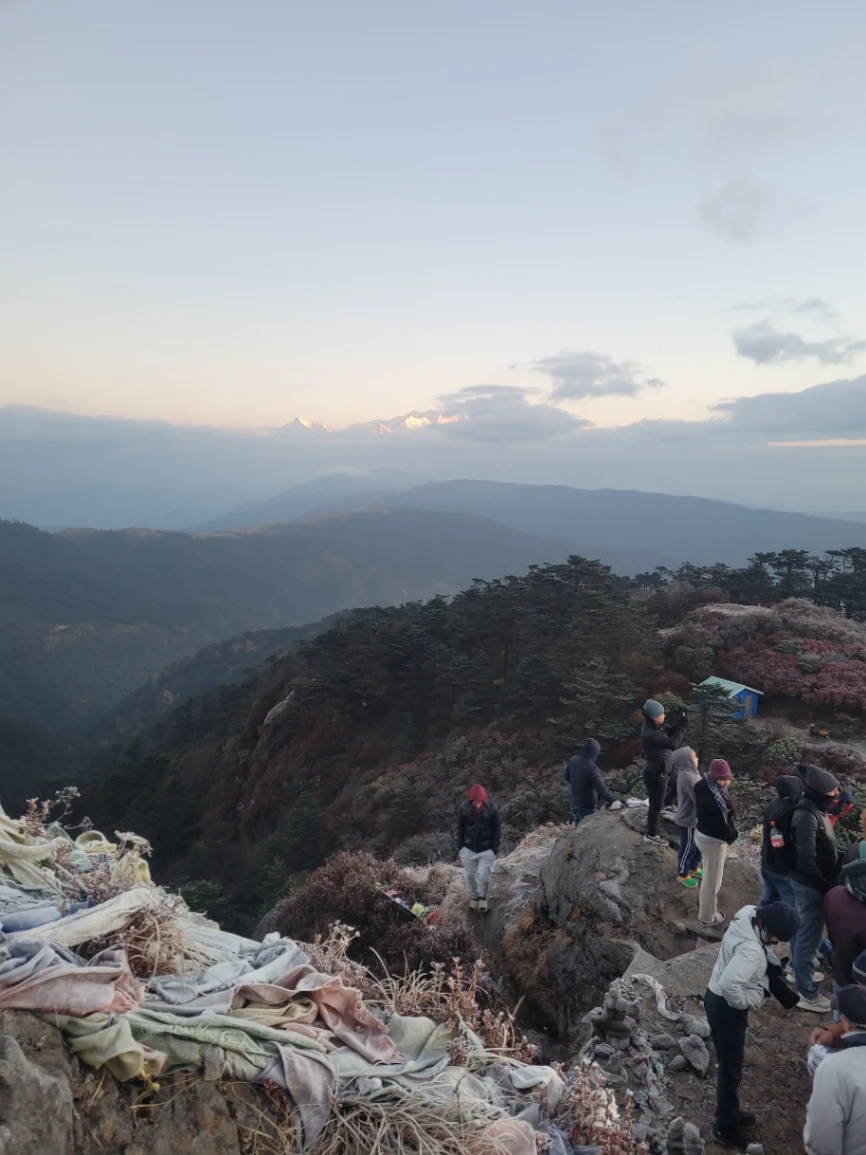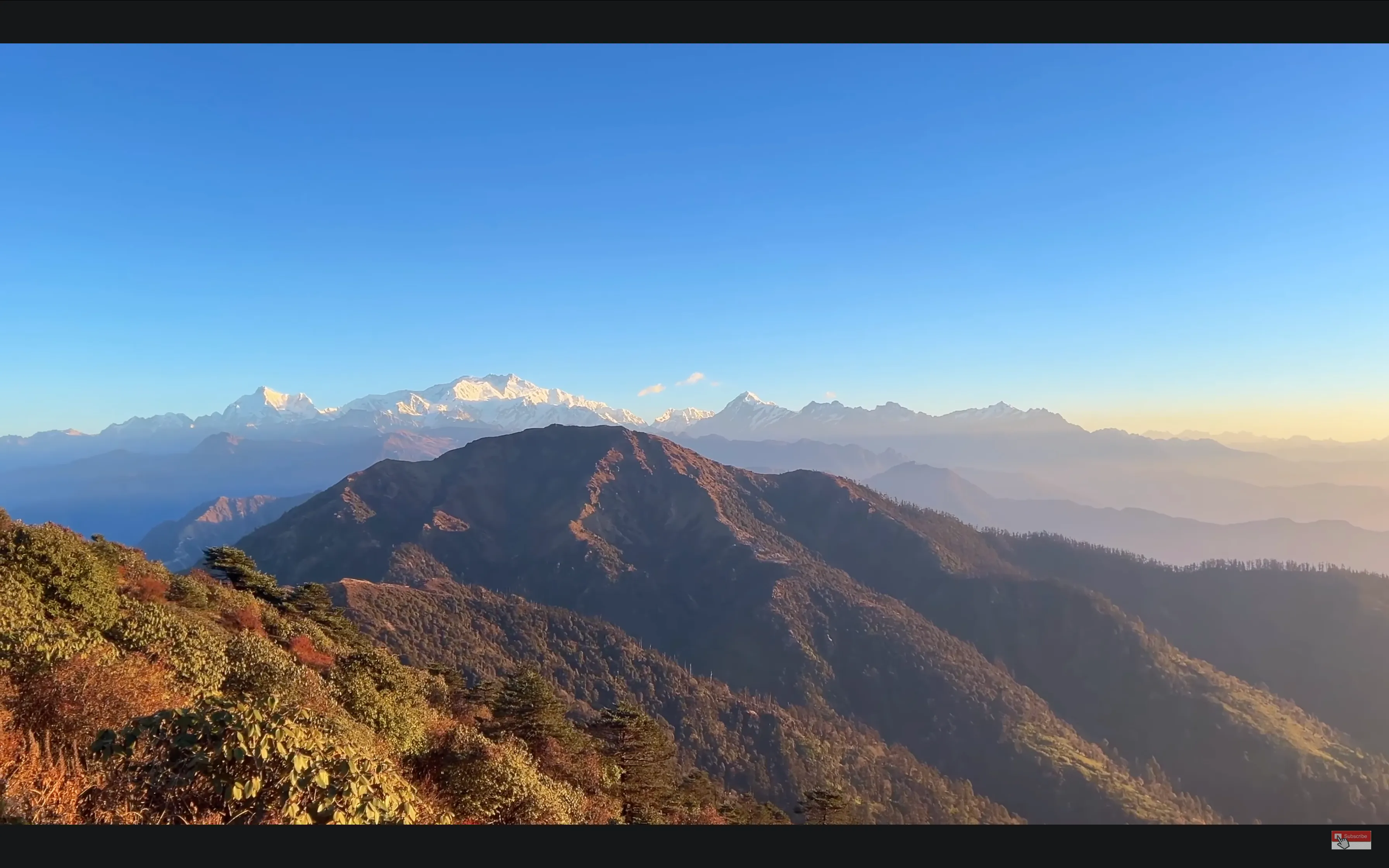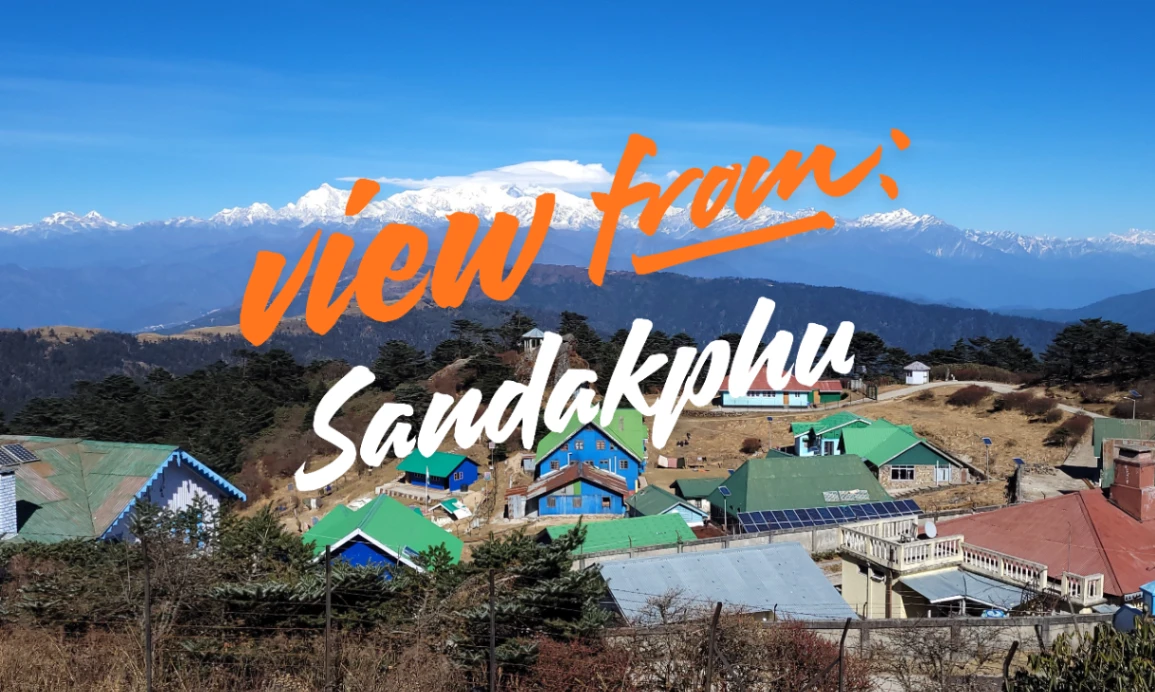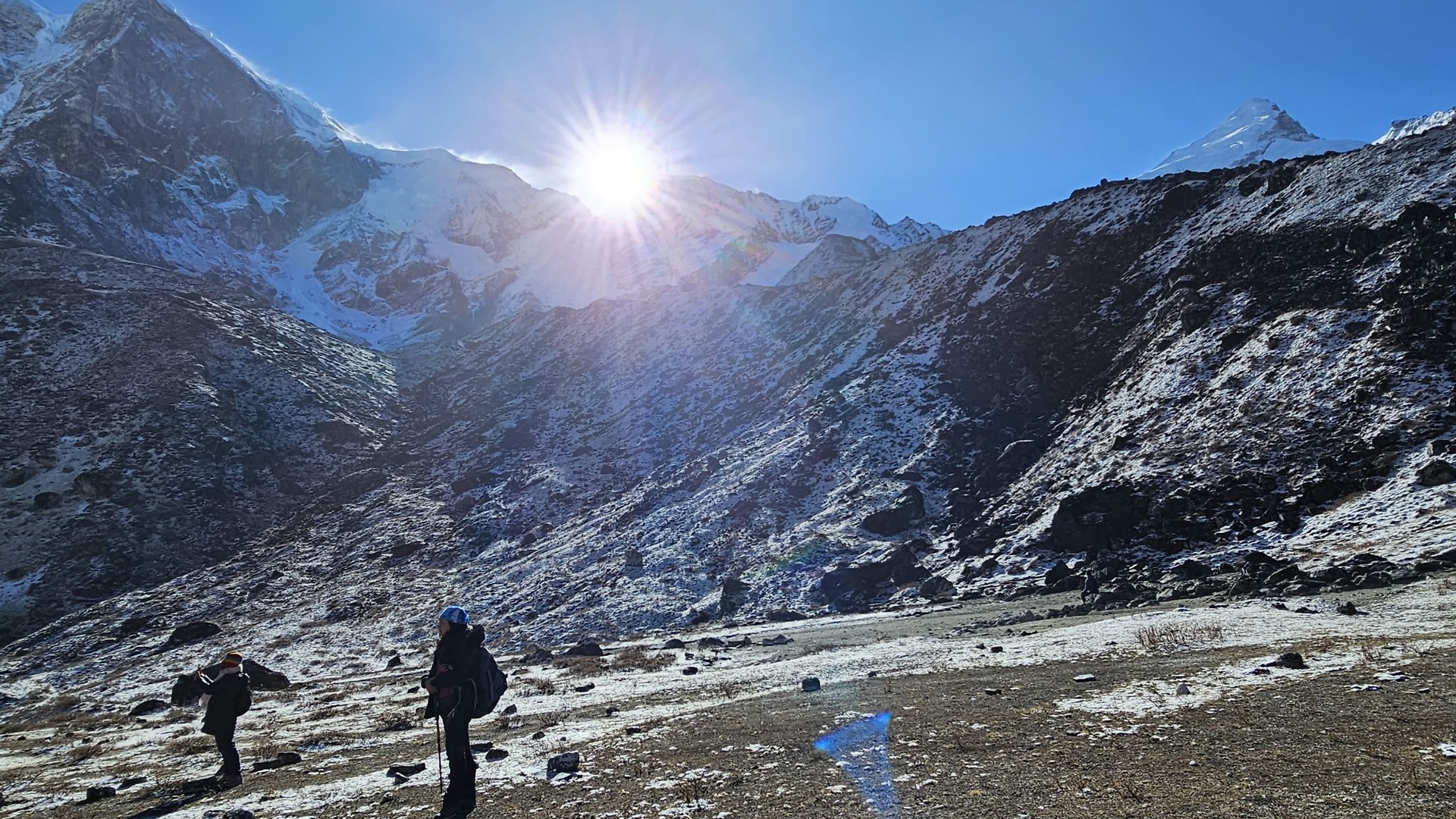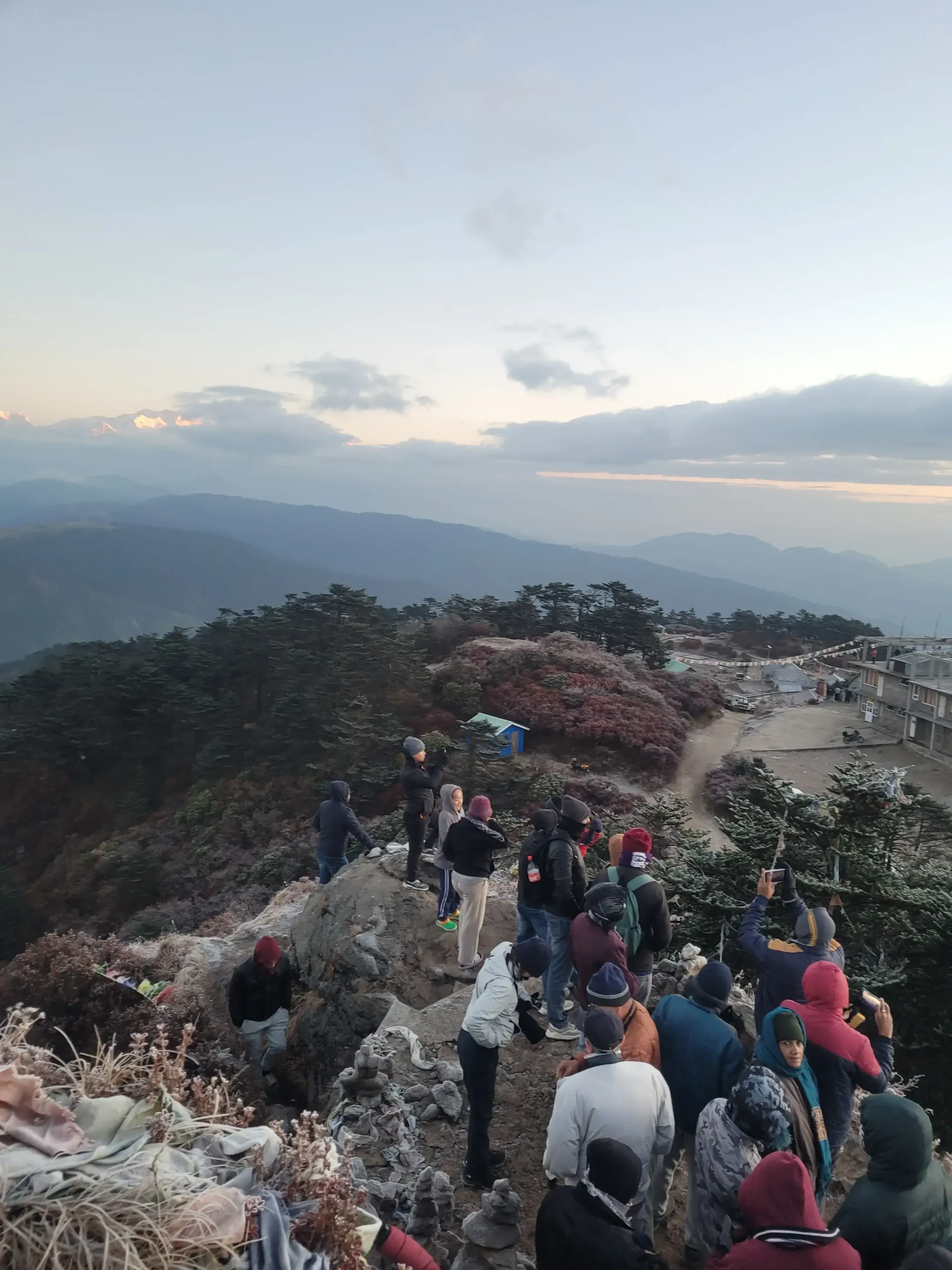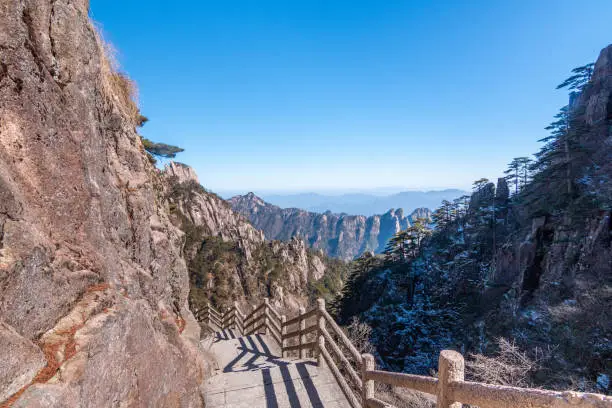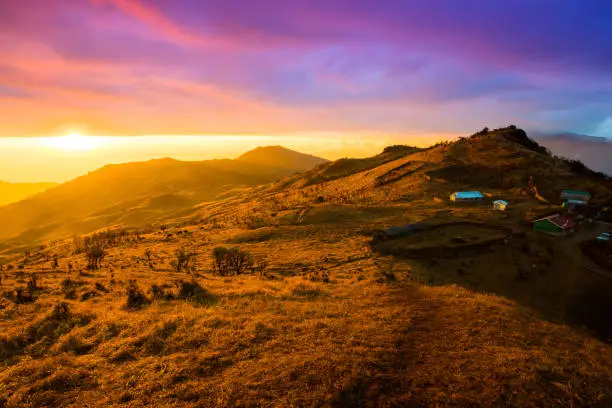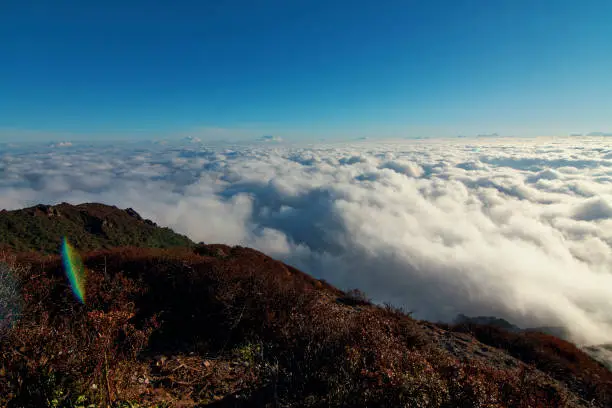
One of the best Himalayan travel experiences that is rewarding to people seeking to see the mountain panorama, good trail conditions, and safe trek in the higher altitude is a sandakphu tour. Sandakphu stands in the Singalila Ridge, the India-Nepal border, and is reputed to provide a unique opportunity of seeing four of the highest mountains in the world, Everest, Kanchenjunga, Lhotse and Makalu all in a single panoramic view.
When the United States traveler makes the first trip to the Himalayas, it is necessary to learn the weather conditions, variations among the seasons, fog, and mountain trail safety. The information in this guide offers a factual and objective account of the most appropriate moments of planning a sandakphu tour, seasons to avoid, effects of weather to the mountain scenery, and what the traveller will expect at any given time of the year.

The importance of the right season to be picked
Seasonal weather changes are very crucial to the experience of a sandakphu tour. Sandakphu is a ridge top destination, which has extended stretches of open sky, strong winds and quickly moving clouds. Depending on the season in which you act will be:
- Mountain visibility
- Trail safety
- Temperature and comfort
- Amount of snow or rain
- Wind speed on exposed ridges
- General entertainment and the quality of photography
It might be the difference between the sight of breathtaking Himalays and a tiresome walk at fog, rain, or snow.
Table 1: Sandakphu Tour Seasons Overview
| Season | Visibility | Trail Safety | Temperature | Overall Experience |
| Spring (March–May) | Excellent | High | Cold mornings, mild days | Best for clear skies + flowers |
| Fall (Oct–Nov) | Excellent | High | Cool days, freezing nights | Best clarity & ideal weather |
| Winter (Dec–Feb) | Moderate–High | Moderate | Very cold | Beautiful but tough |
| Monsoon (Jun–Sept) | Poor | Low | Warm & humid | Unsafe for trekking |
Spring Season (March to May)
The spring season is one of the most alluring seasons to do a sandakphu tour.
Weather Conditions
- Mornings and pleasant afternoons with cold
- Clear visibility until noon
- As you go down, get warmer and warmer
- The spring weather is a balance between pleasant weather and beautiful views
Trail Conditions
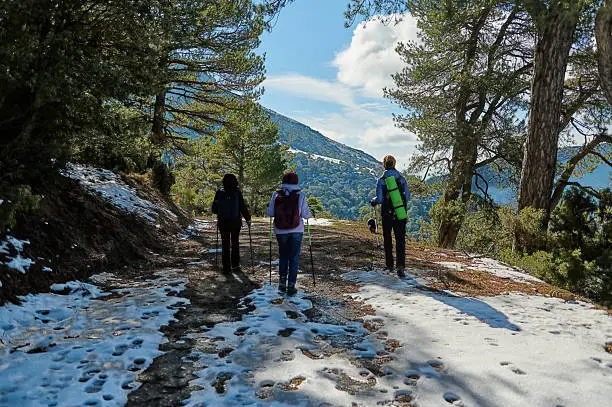
- Trails at altitudes less than 10,000 ft are dry and stable
- At high-altitude parts, melting snow can occur early on in the season
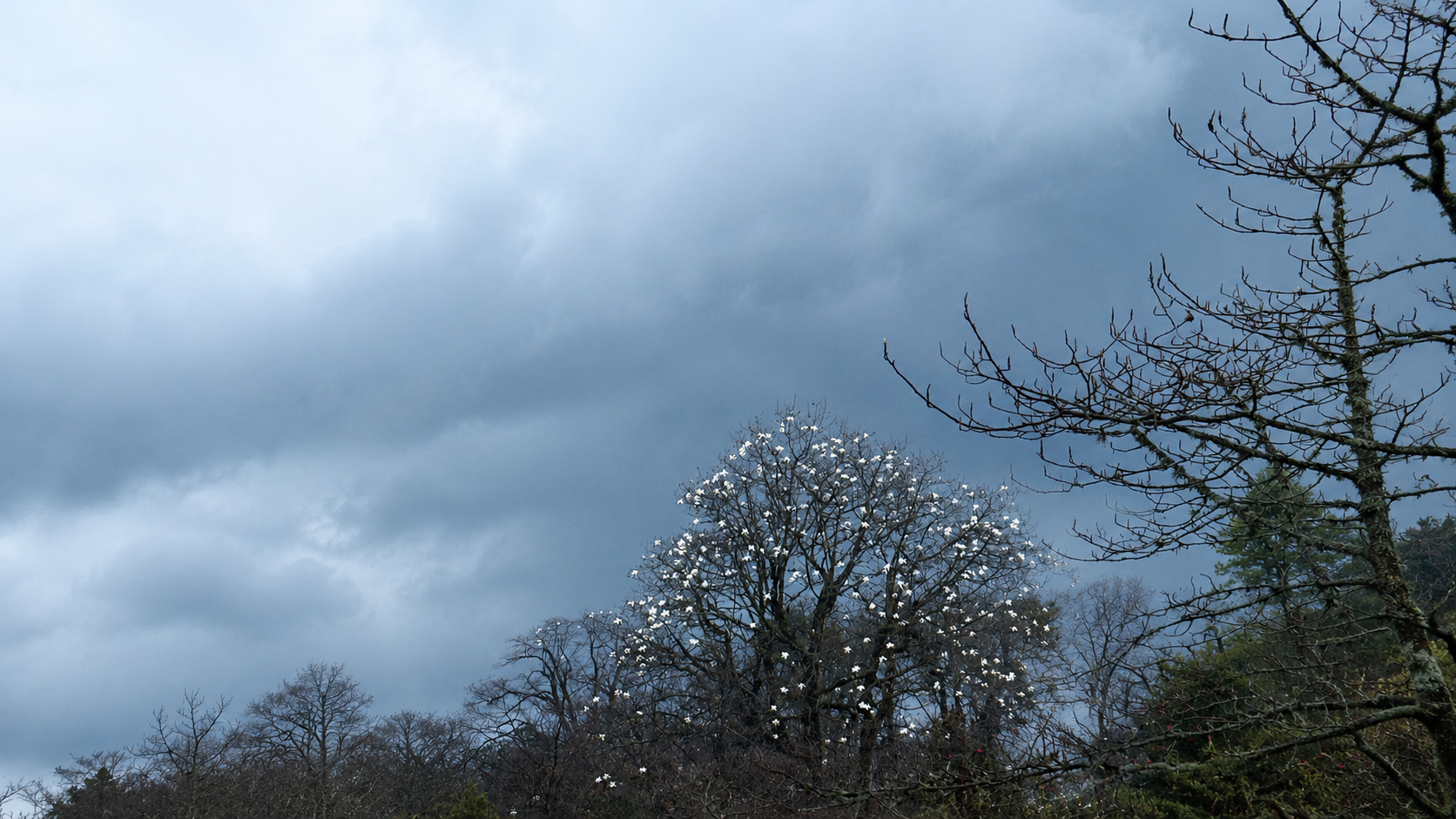
- Wood paths are under blossoming rhododendrons and magnolias
Advantages
- Clarity of mountains is superb
- Absolute harmonisation of flowers and snow
- Optimal temperatures when walking
- Optimal season to capture pictures of nature
Challenges
- Seldom snow early in the month of March
- Cold nights at Tumling, Kalipokhri and Sandakphu
Fall Season (October and November)
Fall is the most popular time of year to have a sandakphu tour particularly when mountain visibility is the priority.
Weather Conditions
- Dry and stable climate
- Clear and sharp skies that are good to see mountains
- Haze which is prevented by low humidity
Trail Conditions
- Trails are dry and firm
- Very little cloud cover
- Walks along ridges that are smooth with few challenges
Advantages
- Clearest and best mountain view of the year
- Breathtaking sunrise and sunset views
- The most suitable season of panoramic photography
Challenges
- Nights fall below freezing
- Powerful winds on bare ridges like Sandakphu, Phalut
Table 2: Monthly Visibility Analysis
| Month | Visibility | Temperature | Trail Difficulty | Notes |
| March | High | Cool | Easy–Moderate | Snow melting at high areas |
| April | Very High | Mild | Easy | Best flowers + clear skies |
| May | Moderate | Warm | Easy–Moderate | Hazy afternoons |
| October | Excellent | Cool | Easy–Moderate | Best visibility |
| November | Excellent | Cold | Moderate | Snow begins late month |
| December | High | Very cold | Moderate–Hard | Snow possible |
Winter Season (December – February)
Weather Conditions
- Extremely low temperatures in the mornings and evenings
- The clear mountain views are facilitated by dry air
- Strong wind in the high camps
Trail Conditions
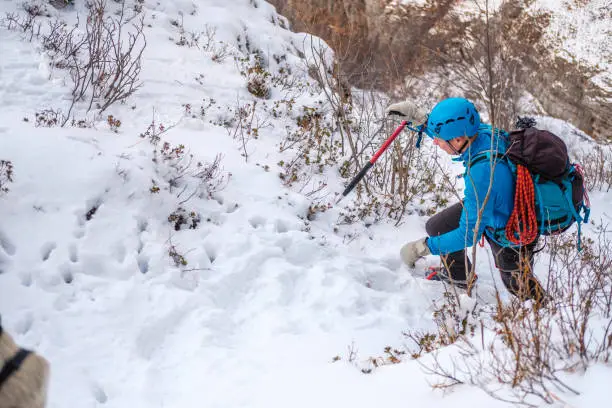
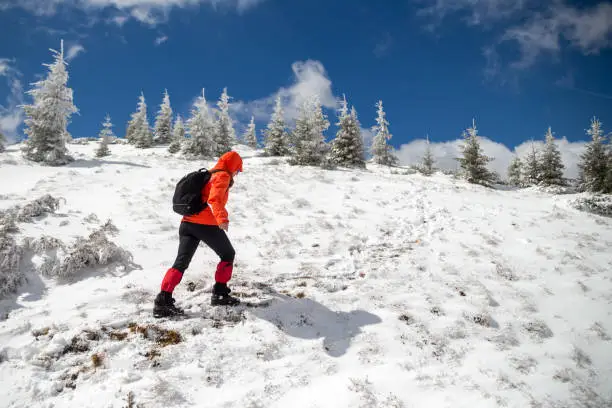
- Snow prevalent at Sandakphu and Phalut
- Cold wind-chill on ridges
- Frozen water at some points
Suitability
Winter is the best season when people desire:
- Clear skies
- Snow-covered mountains
- Low crowd levels
It is however not the best choice when beginner is involved because of freezing temperatures and slippery areas.
Monsoon Season (June – September)
The least advisable time of a sandakphu tour is monsoon.
Risks
- Heavy rainfall
- Landslides in lower parts
- Mud-filled trails
- Bothersome masses of leeches in woods
- Complete visibility because of heavy fog
Experience Impact
- There is a total blockage of mountain views
- Road closures slow down traveling
- Personnel gets unsafe and dangerous
- Monsoon is best avoided
Why Sandakphu Provides Superior Views
Ridge-Top Geography
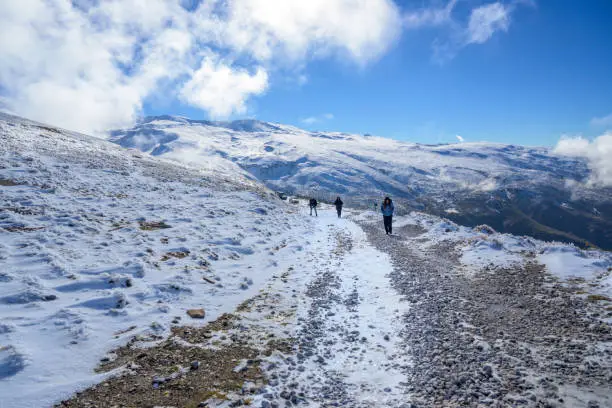
Sandakphu is situated on the topmost peak of Singalila Range. This distinctive setting enables the trekkers to view mountains with no hindrance.
Mountains in Sandakphu View
- Everest
- Lhotse
- Makalu
- Kanchenjunga (Sleeping buddha formation)
The Sleeping Buddha is particularly dramatic during a sunrise.
Visibility of the Best Time of the Day
- Sunrise (5:30–6:30 AM) – Best clarity
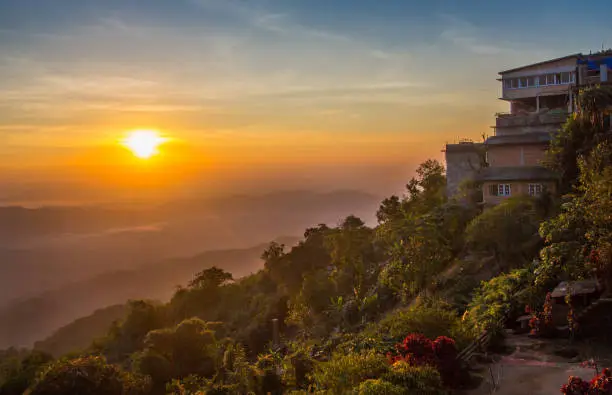
- Sunset (4:30pm–5:30pm) – gorgeous warm colors
- Early Winter Nights – Good observation
Table 3: Visibility Guide Day by Day
| Time of Day | Visibility Quality | Notes |
| Sunrise | Excellent | Buddha formation: Best to Sleep |
| Midday | Moderate | The haze is more pronounced when there is spring and summer |
| Sunset | Very Good | Golden glow on peaks |
| Night | Excellent (winter) | Clear Milky Way visibility |
Visibility Improving Factors
Weather-Related Factors
- Low humidity
- Brightness after rain (non-monsoon)
- Powerful ridge winds which drive clouds away
Terrain-Related Factors
- High elevation
- Open ridgelines
- Minimal tree cover
Traveler-Related Factors
- Start walks early
- Look up local weather before travelling
- Select spring or fall to be the most readable
Safety during Seasons of High Visibility
Common Risks
- Sudden wind gusts
- Cold sunrise temperatures
- Fog patches in the afternoon
- Slick frost in mornings in November
Safety Tips
- Dress in layers
- Wear windproof outerwear
- Bring a headlamp in case of early start
- Consume water at a time when you are not thirsty
Quotes
The best reward of the patient trekker is clear skies.
A mile of walking to Sandakphu is worth more than a multiplicity of sunrises.
Mountains are the ones that present themselves to people who select the appropriate time.
FAQs
When is the appropriate time to do a sandakphu tour?
October–November and March–April have the most visibility as well as the least hazardous routes.
Is it possible to do a sandakphu tour during winter?
Yes but anticipate freezing weather and even snow.
Can sandakphu tour be done at monsoon?
No. Monsoon is accompanied by rain, fog, landslides, and visibility of almost zero.
Will there be any Everest sightseeing in the sandakphu tour?
Yes. Spring and fall days are clear, and those provide the best view of the Everest.
What is the temperature of Sandakphu?
The temperatures may drop to below freezing during the night, in the late fall and winter.
Conclusion
A sandakphu tour is one of the most beautiful panoramic views of the mountain in the world and the experience largely relies on the season of the year. The spring is associated with flowering trees and warm temperatures, and the fall is associated with the clearest sky and the most impressive visibility. There is the added challenge of winter and monsoon needs to be avoided because of trail and poor visibility.
When choosing the appropriate season, which is probably spring or fall, the American traveler is likely to experience a complete delight of the Eastern Himalayas with a sense of safety, comfort, as well as lasting mountainous views.