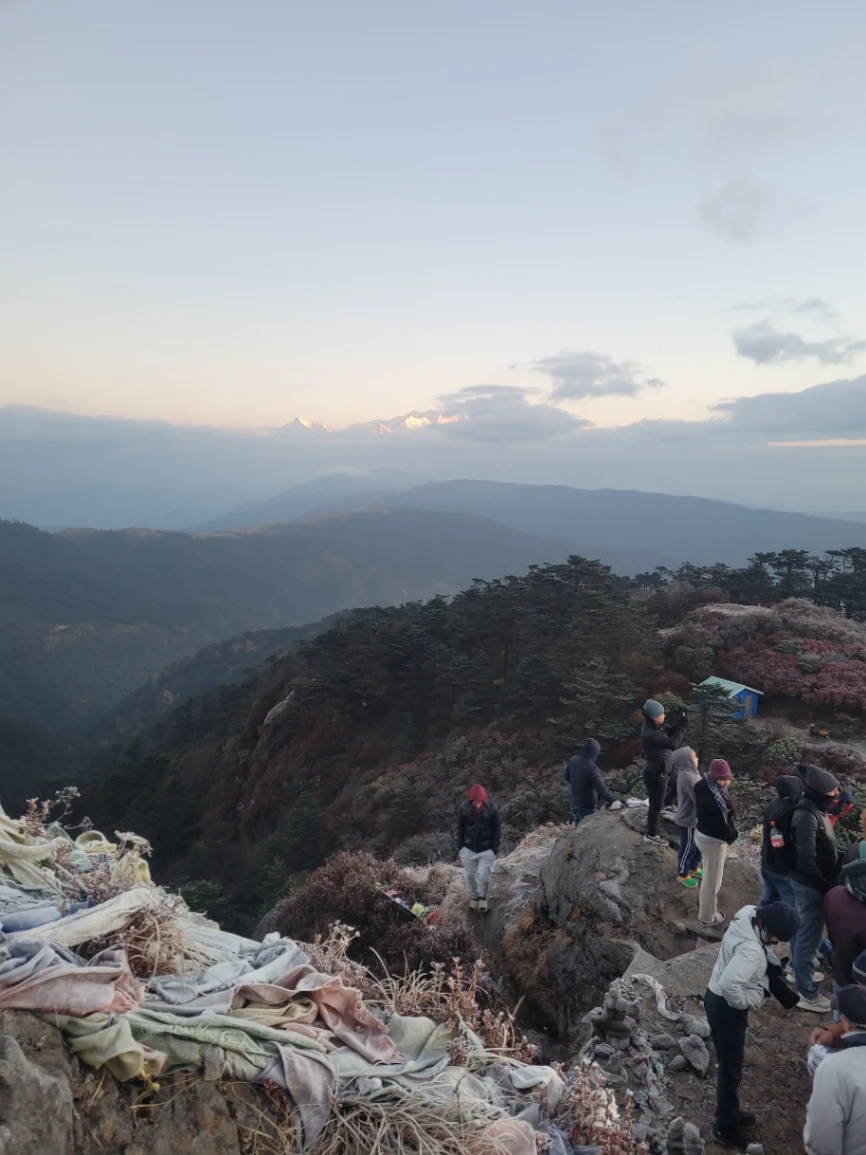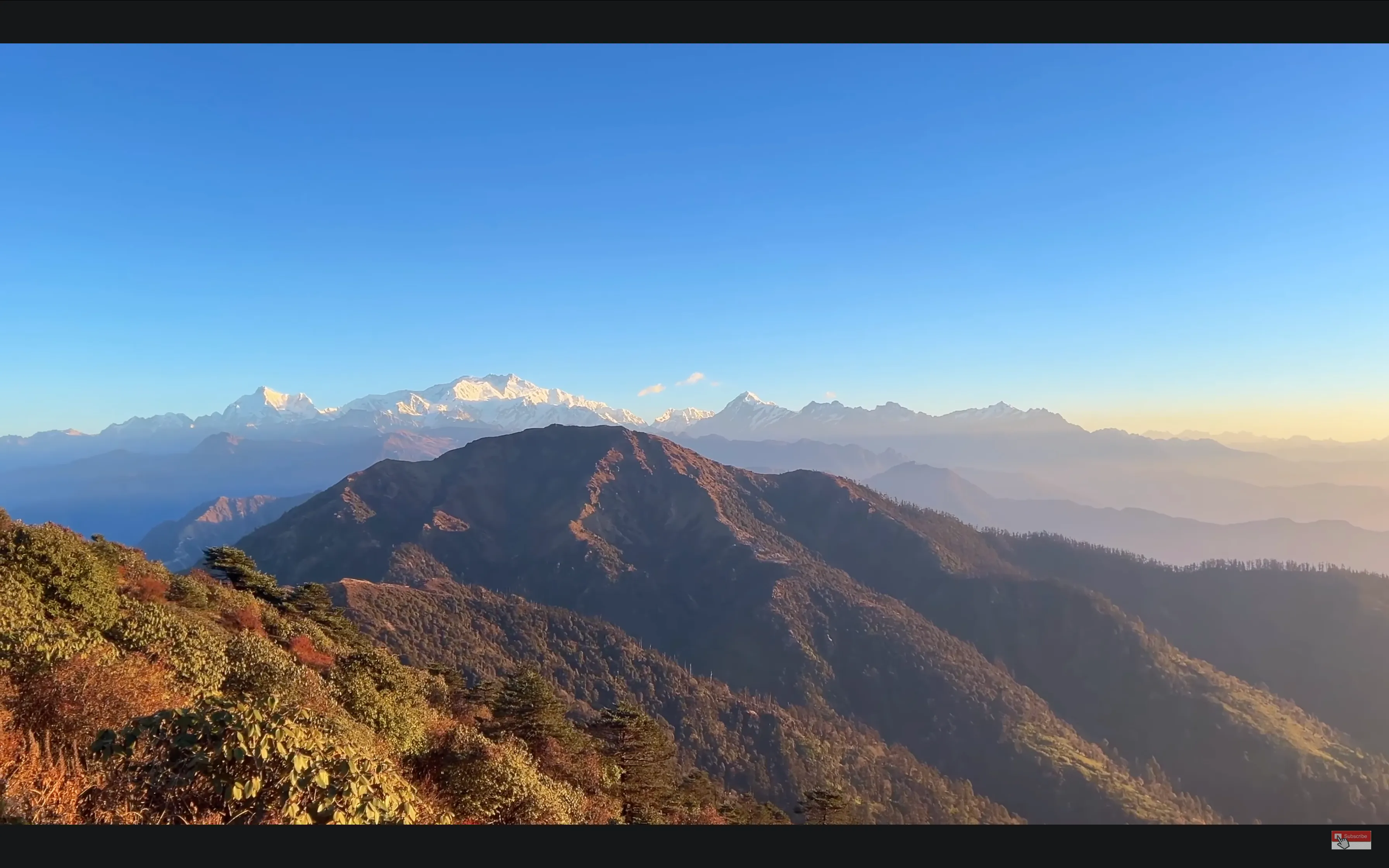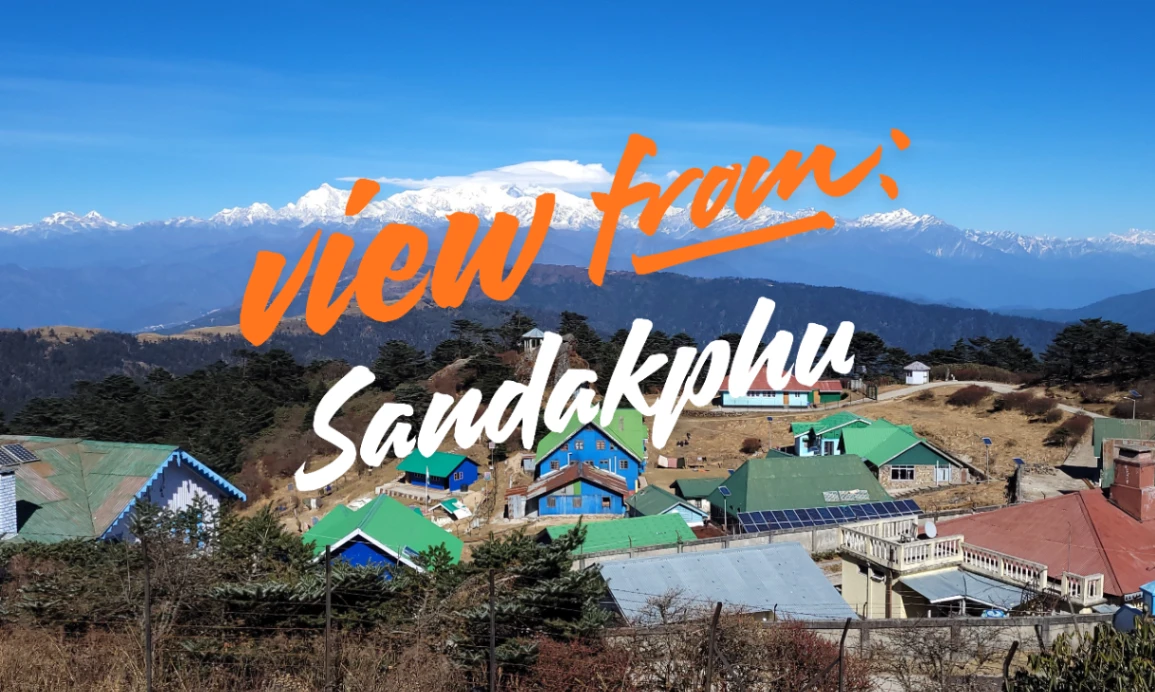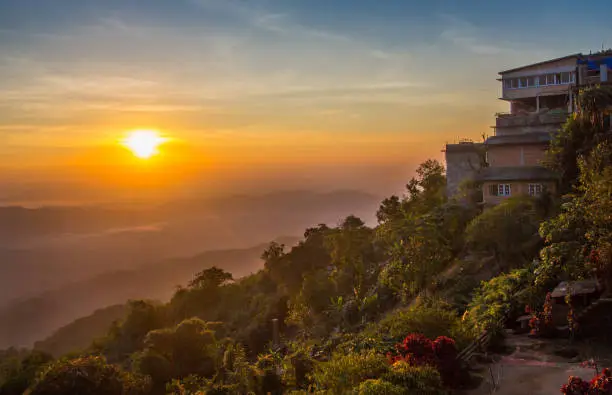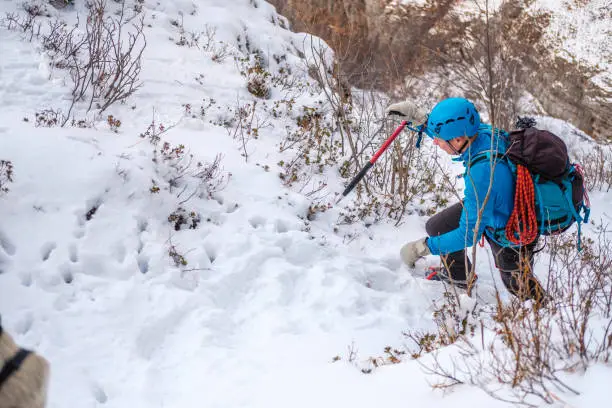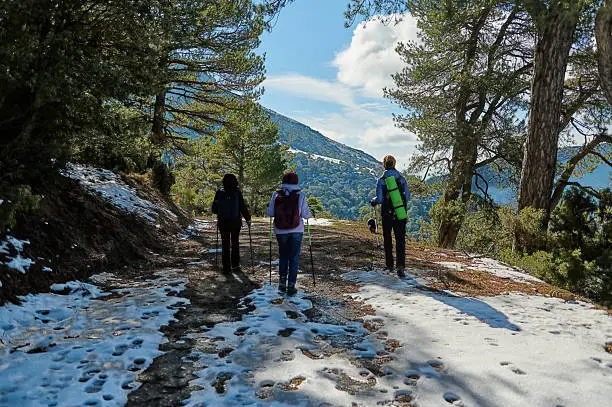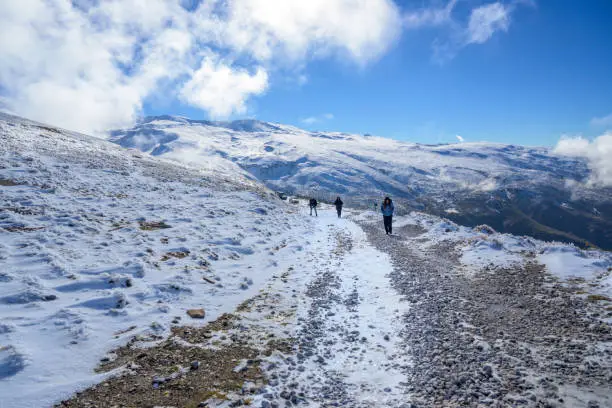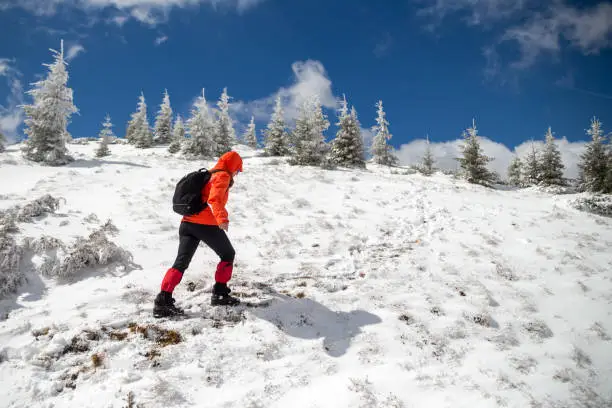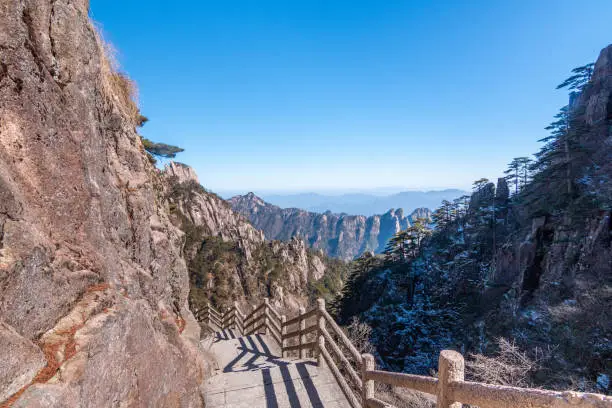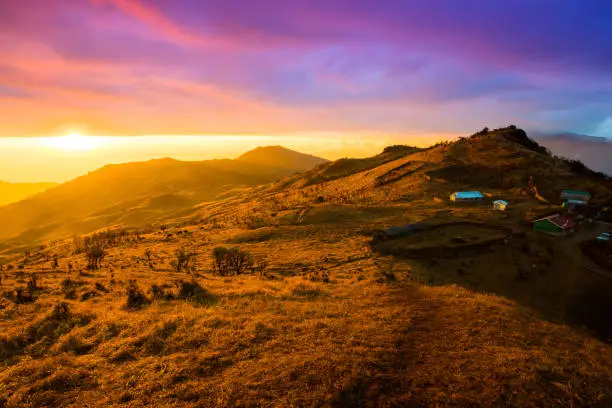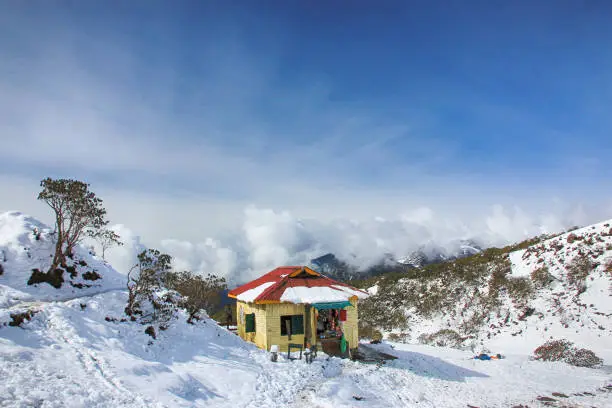
Sandakphu phalut trek is also among the limited routes in the Himalayas that provides a continuous walk along the ridges with the clear view of four highest mountains in the world: Everest, Lhotse, Makalu, and Kanchenjunga. The path seems a moderate challenge at a glance to trekkers in the United States, although the extremely long hiking time, the scramble up and down ridge, unreliable weather, and the high altitudes require restrained training. The given guide presents a simple description of the grades, fitness requirements, acclimatization requirements, and mandatory preparation of those who want to do the sandakphu phalut trek as a first-time participant.

Problems Review of the Sandakphu Phalut Trek
Sandakphu phalut trek is a medium long distance but the Himalayan expedition. The path is no longer in forests, but on open ridges, cobblestones, dirt paths, and open high-altitude areas with high winds. Trekkers cover 6-9 hours daily and tend to be at prolonged angles.
Why the Trek Feels Demanding
- Long daily distances
- Acute changes in altitude among the villages and ridge points.
- Freezing winds at Sandakphu and Phalut.
- Both sharp ascents and long ridges in the forest.
Table 1 – Core Difficulty Breakdown
| Factor of difficulty | Description |
| Total Distance | 50–65 miles to route. |
| Highest Elevation | ranging between 11,930 and 11,811 ft (Sandakphu and Phalut, respectively) |
| Daily Trek Duration | 6–9 hours |
| Challenging Environment Rating | Difficulty moderate–challenging. |
| Exposure of terrain | High wind areas on ridges. |
Terrain Conditions
The sandakphu phalut trek trail is a mixed terrain trek with the altitude varying continuously. The lower part is full of forests, and the upper part of forests is full of open ridges.
Forest Sections
- Thick rhododendron, bamboo and oak.
- During spring and monsoon, muddy areas.
- Dubious soles and terret inequalities.
Ridge Walk Sections
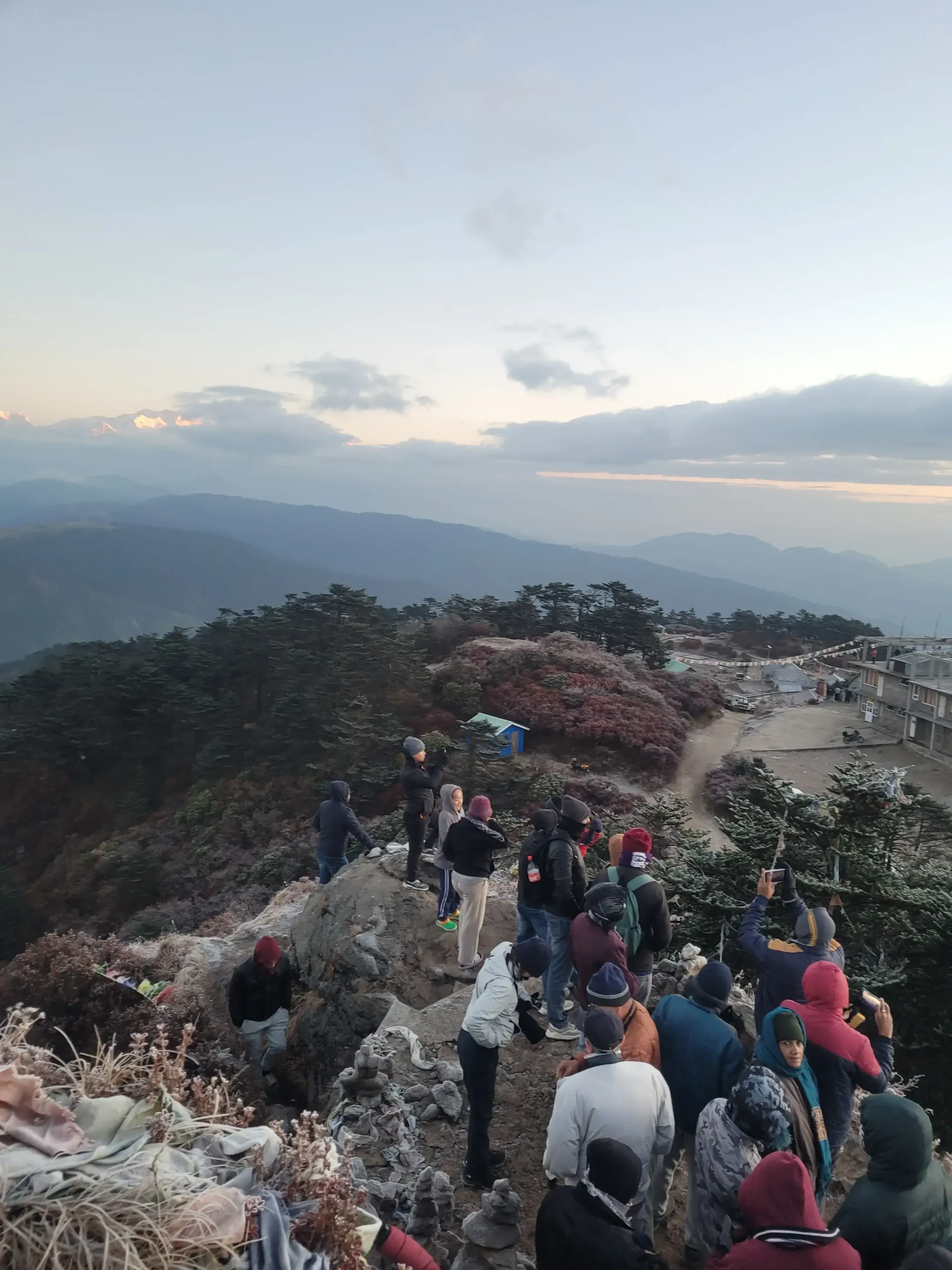
- Mountain views with no obstruction.
- Strong winds and cold air.
- Long, open streets that demand layered up clothes.
Cobblestone Trails and Rocky Trails
- Cobblestone roads of Tumling, Gairibas and Sandakphu in the colonial days.
- Foot tiredness in the absence of good shoes.
Phalut Stretch
- It was one of the longest walking days.
- Wide grass-lands and swellings.
- Limited water points.
Table 2 – Terrain Map Overview
| Section | Type of terrain | Difficulty |
| Manebhanjan → Tumling | Hard + forest Cobblestone steep | Hard |
| Tumling → Kalipokhri | Forest trail | Moderate |
| Kalipokhri → Sandakphu | Steep incline + wind | Challenging |
| Sandakphu → Phalut | Long ridge walk | Hard |
| Phalut → Gorkhey | Down sharp in woods | Moderate |
Difficulty Influenced by Weather
Weather increases or decreases the difficulty levels in the sandakphu phalut trek.
Temperature Patterns
- Lower altitude: mild and cool
- Increased altitude (Sandakphu and Phalut): frozen mornings/evenings.
- Windchill enhances the cold temperature.
Wind Exposure
Ridges are exposed zones. Phalut boasts of some of the best winds.
Weather Change by the Seasons
- Spring: cloudy mornings, foggy afternoons.
- Autumn: ideal sightseeing, no weather changes.
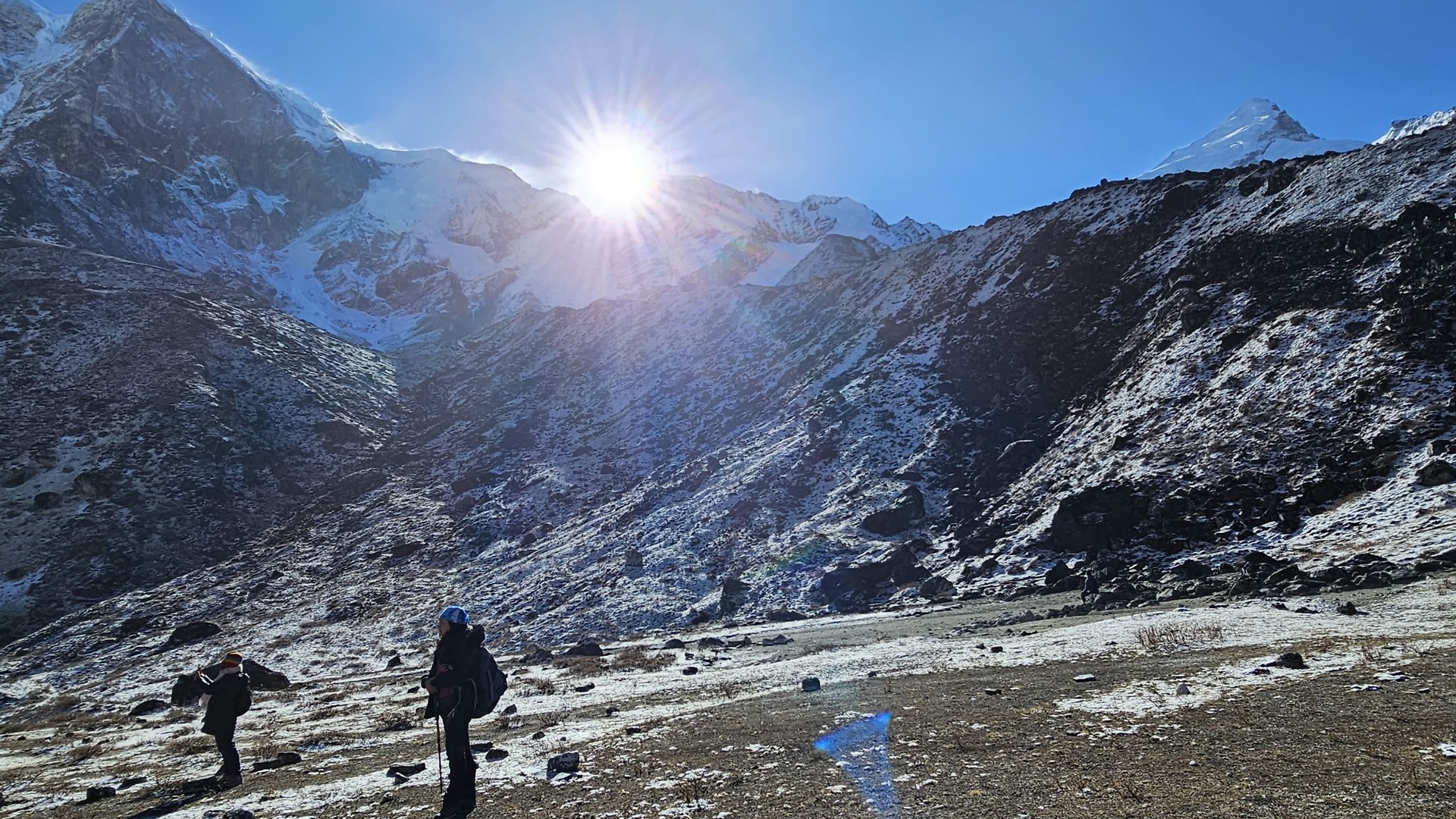
- Winter: snow, winds of freezing, icy roads.
- Monsoon: when it is raining a lot, visibility is zero, not advisable.
Fitness Requirements
The sandakphu phalut trek should not be underestimated by its physical requirements by the trekkers of the United States. The hours of daily walking are above the normal recreational increases.
Basic in the Middle Fitness Skills
- Capacity to walk 8–12 miles daily
- Tolerance for steep climbs
- Strength on hard ridges.
- Flat and good core and leg muscles to stand on.
Pre-Trek Recommended Training
- Walking 4 times a week, long distance.
- Inclination strength: stair climbing.
- Planks and squats and lunges to work the lower body.
- A weekly practice hike with a backpack had to be present.
Flexibility and Mobility
- Stretching helps to decrease rigidity.
- Mobility of ankle, hip, and hamstring lessens the risk of injury.
Table 3 – Blueprint Training (Training 4 Weeks)
| Day | Training Focus |
| Monday | Cardio + Leg Strength |
| Tuesday | Mobility + Core |
| Wednesday | Long Walk (5–7 miles) |
| Thursday | Training team Hill/Stair Training |
| Friday | Strength + Light Jog |
| Saturday | Pack hike Practice Hike |
| Sunday | Rest + Full Stretch |
Acclimatization Strategy
Although the altitude is not excessive (11,930 ft), the acclimatization is necessary.
Common Altitude Responses
- Mild headache
- Lower appetite
- Faster breathing
- Sleep disturbance
- Faster fatigue
Acclimatization Methods
Slow Ascent
Do not rush steep sections.
Hydration
Also drink regularly to sustain blood oxygen supply.
Nutrition
Consume energy giving meals rich in carbohydrates.
Deep Breathing
Enhances breathing in hilly slopes.
Sleep and Rest
Do not overwork on the initial two days.
Hydration and Nutrition Rules
Nutrition Tips
- Prioritize carbohydrates
- Avoid heavy, greasy meals
- Project energy bars should be readily available.
Hydration Tips
- Take drink before you are thirsty.
- Use electrolyte tablets
- Limit caffeine in order to prevent dehydration.
Essential Gear Checklist
Clothing
- Base layers
- Insulated jacket
- Waterproof jacket and pants
- Warm gloves and cap
- High-ankle trekking shoes
Gear
- Trekking poles
- Headlamp that has additional batteries.
- Water purification tablets
- Sunglasses and sunscreen
- Sleeping bag for cold nights
Safety Measures
Risk Factors
- Hypothermia from wind
- After the rain, slippery areas.
- Cobblestone fatigue of the feet.
- Water shortage in open fields.
Prevention
- Pace yourself
- Layer clothing
- Use trekking poles
- Take breaks regularly
- Monitor altitude symptoms
Quotes
Consistency and not speed is the reward of the altitude.
The only benefit you have in the mountains is preparation.
Good legs are a bonus, however, good pacing will keep you out of trouble.
FAQs
Is the phalut trek of the sandakphu good for first-time trekker?
Yes, but it only takes appropriate fitness training.
Some questions to ask during the sandakphu phalut trek include the time period it will take?
Normally 6–8 days according to speed.
Is there need of acclimatization?
Yes. Even middle altitude has an impact on performance.
What is the toughest section?
The Sandakphu to Phalut ridge walk due to distance and the wind exposure.
At what is the summit of the trek?
At Sandakphu of some 11,930 feet.
Conclusion
The sandakphu phalut trek is a direct ridge walk, which provides the rare views of four tallest Himalayan peaks. The trek can be approached by first time high altitude hikers, on condition that fitness training, pacing and altitude consciousness is observed seriously. The trail requires extensive hiking, steady endurance and training to work in cold weather. The United States trekkers can safely and effectively accomplish this trek, through proper training, information about the terrain difficulties, and proper ways of acclimatization. A well planned, successful and rewarding Himalayan experience is guaranteed by proper preparation.