Day 1 : Arrive in Kathmandu
Elevation: 1,400 m / 4,593 ft
Distance–
Duration: –
Difficulty: Easy
Accommodation: Accommodation hotel in Kathmandu.
You will arrive in Kathmandu and be transferred to your hotel in the Kathmandu Valley (Thamel area). Upon arrival, greet the trekking guide for a comprehensive pre-trek briefing, including information about permits, the Lukla flight, and baggage arrangements, as well as safety and altitude awareness. Also, this is the time to check on your trekking gear and buy anything that is missing in Kathmandu. You can rest up the rest of the day after your ride or continue to soak up the local markets and cafés. Kathmandu is an interesting introduction to Nepal, covering both the Hindu and Buddhist culture, narrow streets, temples and colourful shops. Pack your duffel bag for the evening hike and have crucial gear in your daypack. It's important to get a good night's sleep before the early flight to Lukla the next morning.
Day 2: In Phakding there is one teahouse that provides accommodation.
Lukla Elevation: 2,860 m / 9,383 ft
Phakding Elevation: 2,610 m / 8,563 ft
Distance: 7–8 km
Duration: 3–4 hours
Accommodation: Hotel, Lodge, Homestay at Phakding
Difficulty Level: easy-to-moderate
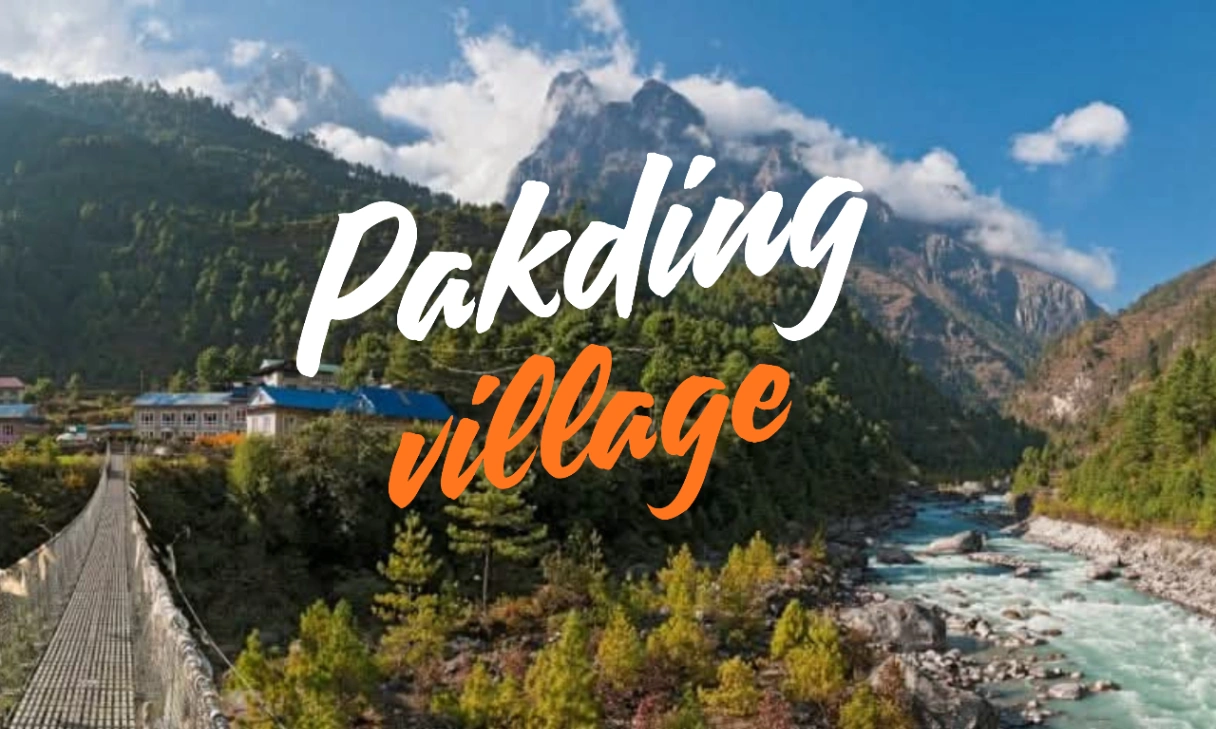
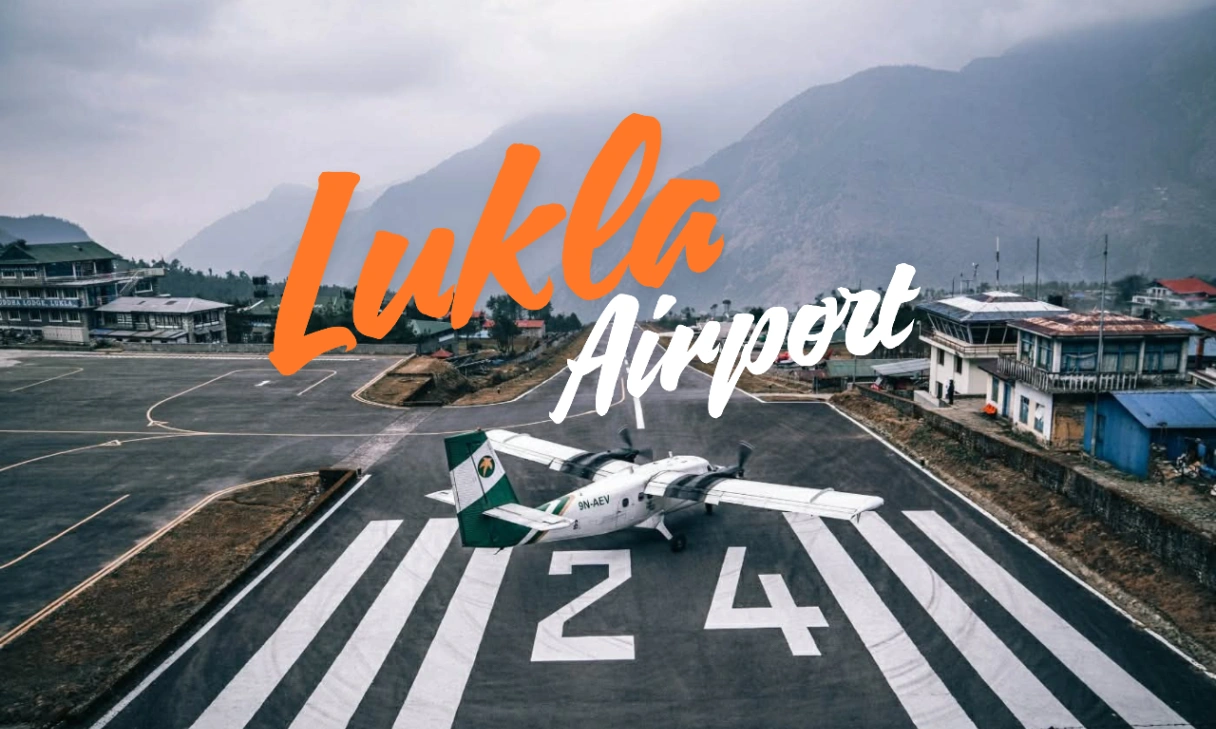
Fly to one of the most well-known mountain airstrips in the world, Lukla, early in the morning. Meet the trekking crew and unpack bags, then start walking down the Dudh Koshi Valley. The walk down the trail passes through pine forests, small Sherpa villages, mani stones, prayer wheels, and cultivated terraces. This first day will be short and easy so that the time is allowed to adjust to the altitude and get into the trekking routine. There's a river sound throughout much of the walk, and a series of suspension bridges start to pop up along the way. A quiet riverside village in which trekkers stay overnight before embarking on the more strenuous trek to Namche Bazaar. This evening is the perfect time to test equipment, get hydrated and ready for the longer ascent the following day.
Day 3: Trek from Phakding to Namche Bazaar.
Elevation: 3,440 m / 11,286 ft
Distance: 10–11 km
Duration: 6–7 hours
Accommodation: Teahouse in Namche Bazaar
Difficulty level: Easy-to-moderate
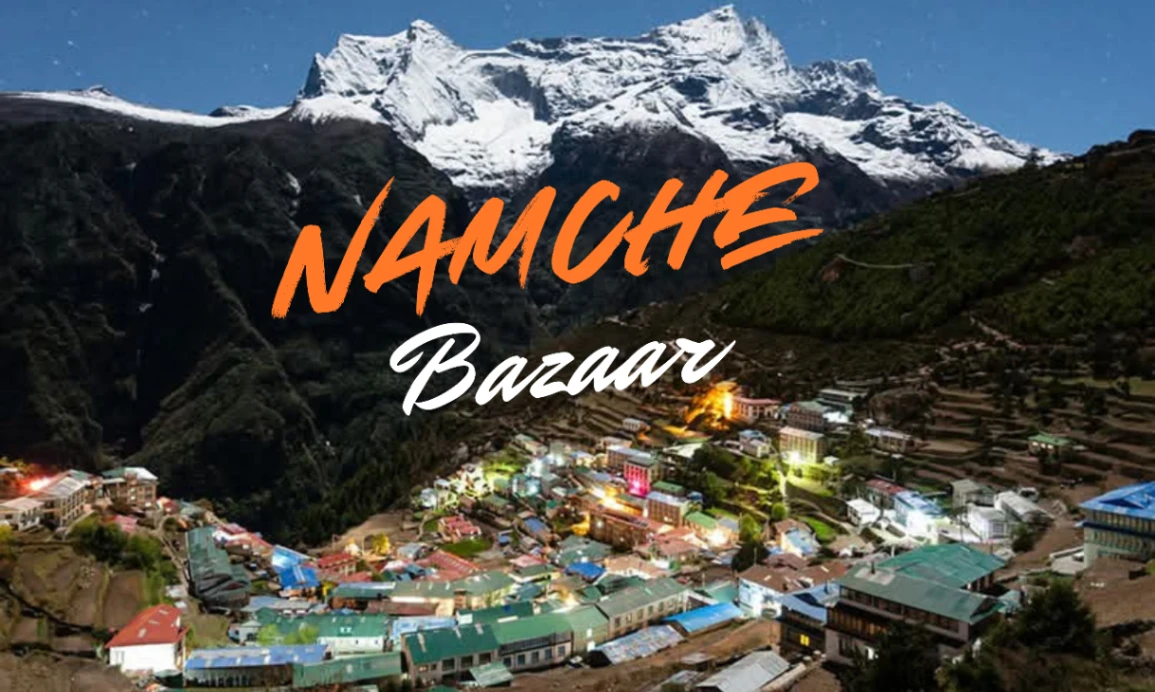
This is the first of the big hikes for the trip. Take the Dudh Koshi River through Monjo and Jorsale; permits will be checked before entering into Sagarmatha National Park. Cross some suspension bridges; the famous one is the high-suspension bridge below Namche. The last bridge leads up through woods for several hours. This part is challenging due to the steepness of the slope and the climb in altitude. If the weather is clear, trekkers might be able to see the first sighting of Mount Everest before they arrive at Namche Bazaar. Namche is the primary trading centre of Khumbu and the place where you can find bakeries, cafés, gear shops, viewpoints and a vibrant trekking hub. It is a key point on the journey, and many hikers will remark on the chillier air and less density than that found at lower altitudes.
Day 4: An acclimatisation day is held at Namche Bazaar.
Sleeping Elevation: 3,440 m / 11,286 ft
Time: One to two hours
Duration: 2–4 hours
Accommodation: Hotel at Namche Bazaar
Difficulty level: easy to moderate
Spend the second night in Namche to acclimatise. Instead of being sedentary all day, take a slow walk up to a higher point of view, like the Everest View Hotel, Khumjung Village or one of the surrounding ridges. principle is to be followed. From the trek you can enjoy a tremendous view of Everest, Lhotse, Ama Dablam and many other peaks. The afternoon is spent at Namche, where you can rest, hydrate and explore. The Sherpa culture museum and local market are among the many places that are visited by trekkers. With good acclimatisation, there is a good chance of a safe and enjoyable trek at higher elevations here.
Day 5: Trek from Namche Bazaar to Tengboche
Elevation: 3,860 m / 12,664 ft
Distance: 9–10 km
Duration: 5–6 hours
Accommodation: Teahouse in the village of Tengboche.
Difficulty: Moderate
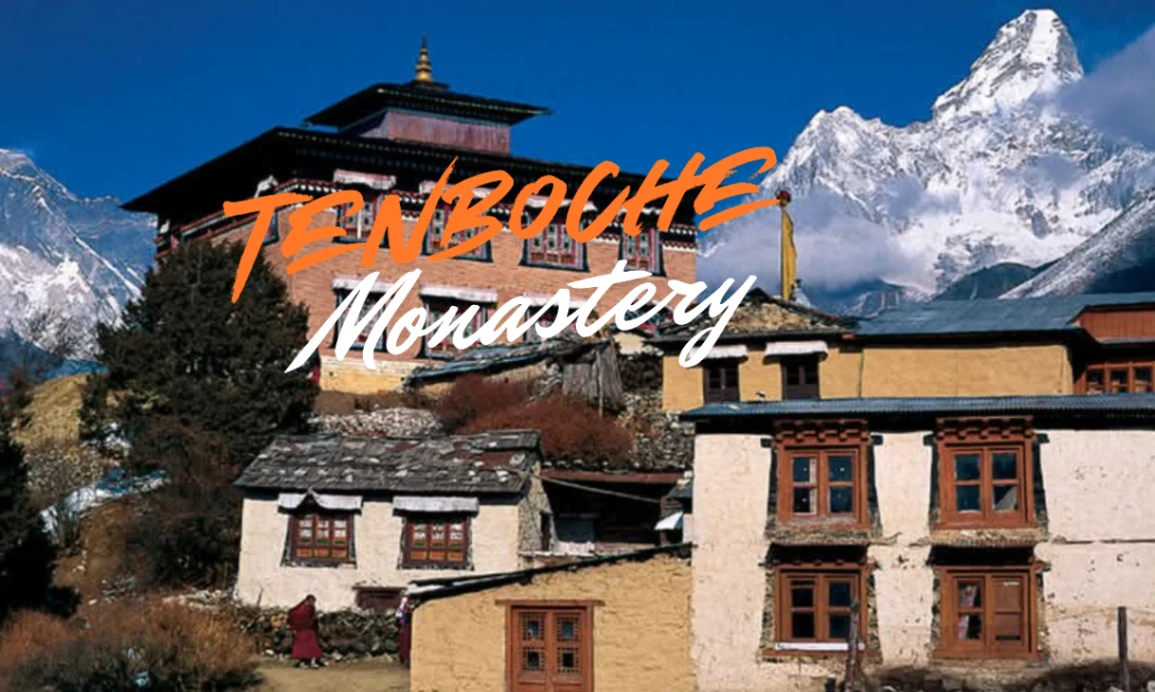
Head back to Namche on a hilly footpath with stunning views of Everest, Lhotse, Nuptse and Ama Dablam. This trail goes down to the Dudh Koshi River and then up through rhododendron and pine forest to reach Tengboche. Tengboche Monastery is the spiritual hub of the Khumbu region and is one of the reasons why the village is renowned. Open – you can participate in the prayer ceremony of the monastery and observe the Buddhist rituals. The view is breathtaking, as Ama Dablam looms majestically over the monastery. Tengboche is quieter and more remote than Namche, and the evenings are often calm as the sun starts to set in the mountain.
Day 6: Trek from Tengboche to Dingboche
Elevation: 4,410 m / 14,469 ft
Distance: 10–11 km
Duration: 5–6 hours
Difficulty Level: Moderate to challenging.
Accommodation: Teahouse Dingboche
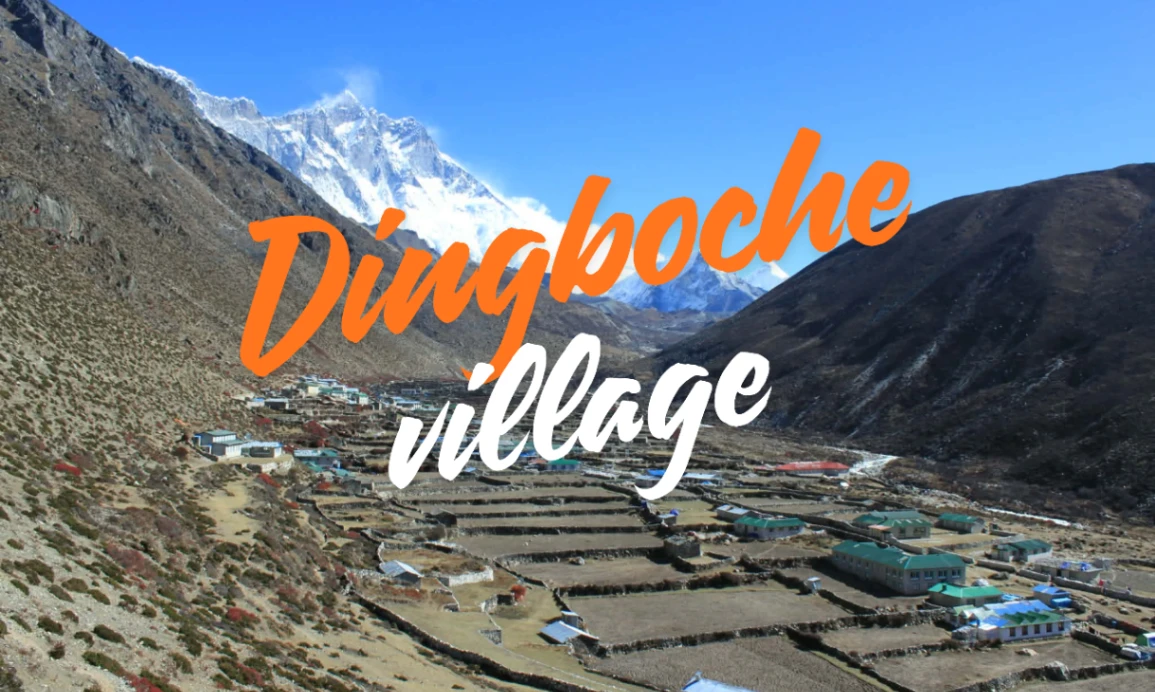
Follow the forest down to Imja Khola, cross and then head up slowly to the oldest Sherpa settlement in the region, Pangboche. The trail opens up and becomes more alpine as it ascends. Surrounding stone walls protect fields from grazing animals and cold winds and crops. Ama dominates the skyline for much of the day, and Island Peak and the upper Imja Valley can be seen. As the air becomes thinner, it becomes obvious, so it is best to go slow and steady. Dingboche is a wide valley settlement amongst striking peaks and a good place to spend an acclimatisation day prior to reaching Lobuche.
Day 7: Acclimatisation Day at Dingboche.
Sleeping Elevation: 4,410 m / 14,469 ft
Acclimatisation: Nangkartshang Ridge or nearby viewpoint
Distance: 4–6 km
Duration: 3–5 hours
Difficulty: Moderate
Accommodation: Teahouse in Dingboche
Spend a second night in Dingboche to support acclimatisation before ascending higher into the Khumbu. Take a gradual acclimatisation hike above the village to Nangkartshang Ridge or a nearby viewpoint, where, weather permitting, you may see Lhotse, Makalu, Ama Dablam and the upper Imja Valley. Return to the same lodge in Dingboche for lunch and rest during the afternoon. Use the remainder of the day to hydrate well, eat properly, monitor how you feel at altitude and prepare for the trek to Lobuche on the following day.
Day 8: Trek from Dingboche to Lobuche.
Elevation: 4,940 m / 16,207 ft
Distance: 7–8 km
Duration: 5–6 hours
Difficulty: Challenging
Accommodation: Teahouse in Lobuche
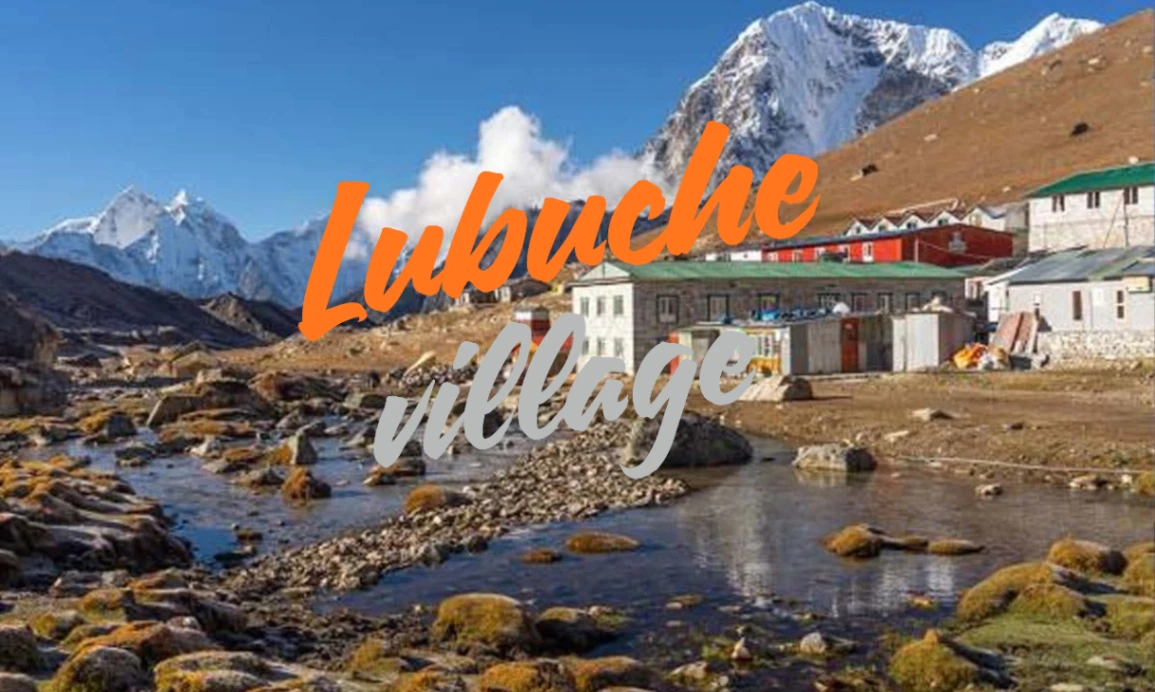
Cross open alpine areas, moving toward Thukla before embarking on a steep ascent to the memorial area for climbers who have died on Everest and on nearby peaks. The memorials give a haunting reminder of the seriousness of the mountain environment. The path then drops down to the lateral moraine of the Khumbu Glacier and becomes more gradual as it heads for Lobuche beyond the pass. The air is thinner than usual, and light slopes are quite challenging. The valley is surrounded by snow-covered mountains, and the nights can be very cold. Lobuche is a small mountain settlement where the trekkers get ready for their trek to Everest Base Camp.
Day 9: Trek to Gorak Shep and visit Everest Base Camp
Gorak Shep Elevation: 5,164 m / 16,942 ft
Everest Base Camp Elevation: 5,364 m / 17,598 ft
Distance: 12–14 km
Duration: 7–8 hours
Difficulty: Challenging
Accommodation: Teahouse in Gorak Shep
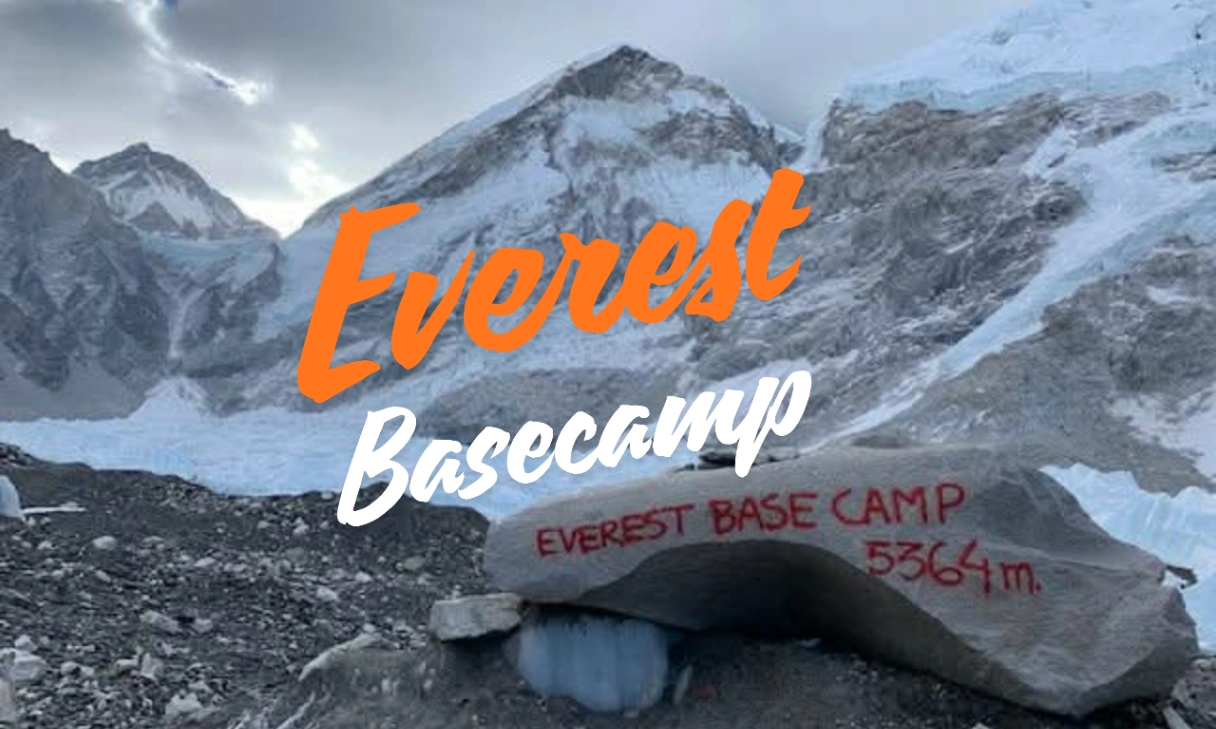
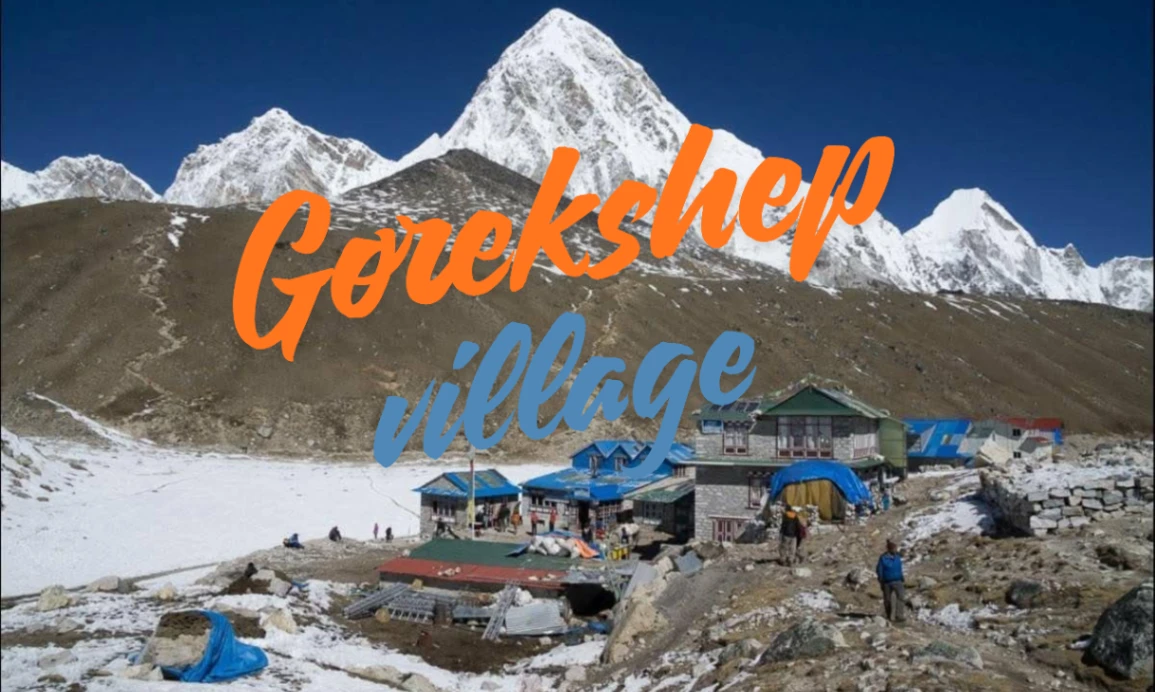
From Lobuche, head down the rocky glacial path towards Gorak Shep. Once you have arrived at the lodge, take a brief rest and slowly cross over moraine and rough ground to reach EBC. The last approach isn't so difficult, but it's certainly easier to do with a lower altitude. Make it to the renowned base camp for Everest expeditions and enjoy the dramatic scenery of the Khumbu Icefall and glacier. Expedition tents can be spread over the glacier during the spring climbing season and are typically much busier during other seasons. Photographs and a much-needed rest will follow before heading back to Gorak Shep for the night. This is one of the best days of the whole trip.
Day 10: A trek to Kala Patthar and a descent to Pheriche.
Kala Patthar Elevation: 5,545 m / 18,192 ft
Pheriche Elevation: 4,240 m / 13,911 ft
Distance: 12–13 km
Duration: 7–9 hours
Difficulty: Challenging
Accommodation: Teahouse in Pheriche
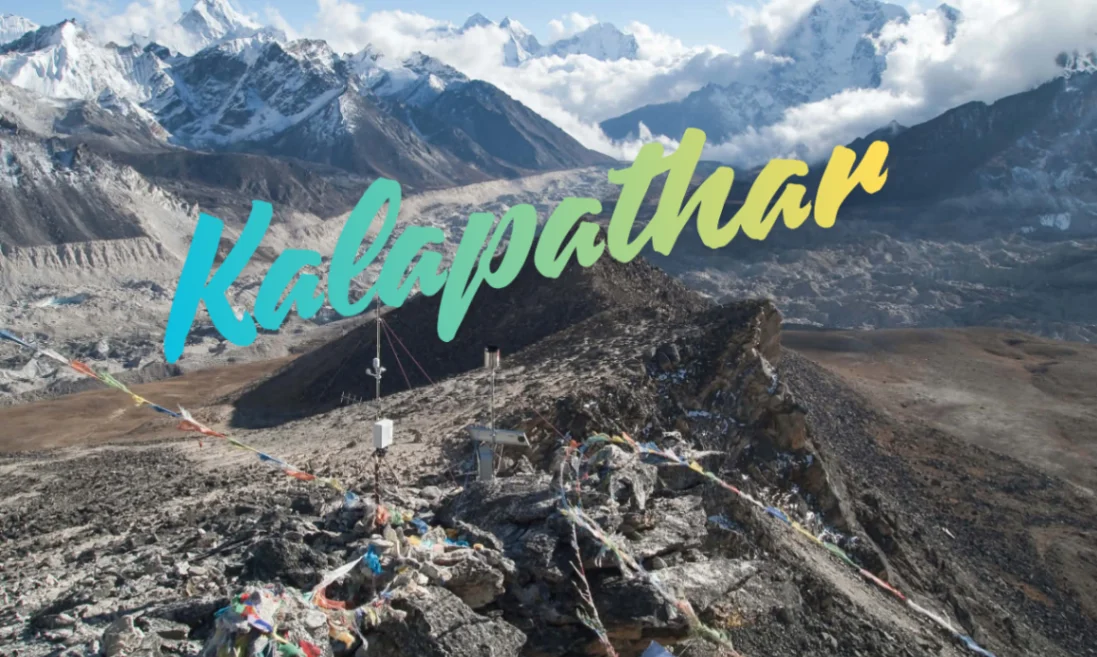
Do the climb from before dawn to Kala Patthar, the highest point on the trek. It's a difficult, slow climb, starting from above 5,000 metres, but it's one of the most amazing experiences in the world. The summit ridge offers Everest, Nuptse, Lhotse, Pumori and the Khumbu Glacier in a splendid panorama. A quiet descent after a good breakfast at Gorak Shep down to Pheriche takes place through Lobuche to enjoy the sunrise view. As oxygen increases, the long descent seems easy, and many will find that their appetite and energy are improving. A more tranquil valley settlement, Pheriche offers expansive views and a laid-back ambiance compared to the upper Khumbu.
Day 11: Trek from Pheriche to Namche Bazaar.
Elevation: 3,440 m / 11,286 ft
Distance: 13–15 km
Duration: 6–8 hours
Difficulty: Moderate
Accommodation: Teahouse in Namche Bazaar
Now back down through Pangboche and the Tengboche area and then back to Namche Bazaar along the picturesque contouring course. The overall route is downhill, but there are some up-hill sections, so there is still the need to pace the hike. After the previous high camps, the warmer air and lesser altitude are very noticeable. The forest and the well-known villages bring satisfaction as the journey slowly makes its way back down to lower ground. When one first arrives in the village of Namche, it seems as though one has returned to a more normal life with bakeries and cafés with even better facilities than the higher settlements.
Day 12: Trek from Namche Bazaar to Lukla
Elevation: 2,860 m / 9,383 ft
Distance: 17–19 km
Duration: 6–8 hours
Difficulty: Moderate
Accommodation: Teahouse in Lukla
Take a rapid descent down to Dudh Koshi and follow the trail back up through Monjo and Phakding. There are some last climbs on the trail before Lukla, making the day longer than some trekkers may think. The suspension bridges and villages you cross on your way to and from Lhasa are familiar and provide a last opportunity to see the Khumbu landscape. Arrive in Lukla in the afternoon to toast at the end of the walking section of the Everest Base Camp Trek with the trekking group. It's generally a casual evening with time to say goodbye to guides and porters and to go over the experience of the day in the Everest region.
Day 13: Fly to Kathmandu
Elevation: 1,400 m / 4,593 ft
Time duration: 30-40 minutes of flight (plus transfers if necessary)
Difficulty: Easy
Accommodation: Overnight hotel in Kathmandu
Weather and airport operations to be decided; return flight to Kathmandu from Lukla. In places of high traffic, the flights can be rerouted to Ramechhap and then transferred to the road. Once you are in Kathmandu, check in to your hotel and relax with a hot shower, a comfortable bed and more variety of food. Shopping, sightseeing or just relaxing until the end of the day. The weather in the Everest region can be unpredictable, so it's essential to be flexible when planning onwards travel.
Day 14: Reserve Day or departure
Elevation: 1,400 m / 4,593 ft
Distance:
Duration:
Difficulty: Easy
Accommodation: Hotel in Kathmandu (if staying)
Make this an extra day off so that you can recover from a possible delay on the Lukla flight, or take in the sights in Kathmandu before heading out to the international airport. Popular places to visit are Boudhanath, Swayambhunath, Pashupatinath or the Kathmandu Durbar Square. So, if your return flight was on schedule, this additional day can help wrap up the trip in a relaxed manner and also help alleviate some of the stress when you are looking for a tight international departure. Now transfer you to the airport as per your flight schedule and end your Everest Base Camp journey.