Glacier Treks And Adventure
Glacier Treks
& Adventure™

Loading Navigation items...

  • Bajre
  • Bajre Dara

Bajre Dara Trek

Bajre Dara Trek best and short trek near Pelling

Details :

  • Region : Sikkim
  • Best Time : September to May Month
  • Trek Duration : 3Night 4 Days
  • Highest Altitude : 3500
  • Suitable For : All
  • Trek Distance : 30
  • Price For Indian : ₹12000
  • Price For Foreigners : $250
Loading...

Loading...

Additional :

No Additional Avilable

Total:₹12000
Loading...

Loading Overview...

Trip Itinerary :

Loading...

Loading Trip Itinerary...

Why Choose Bajre Dara Trek?

Why You Should Go on the Bajre Dara Trek in West Sikkim

A Himalayan trek is not merely about choosing a place with mountains. A good trek should match your available time, fitness level, and expectations.

Before booking, most travellers compare different Sikkim treks and generally ask:

Why choose Bajre Dara Trek? What is the difference between a normal Sikkim holiday and Bajre Dara Trek?

Is it going to be too hard for my first time trekking?

The answer depends on what kind of experience you are looking for.

Bajre Dara Trek is ideal for trekkers who want to spend quality time on a mountain trail but do not want to choose something too long or too technical. The idea is to walk through the landscape, understand the surroundings and experience West Sikkim at a slower pace.


1. Experience West Sikkim Without Road Travel

Sikkim is mostly explored by vehicle. Visitors usually travel from one town to another, visit viewpoints, and cover tourist attractions according to a fixed timetable.

A trek changes that routine.

The important part becomes the journey between two places — walking through the mountains and noticing things that are usually missed during road travel.

You start noticing:

  • The forest along the trail
  • Where mountain villages are located
  • Changes in weather during the day
  • How the landscape changes with height

A short pause on the trail can sometimes tell you more about an area than a quick visit to a viewpoint.

One of the main reasons travellers choose trekking is because they enjoy slow exploration and want to experience a place beyond the usual tourist routes.


2. A First-Time Himalayan Trekker Option

One of the most common questions from beginners is:

Do I need to have trekking experience to go on Bajre Dara Trek?

The key is to be ready, and previous trekking experience can help.

Often a beginner who walks regularly and prepares properly will cope better with a moderate trek than a visitor who comes to the mountains unprepared.

Before you begin your trek, be sure to:

  • Walk regularly
  • Improve stamina progressively
  • Wear comfortable hiking shoes
  • Learn to keep a steady walking pace

Many beginners believe that excitement can replace fitness, but this is a common mistake.

The first few hours of a trek may seem easy, but tiredness usually sets in later on in the day. Maintaining your energy from the beginning makes the trekking experience much easier.


3. Less Stress Than High-Altitude Treks

Some Himalayan treks require extensive preparation, more time and experience with difficult terrain.

If you are a traveller who wants to experience Himalayan trekking but do not want to choose a highly demanding route, then Bajre Dara Trek can be the right option for you.

But moderate is not synonymous with easy.

Trekkers should be prepared for:

  • Continuous walking
  • Uphill parts
  • Uneven paths
  • Changes in temperature
  • Basic mountain facilities

Don’t just look at altitude. Preparing your body for regular walking is one of the most important parts of trekking preparation.


4. A Chance to Live the Mountain Life Locally

A trekking trail goes through areas of human habitation and activity. Villages, landscapes, and local lifestyles become part of the journey.

Travellers may encounter during the trek:

  • Mountain farming techniques
  • Houses and villages close by
  • Rural mountain life
  • The link between communities and their environment

It’s important to remember that trekking villages are not just tourist destinations. They are the living places of the local communities.

Responsible trekking is not disturbing local customs without reason, and leaving the trail clean.


5. Perfect for the Photographer and Nature Lover

The Bajre Dara Trek can be interesting for photographers as the environment keeps on changing throughout the route.

Rather than waiting for a final viewpoint, photographers can take:

  • Forest trails
  • Mountain trails
  • Village life
  • Sunlight in the morning
  • Weather shifts
  • Little moments on the walk

A handy hint for photographers:

Keep your camera or phone handy throughout the trek. Many memorable photographs happen during normal walking sections, not only at the final destination.


6. Perfect for Time-Strapped Travellers

Many tourists want to see the Himalayas, but don’t have the time to spare from work or personal life for several weeks.

A shorter trek may be easier to fit into a travel plan.

Suitable for:

  • Professionals
  • New hikers on the trail
  • Travellers visiting Sikkim for trekking

But a shorter hike does not mean you don’t need to prepare.

Even a short Himalayan trek requires attention to:

  • Weather conditions
  • Proper clothing layers
  • Footwear and fitness
  • Suitable travel season


Who May Not Prefer Bajre Dara Trek?

Every trek has a suitable type of traveller.

Bajre Dara Trek may not be the right choice for someone looking for:

  • Luxury accommodation
  • Vehicle-based sightseeing
  • Very easy walking without physical effort
  • Guaranteed weather conditions

Mountain travel always involves some uncertainty.

When travellers arrive with realistic expectations, proper preparation, and knowledge of mountain conditions, the experience is far more enjoyable.

BAJRE DARA TREK HIGHLIGHTS


What Makes Bajre Dara Trek Different From a Regular Sikkim Trip?


When travellers search for a Himalayan trek, they usually look at photographs first. But before booking, the more important question is:

What will I actually experience during those trekking days?


Bajre Dara Trek is not only about reaching a higher point on the map. The experience comes from the walking itself—moving through changing landscapes, adjusting to mountain conditions and spending time in areas that cannot be explored properly by vehicle.

The highlights of this trek come from the combination of trail surroundings, village areas, mountain sections, and the slower pace of Himalayan travel.


1. Hiking Through Changing Himalayan Landscapes

One of the interesting things about Bajre Dara Trek is changing environments while walking.

The opening sections might be more connected with village life and the forest environment. As the trail gains height, the environment gradually becomes different. The walking pace becomes slower, the air feels cooler, and trekkers start paying more attention to the trail.


This gradual change is something many first-time trekkers enjoy because they can actually feel the transition from everyday surroundings into a mountain environment.

A practical point for beginners:

Do not judge the trek only by distance. A short hike with some uphill in the Himalayas can be more difficult than a long walk on flat ground.


2. Various Walking Experiences in Forest Sections

Forest trails are a feature of many Sikkim treks.


You will find that walking these sections is very different from normal hiking routes because the surroundings are constantly changing. The trail may pass through shaded areas, uneven ground and sections where careful footing is required.


Depending on the season, conditions can change:

  • Some periods might have greener environments
  • Sections can become slippery when wet
  • Visibility can improve in clearer months

Proper footwear becomes one of the most important parts of preparation. Most beginners focus on buying equipment, but they don't realise that good trekking shoes are a huge part of comfort.


3. Higher Sections and Mountain Views

In the higher parts of the trek, the mountain environment usually starts to be felt more keenly by trekkers.

However, Himalayan views depend on weather.


A common misunderstanding is expecting clear mountain views throughout the day. In reality, clouds, wind and changing weather are normal parts of trekking.

The best chances for wider views are often during:

  • Early mornings
  • Clear weather periods
  • Open sections of the trail

A practical approach is simple: enjoy the conditions available on that day instead of comparing your experience with photographs taken in completely different weather.


4. Experience of West Sikkim Villages and Local Surroundings

The villages and local areas around trekking routes are an important part of understanding life in West Sikkim.

On the trip, trekkers will be able to see:

  • Mountain houses
  • Methods of local farming
  • Community daily routines
  • People’s adaptation to life in the hills


These are not activities staged only for tourists. They are part of everyday mountain life.

Travellers must respect villages when passing through:

  • Do not disturb the residents
  • Ask before taking pictures of people
  • Avoid waste near natural areas


Responsible behaviour is important because local communities share trekking routes.


5. Early Morning Trail Moments

Many trekkers remember mornings more than they expect.

A typical trekking morning starts earlier than a normal holiday day:

  • Wake up
  • Prepare your backpack
  • Have breakfast
  • Check weather conditions
  • Begin walking


The early hours are often quieter. The trail has fewer distractions, and trekkers can settle into a comfortable walking rhythm.

A small preparation mistake many beginners make is packing everything deep inside their bag. Keep essentials like:

  • Rain cover
  • Warm layer
  • Water bottle
  • Glasses


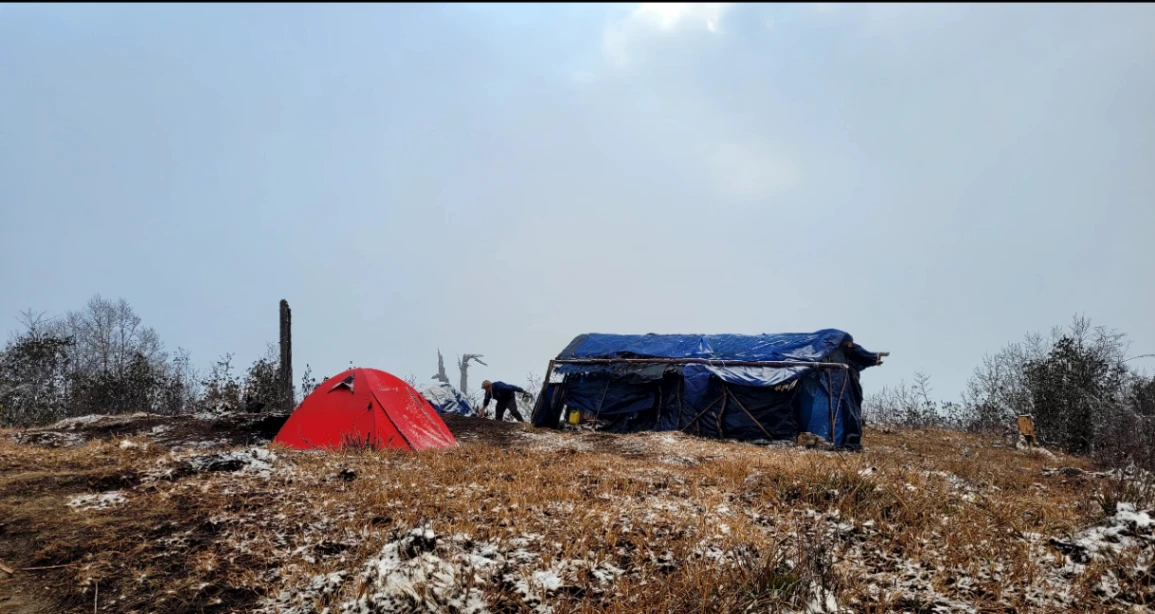
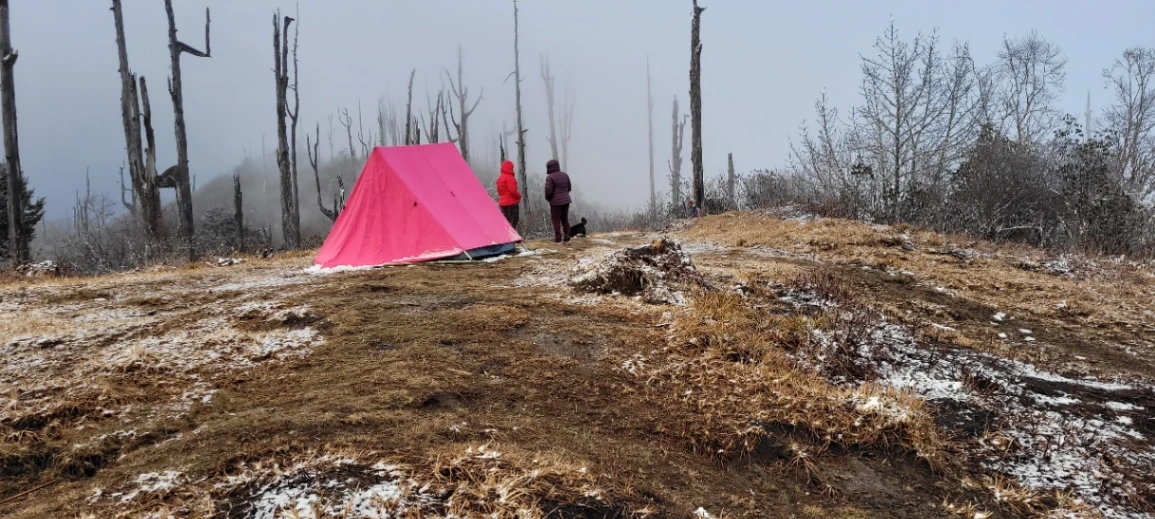
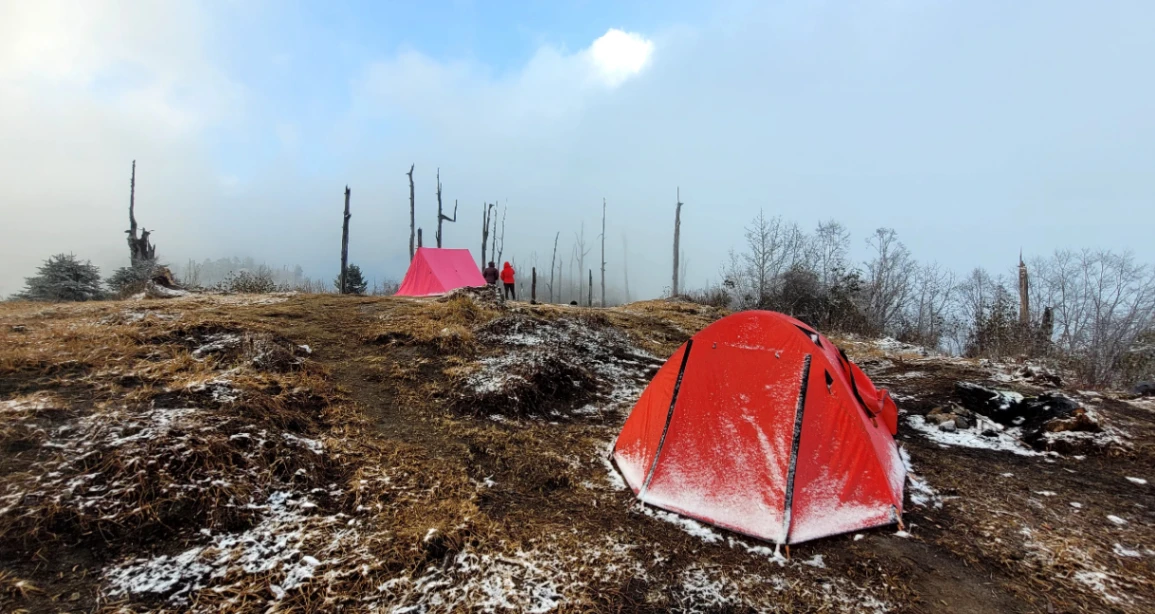
6. Experience of Campsite and Mountain Stay

The trek day is not over until you reach the campsite or accommodation after walking for several hours.

The routine is generally simple:

  • Tired legs rest
  • Clean up
  • Eat
  • Prepare for tomorrow


Travellers should have realistic expectations of mountain accommodation.

A trekking stay is based on location and simple comfort, not luxury facilities. Depending on the package, accommodation may include camping or homestay arrangements.


Most trekkers are not looking for comforts like in hotels; it’s the experience that counts.


7. Photography Opportunities Along the Route

Bajre Dara Trek provides different photography opportunities throughout the route.


Instead of waiting only for a final viewpoint, photographers can capture smaller moments:

Trail Photography

  • Forest paths
  • Walking sections
  • Changing landscapes

Village Photography

  • Mountain houses
  • Local surroundings
  • Traditional lifestyle

Mountain Photography

  • Open sections
  • Clouds moving across ridges
  • Morning light


A useful photography tip:

Keep your camera or phone accessible. Some of the best photographs happen unexpectedly during normal walking hours, not only at planned stops.

Bajre Dara Trek Highlights Summary

Highlight What Travellers Can Expect: Forest Trails Changing Himalayan surroundings and gradual trail experience Mountain Sections: Higher landscapes influenced by weather conditions Village Areas: Opportunity to observe West Sikkim mountain life Morning Walks: Quiet trail conditions and better photography opportunities Camping/Homestay Simple mountain accommodation experience photography Natural landscapes, villages and everyday trekking moments

Bajre Dara Trek Route Overview

Follow the route overview

The general route flow is:

Bagdogra Airport / NJP
↓

Pelling / Yuksom (West Sikkim)
↓
4th Mile (Trek Starting Point)
↓
Bhanjyang Campsite
↓
Bajre Dara Summit/Campsite Area
↓
Lamathang
↓
Khecheopalri Lake Region
↓
Return Journey


4th Mile to Bhanjyang

Distance: 7km

Walking Time: 5 - 6 hours

Trail Character:

  • Forest road
  • Slow uphill stretches
  • Bumpy mountain trails
  • Areas of rhododendron and bamboo vegetation


What Trekkers Should Expect

The first day of trekking is mainly for acclimatization.

The body begins to adjust to:

  • Rucksack
  • Uphill walking
  • Maintaining a constant pace
  • Spending more time outdoors


One common mistake beginners make is to treat the first day like a regular hike.

Mountain trails need better energy management.


One good approach is:

First, walk slow so you have energy later.


Route Section 2: Bhanjyang to Bajre Dara

Distance: 8km

Time to walk: 6-7 hours

The highest point: 3,350


Why is this section important?

This is generally considered to be the main climbing section of the trek.

The trail climbs through forest, and the scenery slowly changes as the altitude increases.


Trekkers may encounter:

  • Cooler weather
  • More open environments
  • Slower walking speed
  • More energy required on climbs

This part requires patience.

The biggest problem is not strength; it's going out too hard and burning energy too early.


Bajre Dara to Lamathung

Distance: 9km

Time to walk:

Approximately 5-6 hours

Trail Character:

  • Long downhills
  • Forest trails
  • Rough ground


What Trekkers Need to Know

Many believe coming down is easier than going up.

Physically, breathing may feel easier. But walking downhill can put pressure on:

  • Knees
  • Ankles
  • Balance and stability


Here is where good footwear and careful walking come in.

Trekking poles can be helpful for many trekkers, especially on longer descents.


Lamathang to Khecheopalri

Distance: 6km

Time to walk: 2.3 hours Approximately

Trail Description:

  • Go down into the forest
  • Village roads
  • Lower altitude environment


What to Expect as a Trekker

This section leads trekkers slowly back into inhabited areas.


After nights in mountain camps, the difference is noticeable:

  • More activities happening in the village
  • Different environments
  • Better communication access


The cultural touch is also added by the final destination of the trek, near Khecheopalri Lake.


Bajre Dara Trek Distance Summary

Section of Route

Distance

Walking Time

Bagdogra/NJP to Pelling/Yuksom

By road 160 km

7-8 hours or so

Pelling/Yuksom to 4th Mile

By road 55 km

Approx. 2.5 hr.

4th Mile to Bhanjyang

by walking 7 km

5-6 hrs

Bhanjyang to Bajre Dara

9 Km

5-7 hours

Bajre Dara to Lamathang

9km

5-6 hrs

Lamathang to Khecheopalri

6k

5-6 hrs

Bajre Dara Trek Difficulty

Is Bajre Dara Trek Perfect for Novice Trekkers?

One of the most important decisions before booking any Himalayan trek is to understand the difficulty level.


This is the question many travellers ask:

Is it possible to do Bajre Dara Trek without any prior experience of trekking in the Himalayas?


It is contingent upon your fitness level, preparation, and comfort with mountain conditions.


Bajre Dara Trek is generally considered a moderate-level Himalayan trek. There is no technical climbing involved, but trekkers should be prepared for constant walking, some uphill sections, uneven trails, changing weather, and simple mountain accommodation.


This route does not require you to be an expert trekker, but a novice should prepare well.


The person who walks regularly and prepares himself before the trek may have a more comfortable trip than the person who arrives with no practice.


The right question isn't


Is the trek difficult or easy?


Do I want to spend several days walking in Himalayan conditions?”


Difficulty Level of the Bajre Dara Trek

Difficulty Factor

Details

Trek Difficulty

Moderate [CHECK WITH ACTUAL TREK DATA]

Required Technical Skills

No tech expected

Walking Time

About 5 to 7 hours on trekking days

Terrain

Forest trails, steep sections, rocky mountain trails

Maximum Altitude

Approx. 3,350

Good For

Prepared beginners and experienced trekkers

Main challenges

Hill walking, altitude, weather, and trail conditions

Note: The level of difficulty can change with the weather, season, trail conditions, and your personal level of fitness.


What is challenging about the Bajre Dara Trek?


1. Hilly Walks and Elevation Gain

For most trekkers, the biggest difficulty is not the distance overall.

It is the continual upward movement.

But distance is not the only measure of difficulty in the mountain. A short climb may take more effort than a long walk on flat ground.


Bajre Dara Trek Expectations from Trekkers:

  • Gradual ascents
  • Uneven terrain
  • Differing walking speeds within a group
  • More breaks to rest


One of the common mistakes that beginners make is they start off the trek too fast because they feel energetic in the first few hours.

A better method is to move at a steady pace from the start.

In Himalayan trekking, it is generally more useful to conserve energy for later sections rather than to try to walk faster than others.


2. Height Considerations

Bajre Dara is about 3,350 metres


Some travellers may find that their body requires longer to acclimatize at this altitude.


Possible changes might be:

  • Climbing and getting tired quicker
  • Need for more rest breaks
  • Feeling a little different compared to lower areas

Everyone reacts to altitude differently.


Good trekking habits are:

  • Slowly walking
  • Drinking plenty of water
  • Eating well
  • Informing the guide if you are feeling uncomfortable

If the rest of the group seems comfortable, don’t dismiss an unusual feeling of discomfort.


3. Weather and Trail Conditions

One of the things that is different about Himalayan trekking than regular hiking is the mountainous environment.


Conditions can change over the course of the day.


It might be sunny in the morning, but it could turn cloudy or windy later.


Trekkers should be prepared for:

  • Cool mornings
  • Changes in temperature after sunset
  • Possible rain conditions
  • Wet or slick trails


A frequent packing error is keeping rain protection inside the main backpack where it is not readily accessible.

Items such as:

  • Raincoat
  • Backpack cover
  • Warm layer

should always be at hand.


Is Bajre Dara Trek Good for Beginners?

For those who are reasonably fit and prepare well before the trip, Bajre Dara Trek might be an option for beginners.


Some experience of trekking is helpful, but not the only factor.


A novice should be familiar with:

  • Walking for hours every day
  • Uphill climbing sections
  • Camping in basic mountain accommodation
  • Adapting to changing weather


Regular practice of walking before the trek can make a huge difference.

Simple preparation activities:

  • A daily walk
  • Stair climbing
  • Light strength training
  • Long weekend walks

The aim is not to be an athlete.

The idea is to get your body used to moving all the time.


Top Mistakes to Avoid on Bajre Dara Trek


1. Not wearing proper shoes

Many travellers spend a lot of time choosing backpacks and jackets, but underestimate shoes.

Uncomfortable footwear can impact the whole trek.

Before departure:

  • Break in your shoes.
  • Walk with them.
  • On your first day of trekking, don’t wear brand new shoes.


2. Too much stuff in your backpack

The weight of a heavy backpack really begins to tell on the climbs.

Take what you need and no more.

The extra weight may not seem like much at first but gets tiresome after a few hours.


3. Benchmark Your Speed Against Others

Every trekker has his own way of walking.

Some people climb fast and tire later.

Others move more slowly all day.

It isn't a competition.

A nice, steady pace usually makes for a better trekking experience.


Who is Bajre Dara Trek for?

This trek may be good for travellers who:

✓ Love trekking in a mountain environment
✓ Want to explore West Sikkim beyond the road sightseeing
✓ Can physically prepare before travelling
✓ Are convinced about the basic trekking facilities
✓ Want moderate Himalayan trekking experience


Who Should Think Twice About Booking

Bajre Dara Trek isn't for travellers who are looking for:

  • Luxury accommodation
  • Sightseeing only by vehicle
  • Very short walking days
  • Weather certainty

Mountain travel necessitates flexibility.

It is best to know this before you book to avoid disappointment.


Difficulty of Bajre Dara Trek versus Other Sikkim Treks

Trek

General Difficulty

Guide Key Aspects

Bajre Dara Trek

Moderate

Hiking time, elevation gain, trail conditions

Dzongri Trek

Moderate to Difficult

Elevation and longer mountain ranges

Goechala Trek

Moderate

More altitude, more time

Note: Difficulty ratings are general references. Real difficulty depends on season, weather, route planning, and individual fitness.


Bajre Dara Trek: Things to Know Before Booking

A good trek experience starts before you even reach the mountains.

Before you book:


Test Your Fitness

Ask yourself this:

Can I walk for many hours?
Can I cope with the ups?
Am I comfortable with outdoor conditions?


Equip Yourself

Items of importance are:

  • Comfortable walking shoes
  • Warm clothes
  • Rain guard
  • Personal medicines


Set Realistic Expectations

A Himalayan trek is much more than a holiday.

What you can expect:

  • Basic accommodation
  • Weather changes
  • Physical activity
  • Facilities are limited in remote areas


Summary of Final Difficulty

Bajre Dara Trek is a moderate Himalayan trekking route that requires preparation but not necessarily advanced trekking skills.


The main difficulty comes from:

  • Walking continuously
  • Uphill stretches
  • Altitude
  • Weather conditions


With proper preparation, right gear, and a steady approach, travellers can plan the trek with more confidence.

The most important thing to prepare is simple:


Train your body, know the conditions, respect the mountains.

BAJRE DARA TREK BEST TIME TO VISIT


Bajre Dara Trek Season Guide: Best Time to Go, Weather, Temperature, Trail Conditions & Planning Tips

The right month for the Bajre Dara Trek can make a big difference to your trekking experience.

Travellers usually want to know before booking:


Which is the best month to trek Bajre Dara?
Will I see mountains well?
How cold is it going to be?
Are the trail conditions going to be comfortable?


It depends on what sort of trekking experience you are after.


Some travellers like to see more and prefer better weather. Others prefer greener woods and quieter trails.

Weather in the Himalayas can change very fast. Weather, elevation, and trail conditions can change even in the same month.


Before you finalize your trek dates, it is recommended to check:

  • Current weather
  • Status of trail
  • Local advice
  • Trek operator news


Summary: Best Season for Bajre Dara Trek

Season

Months

Characteristics

Spring

March – May

Greenery, moderate temperatures, and pleasant walking conditions

Monsoon

June – September

Possible increased rainfall, wet trails, and changing visibility

Autumn

October – November

Generally better visibility, good trekking conditions, and cooler weather

Winter

December – February

Cold conditions and potentially difficult weather on higher sections


Spring Season (March – May)

Comfortable Trekking Period

Spring is a favourite time of year for many Himalayan trekkers.

Usually, the weather calms down after the cold winter during these months.


What Travellers can expect:

  • Green forest environment
  • Daytime temperatures are pleasant
  • Fresh air in the mountains
  • Good walking conditions


The lower sections of the route can be greener during this period.


Temperature & Conditions

Approximate temperature range:

Time

Expected Condition

Daytime

Comfortable walking conditions

Morning/Evening

Requires warmer, cooler layers

Higher Camps

Possible colder weather and trail conditions


Spring trails are usually easier than monsoon season trails, but do not underestimate mountain conditions.

Mornings still feel cold, especially at camp.


A common mistake is to only bring lightweight summer clothing as walking during the day feels warm.

Always have a warm layer handy.


June to September: Monsoon Season

What Changes in Monsoon?

Monsoon alters the character of Sikkim trekking.

The forests get greener, but rain can bring other difficulties.


Possible conditions are:

  • Wet tracks
  • Slippery portions
  • Cloudy weather
  • Low visibility
  • Routes depending on local conditions


Why Choose Monsoon for Bajre Dara Trek?

Monsoon trekking is a matter of personal comfort and trail conditions at the moment.

It could be a good fit for travellers who:

✓ Don’t mind changing weather.
✓ Have sufficient rain gear
✓ Are flexible with travel plans


It might be less suitable for:

  • Novice trekkers who do not like unpredictable conditions
  • Tourists looking for guaranteed mountain views


Tips for Monsoon Preparation

When it rains, carry:

  • Waterproof jacket
  • Rain cover for backpack
  • Quick-drying clothes
  • Good traction shoes

Many trekkers don't realize how exhausting a wet trail can be after several hours.


Fall Season (October – November)


Best Time for Trekking in the Himalayas

Autumn is one of the best times to trek in the Himalayas as the weather conditions tend to settle down after the monsoon.

Travellers might experience:

  • Cold weather
  • More opportunities for clear visibility
  • Ease of walking
  • A clearer mountain environment


Conditions & Temperature

Temperature range approx.:

Time

Expected Condition

Daytime

Good for normal layers while walking

Evening Camps

Temperature drops after sunset; warm clothes are needed


Why This Period Is Popular With Many Photographers


With better conditions, there are more opportunities for landscape photography.

But mountain views are always weather-dependent.

A clear forecast does not mean clear skies throughout the day.


Autumn Trekking Tips

Many travellers only concentrate on daytime temperatures.

The colder period is generally experienced during:

  • Early morning
  • After sunset
  • Higher camps

Make sure you have jackets and warm layers.


Winter Season (December to February)


Cold Weather Trekking Conditions

In winter, West Sikkim is cooler.

What travellers should expect:

  • Cold mornings
  • Cooler temperatures
  • Depending on conditions, sections may have snow or ice
  • Shorter days


Is Winter Bajre Dara Trek Worth Trekking?

Winter trekking depends on:

  • Today’s weather
  • Snow conditions
  • Trail access
  • Local regulations

Check the trail conditions before heading out on a winter hike.


Getting Ready for Winter

Things that might be important:

  • Thermal layers
  • Warm gloves
  • Good clothing insulation
  • Adequate sleeping facilities

Cold weather needs more preparation than warmer months.


Bajre Dara Trek Temperature Chart

Approximate information only – consult local trek data.

Season

Day Temperature

Night Temperature

Spring (Mar–May)

[VERIFY]

[VERIFY]

Monsoon (Jun–Sep)

[VERIFY]

[VERIFY]

Autumn (Oct–Nov)

[VERIFY]

[VERIFY]

Winter (Dec–Feb)

[VERIFY]

[VERIFY]


Crowd Expectations on Bajre Dara Trek

Bajre Dara Trek is generally planned as an offbeat trekking route, but the number of travellers depends on factors such as:

  • Season
  • Weather
  • Trek dates
  • Group bookings

Popular dates may see more movement during peak trekking times.

The off-season may seem quieter, but it is usually more flexible due to less predictable weather.


Best Month for Bajre Dara Trek: Which Month?

The best month really depends on your priority.


If You Want to Choose Spring:

  • Comfortable walking temperatures
  • Green environment
  • Good conditions for trekking


Choose Autumn If You Prefer:

  • Cold weather
  • More chances of clear views
  • Good conditions for photography


Choose Monsoon When:

  • You are prepared for wet weather
  • You have flexible plans
  • You accept changing weather conditions


Choose Winter If:

  • You are ready for cooler weather
  • You understand the challenges of mountain conditions


Things to Know Before You Book Bajre Dara Trek

Before you finalize your trekking dates:

✓ Check trail conditions
✓ See the forecast
✓ Prepare according to the season
✓ Understand the variations of mountain travel


The same route can be a very different experience depending on which month you visit.

If you are not sure about the right season for Bajre Dara Trek, please discuss your travel dates with the trekking team before booking.

Bajre Dara Trek Cost Inclusion and Exclusion


Bajre Dara Trek Cost, Package Inclusions and Things to Check Before Booking

One of the first questions travellers ask before confirming a Himalayan trek is:


How much does Bajre Dara Trek cost?

The answer depends on several factors.


Unlike a fixed sightseeing tour, trekking costs change depending on:


Factor

Number of trekking days

Group size

Transportation requirement

Accommodation type

Food arrangements

Guide and support team

Season of travel

Services included in the package


A lower package price does not always mean a better deal. You need to know what services are included before you compare prices.

A good trekking package should clearly mention what you are paying for and what are the other expenses that you need to take care of separately.


What is included in the Bajre Dara Trek package

Inclusions will depend on the trekking operator and package selected.


A typical Bajre Dara Trek package might include:

Service

Details

Trek Guide Service

Professional Gude

Transportation

Arrival/departure transfer information

Accommodation

Hotel, homestay and camping arrangements as per itinerary

Meals

Breakfast, lunch and dinner on trek

Trek Support Team

Professional Guide, Cook, Porter mule etc

Camping Gear

Tent, Sleeping Bags, Carry Mat

Help with Planning

Trek route briefing and tips on preparation


Guide & Trek Help

A good trekking guide is not just a person to show the way.


Here’s a guide to:

  • Trail Conditions
  • Keeping up with the group
  • Dealing with the unexpected
  • Weather changes are decision-making times
  • Support for beginners


Proper guidance can make the journey comfortable for first-time Himalayan trekkers.


Ask before you book:

  • Who will lead the trek?
  • Does the guide know the local route?
  • How large will the trekking group be?


Bajre Dara Trek Package Usually Does Not Include

Travellers should also understand what is normally excluded.


Common exclusions may include:

Exclusion

Details

Personal Expenses

Snacks, shopping and personal requirements

Travel Insurance

Personal insurance coverage

Personal Trekking Gear

Shoes, jackets, backpacks and personal equipment

Extra Accommodation

Additional hotel stays outside itinerary

Emergency Expenses

Unplanned costs due to personal or weather situations

Additional Transport

Travel outside the agreed package


Why Bajre Dara Trek Cost Changes Between Operators

Many travellers compare only the final price.


However, two packages with different prices may not provide the same service.


1. Group Size

A group departure and a private trek may have different costs.

Private groups usually require more customised arrangements.


2. Accommodation Standard

Mountain accommodation varies depending on location.

A package using:

  • Homestays
  • Camping
  • Hotels before/after trek

may have different pricing.


3. Transport Requirements

For travellers passing through Bagdogra Airport or NJP, transportation can be a big chunk of the total costs.


Final price is determined by:

Factor

Type of Car

Passenger volumes

Pick-up/Drop-off locations


4. Duration of the Trekking in

Operating costs are subject to seasonal variations.

The following might be more in demand during the peak trekking times:

  • Accommodation
  • Tavel
  • Local support services


What is included in the package?

A clear inclusion list prevents confusion later.

What type of accommodation will be provided?

Ask whether stays are:

  • Camping
  • Homestay
  • Hotel


What meals are included?

The review says:

  • Daily Meals
  • Food arrangements :
  • Other food options


Who will lead the trek?

Ask about:

  • Guide details
  • Support staff
  • Emergency planning


What happens if weather affects the trek?

Mountain conditions can change.

A responsible operator should explain the possible solutions.


How to Get the Right Bajre Dara Trek Package

The cheapest option is not always the most suitable option.

When comparing packages, think about:

✓ Safety provisions ✓ Trekking team experience ✓ Itinerary is clear ✓ frank inclusions ✓ Pre-booking correspondence

A well-explained package will help you understand exactly what to expect before you arrive in Sikkim.


Last Booking Note

Share for latest Bajre Dara Trek cost, availability and departure dates:

  • Highest travel month
  • Number of travelers
  • Starting point
  • Any special needs?

Then the trekking team can suggest you the most suitable package as per your plan.

BAJRE DARA TREK PACKING LIST


What to Carry for Bajre Dara Trek Sikkim

Packing correctly can make a big difference during a Himalayan trek.

Many first-time trekkers either carry too much or forget small items that become important later.

The goal is not to pack everything you own.

The goal is to carry what you actually need.

Your backpack should be comfortable enough to carry for several hours every day.


Essential Clothing

Mountain weather can change quickly, so layering is important.

Suggested Attire:

Item

Purpose

Quick dry T-shirts

Safe to walk in daylight hours

Trekking pants

Movement on the trail

Fleece / coat

Warm for cold mornings and nights

Cold Weather Thermal Wear

Protection during cold conditions

Rain jacket

Protection from unexpected rain

Extra socks

To keep feet dry and comfy

Cap and gloves

Protection against cold conditions


Trekking Shoes & Footwear

Footwear is one of the most important items for any Himalayan trek.


Select:

✓ Comfortable sports shoes
✓ Good sole grip
✓ Shoes tested in advance of the trek


A common beginner mistake is buying new shoes just before departure.

New shoes may create:

  • Blisters
  • Foot pain
  • Discomfort during long walking days

Always walk with your shoes before the actual trek.


Travel & Backpack Bags

Items you might like:

  • Comfortable hiking backpack
  • Protection from rain
  • Small daypack (if needed)
  • Dry bags for electronics and clothing protection

Avoid carrying unnecessary items.

Every extra kilogram feels heavier during uphill sections.


Individual Medical Kit

Carry basic personal medicines and essentials.

Recommended:

  • Personal Prescription Drugs
  • Essentials, First aid kit
  • Pain medication as needed
  • Gauze
  • Personal Care Product

If you have any medical conditions, see a medical professional before you plan your Himalayan trek.


Electronics & Personal Items

Useful things:

  • Cell phone
  • Powerbank
  • Camera Lenses
  • Extra batteries
  • Headlamp / flashlight
  • Charging wires

In some mountain regions there may be no electricity, so a power bank is a sensible thing to have.


Documents and Important Items

Carry:

  • Government ID
  • Travel documents
  • Emergency contact details
  • Required permits/documents [VERIFY]

Keep important documents protected from rain.


Bajre Dara Trek Packing Mistakes to Avoid

Carrying Too Much Clothing

Many travellers pack for every possible situation.

A better method is:

  • Add some practical layers
  • Select light-weight items
  • Don't put weight on


Rain Protection Was Ignored

Weather can turn in the mountains even if it looks clear in the forecast.

Keep rain protection accessible.


Not Testing Equipment

Before travelling:

  • Check your shoes
  • Test your backpack
  • Charge electronics
  • Organise your gear

Small preparation before departure prevents unnecessary problems during the trek.


Bajre Dara Trek Packing Checklist

Category

Items

Clothing

T-shirts, trek pants, jacket, thermal wear

Footwear

Trekking shoes, socks

Protection

Rain jacket, backpack cover

Electronics

Phone, power bank, torch

Health

Medicines, personal medical items

Documents

ID, permits and travel documents

Personal

Toiletries and daily essentials

FOOD AND ACCOMMODATION EXPERIENCE DURING BAJRE DARA TREK


What Should You Expect From Food, Camping and Stay?


Many travellers planning their first Himalayan trek have similar questions:

  • Where will we sleep?
  • What kind of food will be available?
  • Will it be like a hotel with facilities?


Knowing these things ahead of time will help you get mentally and physically prepared.

A trekking experience in the Himalayas is not a normal holiday. The focus is on safety, comfort and managing the journey according to mountain conditions.

Accommodation and Food arrangements will depend upon the package selected, season, weather and local availability.


Bajre Dara Trek Accommodation

Accommodation during the trek can be:

Accommodation Type

Details

Camping

Staying in tents during the trek

Homestay

Local stay experience with basic amenities

Local accommodation

Simple mountain accommodation

Mountain stays are typically basic and functional.


What Travelers Need to Know

  • Simple sleeping quarters
  • Fewer amenities than hotels
  • In some places there are communal areas
  • Comfortability depends on weather


Accommodation for trekking should be a secure place to relax after walking, recharge your batteries and get ready for the next day.

Beginner trekkers often make the mistake of comparing mountain camps with city hotels.


A trek stay is about experiencing the mountains while maintaining necessary comfort, not about luxury facilities.


Food During Bajre Dara Trek

Food plays an important role because trekking requires continuous energy.

Meals on the trek typically include:

  • Easy-to-prepare food
  • Good nutrition
  • Enough energy to walk

Depending on the package, meals can include:

Meal Time

Food Arrangement

Morning

Breakfast before starting the hike

Walking Time

Packed lunch during the trek

Evening

Supper when you reach camp


What Kind of Food Can You Expect?

Meals on mountain treks are usually simple, not fancy.

There will be practical food options for travellers to keep their energy up on long walking days.

It is recommended that you tell the trekking team before you leave about:

  • Food allergies
  • Eating restrictions
  • Medical requirements


Water & Personal Needs

During Himalayan trekking, it is important to stay hydrated.

Travellers should take:

  • Refillable water bottle
  • Individual hydration needs
  • Water purification option if recommended


Practical Advice for the Trek

There are a few simple habits that make mountain stays easier:

✓ Bring a small personal hygiene kit
✓ Have warm clothes ready at hand
✓ Bring a light sleeping bag liner if required
✓ Set realistic expectations

The best trekking experiences are generally when travellers realize that mountain life is simpler, slower and different from regular travel.

SAFETY AND TREK PREPARATION GUIDE


How to Prepare for Bajre Dara Trek Sikkim Safely

A Himalayan trek becomes more enjoyable when you prepare before reaching the mountains.


Many first-time trekkers think safety means only carrying a first-aid kit. Yes, safe trekking is the result of many small decisions:


Preparation Area

Importance

Choosing the right pace

Helps manage energy during the trek

Having the right equipment

Supports comfort and safety

Knowledge of weather conditions

Helps prepare for mountain changes

Paying attention to your body

Helps identify difficulties early

Following the manual instructions

Helps maintain safety procedures


The Bajre Dara Trek is a mountain trip and conditions can change depending on altitude, season and weather.

Proper preparation helps reduce unnecessary difficulties and allows you to focus on the experience.


Physical Preparation Before the Bajre Dara Trek

You do not need professional trekking experience to prepare for the Bajre Dara Trek, but basic fitness is important.


The trek involves:

  • Several hours of walking
  • Uphill sections
  • Uneven mountain trails
  • Carrying personal belongings


A good preparation routine before the trek may include:

  • Regular walking
  • Stair climbing
  • Light strength exercises
  • Longer walks on weekends


The goal is not to become extremely fit in a short time.


The goal is to make your body comfortable with continuous walking.


A common beginner mistake is starting preparation only a few days before departure.

Mountain walking uses your legs, breathing and stamina differently compared to normal daily activities.


Altitude Awareness During the Trek

Bajre Dara Trek reaches approximately:

3,350–3,400 metres


At higher elevations, some trekkers may feel changes because the body is adjusting to altitude.


Possible signs include:

  • Feeling tired earlier
  • Needing more breaks
  • Head discomfort
  • Reduced appetite


Not everyone experiences these issues, but every trekker should respect altitude.


Useful habits:

✓ Walk at your own pace.
✓ Hydrate enough
✓ Avoid rushed climbs
✓ Tell your guide if you are uncomfortable.


Do not mask your discomfort from your trekking group.

Early communication helps the guide make better decisions.


Weather Preparation

Mountain weather can change quickly.

A clear morning does not always mean the entire day will remain clear.


Trekkers should be prepared for:

  • Temperature changes
  • Cold mornings
  • Rain possibility
  • Windy conditions at exposed sections


Important items:

  • Waterproof jacket
  • Backpack rain cover
  • Warm layers
  • Extra socks


A simple habit helps:

Keep weather protection inside an easily accessible part of your bag.

Do not wait until rain starts to search for your rain jacket.


Trekking Equipment Safety

Good equipment does not need to be expensive, but it should be suitable.

Important items are:


Hiking Boots

Your shoes must:

  • have a good grip
  • feel at ease
  • get tested before the trek

Avoid wearing completely new shoes on the first trekking day.


Backpack

Your backpack should be comfortable and not unnecessarily heavy.

Extra weight becomes more noticeable during uphill sections.


Walking Support

Some trekkers find trekking poles useful, especially during:

  • Descents
  • Uneven trails
  • Longer walking days


Food, Water and Health Preparation

Maintaining energy is important during trekking.


Remember:

  • Eat well even if you have no appetite
  • Have enough water to drink
  • Bring personal medicines
  • Advise trekking team on medical requirements


Before you go, bring:

  • Individual prescription drugs
  • Basic personal medical supplies
  • Emergency contact information


Group & Guide Safety

A local trekking guide plays an important role in a Himalayan trek.


The guide helps with:

  • Route selection
  • Awareness of weather
  • Managing the pace of the group
  • Trail knowledge


Trekkers must follow instructions, particularly during:

  • Tough trail sections
  • Weather changes
  • Areas of higher altitude

A trek is not a race.

The safest thing is to go as a group and help each other out.


Emergency Planning

Know before you hit the trail:

Emergency Planning Area

Emergency Contact Procedure

Facilities available for support

Availability of communication

Changes in the weather

Mountain areas often have limited connectivity, and preparation and planning are key.


Safety Precautions for Bajre Dara Trek


Before you go:

✓ Check the weather updates
✓ Check trek route details
✓ Examine your footwear
✓ Find the clothes you need
✓ Bring personal medication
✓ Inform your family about your travel plan
✓ Follow the guide instructions


Final Advice on Preparation

A successful trek in the Himalayas is not only about the destination.

It’s about the decisions you make along the way.

Get your body ready, find the right equipment and have realistic expectations about mountain conditions.

Trekkers who come prepared are more likely to enjoy the trail and feel confident when dealing with unexpected situations.

Bajre Dara Trek Photography Guide


Best Photography Opportunities During Bajre Dara Trek Sikkim

Bajre Dara Trek offers many opportunities for travellers who enjoy mountain photography. However, the best photographs usually depend on weather conditions, timing, and patience.

Instead of expecting clear views throughout the day, trekkers should be prepared to capture different moments during the journey.


Best Photography Locations

1. Forest Trails

The first sections of the trek are good for photography:


Photography Opportunities

Vegetation of bamboo and rhododendron

Woodland trails

Light filtered through the trees

Atmosphere of mountain trail


For forest photography, soft light is generally good in the morning hours.


2. Bajre Dara Viewpoint Area

The higher sections around Bajre Dara are important photography locations.

On clear mornings, trekkers may get opportunities to capture:

  • Himalayan ridges
  • Sunrise colours
  • Wide mountain landscapes

Mountain visibility depends completely on weather conditions.


3. Villages and Local Life

The route towards Khecheopalri provides opportunities to photograph:

Photography Opportunities

Local settlements

Traditional surroundings

Rural mountain lifestyle


Always ask permission before photographing local people.


Photography Tips for Trekkers

Carry:

  • Extra batteries or power bank
  • Weather protection for camera equipment
  • Lightweight camera gear


A common mistake is carrying heavy equipment and then avoiding photography because the backpack becomes uncomfortable.

A mobile phone or lightweight camera is sufficient for most trekkers to document the journey.

Often the best photos are taken when you slow down, look around, and capture real moments on the trail.

Bajre Dara Trek vs Goechala and Dzongri Trek


The selection of Sikkim trek depends upon your fitness level, your available time and what kind of mountain experience you are looking for.

Bajre Dara Trek, Goechala Trek and Dzongri Trek are different in terms of altitude, walking demands and overall trekking style.


The comparison below gives a general idea.

Trek

Bajre Dara Trek

Dzongri Trek

Goechala Trek

Region

West Sikkim

West Sikkim

West Sikkim

Difficulty

Moderate

Moderate to Difficult

Difficult

Duration

Around 6 Days including travel

Usually longer

Usually longer

Main Feature

Forest trails, mountain camps, and quieter route

High-altitude trekking and mountain viewpoints

High-altitude Himalayan expedition experience

Suitable for

Prepared beginners and moderate trekkers

Trekkers with better fitness

Experienced trekkers

Bajre Dara Trek

Bajre Dara is suitable for travellers who want a shorter Himalayan trekking experience with forest walking, camping and mountain surroundings.

It can be a good choice for those who want to explore West Sikkim without committing to a very demanding high-altitude trek.


Dzongri Trek

Dzongri Trek is known for higher-altitude walking and longer mountain sections.

Trekkers should be prepared for more demanding conditions and stronger physical requirements.


Goechala Trek

Goechala is one of the more challenging trekking routes in Sikkim.

It involves longer walking days, higher altitude and greater preparation.


Which Trek Should You Choose?

If you like Bajre Dara:

  • A little bit of trekking but not hard.
  • Shorter travel
  • Forest and village tracks


If you want to choose Dzongri or Goechala:

  • Trekking at high altitude
  • Long trails in Himalaya
  • Tougher mountain conditions

The best trek is one that is best suited to your preparation and expectation and comfort level with the conditions of the Himalayas.

PRACTICAL BAJRE DARA TREK EXPERIENCE GUIDE


Things to Know Before Starting the Trek

A Himalayan trek is not only about reaching the final destination. The experience depends on how well you prepare, how you manage your energy, and how you adapt to mountain conditions.


Before starting the Bajre Dara Trek, travellers should understand that daily routines in the mountains are different from normal travel routines.


Trekking starts early in the mornings depending upon weather and trail conditions. After breakfast, trekkers pack up, check the essentials and start off at a leisurely pace.


Speed is not the most important thing on the trail. Steady rhythm conserves energy for longer stretches.


Many beginners make the mistake of trying to walk quickly on the first day. A slower pace with regular breaks usually makes the trek more comfortable.


Weather can also change the experience. The sunny trail can become overcast or windy in a short time, so it’s good to carry rain protection and warm layers.


Camp is simple, intended for rest and recovery, not luxury, so trekkers should expect this.

A good lesson for any Himalayan trek is


It’s not so much speed as readiness.

Carry the right equipment, respect the mountain environment, and listen to your body.

Loading...

Loading Trip Itinerary...

Frequently Asked Question :

Loading...

Loading Trip Itinerary...

Loading...

Loading...