Chadar Trek Ladakh – Frozen Zanskar River Trek
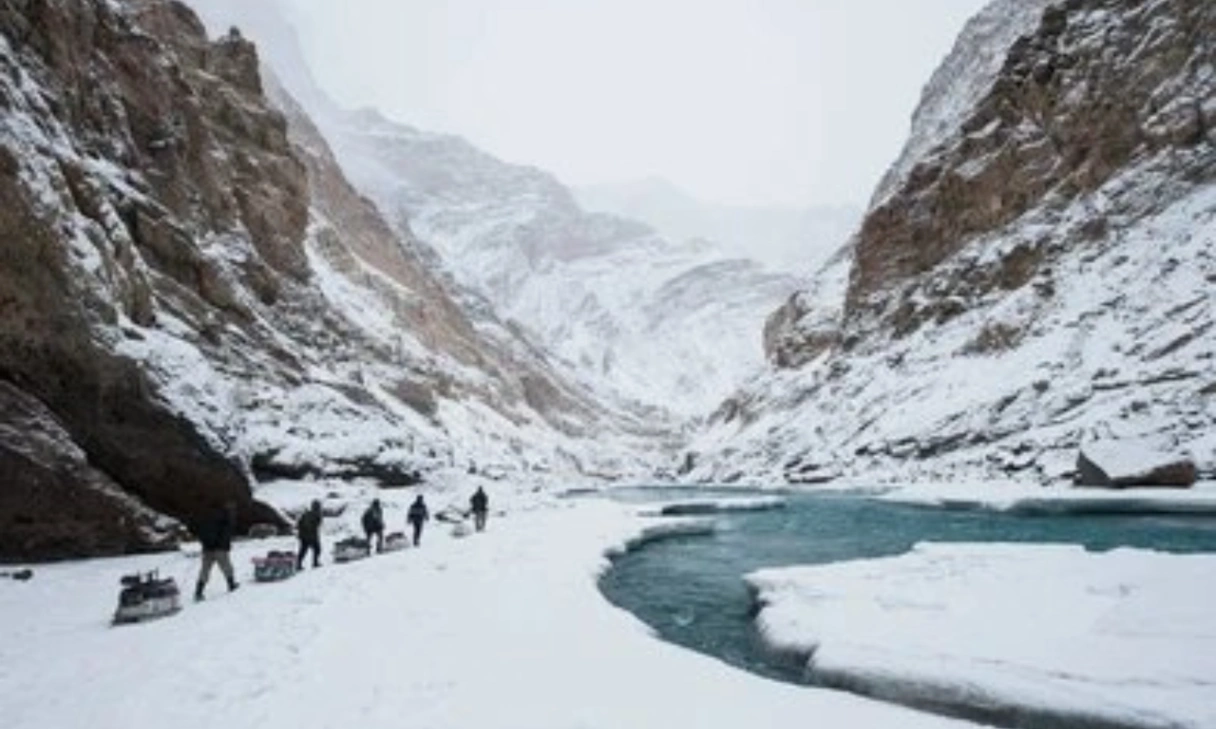
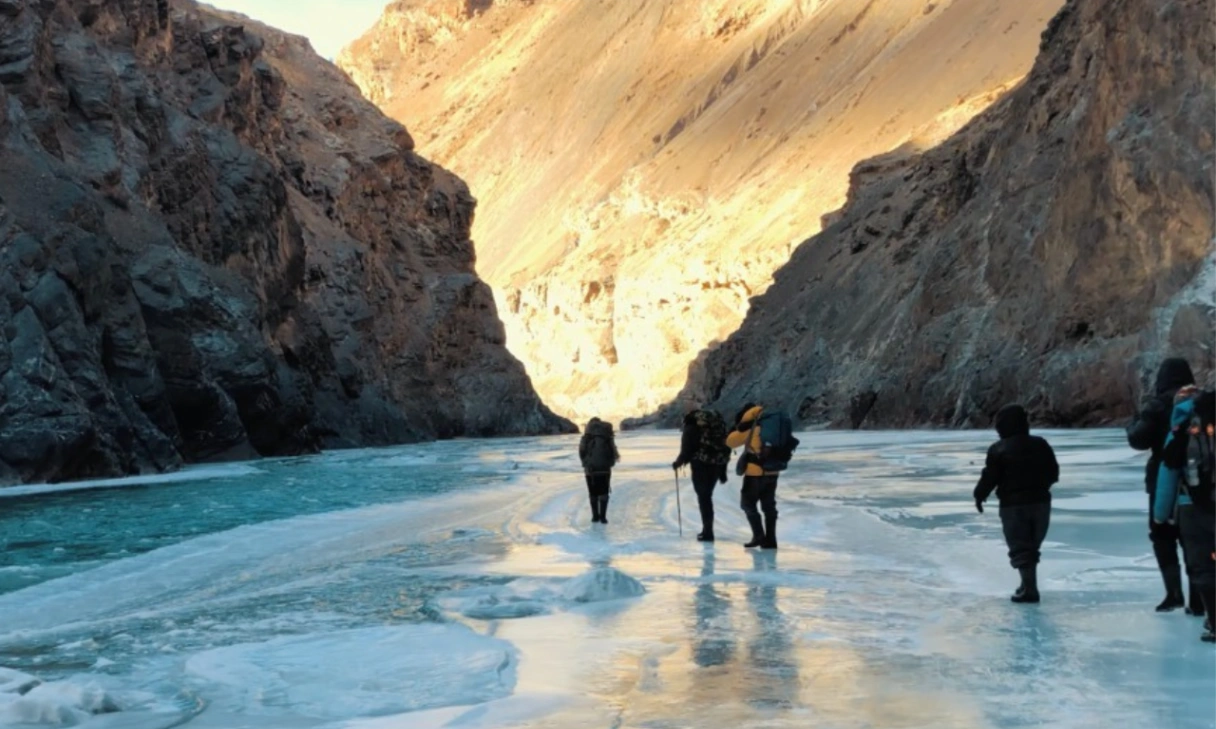
Chadar Trek is a challenging winter trek through the Zanskar Gorge, where trekkers traverse the frozen Zanskar Riverbed between towering rock faces. The ground surface is not just white ice; it also includes glassy areas, snowbanks along the rivers, broken ice blocks, and small lanes by the rivers.
It's not a half-day break for snow. The difficulties are frigid weather, limited sunshine, rough terrain, high altitude, and living in primitive camps during Ladakh's winter. It is important that they are properly acclimatized, dressed appropriately, medically cleared, and supportive of the local community.
The proposed package offers a 9-day Chadar trek that departs from and returns to Leh. It covers acclimatization, medical and permit procedures, pickup from the trek starting point, supported camping, and return to Leh. The exact river section, turnaround point, and distance to be covered can vary due to ice formation, road construction, government directives, and safety assessments conducted just before departure.
Important Chadar Trek Status Update
The Chadar Trek was suspended during the 2026 season because the Zanskar River did not provide a continuous, safe ice sheet, and all future trips will be subject to further inspection and written permission from the Ladakh government.
An inquiry and/or provisional registration does not imply that the route is officially open. It is advised that travelers do not book non-refundable flights until they receive a written update from the trek organizer confirming that the trek is operational. The route could be shortened, altered, or closed should ice and weather conditions become unsafe, even if approved.
Glacier Treks & Adventure will not confirm departure dates until we receive notification from the local operating team and authorities.
Here are some quick facts about Chadar Trek:
- Region: Zanskar, Ladakh
- Starting-point: Leh End point: Leh
- Accommodation: 8 Nights/9 Days
- Trekking grade: difficult
- On the longer side of things, the trek distance is about 50-55 km, according to the approved route.
- The altitude of Leh is around 3500 meters.
- The typical river-camp altitude is around 3200-3400 meters.
- Safe ice formation (best operating period): usually January to February
- Accommodation: Hotel/Guesthouse in Leh and tents on the trek.
- The cost is what you'll pay per person for this trip.
- Practical experience: Previous multi-day trekking is highly desirable.
In addition to the above, the following are mandatory: Acclimatization, medical clearance, permits, and appropriate high-altitude trekking insurance.
Departure: 10:15 am
Until inspected, distances, campsites, and the turnaround point may change. The authorities will not guarantee traditional sites such as Nerak and Tibb Cave if they approve only a short section.
What is Chadar Trek?
The word chadar means a sheet or covering. During the cold winter, it is frozen in certain areas of the river valley, forming a white blanket in the narrow canyon. This surface was created with the intention of providing a winter track for the people of the Zanskar area and previously was named an adventure trek.
It is not the road that becomes icy in the river. Under and around the ice there is water, and the surface is different in each part. The trekkers are able to cross snow-covered ice in one and a rocky bank in another, and in a third area, they cross open water with care. Even what can be used in the morning might not be usable after the sun comes out, depending on the temperature and water flow.
The journey is extraordinary and serious because of the ever-changing topography. The route is not marked, and it would be difficult to use without local knowledge. They will need to follow the route decided upon by the leader when he/she does the ice check.
The trip is also a unique opportunity to visit Ladakh in winter. The canyon is quieter than summer hiking spots; the sun briefly shines on the river; and the waterfalls on the cliffs are frozen. The experience has no movement, is cold, and contains footsteps on different types of ice.
Why the Chadar Trek Is Different and special
Most of the treks in the Himalayas are on ground paths, forest paths, snowy paths, moraines, or mountain passes. Chadar is an animate river. It develops during the winter and seems to vanish when the weather warms up.
It's not solely the cold pavement. There's another way to walk for trekkers. Short, controlled steps are more likely to be stable than long strides. The body is slightly relaxed; trekking poles are used for stability and not speed. Local guides may walk slowly and carefully, which can help to prevent slips.
The other difference is the cold. Thermogenesis is a constant requirement of the body, both day and night. There are things that are simple to do in the summer, such as changing socks, opening a bottle, getting into a sleeping bag, and attending to the toilet, but these things need to be planned during the winter.
The third disparity is uncertainty. The confirmed itinerary is an operating plan, not a guarantee that we will visit all the campsites and attractions named. A fixed schedule will ALWAYS be beaten by SAFE ice, ROUTE access, and GOVERNMENT permission.
The circumstances make for an exciting trek for the right hiker. Chadar is not about reaching the top of a mountain; it's about learning to be patient, disciplined, and respectful in a remote environment.
Main Highlights of the Journey
Walking on the Frozen Zanskar River
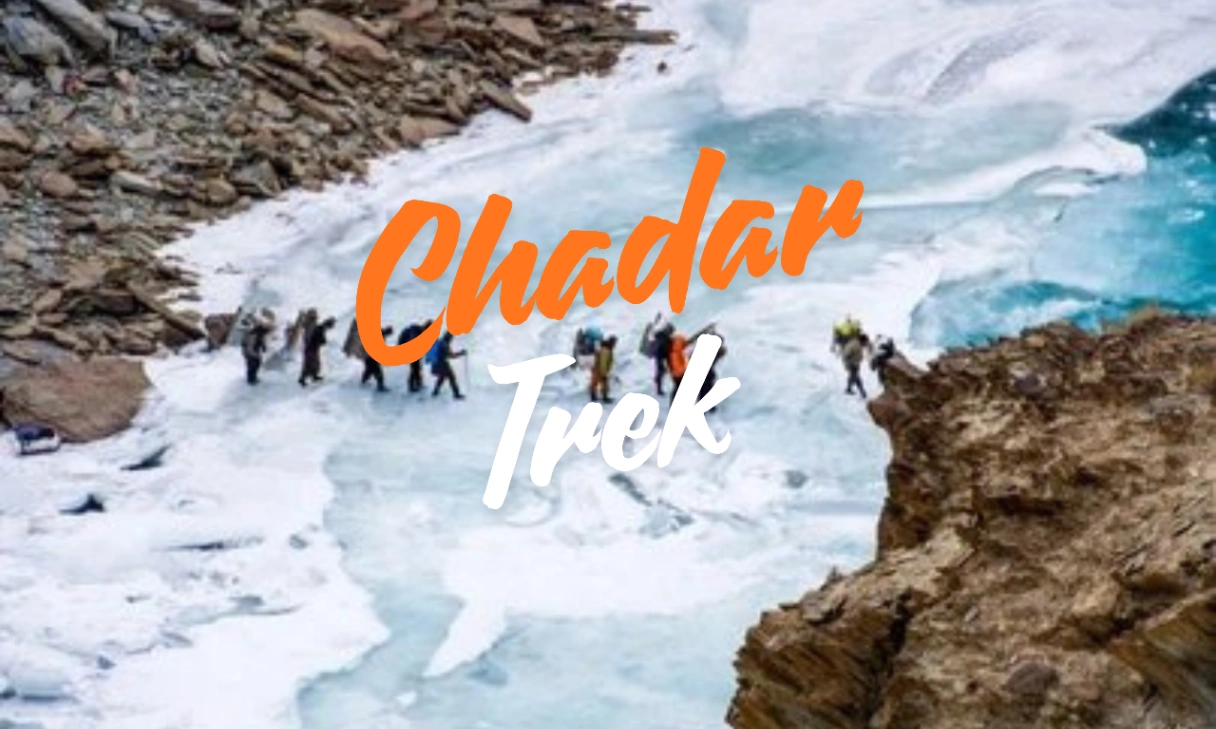
The end goal is learning to move safely across various ice surfaces. Certain parts can be white and snowy, and some places can be so clear you can see the dark water below. If that's not suitable, the group can also walk along the riverbanks.
Zanskar Gorge
Both sides have steep-sided rock walls, forming a dramatic corridor through the mountains. With the winter sun only appearing for short periods in parts of the gorge, a change of light and temperature is noticeable throughout the day.
Frozen Waterfalls
Water can trickle down the walls of the canyon and form long columns and curtains. Traditionally, Nerak Waterfall is one of the best known formations, and it is the route that is approved for that season that dictates whether one can access the waterfall.
Tibb Cave
Tibb is a natural overhang of rocks that is used traditionally as a resting place when traveling along the river. It can be a lunch stop or campsite area depending on access to the routes. It should be used as a natural cave shelter, not a cave facility.
Winter Camping
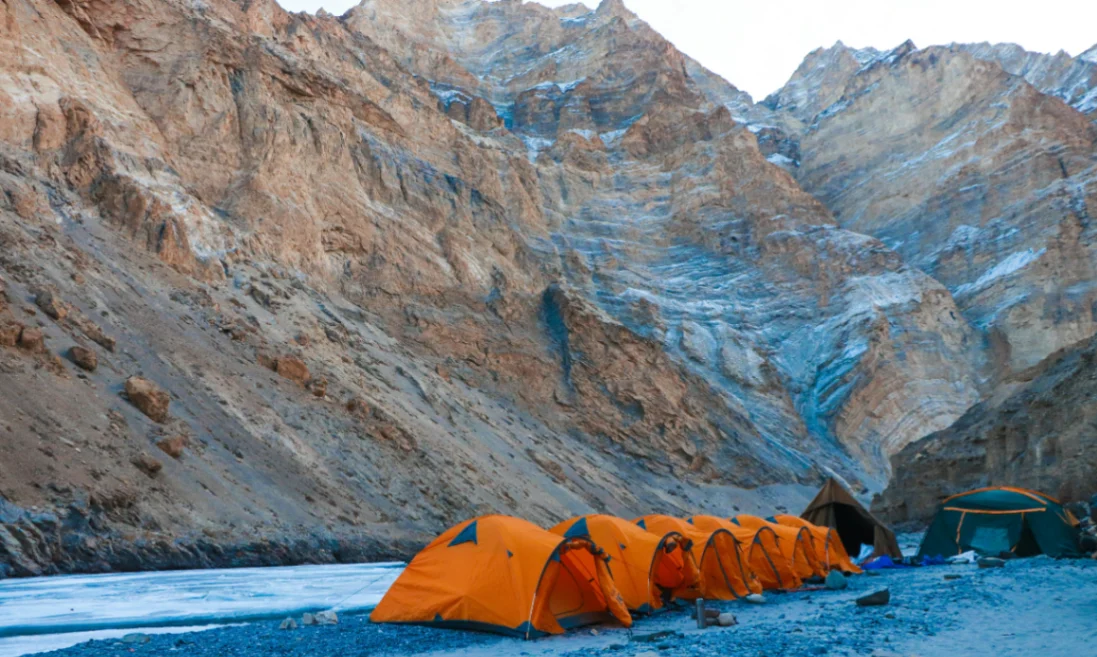
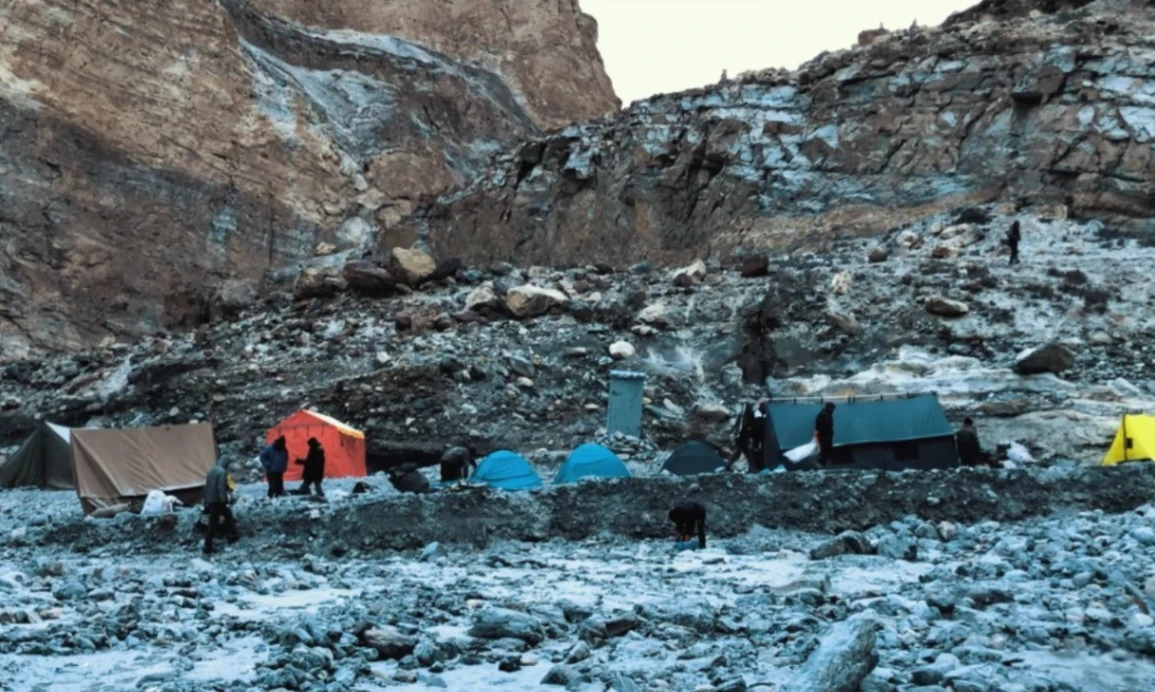
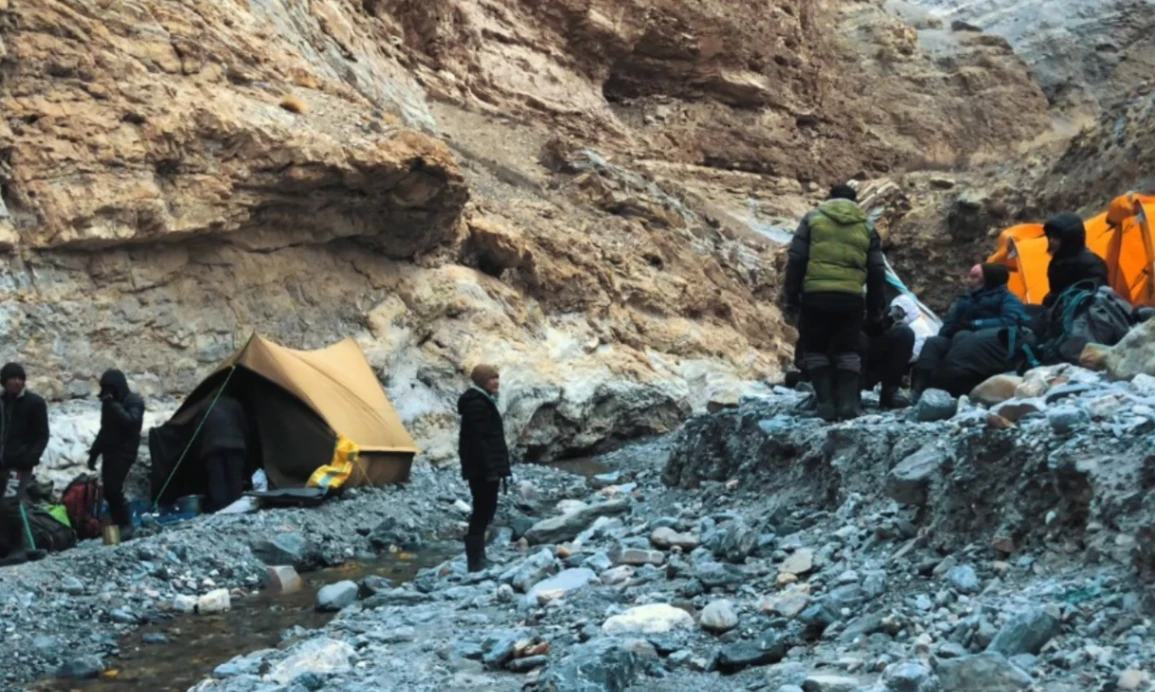
Overnight accommodations are made in tents on appropriate riverbank sites. Beds and fire are basic facilities, and the weather can be very cold. A proper sleeping system and a camp routine are necessary.
Local Knowledge
The route is not illustrated on a map. Ice being thick, thin, wet, or dry, cracks and water movement are taken into account by the local guides before they determine where the group should walk.