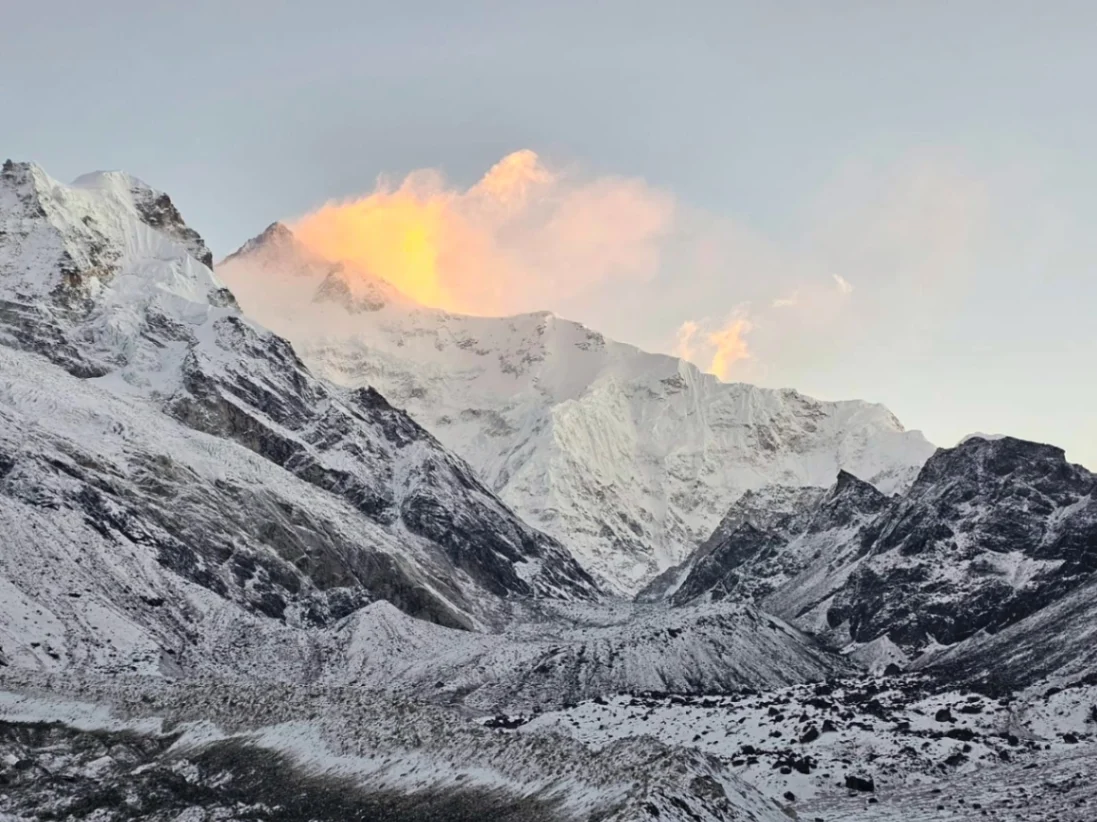
Safety is most important, and that is the case at high altitude. The normal track is located approximately between 3400m and 5260m. Anyone who has not acclimatized can suffer from altitude sickness.
Acclimatization in Leh.
The first 2 days at altitude mark the beginning of acute adjustments in the body. At present there is no high-altitude guide to discourage a gradual ascent and to prevent sleeping at an altitude above 3,000 m. It also highlights the importance of physical fitness as not being a protective factor for AMS.
For Markha Valley:
Rent a car for at least 2 nights in Leh before going on a trek.
It's best to limit your activity for the first 24-48 hours.
Don't drink during the period of acclimatization.
Avoid reducing your food intake when you are a bit less hungry.
Don't make a casual acclimatization trip across a very high roadpass.
Please let us know, in advance, of any symptoms before departure from Leh.
If traveling from sea level, attempt to secure an extra night's accommodation in advance.
Common AMS symptoms.
Symptoms of acute mountain sickness can involve:
- Headache.
- Nausea or vomiting.
- Unusual fatigue.
- Dizziness.
- Poor appetite.
- Disturbed sleep.
Coordination or weakness.
Headaches can be caused by a multitude of reasons; however, there is no reason to shrug it off. When assessing symptoms and the amount of altitude gained, you should take attitude, behavior, pace, and condition into account.
Discontinue ascent.
If symptoms are present, do not go to a higher sleeping altitude until they have disappeared. If symptoms are getting worse when resting, descend and examine the patient.
Some serious symptoms of altitude illness are severe headache, impaired walking, drowsiness, shortness of breath when resting, and persistent coughing. These are crises—not push-through situations. Rapid descent and treatment may need to be considered.
Medication.
Please consult a competent medical professional with a background and travel history before using acetazolamide and other medications. Medication should not replace acclimatization, but it can complement it and should not mask the onset of deterioration.
Only use herbal medicines or remedies that have been tested. There is little evidence to back up many of the products available online to prevent altitude illness.
Pulse oximeter readings.
Some other data may be available from the pulse oximeter; however, one measurement does not necessarily mean safe or unsafe. Cold hands, movement, device quality, and variation can affect readings.
The trek leader should consider symptoms, behavior, respirations, heart rate, rise and fall of terrain, and general state. Keep in mind, symptoms and clinical signs are more important than attempting to achieve a specific O₂ saturation.
Hydration.
Take liquids as necessary; drink plenty of liquids throughout the day, but not too much. Too much water can also be a negative thing! Urine should be reasonably pale, and if it is dark urine, the color might indicate a lack of intake.
Fill the tank with 2 liters (unless otherwise directed by the team for a particular stage). Use water only from the approved sources listed in the guide or from a provided or brought water purification system.
River or stream crossings.
The crossing conditions change based on the snowmelt, rainfall, and the time of day. Follow the trail the guide has selected. When falling, the hip belt can be easily removed from the backpack.
Don't try to cross solely because someone else did. The depth and force of the water may vary in a matter of hours.
Weather safety
Sudden cloud formation, snow, and wind are possible at Nimaling and Kongmaru La. To keep exposure to the poor afternoon weather to a minimum, begin the passing day early.
In case the morning is cloudy, take waterproof coverings. Never cross all the insulation with the luggage on mules.
Emergency planning.
The responsible departure must contain the following elements:
- First aid box suitable for high-altitude treks.
- Staff know about the signs and symptoms of altitude sickness.
- Communication skills suitable for the route.
- Emergency oxygen should be available as part of the operating plan.
- Information on the nearest access to a road or medical facility.
- Identification of participants and emergency contact information.
- An evacuation and trip modification process is documented.
Not all equipment is risk-eliminating. The most essential safety measures are acclimatization, conservative choices, documentation of early signs and symptoms, and early descent.