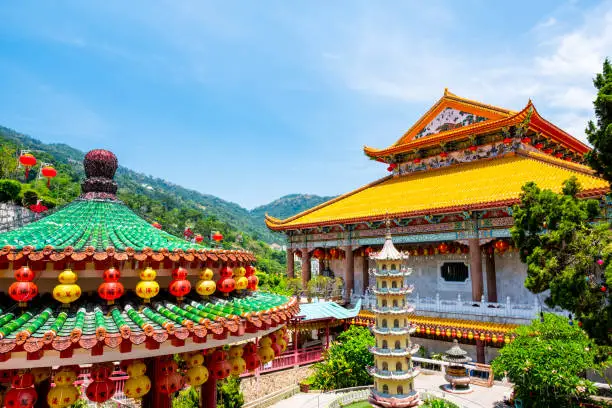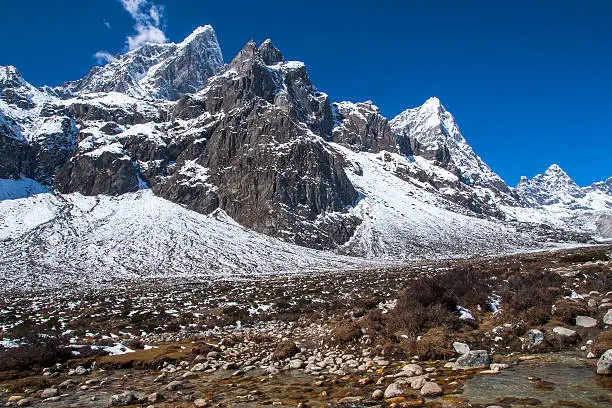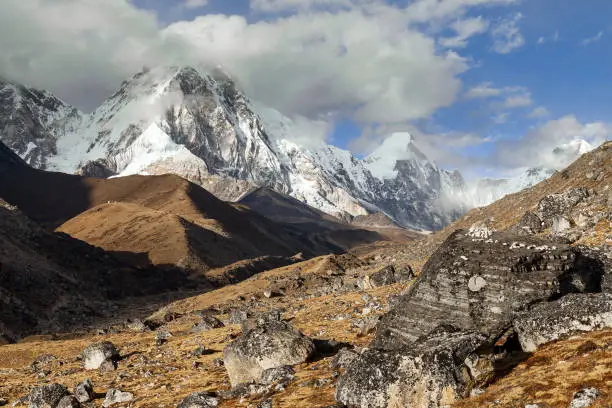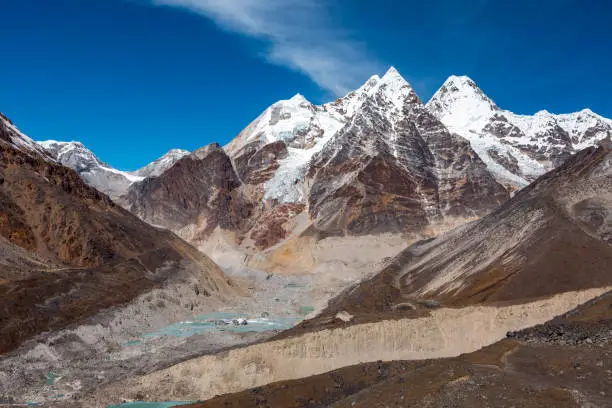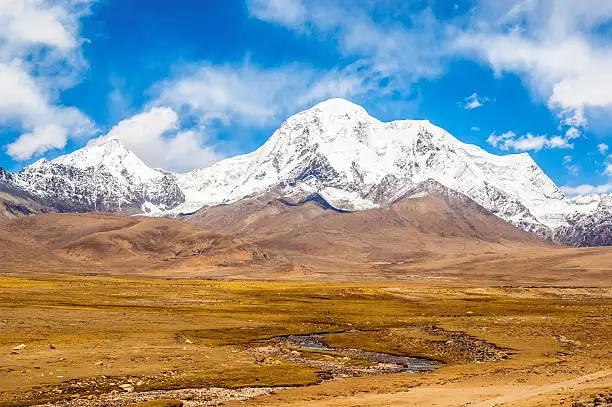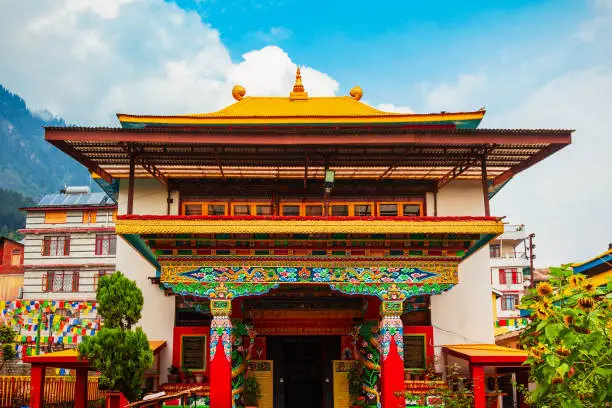
The 3 days Gangtok itinerary will ensure that first time visitors will have ample time to see the major attractions in the city without hurry. You will have everything, serene Buddhist temples on one end, and breathtaking sightseeing points with panoramic Himalayan scenery on the other. Gangtok does not disappoint on any front whether you are in need of spiritual experiences, adventure activities or you just want to have a feel of the cool mountain air.
This step-by-step guide will divide the ideal gangtok trip into three unforgettable days ensuring you make the most out of your stay in this gorgeous Himalayan place.

Day 1: The Sightseeing of Central Gangtok
Morning: MG Marg and Local Markets
Begin your trip in Gangtok with the visit of the central pedestrian street of the city MG Marg. This is a clean, car-free avenue with shops, cafes and restaurants ideal for taking a breakfast. The Mall Road is a nice way to introduce oneself to the laid back rhythm of Gangtok.
Local markets are also found around the area that you should visit to gain an exposure to the Sikkimese culture. There is local handicraft, Tibetan prayer flags and local food that are also very good as souvenirs.
Afternoon: Enchey Monastery and Hanuman Tok
Enchey Monastery that was constructed in 1840 is located on top of a hill, and features a serene environment to do meditation and photography. The monastery contains beautiful Buddhist art and offers an insight into the religious practice in the locality.
Go on to Hanuman Tok, a temple of Lord Hanuman. This site is at 7,200 feet and offers breathtaking sceneries of the Kanchenjunga mountain and the valleys around it.
Evening: Ganesh Tok and Tashi Viewpoint
Day 1: End at Ganesh Tok, a small temple that will allow the individual to have 360-degree views of Gangtok city and mountains thereafter. Tashi Viewpoint is also one of the best locations to see the sunrise and sunset and thus is ideal in evening photography.
Day 1 Sightseeing Schedule
| Attraction | Best Time to Visit | Approximate Duration |
| MG Marg | 9:00 AM – 11:00 AM | 2 hours |
| Enchey Monastery | 12:00 PM – 1:00 PM | 1 hour |
| Hanuman Tok | 2:00 PM – 3:30 PM | 1.5 hours |
| Ganesh Tok & Tashi Viewpoint | 4:30 PM – 6:00 PM | 1.5 hours |
Day 2: North Sikkim Excursion
Full Day: Tsomgo Lake and Baba Mandir
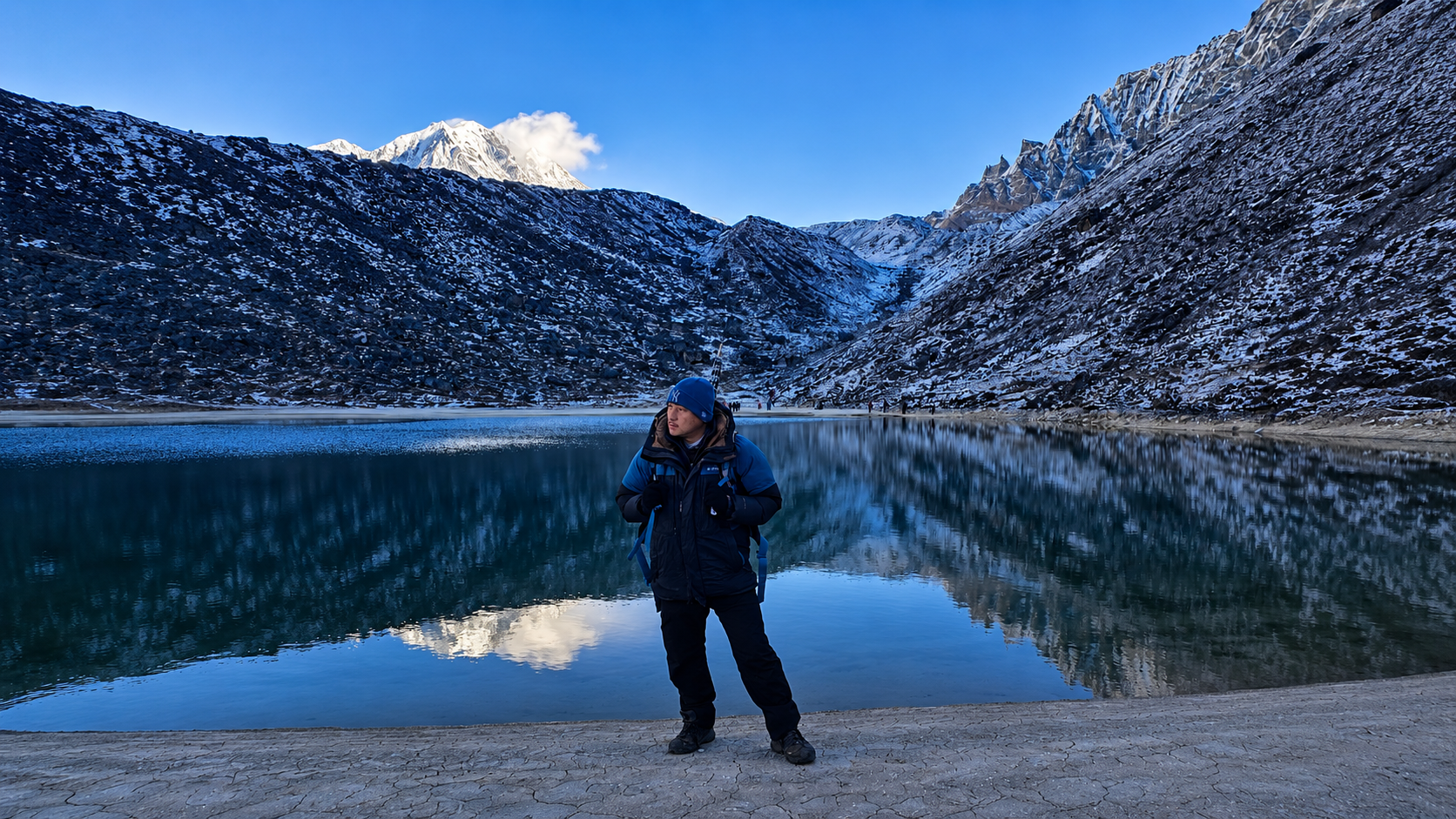
The 2nd day of your Gangtok trip is the day when you will visit Tsomgo Lake (or Changu Lake, 38 kilometers of Gangtok, 12,313 feet). It is a glacial lake that during the winter season is frozen and in the summer seasons, it becomes a blue piece of water so beautiful to look at.
The trip in itself is an adventure as you take long mountain passages with spectacular landscapes at every corner. This area requires a special permit which could be provided by your hotel or traveling agency.
Tsomgo Lake, and then go to Baba Harbhajan Singh Mandir, a temple in honor of an Indian army soldier. The temple is particularly important to the locals and army members.
Activities at Tsomgo Lake
- Yak (seasonal) Rides around the lake.
- Traditional Sikki-Memphis photography.
- Spoiled momos and thukpa with the lakeside sellers.
- Touring the nearby alpine nature.
Rajesh Kumar, a travel blogger, says that the Tsomgo Lake tour is the most important part of the majority of visits to Gangtok. The calm nature of the lake and the religious feeling at Baba Mandir makes the experience unforgettable.
Day 2 Distance & Elevation
| Destination | Distance from Gangtok | Elevation | Key Feature |
| Tsomgo Lake | 38 km | 12,313 ft | Mountains and glacial lake. |
| Baba Mandir | 52 km | 13,200 ft | Mountain view memorial temple. |
Day 3: Cultural and Spiritual Sites
Morning: Rumtek Monastery
Your last day starts with a visit to the Rumtek Monastery which is one of the largest and most significant Tibetan Buddhist monasteries not located in Tibet. The complex of the monasteries is located 24 kilometers from Gangtok and represents a great architecture with priceless Buddhist relics.
The serene atmosphere and elaborate murals within the monastery offer profound knowledge about the Buddhist culture and culture. I intend to spend two or more hours, so that I can enjoy the site fully.
Afternoon: Namgyal Institute and Do Drul Chorten
Go back to Gangtok and visit Do Drul Chorten, which is among the most significant stupas in Sikkim. This Buddhist shrine was constructed in 1945, and mandalas, religious scriptures, and 108 prayer wheels are fully encircling this building.
The Namgyal Institute of Tibetology, which is next door, contains the rare Buddhist manuscripts, thangkas (traditional paintings), and artifacts. The institute acts as a research place on Tibetan culture and history thus, it is vital in knowing the heritage of the region.
Evening: Flower Exhibition Centre
When time allows, be at the Flower Exhibition Centre where there is amazing bio-diversity of Sikkim. The center exhibits beautiful orchids and other Himalayan flowers in hundreds in greenhouses.
Day 3 Must-Visit Sites
| Site | Significance | Time Required |
| Rumtek Monastery | Largest monastery in Sikkim | 2-3 hours |
| Do Drul Chorten | Important Buddhist stupa | 1 hour |
| Namgyal Institute | Cultural studies center of Tibet. | 1-1.5 hours |
| Flower Exhibition | Sikkim’s floral diversity | 45 minutes |
Travel Tips: Essential Gangtok Trip
Permit Requirements
- Inner Line Permit required to Tsomgo Lake and Baba Mandir.
- Book through hotels or registered traveling agencies.
- Shot several pieces of photographic identification.
Best Time to Visit
- March- June: Good weather, good mountain view.
- September to December: Post-monsoon sunshine, festival month.
- Summer (July-August) is not the best as it is monsoon rains.
What to Pack
- Cosy clothes (even during summer, it gets cold at night)
- Comfortable walking shoes
- Sunscreen and sunglasses
- Mountain scenery capture camera.
- Light raincoat or umbrella
Transportation
- Take a taxi on the entire 3 day itinerary.
- Shared jeeps are not as flexible.
- Hire out book vehicles via established companies.
According to seasoned Himalayan traveller Priya Sharma, first time visitors usually ignore the extent to which Gangtok becomes colder, especially when it is at higher altitude like in the Tsomgo Lake. Add up your clothes and you will have a much more comfortable gangtok trip.
Conclusion
This 3-day gangtok trip plan encompasses all the key experiences that first-time tourists need in the city such as the cultural experience of the ancient monasteries and the natural experience of the Tsomgo Lake. The well-thought-out program allows you to have a balance of both sightseeing and rest, so that you will not feel loaded.
Gangtok also has a lot to offer to all visitors: spiritualists will get harmony in the Buddhist temples, nature-lovers will get Himalayan beauty, and culture-loving people will get to know about the rich Tibetan heritage. The clean streets, the hospitable people and the beautiful mountainous backdrop make the city venues to be remembered for a lifetime.
It is important to keep in mind that this itinerary is just a guideline, you can modify this itinerary according to your interests and energy. Spending additional time in one of the favorite monasteries or introducing unplanned visits to the nearby cafes, the charm of a trip to Gangtok is in finding your own ideal moments in this wonderful Himalayan capital.
Frequently Asked Questions
When is the opportune moment to plan a trip to Gangtok?
Gangtok can be visited best during the season of between March and June and September to December. The months are cloudless, weather is favorable and Mount Kanchenjunga is well visible. During spring (March-May), rhododendrons are blooming and in autumn (September-November) the air is crisp and there are celebrations during the festivals. It should not be during the monsoon season (July-August) when heavy rains might destroy traveling plans and distort the views of the mountains.
Am I required to have permits to visit Gangtok?
Yes, during your gangtok trip, you require an Inner Line Permit to explore some of the places, especially the Tsomgo Lake, Baba Mandir and Nathula Pass. All tourists, including the Indian citizens, are required to have these permits. Permits can be obtained by your hotel or a registered travelling agency in Gangtok and take 24-48 hours to acquire the permits. Bring several copies of photo identification to the application.
How can I reach Gangtok?
Gangtok has the closest airport as Bagdogra Airport (124 km) in West Bengal. Then get a taxi or a shared jeep and do the scenic drive of the 4-5 hours. Instead, the nearest railway connection, New Jalpaiguri (NJP) railway station (148 km) is available. Several tourists also access Gangtok via road either at Siliguri or Darjeeling. The trip alone will be breathtaking Himalayan scenery and will be a great beginning to your Gangtok experience.
Is three days sufficient to visit Gangtok?
Yes, a 3 day trip to Gangtok will give one enough time to see key sites and have a good impression of the city. The itinerary involves the main sights of Gangtok, the most popular Tsomgo Lake field trip and the key monasteries. Nonetheless, in case you wish to venture further, say to Nathula Pass, Pelling or Lachung, you could think of adding on a few days of 5-7 days to have a more all rounded Sikkim experience.
What do I need to carry on an excursion to Gangtok?
To your visit of Gangtok, you must have warm layered clothes at all times of the year because it might drop to very low temperatures, particularly at high places such as Tsomgo Lake. The things that will be necessary would be comfortable walking shoes, sunscreen, sunglasses, a light raincoat, personal medications, and a camera. Warm jackets, gloves, and cap- wearing are also not to be forgotten when visiting the lake. Bring photo IDs, allow copies and a little money because ATM machines might be scarce in isolated places.