Everything you need to know about the Bajre Dara Trek
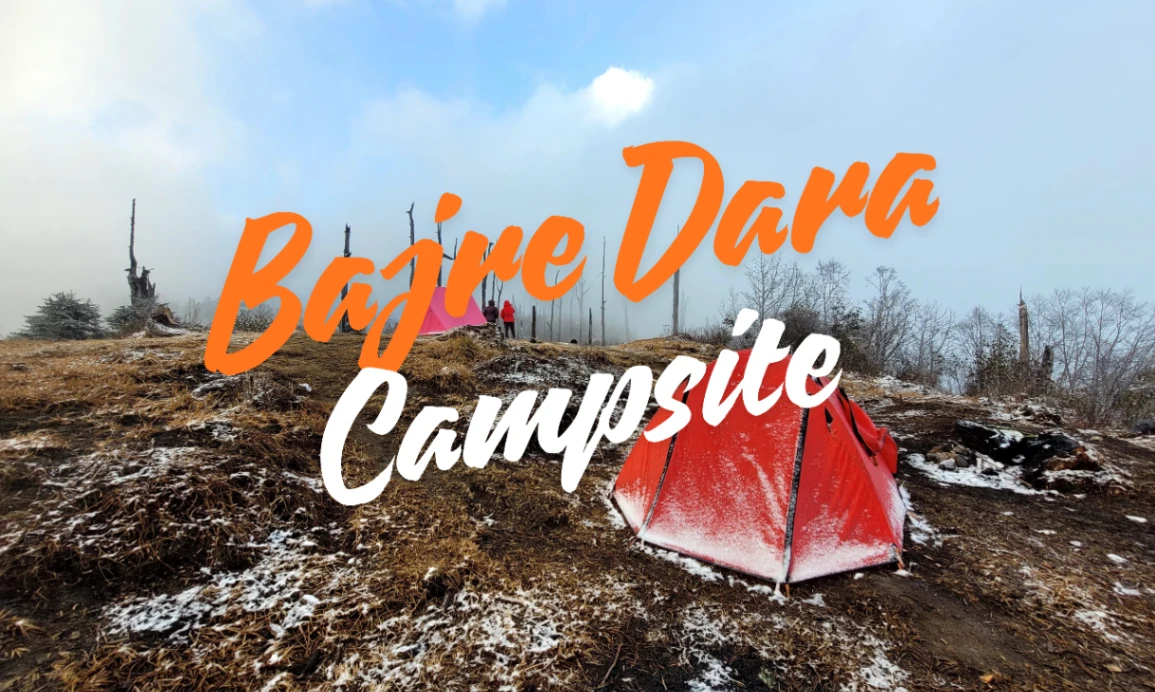
Bajre Dara Trek is one of the most thrilling and culturally rewarding treks in India, combining nature, challenge and culture in India. Whether you have legs of steel or can hardly walk, this is an adventure to be remembered. We will discuss everything about the trek in detail in this guide, including what to bring and pack items such as food, water, resources available on-site (and treatment methods), safety tips, awareness of local culture, etc.
Overview of the Trek

Hidden in the lap of the awe-inspiring Western Ghats, Bajre Dara Trek is an experience filled with meandering forests, burbling streams and rocky hills. The trek is popular for the awesome landscapes and peaceful atmosphere that make hikers forget the polluted city life. The trek is moderate in terms of level of difficulty and can be undertaken by trekkers having good fitness.
Significance of the Trek
Raw & Beauty Bajre Dara Trek Boobs Dara is famous for its raw beauty, which has been untouched for centuries. The place has been described as an unexplored gem of India due to its pristine beauty, variety of flora and fauna and remote location. This trek is a recommended one if you are an adventure lover/nature lover because lovely panoramic views, hilltop edges and interesting neighborhoods will excite your adventurous spirit. The Bajre Dara also plays an important role in the culture of the local people, as it connects human settlement with sprawling landscapes.
Location and Accessibility
Bajre Dara is situated in the epicentre of the Western Ghats, a UNESCO World Heritage Site. The route: The trek begins from the base village, which is well connected to cities such as Pune and Mumbai. It’s a 3-4 hour bus ride from either of these cities to the foot of the hike. Upon your arrival at the base village, you trek to Bajre Dara which is nearly 10-12 kilometres depending on which path you choose.
Best Time to Visit
It’s ideal to plan your Bajre Dara Trek for the post-monsoon season (September to February) as the weather is balmy, and trails are crystal clear. But you can see a very different side of the region during the monsoon season (June to August), too, when everything is lush and green and waterfalls are in full flow – while also being slippery underfoot and trickier to on. Avoid summer (March-May), because it will be too hot, and trekking can be very challenging.
Trekking Experience
(b) Description of the Trail and Difficulty Level
Bajre Dara Trek is a moderate trek which can challenge one’s fitness and stamina. It is a bit hard for beginners but very rewarding as it offers steep ascents, thick forests and rocky trails. Total distance is about 10-12 km, with around 500-600 m altitude gain. On average the hike takes 6-7 hours to complete with your pace and rest stops.
You’ll pass through all types of terrains on the trail, including smooth forest paths, steep hills and rock ledges. The trip gets harder as you go up, with the last part being especially tough. But the stunning views from the top make it worth every step of the way. The summit is rewarded with spectacular views of valleys, hills and mountain ranges in the distance.
Scenic Views and Landscapes
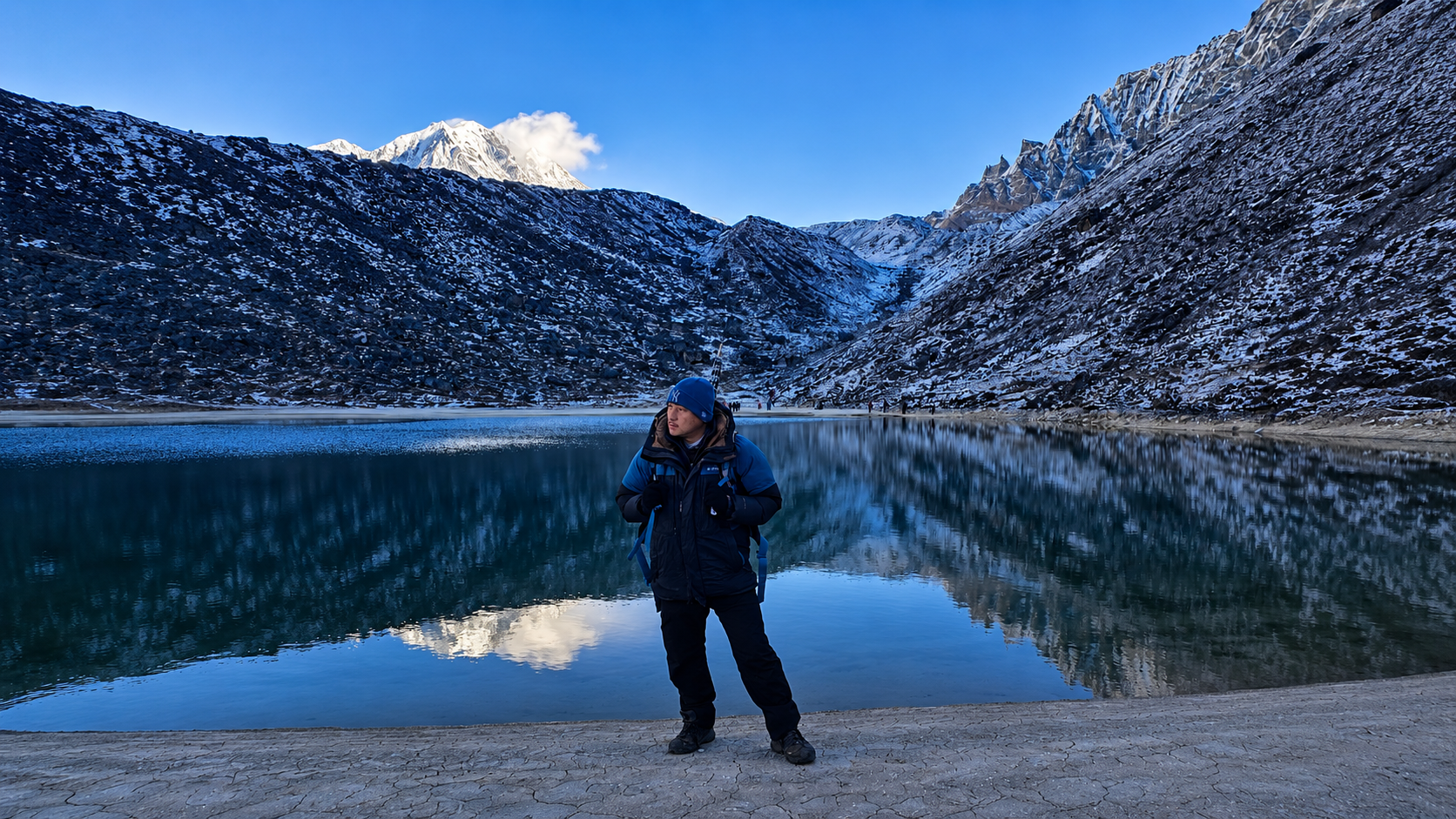
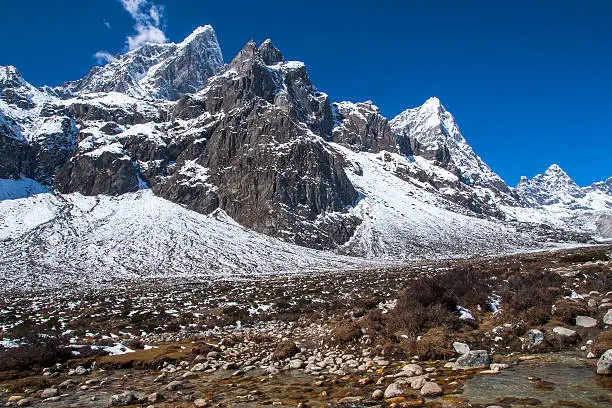
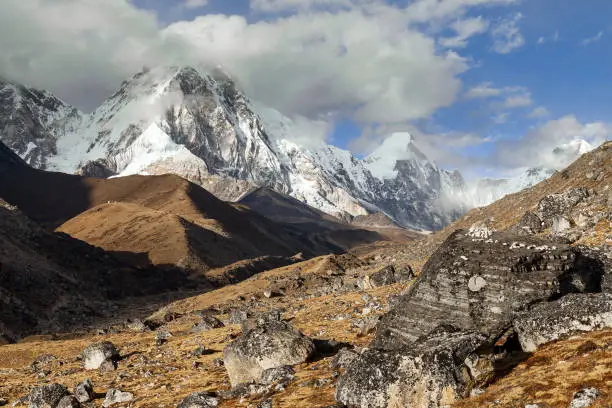
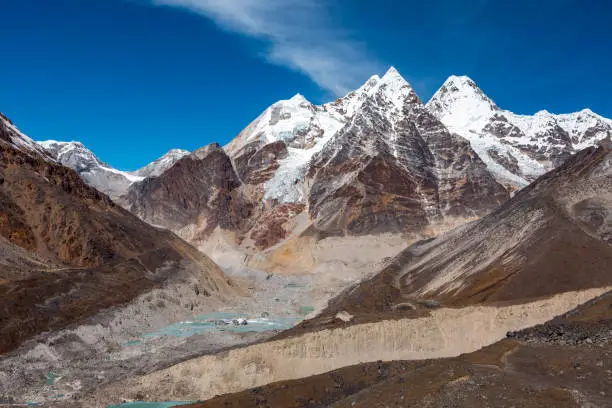
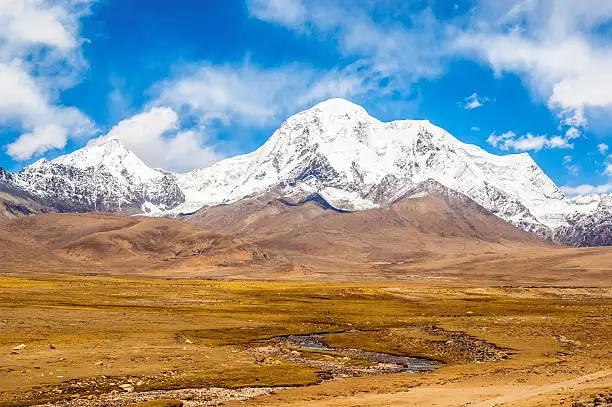
The scenic view in Bajre Dara Trek is one of the tales. Throughout the trek there are magnificent 360-degree panoramic views, from wide green valleys to towering waterfalls and thick forests, to the very end of the earth where terrain appears burnt away by clear snow-capped peaks. The forest trail is where the magic of nature truly comes alive, always dynamic and offering fresh alpine air that invigorates.
You walk up through jungle like canopies then climb out on to rocks and meadows with grass where you can see the views down over the valley below. You will get to see almost whole of Western Ghats from the top, with its rolling hills and valleys all around, and that makes this climb completely worth everything!
Wildlife and Vegetation On The Way
The Bajre Dara Trek isn’t just about the path it’s also for the local biodiversity as well. The ascent is through the forest, which are home to a variety of wildlife. Vegetation is composed of several species of tropical and subtropical trees, shrubs and wildflowers. You’ll pass an array of plant life on your walk — medicinal herbs, ferns and bright flowers among them.
The fauna in this area also includes langurs, leopards, wild boars and many types of birds. The walk is particularly good for birdwatchers and there are plenty of hornbills, eagles, kingfishers etc to be seen in the area. The thick forest creates a silence and stillness under which it seems as if they would somehow have been out of place.
Highlight Features of the Trek
The Bajre Dara Trek is punctuated with a few very interesting point of interest that makes it unique. Among its features, a 360-degree panorama spreads around the summit of the hills, valleys and far-off ranges. Another highlight is hiking through thick woods as trekkers find themselves surrounded by huge trees and lush green vegetation. You’ll also come across clear streams and waterfalls along the trail, a refreshing treat.
The route also go through charming villages so you have chances to meet the local people and share their life. The peculiar culture and natural beauty make the Bajre Dara Trek a complete experience.
Essential Gear and Preparation
Necessary Clothing and Footwear
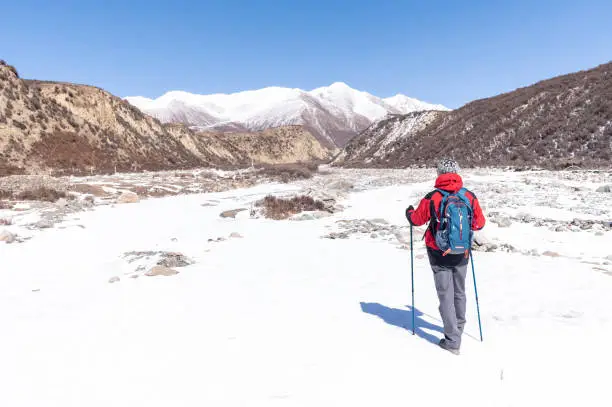
The Bajre Dara Trek leads through a mix of terrains, so you would need suitable clothing and footwear for that. Loose-fitting t-shirts and long-sleeved shirts are only recommended for covering at night while climbing, so that you can keep your skin covered in pre-snow or sun. Keep this dry along the walking track to stop any type of wet.It is a good idea to pack one or two t shirts, one long sleeve top during the climb but wear short shorts rather than cycling pants because if it rains these will get wet.Bring comfortable, moisture-wicking clothes that will allow you to stay dry and cool throughout the journey.up your legs.If rain is set before your 12 day climb then be sure cloth material is quick drying so bring fabrics that don’t take too long too dry. It’s good to wear light, breathable fabrics like cotton or a synthetic blend. You may also want a hat/cap for sun protection.
You will need heavier hiking boots with good traction. The trail itself may be rocky and slick, so sturdy shoes can help avoid injury. Don’t wear sandals or sneakers; they may not be supportive enough for this long of a walk.
Trekking Essentials
Other trekking gear you need is a bag to keep all your stuff, a water bottle for hydration and high-energy food items like dry fruits, nuts and energy bars. A first-aid kit is also essential as it could be the only resource for you to combat minor injuries and sickness throughout the trek. If you plan to ride early or late, bring a flashlight or headlamp.
Recommended Physical Preparation
The Bajre Dara Trek is of moderate difficulty, and you should be in good physical condition. Regular cardio workouts like jogging, cycling or swimming can help boost stamina. Also try hiking or walking on graded surfaces to build the leg and cardio strength for steep climbs. Stretching will also help protect you from injury.
Permits and Regulations
You may need permits or registration to hike certain routes, especially if you’re entering a protected area. Before you set out to do the trek, consult the local authority or trekking agency for a permit; all trekkers need one. Following rules and regulations set by the authorities is always a good idea, which are in place to maintain the conservation of the area you’re visiting and protect your safety.
Safety Notes for Bajre Dara Trek
Safety Precautions on the Trail
Although the Bajre Dara Trek is mostly safe, there are some safety measures to be kept in mind while you tour through it. The trail is well laid out so stick to it and not the path less taken which can be hazardous. In addition, a group or guide is helpful not just in making sure you’re safe but for providing assistance in the event of an emergency.
How to Stay Safe in the Region
Also check weather during the trek. avel t tips The Western Ghats are subject to quick weather changes, so expect rain or thunderstorms (especially during the monsoon season). And bring a raincoat or poncho if you want to keep dry, along with waterproof bags for your electronics and valuables.
Weather Conditions and Their Impact
Region climate can be different, based on the season. This happens even more so during the monsoon as the tracks can be muddy and slippery. However, the trek can be safer and more pleasant in the post-monsoon months when visibility is greater. Just remember to look for the weather forecast before trekking and plan it in accordance with the conditions.
Emergency Contact Information
In case of any emergencies, it’s a good idea to keep emergency contact information handy. Charge your mobile phone to full, and share an approximate schedule with someone at home or at your accommodation. In case of an emergency you should be able to reach local authorities, trekking guides or the nearest village for assistance.
Cultural and Local Insights
Villages and Village Life along the Trek
Meeting the local people and associated villages are also another highlights of Bajre Dara Trek. The journey is through some of the most isolated villages where the people practice traditional way of life, dependent on agriculture and animal husbandry. These villages give insights to the rural life and a chance for a trekker to experience the simplicity and warmth of the locals.
Traditions and Cultural Experiences
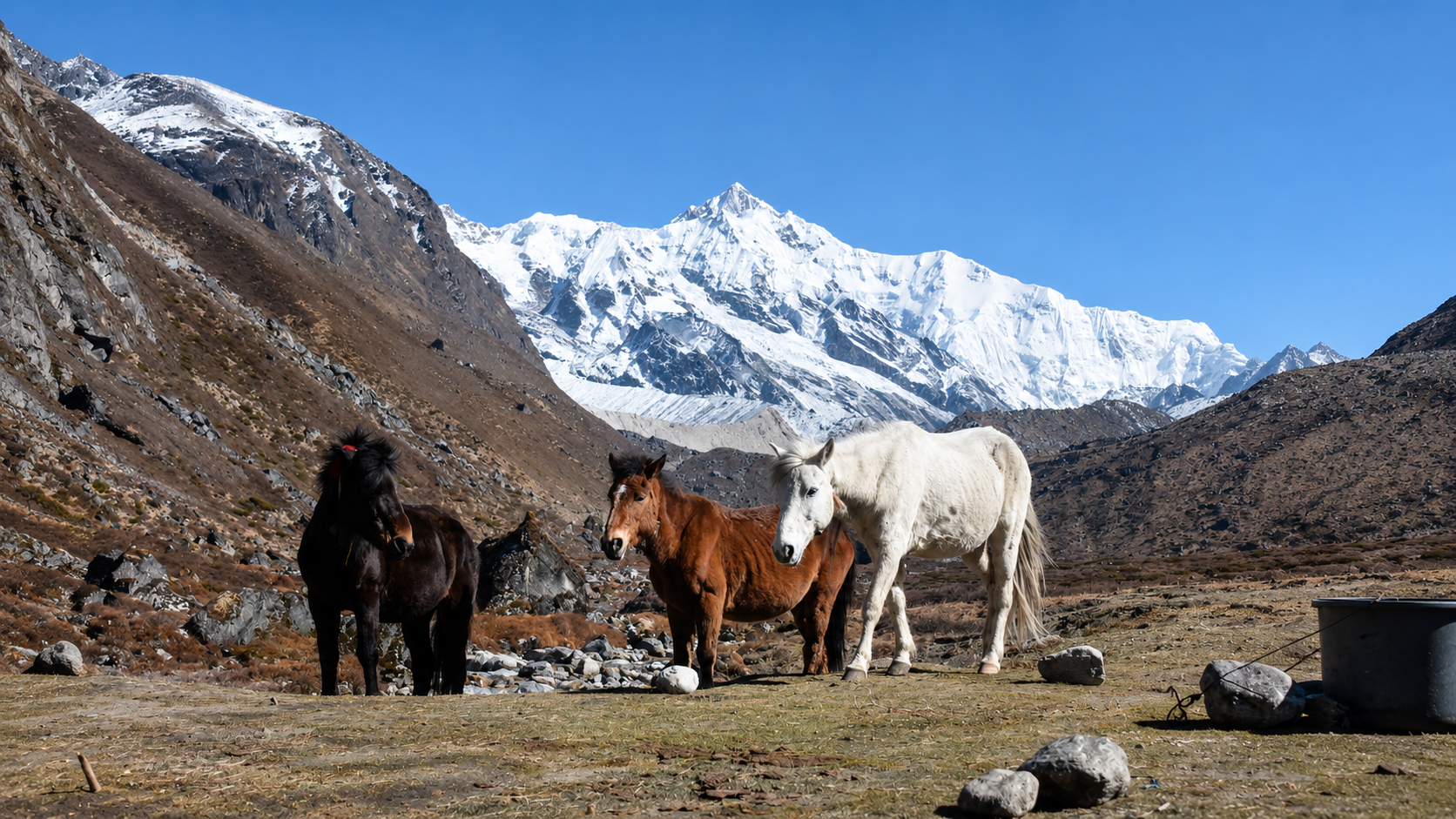
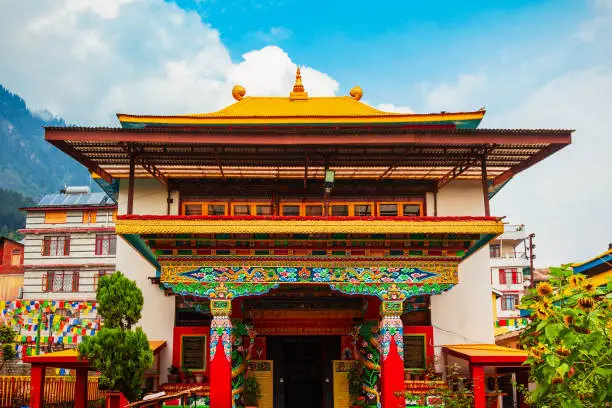
It’s an area filled with local culture and tradition, much of it handed down through the centuries. You could have the opportunity to see the horse-pulled plows, festivals and folk music. The local inhabitants are friendly and may invite you to a meal or into their celebrations, which will further enrich your journey.
Dealing with Natives and Life style
Along your journey, you will be able to talk with the locals if interested as they are friendly and enjoy sharing their knowledge of land/culture! The local people do play an import role in the maintaining of environment as well as trekking trails. Many locals are also engaged in eco-tourism and conservation work to preserve the area’s stunning natural environment.
Tourism and the Local Community
Local communities are affected more strongly with increasing tourism. Sustainable development and environmental protection have become issues with the rapid growth of tourism industry. Hiking agencies in collaboration with local communities have started promoting responsible tourism that will benefit the locals’ livelihood without upsetting the ecological harmony in the region.
Conclusion
The Bajre Dara Trek is really a feast for body, mind and soul and can be described as a lifetime experience. Whether you are after a break from your urbaninity or to be in touch with local customs, this trek has something for everyone. With the right preparation, safety precautions and culturally aware approach, your Bajura to Darchula trip will be enjoyable as well as rewarding.