Introduction
The Everest Base Camp Trek 2026 is one of the world’s most iconic high-altitude trekking adventures, taking travellers deep into Nepal’s Khumbu Valley, the home of Mount Everest, legendary Sherpa communities and some of the most spectacular Himalayan landscapes.
Unlike an Everest climbing expedition, the Everest Base Camp Trek is a non-technical trekking journey that does not require mountaineering skills, ropes or climbing experience. However, it is a challenging high-altitude adventure that requires good physical fitness, proper preparation and enough time for acclimatization.
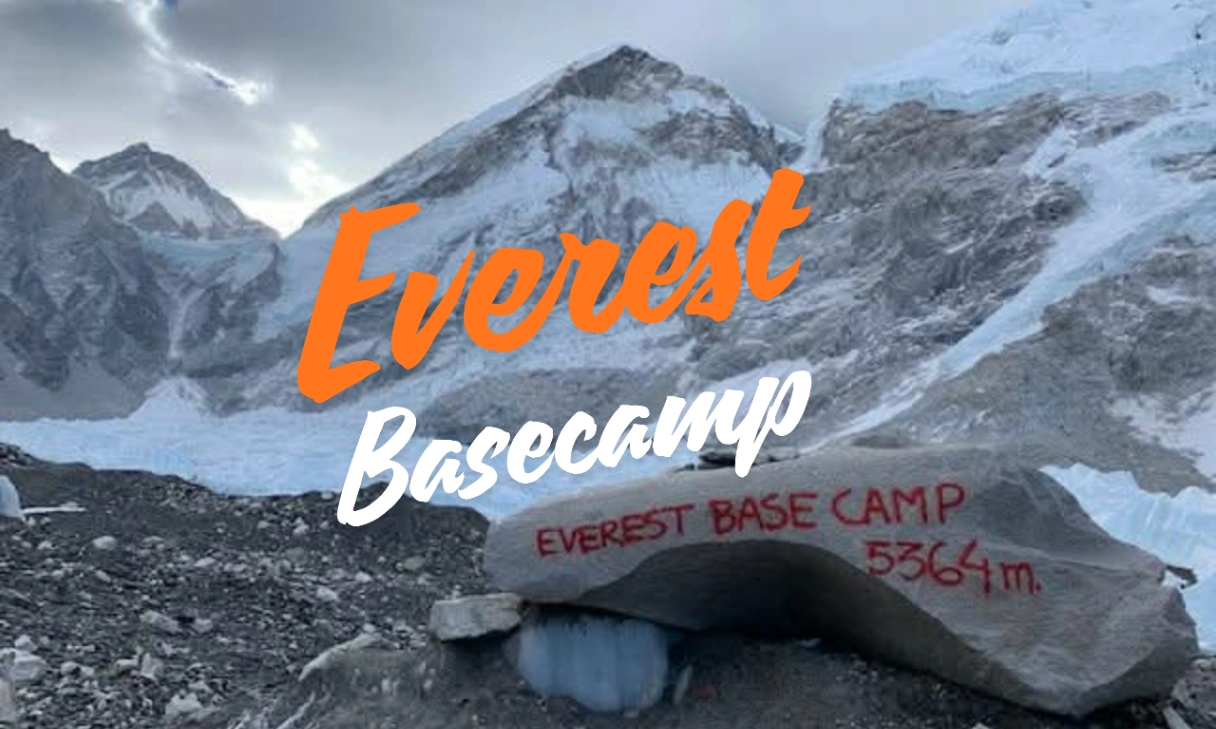
The classic Everest Base Camp route follows ancient mountain trails through traditional Sherpa villages, Buddhist monasteries, suspension bridges, glacier valleys and dramatic Himalayan landscapes before reaching Everest Base Camp at 5,364 m (17,598 ft), located at the foot of the world’s highest mountain.
The journey begins with a scenic flight from Kathmandu to Lukla (2,860 m), the gateway to the Everest region. From Lukla, trekkers gradually ascend through famous Himalayan settlements including Phakding, Namche Bazaar, Tengboche, Dingboche, Lobuche and Gorak Shep before reaching Everest Base Camp.
Along the way, trekkers experience breathtaking views of some of the world’s highest peaks, including Mount Everest (8,848.86 m), Lhotse (8,516 m), Ama Dablam (6,812 m), Nuptse (7,861 m) and Pumori (7,161 m).
The trek also provides a unique opportunity to experience Sherpa culture, ancient Buddhist traditions, mountain lifestyles and the natural beauty of Sagarmatha National Park, a UNESCO World Heritage Site.
With a well-planned itinerary, gradual altitude gain, experienced local guides and proper preparation, the Everest Base Camp Trek is achievable for many adventure travellers who dream of standing beneath Mount Everest.
Everest Base Camp Trek Summary
| Trek Information | Details |
|---|---|
| Country | Nepal |
| Region | Everest Region, Khumbu Valley |
| Starting Point | Lukla |
| Ending Point | Lukla |
| Duration | Approximately 14 Days |
| Everest Base Camp Height | 5,364 m (17,598 ft) |
| Highest Point | Kala Patthar – 5,545 m (18,192 ft) |
| Difficulty Level | Challenging High-Altitude Trek |
| Trek Distance | Approximately 120 km round trip |
| Accommodation | Mountain Tea Houses |
| Best Seasons | Spring (March–May) and Autumn (September–November) |
| Experience Required | Previous trekking experience helpful but not mandatory |
| Required Permits | Sagarmatha National Park Permit and Khumbu Pasang Lhamu Rural Municipality Permi |
What is the Everest Base Camp Trek?
The Everest Base Camp Trek is a world-famous trekking route located in northeastern Nepal’s Solukhumbu District. The trail follows the traditional route through the Khumbu Valley, an area famous for its Himalayan mountains, Sherpa communities and Buddhist heritage.
The trek takes travellers through some of Nepal’s most well-known mountain villages:
- Lukla
- Phakding
- Namche Bazaar
- Tengboche
- Dingboche
- Lobuche
- Gorak Shep
- Everest Base Camp
This is a trekking adventure, not a climbing expedition. No technical climbing skills are required, but trekkers should be prepared for:
- Long walking days
- Steep uphill sections
- Cold temperatures
- Basic mountain facilities
- High-altitude conditions
The gradual ascent of the classic itinerary allows the body to adapt slowly to increasing elevation. Acclimatization days in Namche Bazaar and Dingboche are essential to reduce the risk of altitude-related problems.
For decades, this region has been the starting point for Everest expeditions. Today, thousands of trekkers visit the area every year to experience the beauty of the Himalayas and stand at the base of the world’s highest mountain.
Why is the Everest Base Camp Trek Famous?
1. Incredible Himalayan Mountain Views
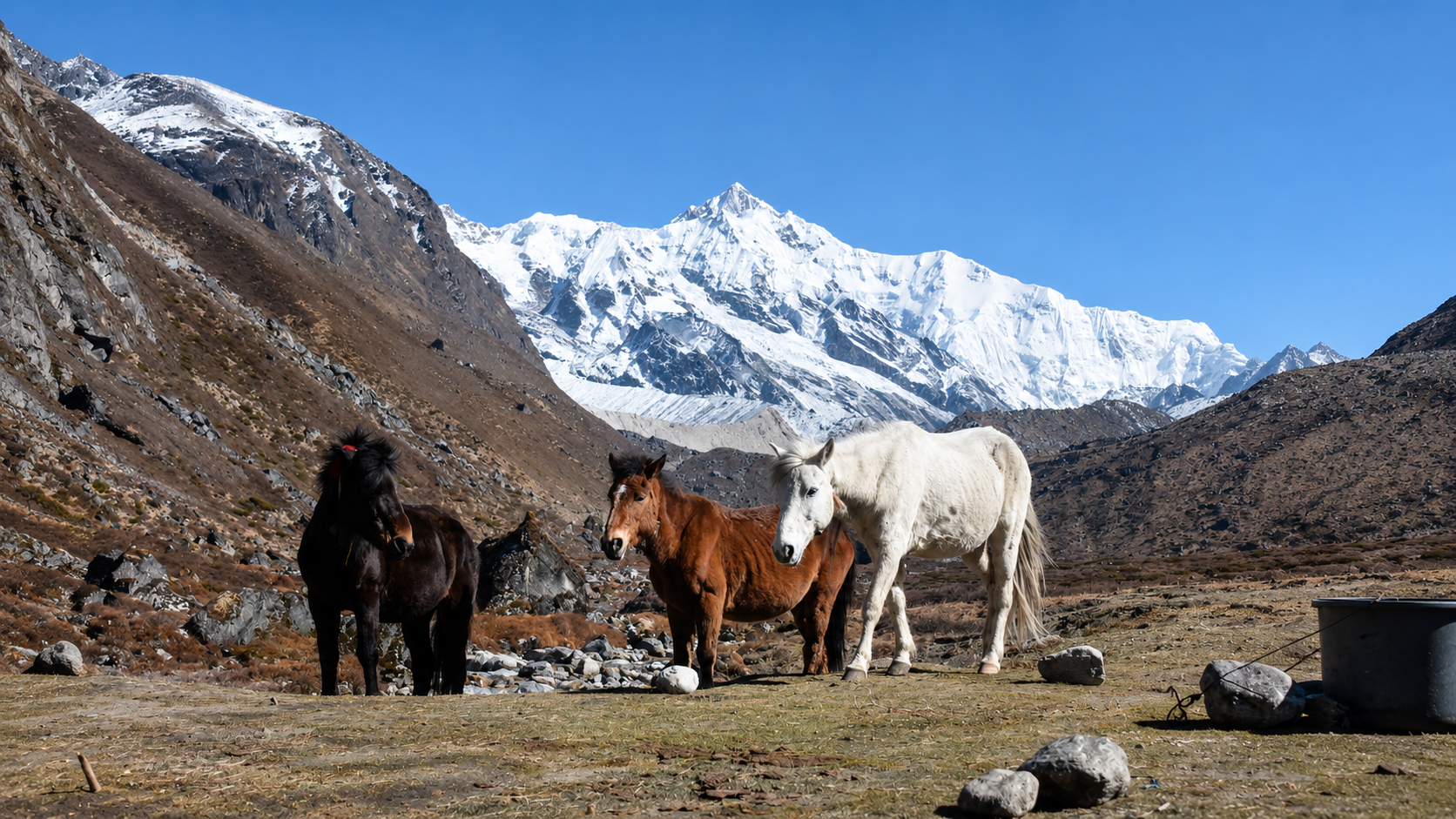
The biggest attraction of the Everest Base Camp Trek is the opportunity to explore one of the greatest mountain landscapes on Earth.
During the trek, travellers can see:
- Mount Everest (8,848.86 m)
- Lhotse (8,516 m)
- Nuptse (7,861 m)
- Ama Dablam (6,812 m)
- Pumori (7,161 m)
- Thamserku (6,608 m)
One of the biggest highlights is the early morning hike to Kala Patthar (5,545 m).
Kala Patthar is considered the best viewpoint of the trek because it offers a panoramic sunrise view of Mount Everest, Lhotse, Nuptse and the surrounding Himalayan range.
Although Everest Base Camp is an unforgettable achievement, Mount Everest itself is partially hidden from Base Camp because of surrounding peaks. For the best Everest views, Kala Patthar remains the ultimate viewpoint.
2. Experience Sherpa Culture and Himalayan Villages
The Everest region is famous not only for mountains but also for its unique Sherpa culture.
The Sherpa people have lived in the Himalayan valleys for generations and are internationally respected for their mountaineering skills, hospitality and deep connection with the mountains.
During the trek, travellers experience:
- Traditional Sherpa villages
- Buddhist monasteries
- Prayer wheels and Mani walls
- Local mountain lifestyles
- Traditional Nepali food
- Sherpa hospitality
Namche Bazaar (3,440 m)
Namche Bazaar is the largest settlement in the Khumbu region and an important trading centre for local communities.
It is one of the most important stops on the Everest Base Camp route because trekkers usually spend an acclimatization day here.
Highlights include:
- Everest View Hotel
- Sherpa Culture Museum
- Local markets
- Mountain cafés
- Traditional villages
From Namche Bazaar, trekkers begin to experience the dramatic Himalayan scenery, with impressive views of Everest-region peaks appearing around the valley.
Tengboche Monastery (3,860 m)
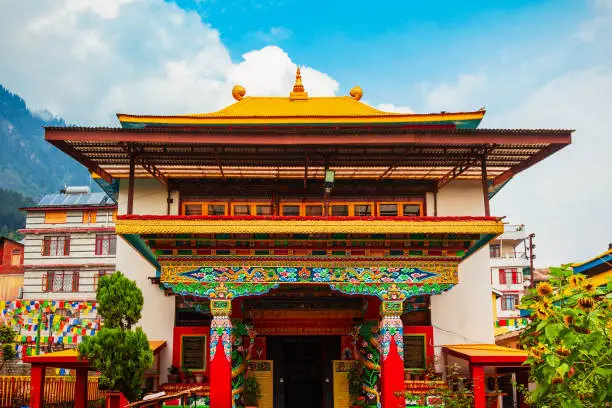
Tengboche Monastery is one of the most important Buddhist monasteries in the Everest region.
Located in a spectacular mountain setting, the monastery offers peaceful surroundings and stunning views of:
- Ama Dablam
- Mount Everest
- Lhotse
- Surrounding Himalayan peaks
Many trekkers consider Tengboche one of the most beautiful cultural highlights of the entire journey.
3. Explore Sagarmatha National Park
A major highlight of the Everest Base Camp Trek is trekking through Sagarmatha National Park, Nepal’s first UNESCO World Heritage Site.
The park was established in 1976 and was listed as a UNESCO World Heritage Site in 1979 because of its outstanding natural and cultural importance.
The park protects:
- Himalayan forests
- Alpine landscapes
- Glacial valleys
- High-altitude ecosystems
- Rare wildlife species
Possible wildlife sightings include:
- Himalayan Thar
- Musk Deer
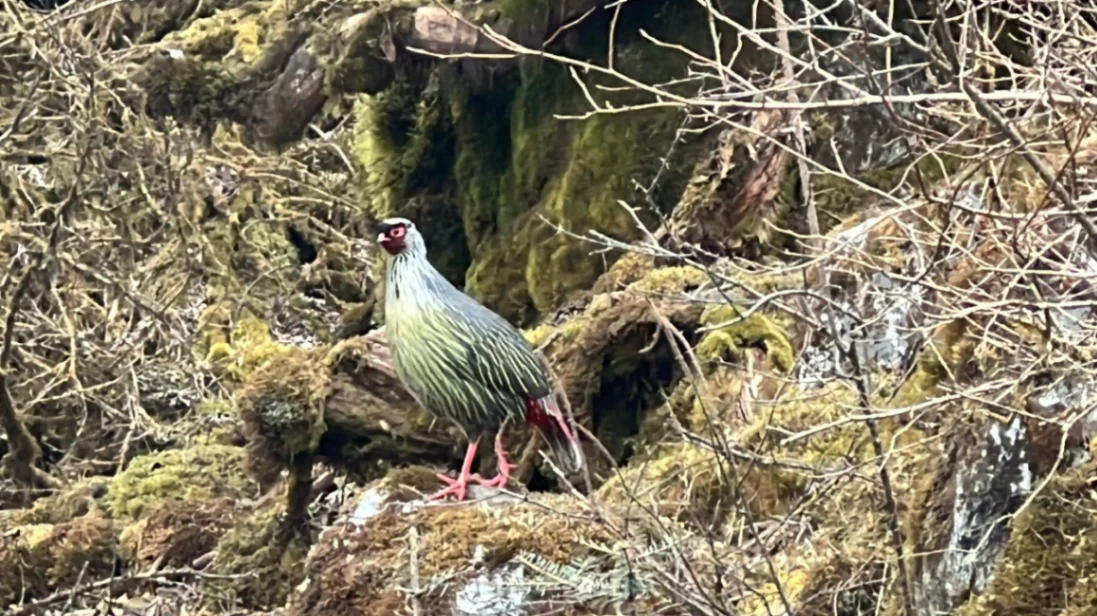
- Himalayan Monal
- Snow Leopard (rare)
The landscape changes dramatically as the altitude increases. Lower sections feature pine and rhododendron forests, while higher elevations become rocky alpine landscapes surrounded by glaciers and snow-covered peaks.
Everest Base Camp Trek Route
The classic Everest Base Camp Trek follows this route:
Kathmandu → Lukla → Phakding → Namche Bazaar → Tengboche → Dingboche → Lobuche → Gorak Shep → Everest Base Camp → Kala Patthar → Lukla → Kathmandu
The trek gradually climbs from:
Lukla: 2,860 m
to:
Everest Base Camp: 5,364 m
and:
Kala Patthar: 5,545 m
A successful Everest Base Camp itinerary includes acclimatization days to allow the body to adjust safely to altitude.
Major Places Along the Everest Base Camp Trek Route
Lukla (2,860 m)
Lukla is the gateway to the Everest region and the starting point of most Everest Base Camp Trek itineraries.
Most trekkers first arrive in Kathmandu and then take a scenic mountain flight to Lukla.
The first trekking day begins from Lukla, following the Dudh Koshi River valley towards Phakding.
Phakding (2,610 m)
Phakding is usually the first overnight stop on the Everest Base Camp Trek.
Located along the Dudh Koshi River, this peaceful village provides a gentle introduction to the Himalayan trekking environment before the trail climbs towards Namche Bazaar.
Namche Bazaar (3,440 m)
Namche Bazaar is the cultural and economic centre of the Everest region.
Main attractions include:
- Everest View Point
- Sherpa Museum
- Local markets
- Mountain cafés
- Traditional settlements
Trekkers normally spend an acclimatization day here before continuing higher.
Tengboche (3,860 m)
Tengboche is famous for its historic monastery and incredible views of Ama Dablam.
The trail approaching Tengboche is considered one of the most scenic sections of the trek.
Dingboche (4,410 m)
Dingboche is one of the most important acclimatization points on the Everest Base Camp route.
Most trekkers spend an additional night here before heading towards Lobuche and Gorak Shep.
The village provides excellent views of:
- Ama Dablam
- Island Peak
- Lhotse
- Himalayan ridges
Lobuche (4,940 m)
Lobuche is a small settlement located near the final section of the Everest Base Camp route.
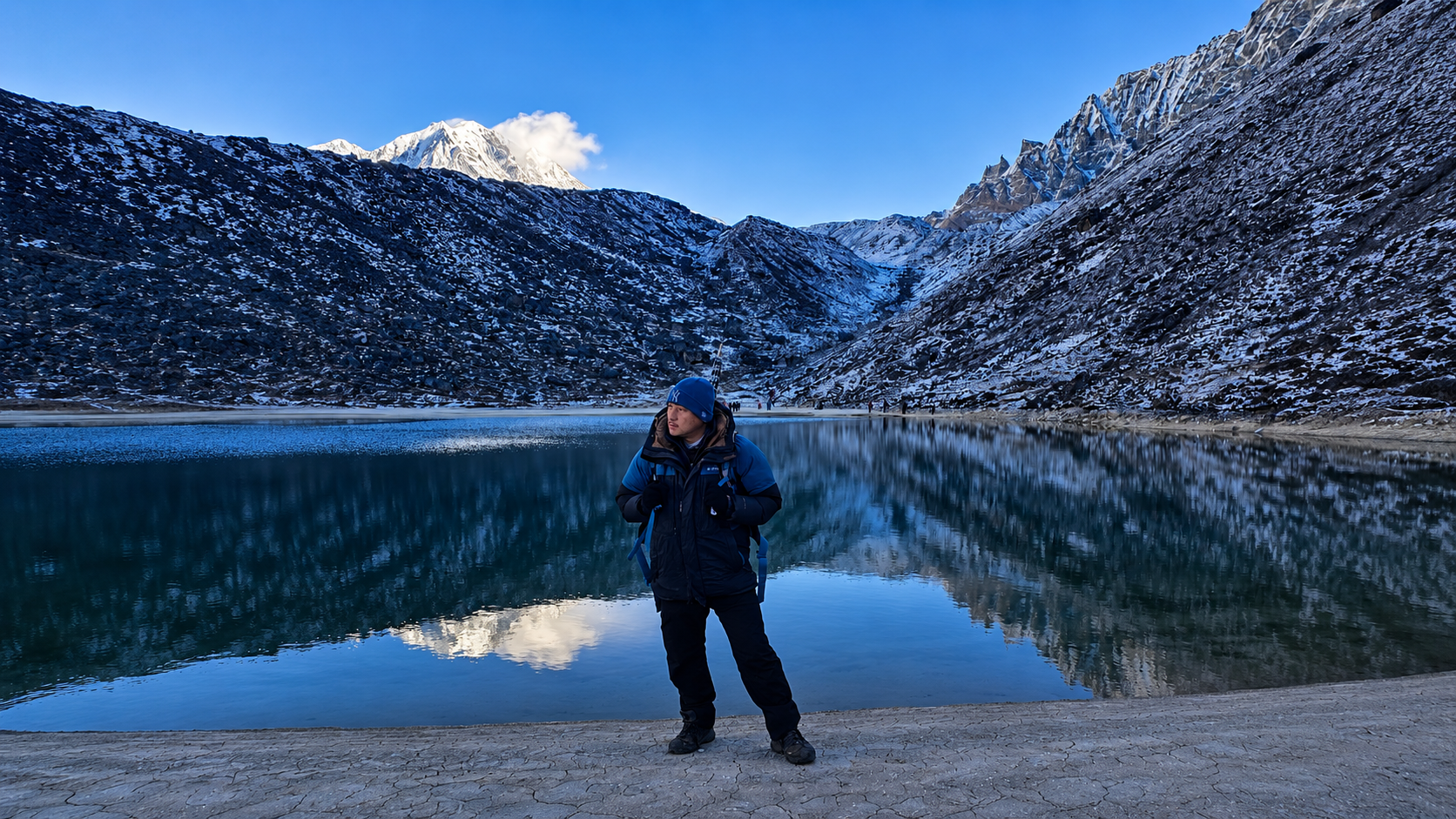
The landscape becomes more rugged here, with rocky terrain, glaciers and dramatic mountain scenery.
Gorak Shep (5,164 m)
Gorak Shep is the last settlement before reaching Everest Base Camp.
From here trekkers hike to:
- Everest Base Camp (5,364 m)
- Kala Patthar (5,545 m)
Everest Base Camp Trek Itinerary
The typical Everest Base Camp Trek itinerary takes around 14 days from Kathmandu to Kathmandu.
This duration provides enough time for proper acclimatization and allows trekkers to enjoy the journey without rushing through the Khumbu Valley.
A standard Everest Base Camp Trek itinerary includes:
- Arrival and preparation in Kathmandu
- Scenic flight from Kathmandu to Lukla
- Trek from Lukla to Phakding
- Trek to Namche Bazaar
- Acclimatization day at Namche Bazaar
- Trek through Tengboche and Dingboche
- Acclimatization day at Dingboche
- Trek to Lobuche and Gorak Shep
- Hike to Everest Base Camp
- Sunrise hike to Kala Patthar
- Return trek through the Khumbu Valley
- Flight back to Kathmandu from Lukla
A gradual ascent is one of the most important factors for a safe and successful Everest Base Camp Trek experience.
Everest Base Camp Trek Distance & Altitude
The Everest Base Camp Trek distance is approximately 120 km round trip, depending on the exact itinerary and side trips included.
The distance itself is manageable for regular walkers, but the main challenges are:
- Increasing altitude
- Long walking days
- Steep uphill sections
- Changing mountain weather conditions
The trek starts from Lukla (2,860 m) and gradually climbs through the Khumbu Valley to:
- Everest Base Camp (5,364 m)
- Kala Patthar (5,545 m)
Kala Patthar is the highest point of the classic Everest Base Camp Trek route and provides the best panoramic views of Mount Everest.
Main Altitude Points on the Route
| Location | Altitude |
|---|---|
| Lukla | 2,860 m |
| Phakding | 2,610 m |
| Namche Bazaar | 3,440 m |
| Tengboche | 3,860 m |
| Dingboche | 4,410 m |
| Lobuche | 4,940 m |
| Gorak Shep | 5,164 m |
| Everest Base Camp | 5,364 m |
| Kala Patthar | 5,545 m |
The biggest challenge of the trek is not only the walking distance but adapting to the lower oxygen levels at high altitude.
Above 3,000 metres, the body needs time to adjust. A well-planned itinerary with acclimatization days helps reduce the risk of altitude-related problems.
For a safer high-altitude trekking experience, trekkers should:
- Walk slowly and maintain a steady pace
- Drink enough water
- Eat properly
- Follow the guidance of experienced guides
- Avoid rushing to higher elevations
Everest Base Camp Trek Difficulty
How Difficult is the Everest Base Camp Trek?
The Everest Base Camp Trek is considered a challenging high-altitude trek because of the elevation gain, long walking days and mountain conditions.
However, it does not require technical climbing skills, ropes or mountaineering experience.
The trek is achievable for physically fit beginners and experienced hikers who prepare properly and follow a gradual acclimatization schedule.
The main factors that determine the difficulty of the Everest Base Camp Trek are:
- High altitude
- Long hours of walking
- Uneven mountain trails
- Steep ascents and descents
- Cold weather conditions
- Physical endurance requirements
Altitude Challenge
The biggest challenge of the Everest Base Camp Trek is the altitude.
As trekkers climb higher, the amount of oxygen in the air decreases, and the body needs time to adapt.
Altitude-related symptoms may include:
- Headache
- Fatigue
- Shortness of breath
- Loss of appetite
- Sleep difficulties
- Dizziness
A safe Everest Base Camp itinerary includes acclimatization days at:
- Namche Bazaar
- Dingboche
These acclimatization days are not complete rest days. Trekkers usually take short hikes to higher elevations and return to sleep at the same altitude, helping the body adjust gradually.
Long Walking Days
Most trekking days involve approximately:
5–8 hours of walking per day
The trail includes:
- Steep uphill sections
- Rocky paths
- Stone steps
- Suspension bridges
- Glacier areas
- Long downhill sections
The walking pace is generally slow because of the altitude. The goal is not speed but maintaining consistent energy throughout the journey.
Physical Fitness Required for Everest Base Camp Trek
Trekkers should begin preparing several weeks before departure.
The main areas of preparation include:
Cardiovascular Fitness
Good cardiovascular endurance helps your body handle long trekking days and high-altitude conditions.
Recommended activities:
- Running
- Cycling
- Swimming
- Stair climbing
- Long-distance hiking
Leg Strength
Strong legs are important because the route includes continuous uphill climbs and downhill sections.
Useful exercises include:
- Squats
- Lunges
- Step-ups
- Walking with a backpack
- Hiking on uneven terrain
Mental Preparation
High-altitude trekking also requires mental strength.
Trekkers should be prepared for:
- Cold temperatures
- Basic mountain facilities
- Long walking days
- Changing weather
- Remote mountain environments
Patience, a positive mindset and proper preparation are important for successfully completing the Everest Base Camp Trek.
Best Time to Trek Everest Base Camp in 2026
The best seasons for the Everest Base Camp Trek 2026 are spring (March–May) and autumn (September–November).
These months generally offer stable weather, clearer mountain views and better trekking conditions.
Each season provides a different experience.
Spring Season (March–May)
Spring is one of the most popular seasons for the Everest Base Camp Trek.
During this period, temperatures become warmer and the Himalayan landscape becomes colourful with blooming rhododendron forests.
Advantages of spring trekking:
- Stable weather
- Clear mountain views
- Pleasant daytime temperatures
- Rhododendron flowers in bloom
- Active Everest climbing season
Many Everest expedition teams are active during April and May, making spring an exciting time to visit the region.
Autumn Season (September–November)
Autumn is considered the best overall season for the Everest Base Camp Trek.
After the monsoon, the skies become clearer and visibility improves significantly.
Benefits of autumn trekking:
- Crystal-clear mountain scenery
- Dry trails
- Comfortable temperatures
- Excellent photography conditions
- Stable weather
October and November are especially popular months for trekking.
Winter Season (December–February)
The Everest Base Camp Trek is possible during winter, but trekkers need proper preparation and suitable equipment.
Challenges:
- Very cold temperatures
- Snow-covered trails
- Freezing conditions
- Shorter daylight hours
Advantages:
- Fewer trekkers
- Peaceful trails
- Beautiful snow-covered landscapes
- A quieter Everest experience
Winter trekking is suitable for experienced trekkers who are prepared for cold Himalayan conditions.
Monsoon Season (June–August)
The classic Everest Base Camp Trek is less recommended during the monsoon season.
Challenges include:
- Rain in lower areas
- Cloud-covered mountain views
- Possible Lukla flight delays
- Wet and slippery trails
For the best overall trekking experience, spring and autumn remain the recommended seasons.
Everest Base Camp Trek Cost 2026
The cost of the Everest Base Camp Trek depends on several factors, including:
- Trek duration
- Accommodation standard
- Guide and porter services
- Transportation arrangements
- Package inclusions
A typical Everest Base Camp Trek package may include:
- Airport transfers
- Kathmandu accommodation
- Lukla flights
- Trek permits
- Local guide
- Porter support
- Tea house accommodation
- Meals during the trek
Estimated Everest Base Camp Trek Cost 2026
| Trek Type | Approximate Cost |
|---|---|
| Budget Package | USD 1,200–1,500 per person |
| Standard Package | USD 1,500–2,000 per person |
| Luxury Package | USD 2,500+ per person |
The final cost depends on the level of service, group size and additional facilities selected.
Factors Affecting Everest Base Camp Trek Cost
1. Trek Duration
Longer itineraries usually cost more because they require:
- Additional accommodation
- More meals
- More guide and porter support
- Extra transportation arrangements
The classic Everest Base Camp Trek normally takes around 14 days.
2. Guide and Porter Services
Hiring experienced local guides is highly recommended.
A professional guide provides:
- Route knowledge
- Safety monitoring
- Altitude awareness
- Cultural information
- Emergency support
Porters help carry equipment and make the trek more comfortable, especially at higher elevations.
3. Trek Permits
Trekkers need official permits to enter the Everest region.
The main permits are:
Sagarmatha National Park Permit
This permit allows access to Sagarmatha National Park and contributes to conservation efforts in the region.
Khumbu Pasang Lhamu Rural Municipality Permit
This local permit is required for trekking in the Khumbu region.
Most registered trekking companies arrange these permits before the trek begins.
4. Transportation
The main transportation cost is:
Kathmandu–Lukla–Kathmandu flight
The Lukla flight is an important part of the Everest Base Camp Trek because there is no direct road connection to the trailhead.
Flight schedules can be affected by:
- Weather conditions
- Mountain visibility
- Seasonal changes
Accommodation on Everest Base Camp Trek
Accommodation on the Everest Base Camp Trek is mainly provided in mountain tea houses.
Tea houses are traditional mountain lodges that offer simple but comfortable facilities for trekkers throughout the Khumbu region.
The facilities generally include:
- Shared or private rooms (availability depends on location and season)
- Beds with blankets
- Dining areas
- Shared bathrooms
- Charging facilities
- Hot drinks
Lower-altitude villages usually have better facilities, while higher settlements become more basic because transportation is difficult and the environment is harsher.
Places such as Lobuche and Gorak Shep have more limited facilities due to their remote location and high altitude.
However, tea houses remain an important part of the Everest trekking experience because they provide:
- Warm shelter
- Fresh meals
- Rest after long trekking days
- Opportunities to interact with local communities
Food on Everest Base Camp Trek
Food plays an important role in maintaining energy during long trekking days.
Tea houses along the Everest Base Camp route provide a variety of meals, including traditional Nepali food and basic international dishes.
Dal Bhat
Dal bhat is the most popular trekking meal in Nepal.
It usually consists of:
- Rice
- Lentils
- Vegetables
- Pickles
Many trekkers choose dal bhat because it provides a good balance of carbohydrates and energy required for high-altitude trekking.
Noodles and Rice Meals
Common meals available during the trek include:
- Fried rice
- Noodles
- Pasta
- Soups
- Vegetable dishes
Soups are especially popular at higher elevations because they provide warmth and hydration in cold mountain conditions.
Popular options include:
- Garlic soup
- Vegetable soup
- Noodle soup
Breakfast Options
Breakfast choices usually include:
- Eggs
- Bread
- Pancakes
- Oatmeal
- Tea
- Coffee
A nutritious breakfast helps provide energy for a full day of trekking.
Everest Base Camp Trek Packing List
Packing properly is important because weather conditions in the Everest region can change quickly.
A good packing list should include:
Clothing
- Down jacket
- Thermal base layers
- Fleece jacket
- Waterproof jacket
- Trekking pants
- Warm gloves
- Wool hat
- Trekking socks
Footwear
- Good-quality hiking boots
- Hiking socks
- Camp shoes
- Sandals or slippers
Trekking Equipment
- Sleeping bag
- Trekking poles
- Headlamp
- Sunglasses
- Water bottle or hydration system
- Day backpack
Personal Items
- Sunscreen
- Lip balm
- Personal medications
- Toiletries
- Travel documents
- Camera
A good packing strategy is to focus on staying warm, comfortable and prepared for changing mountain weather.
Everest Base Camp Trek Safety & Altitude Sickness
Altitude sickness is one of the main safety concerns during the Everest Base Camp Trek.
As altitude increases, oxygen levels decrease, and the body needs time to adjust.
Altitude-related symptoms may include:
- Headache
- Nausea
- Fatigue
- Loss of appetite
- Difficulty sleeping
- Dizziness
Trekkers should:
- Ascend gradually
- Follow proper acclimatization schedules
- Maintain a slow and steady walking pace
- Drink enough water
- Avoid alcohol during the trek
- Inform guides immediately if symptoms appear
Experienced guides monitor:
- Walking pace
- Weather conditions
- Altitude symptoms
- Overall health condition
Safety should always come before reaching the destination quickly.
Preparing for Everest Base Camp Trek
Proper preparation makes the Everest Base Camp Trek safer, more comfortable and more enjoyable.
Trekkers should begin preparing several weeks before arriving in Nepal.
Cardiovascular Training
Good endurance helps the body manage long trekking days and high-altitude conditions.
Recommended activities include:
- Running
- Cycling
- Swimming
- Hiking
- Stair climbing
Focus on improving:
- Leg strength
- Core muscles
- Balance and stability
Strength Training
Strong muscles help during long climbs and descents.
Useful exercises include:
- Squats
- Lunges
- Step-ups
- Weight training
- Backpack walking
Practice Hikes
Before travelling to Nepal, it is useful to complete:
- Long-distance hikes
- Backpacking trips
- Walking on uneven terrain
Regular hiking practice helps your body adjust to long trekking days.
Mental Preparation
The Everest Base Camp Trek is not only a physical challenge but also a mental experience.
Trekkers should be ready for:
- Cold temperatures
- Basic facilities
- Long walking days
- Changing weather
- Remote mountain environments
Patience and a positive attitude help make the journey more enjoyable.
Everest Base Camp Trek FAQs
How difficult is the Everest Base Camp Trek?
The Everest Base Camp Trek is a challenging high-altitude trek because of the elevation, long walking days and changing mountain conditions.
However, it is achievable for physically fit beginners and experienced hikers with proper preparation, gradual acclimatization and a steady pace.
Can beginners do the Everest Base Camp Trek?
Yes. Physically fit beginners can complete the Everest Base Camp Trek if they prepare properly, train before the trek and follow a suitable itinerary with enough acclimatization days.
How long does the Everest Base Camp Trek take?
The classic Everest Base Camp Trek usually takes around 14 days from Kathmandu to Kathmandu, including acclimatization days and return travel.
Do you need to be a climber to reach Everest Base Camp?
No. Everest Base Camp is a trekking destination and does not require technical climbing skills or mountaineering experience.
Trekkers only need good fitness, preparation and proper altitude awareness.
Is the Everest Base Camp Trek safe?
Yes, the trek is generally safe when travellers are properly prepared, follow responsible trekking practices and are supported by experienced guides.
The most important safety factors are:
- Proper acclimatization
- Weather awareness
- Suitable equipment
- Listening to your guide
Final Thoughts
The Everest Base Camp Trek 2026 is much more than a journey to the foot of the world’s highest mountain.
It is an unforgettable experience combining Himalayan landscapes, Sherpa culture, Buddhist traditions and personal achievement.
From walking through beautiful Khumbu Valley villages to standing beneath Mount Everest, every stage of the journey creates lifelong memories.
With proper preparation, the right trekking season, suitable equipment and experienced local support, the Everest Base Camp Trek remains one of the most rewarding adventures in Nepal.
For travellers looking to experience the Himalayas, the trail to Everest Base Camp offers the perfect combination of adventure, culture and natural beauty.