Introduction
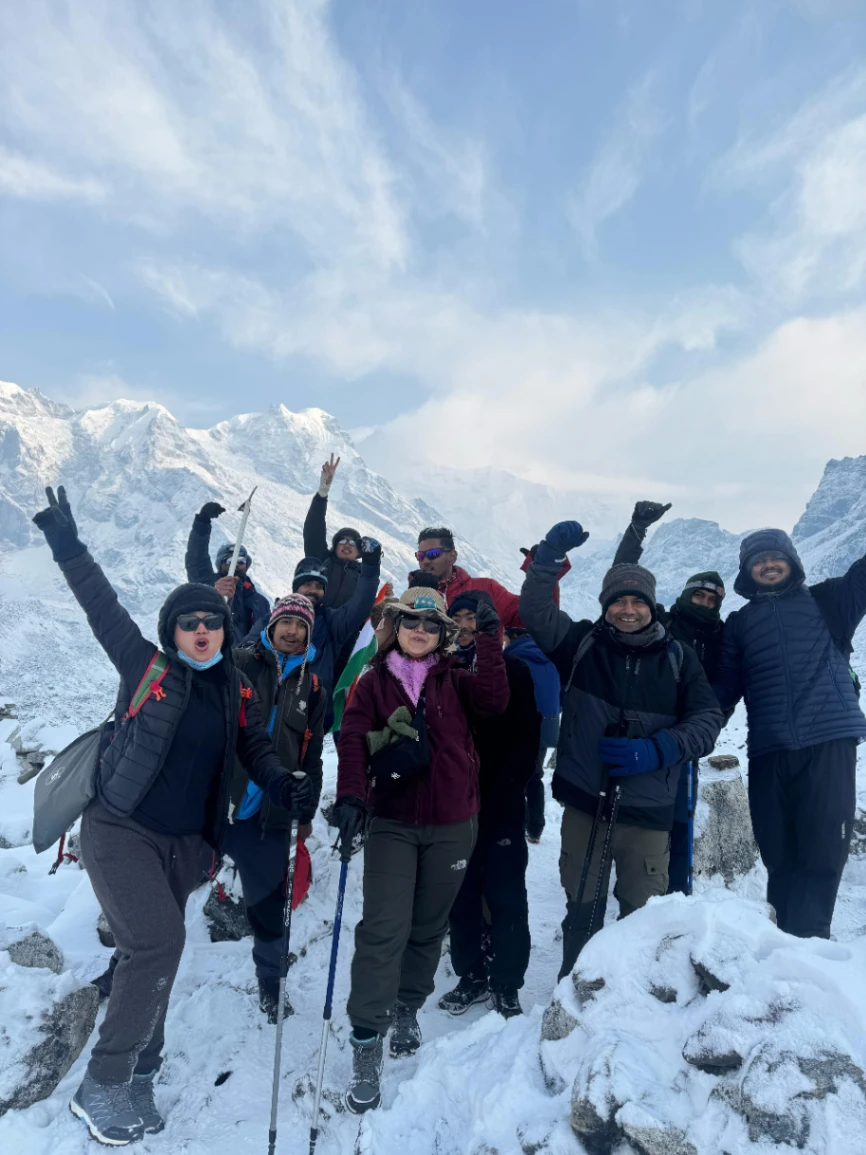
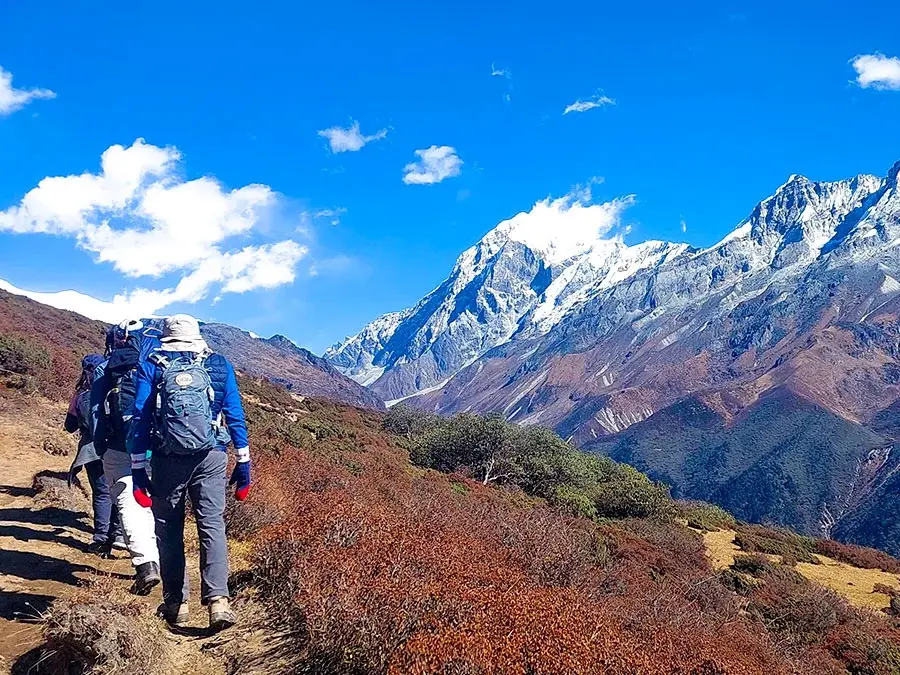
Goechala trek is one of the greatest high altitude adventures one can ever have in the Indian Himalayas. This eight-day package adventure organized by Indiahikes is an excursion that proceeds through the purest forests, alpine meadows, and glacial valleys to reach heights of more than 15,000 feet and have a spectacular view of the third-highest mountain in the world, Mount Kanchenjunga.
To plan your experience in goechala trek indiahikes you need to know the itinerary of each day in terms of camp location, height increase and what you should expect to see in each day. This step by step guide will get you ready both mentally and physically in one of the most difficult, yet ultimately rewarding Sikkim trekking experiences.
The Goechala trek itinerary is developed keeping in mind close acclimatization as stated by veteran Himalayan guide Tenzin Sherpa. The climb is computed on daily basis so that your body can adapt well to the thin mountainous air as well as increase your possibilities of making it to the view point.
This will be a full day to day itinerary.

Day Wise Goechala Trek Itinerary
Day 1: Yuksom to Sachen (7,200 ft)
| Aspect | Details |
| Distance | 6 km |
| Trek Duration | 4-5 hours |
| Altitude Gain | 2,000 ft |
| Trail Type | Slow climb up through wood. |
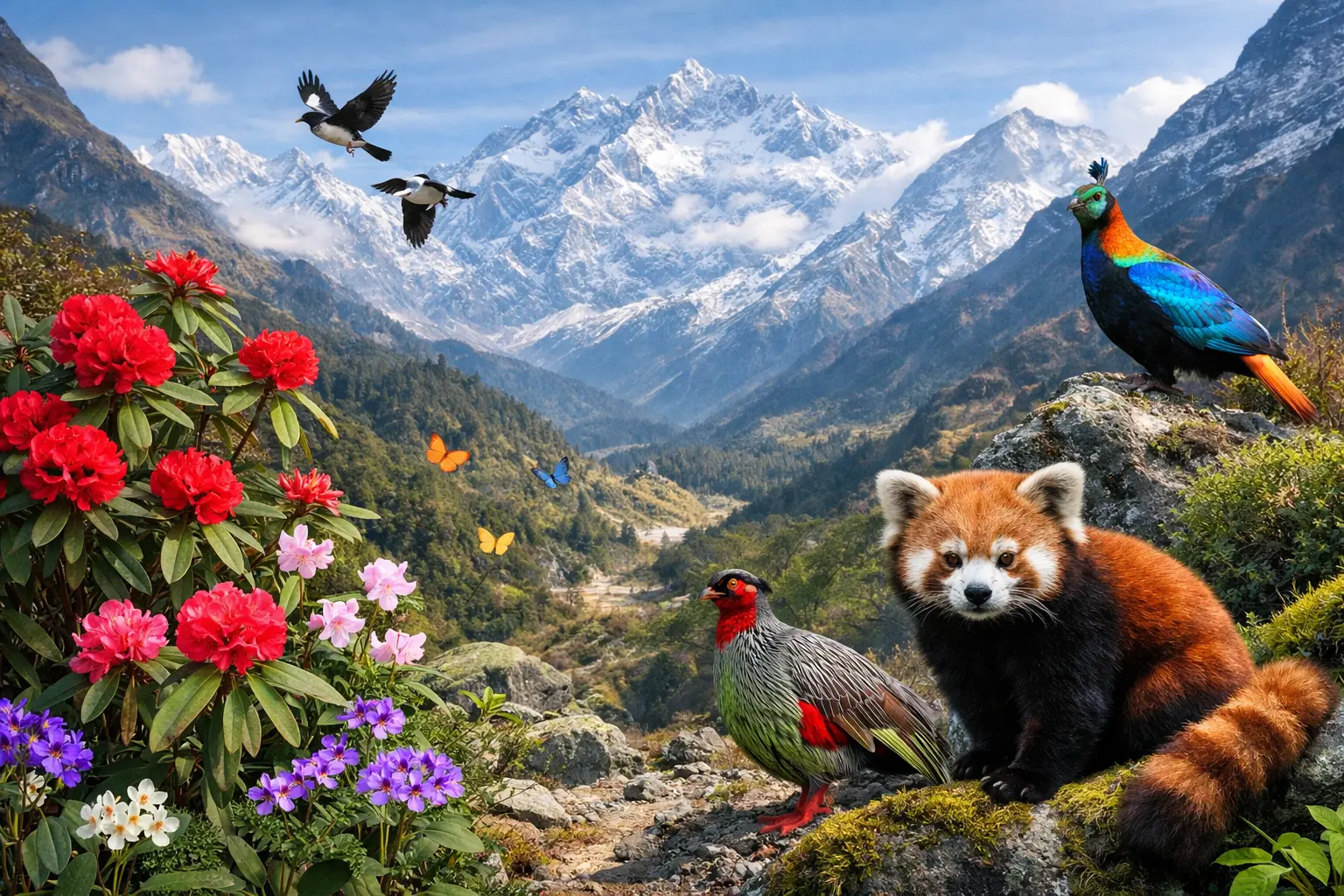
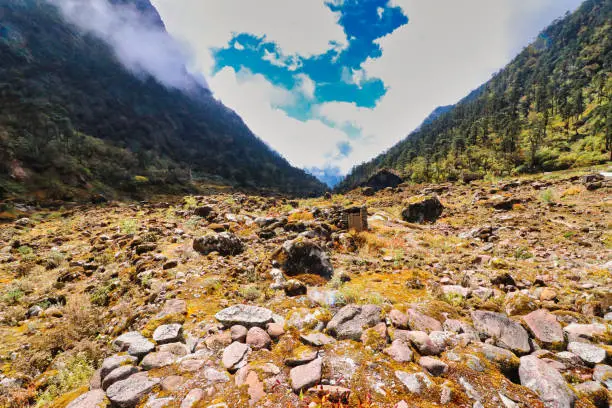
The journey to goechala trek indiahikes starts at Yuksom which was the historic first capital of Sikkim. The path is surrounded by rhododendron woods and the Rathong River. Your initial camping place at Sachen is a soft introduction to camping in the mountains with the roaring waterfall to keep you in the night.
Day 2: Sachen to Tshoka (9,700 ft)
This is a day of a stiffer ascending through splendid woods. Indiahikes road will lead you more into the Kanchenjunga National Park where you may be able to see some of the more elusive birds and animals. You arrive at a traditional Tibetan village, Tshoka village, which is the place to experience the culture as well as nature.
This is a difficult one to make with the gain of 2,500 feet, yet the trek guides keep the walk at a steady pace, which makes sure that there is a good degree of acclimatization.
Day 3: Tshoka to Dzongri (13,200 ft)
| Aspect | Details |
| Distance | 7 km |
| Trek Duration | 5-6 hours |
| Altitude Gain | 3,500 ft |
| Highlight | First views of Kanchenjunga |
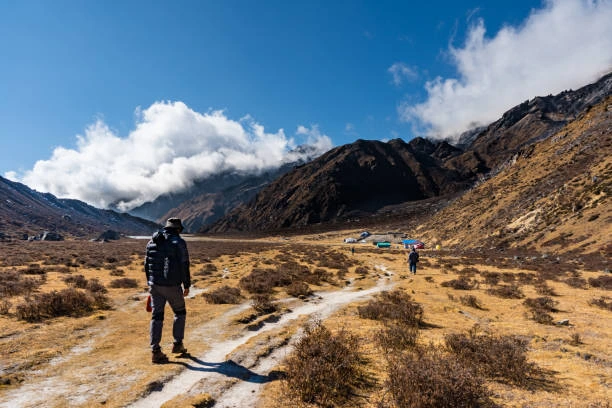
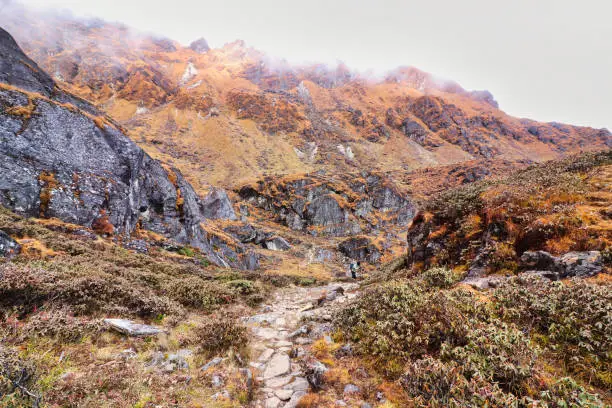
This marks the first high point of the Goechala trek. The trail gets out of the forest area and leads to alpine meadows. Dzongri is an important acclimatization point and weather allowing, you will get the first glimpse of the sunset of the Kanchenjunga massif.
Day 4: It is an acclimatization day at Dzongri accompanied by Dzongri top hike.
In the goechala trek indiahikes itinerary, Indiahikes takes a special acclimatization day. Trekkers also make it to the Dzongri Top (13, 700 ft) to have a panoramic view of several mountains such as Pandim, Kabru and Kanchenjunga. It is a slow introduction of your body to elevated altitude that makes your body ready to face the hard days to come.
Day 5: Dzongri to Thangsing (12,900 ft)
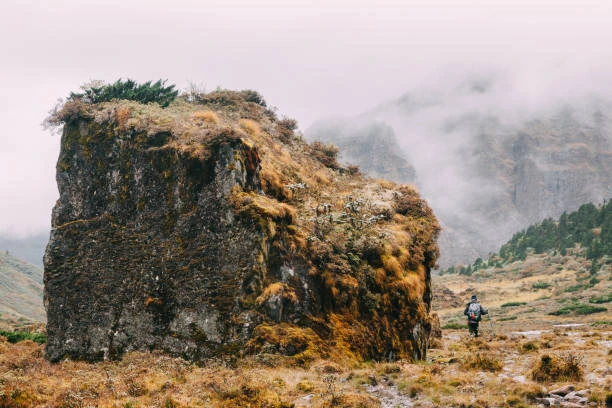
Such position reduction up to Thangsing may seem counterintuitive, yet such strategic reduction of altitude facilitates acclimatization. The path goes through the Phedang fields, which provide various views of the nearby mountains. The Thangsing camp is located in a valley where the streams of the mountain and the grazing yaks make a pastoral view.
Day 6: Thangsing to Lamuney (13,700 ft)
| Aspect | Details |
| Distance | 4 km |
| Trek Duration | 3-4 hours |
| Altitude Gain | 800 ft |
| Camp Location | Base of Samiti Lake |
This day is shorter, placing you on the summit push to Goechala Pass. The Lamuney camping site boasts of stunning access to the mountains. This is what many trekkers state as their favorite camping site throughout the walk of goechala trek indiahikes.
Day 7: Lamuney-Goechala-Kokchurung (12,000 ft) -Goechala.
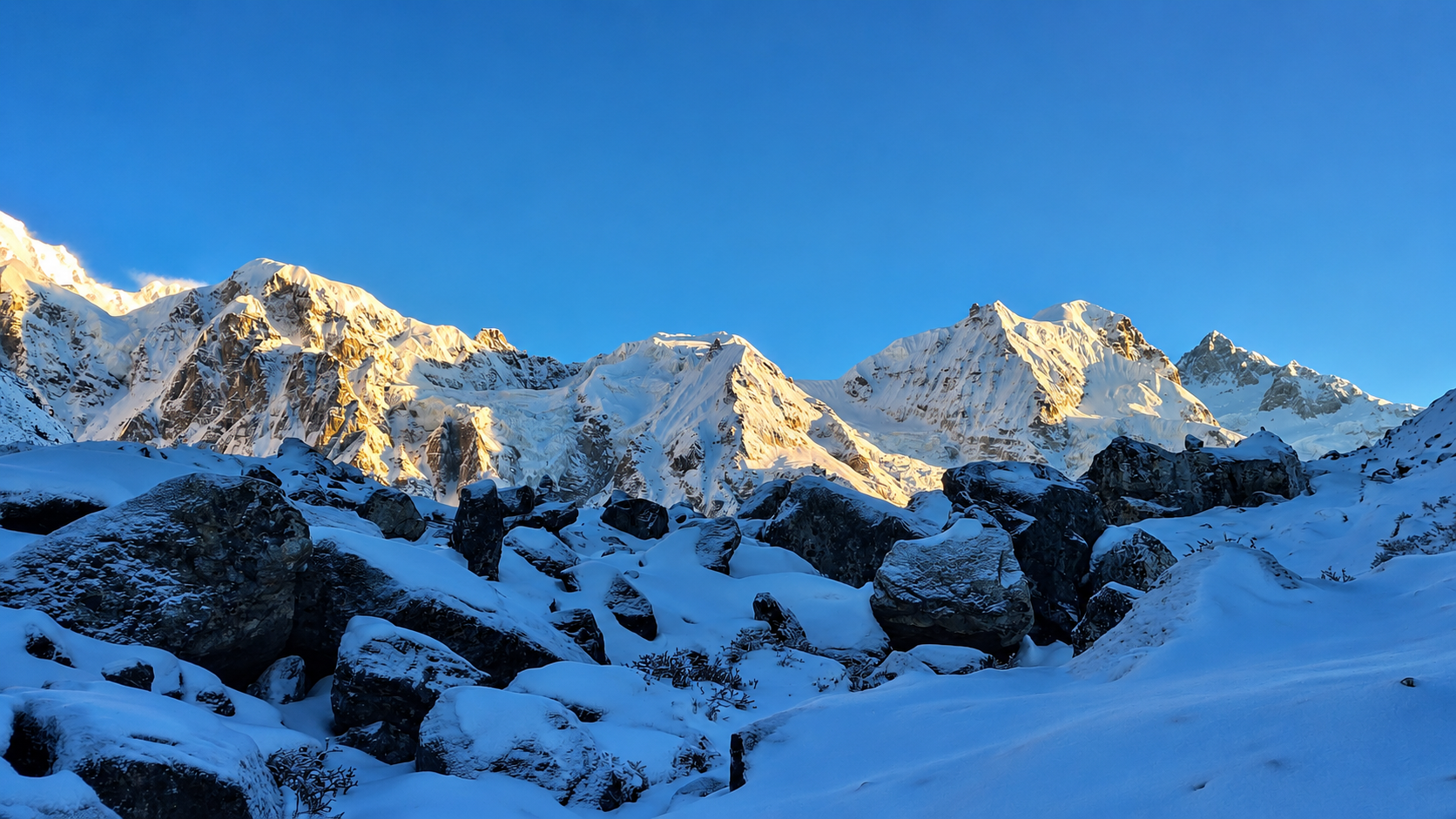
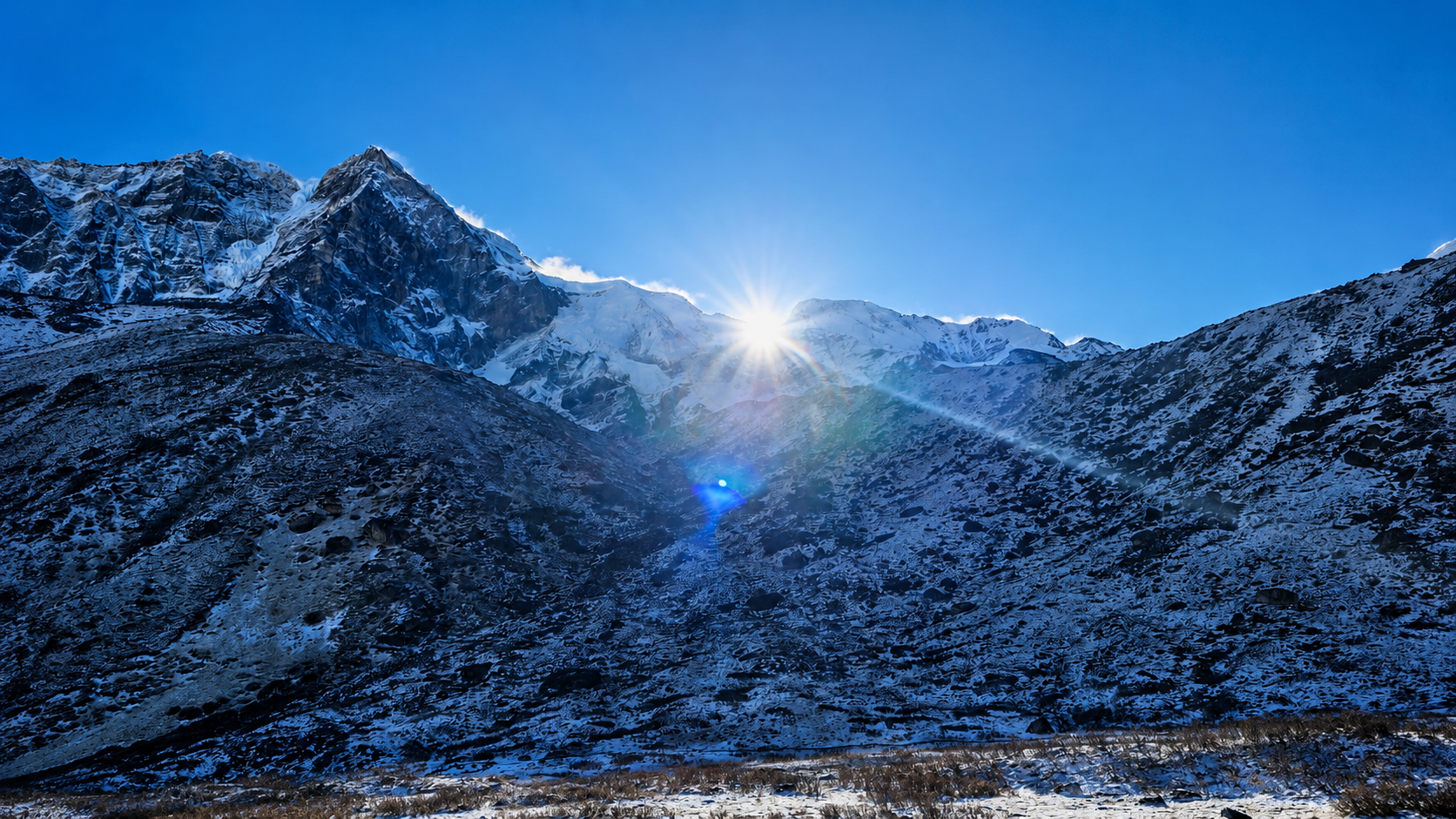
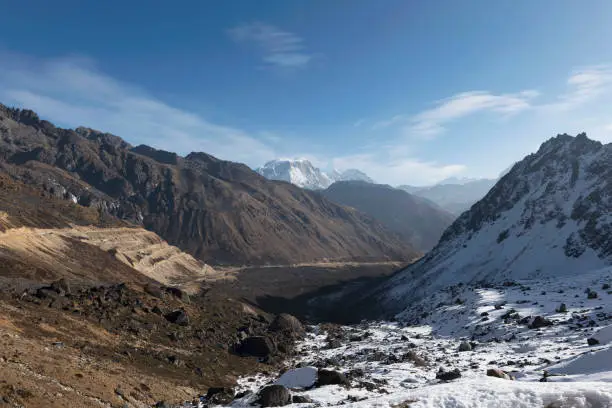
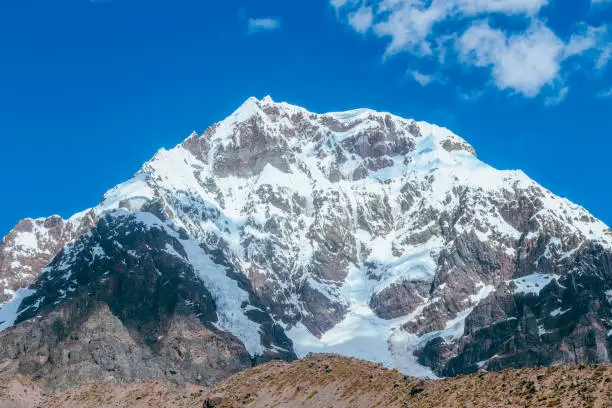
The summit day starts at 3: 00AM so that a pre-dawn ascent to Goechala view point (15,100 ft) takes place. The reward? The clear view of the sun rising over the Kanchenjunga massif with the mountain appearing orange and pink to the early sunlight. Trekking at the point, the trekkers spend the night at Kokchurung.
To experience the sunrise at Goechala Pass is an experience that one will always remember as trekker Jessica Martinez expresses. The whole Kanchenjunga range is stretched in front of you and resembles the cathedral of nature.
Day 8: Kokchurung-Yuksom-via-Tshoka.
The last day is a lengthy downhill walk that leads to Yuksom via forests. This is a full day of trekking although it is mostly downhill due to the distance. The Goechala trek has an outcome similar to its start and the participants tend to be changed by the trek.
Camp Amenities and facilities.
All campsites that comprise the Goechala trek are of high standards at Indiahikes:
Large dome sleeping tents (twin sharing).
Restaurant tents, chairs and tables.
Clean toilet tents in every place.
Experienced camping staff
Nice sleeping bags and beds on rent.
Best Time Based on Itinerary
The goechala trek indiahikes is run on two main windows:
Spring (April- May): Rhododendron flowers, sunny weather, average temperatures.
Autumn (September-October): Clean air, visibility is clear, the weather is not changing.
Sometimes winter excursions are available but they need extra cold weather preparation.
Conclusion
Goechala trek indiahikes itinerary is a well-designed expedition with the required level of difficulty and safety. The eight days long itinerary is enough to allow acclimatization and as much as possible see the beautiful Himalayan scenery of Sikkim. Since the Sachen woods to the heights of Goechala Pass, every day brings new experiences and a more and more impressive sight.
The graded nature of indiahikes will mean that even the average trekkers would be able to safely undertake this high altitude adventure. The Goechala trek is accessible with the help of the special acclimatization days, highly trained guiding personnel and well furnished camps without losing the taste of wilderness. This itinerary offers an unforgettable expedition through the Himalayas to those who want to have a close experience of the greatness of Kanchenjunga.
Frequently Asked Questions
Goechala trek Indiahikes itinerary: How challenging is it?
The Goechala trek can be said to be of moderate to difficult levels by virtue of the altitude and the terrain. The Indiahikes itinerary has specific acclimatization days that consider the risks of altitude sickness to a great extent. Some experience in trekking in moderate altitudes is beneficial but fit beginners who train sufficiently can accomplish it. The maximum day has 7km in 5-6 hours.
What is the maximum height of Goechala trek?
View on Goechala Pass: Goechala Pass viewpoint is a high altitude trek at 15,100 feet (4,600 meters). The itinerary is planned whereby the altitude slowly rises with tactical acclimatization certainty at Dzongri (13200 ft) and also incorporates a rest day that will allow your body to acclimatize. This is wise planning to ensure maximum summit success.
Is it possible to view mountain Kanchenjunga in the camps.
Yes! Goechala trek indiahikes camps of Dzongri, Thangsing, and Lamuney all provide a view of Kanchenjunga and other mountains, when the weather is suitable. The grandest of all the views is obtained at Goechala Pass itself, where at a sunrise you are face to face with a massif of Kanchenjunga. These views are essential to having clear weather.
What occurs during the acclimatization day at Dzongri?
The day 4 of Goechala trek itinerary will be devoted to the altitude acclimatization. Leaders of Indiahikes hikes take a group of hikers on a hike to Dzongri top (13,700 ft) to enjoy the mountain view and back to Dzongri camp (13,200 ft) to sleep. This is a system to climb high, sleep low which assists your body to get used to the thiner air.
What is the daily distance of the trek on the Goechala itinerary?
The time spent on trek daily ranges between 3-6 hours. The longest ones are Day 2 (Sachen to Tshoka) and Day 3 (Tshoka to Dzongri), 5-6 hours. At 3 AM the summit day kicks off but is divided into afternoon descent and morning ascent. Indiahikes are moderate speed and have frequent rest durations and the daily distances are achievable by most trekkers.