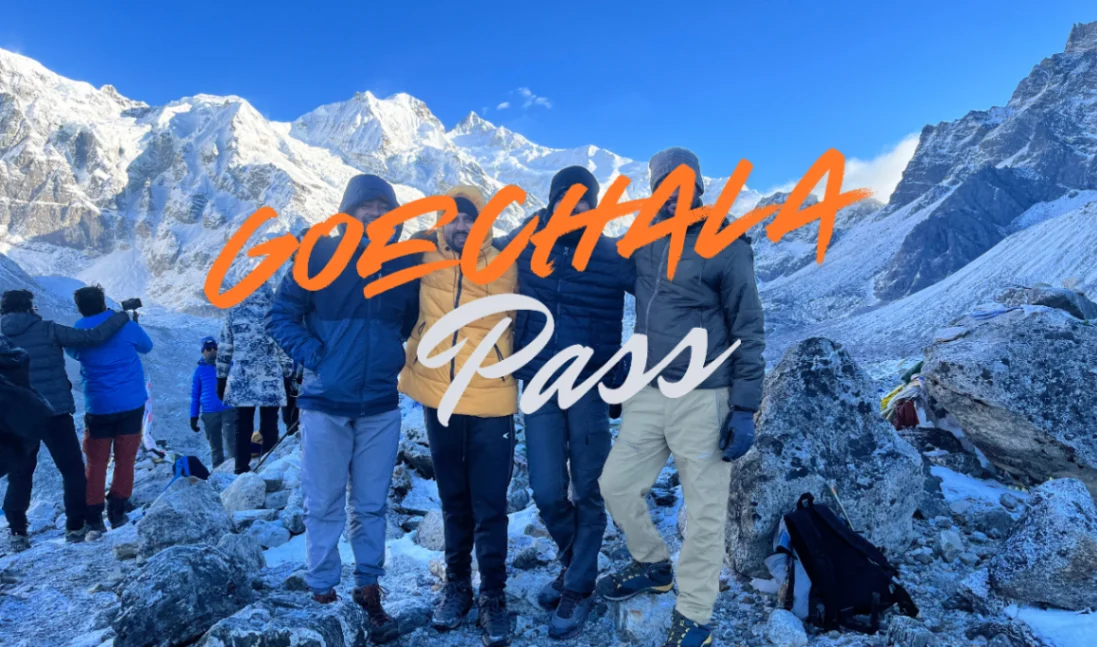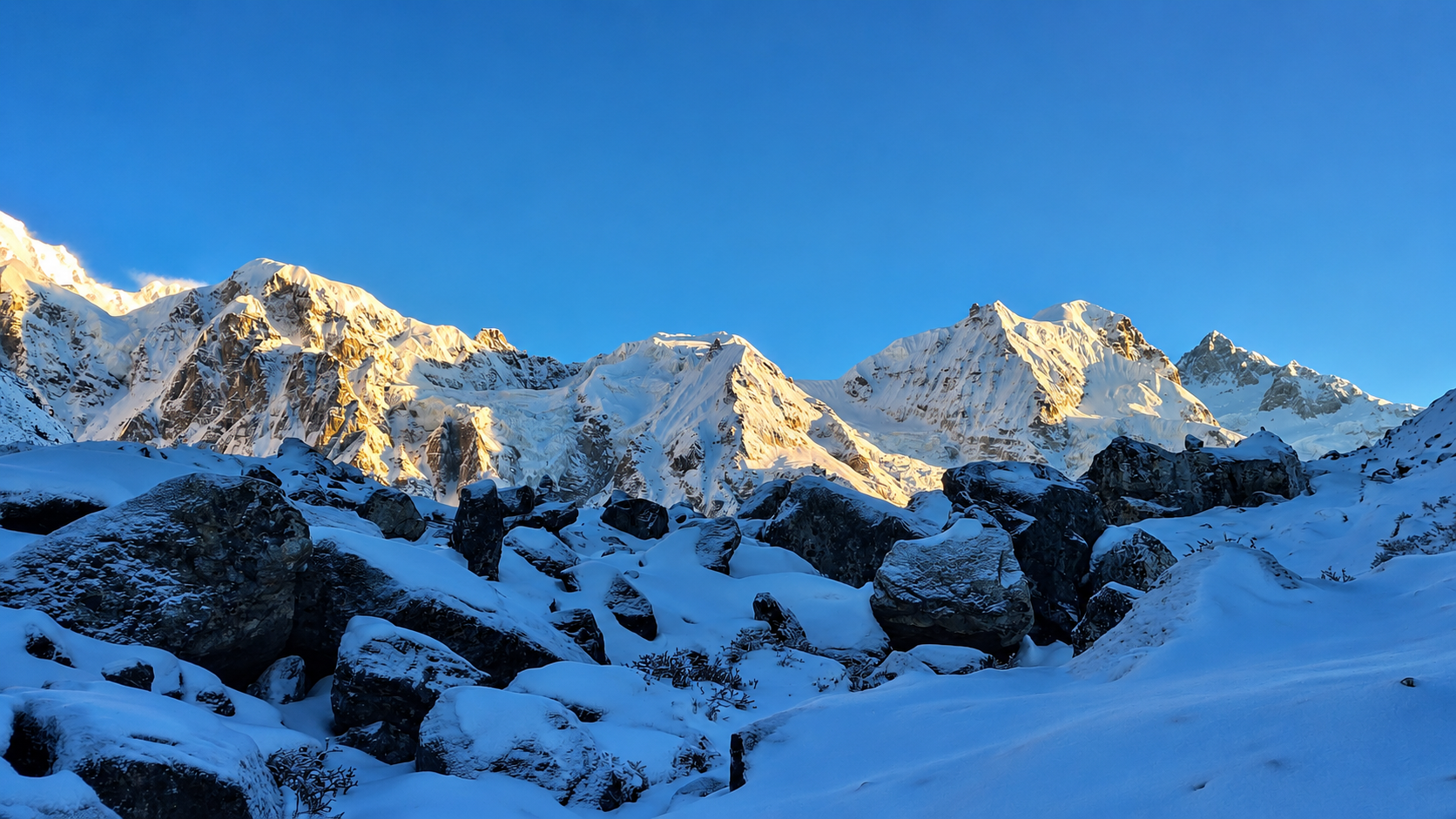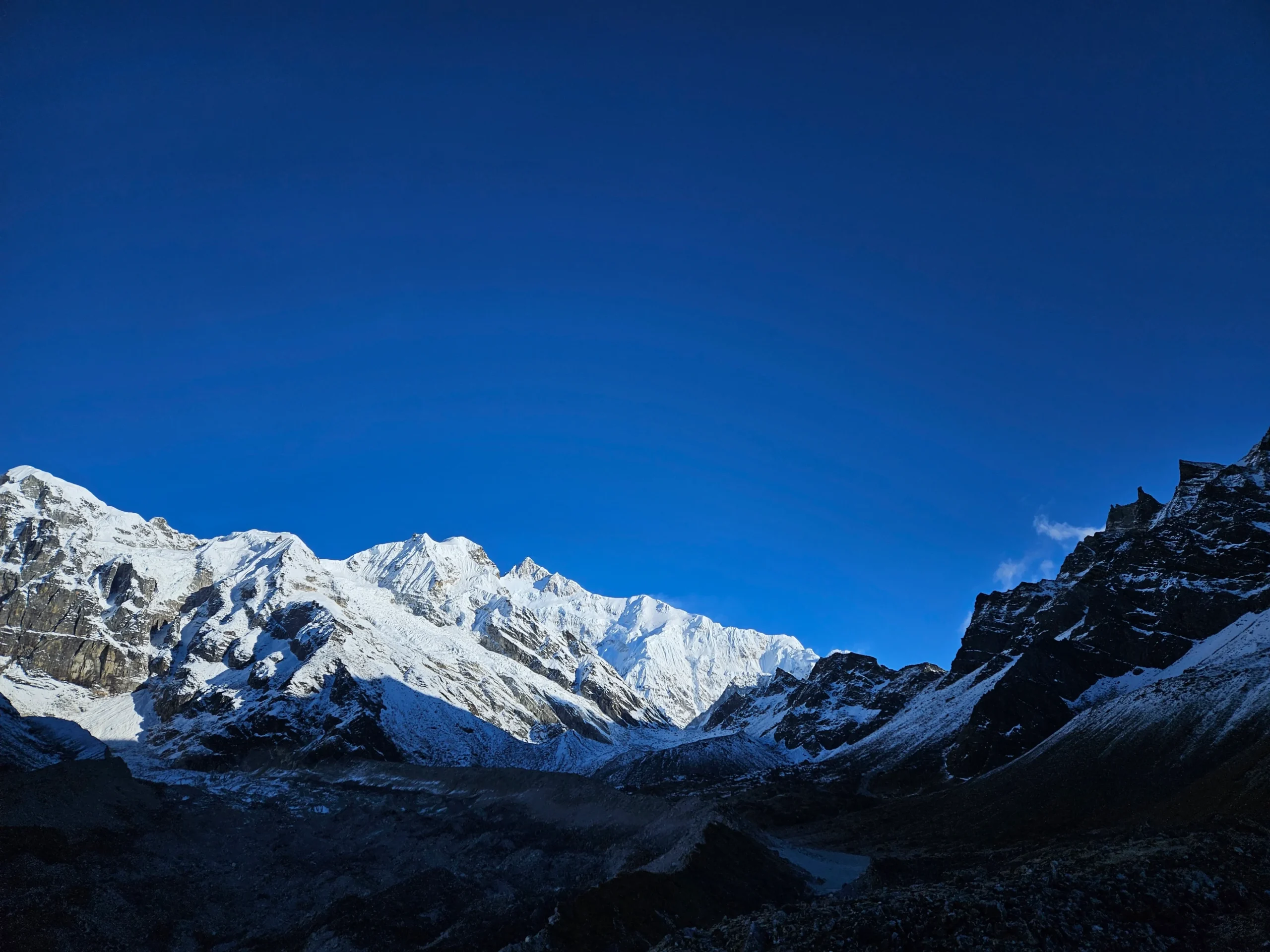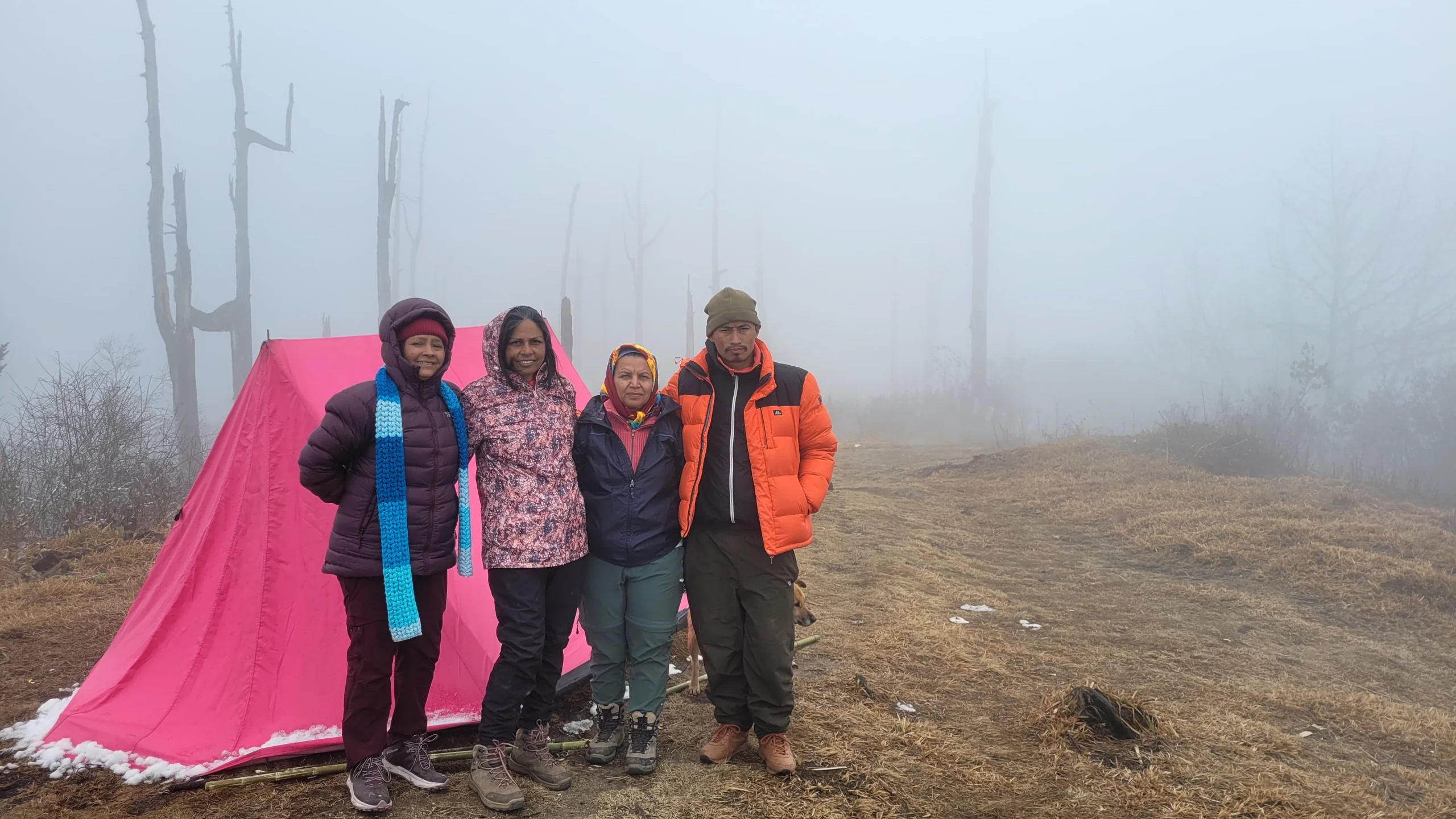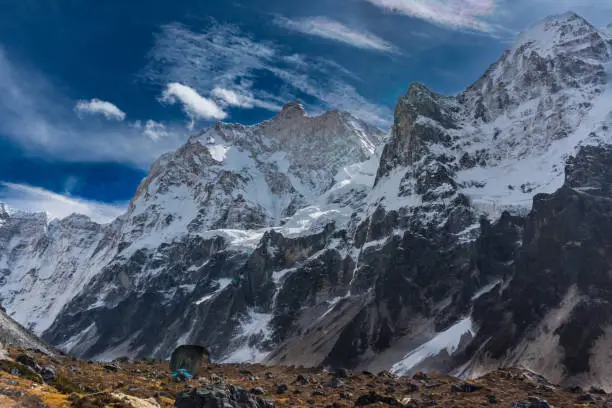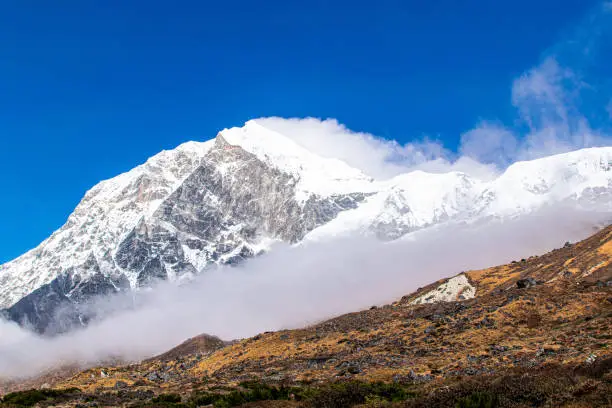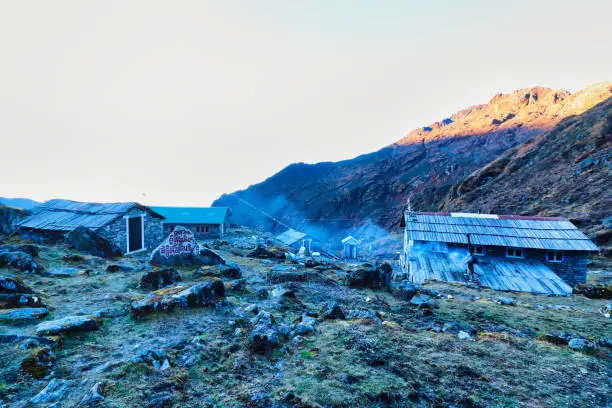
Goechala Trek is also the most beautiful high altitude treks in India not only because of the magnificent mountain views, but also because of the fantastic lives that can be observed in the trail. This excursion, going across the known Khangchendzonga landscape, and located in Sikkim, offers the tourist with a rare experience of exploring the forest, meads, river valleys and alpine terrain, which hosts an astonishing diversity of plants and animals. The Goechala route is not just a pilgrimage of the Kanchenjunga perspective to numerous trekkers. It is also the almost experience of the Himalayan biodiversity.
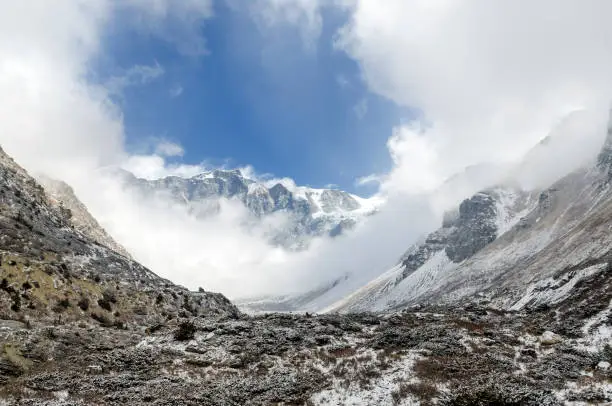
The scenery is radically different when the path rises out of the forested zones to the high open zones. Belts of rhododendrons, glacial alpine grasses, and rugged terrain slowly take the place of thick forests of moss and bamboo and also blooming bushes. Each of the altitude regions possesses its ecological nature and this is what makes Goechala so special. A trekker can begin the day in a green forest cover and end in a windy place that leaves rugged mountain plants as the only remains.
The road is especially nice to the admirers of nature, birdwatchers and animal watchers, photographers and anyone interested in the ecology of the mountains. Though, there can never be a guarantee of the wildlife they can see that the trail is known to be bountiful insofar as the Himalayan conglomeration of fauna and flora is concerned. Life seems everywhere even in the case when the animals are hidden as trees scream about birds, wild flowers blooming on the road, the signs of claws being left on the trunk, the vegetation varying with the altitude, the weather and seasons, all witness to their past.
Why Goechala Trek is Biodiversity Rich.
The principle cause as to why Goechala Trek is an abundant habitat of flora and fauna is the fact that it is located in a sheltered region of Himalayan region where the elevation varies. Such variety creates a number of habitats within a very small geographical area. It has moist temperate forests, subalpine, high altitude grasslands that run along the trek allowing other species to occupy the region also.
The weather is also of great consideration. The region receives water that assists in the development of dense forests especially in low and mid-trail. At the same time, there is cold climate in the high altitudes making it a new ecological world where strong shrubs, grasses and alpine plants are all that can survive. It is based on this contrast that trekkers witness an alive Himalayan transitional area of life.
The other reason is that the trail in this case lies within a fairly undisturbed region as compared to most of the mountain destinations of many. This helps in preserving the natural habitat of the birds, small animals and mountain animals that are not common. The result is a wild and immersive and bios-filled adventure walk.
Fields and Grasses on the Road.
The second section of the Goechala Trek normally exposes the trekkers to the dense Himalayan forests. These are full-touch and full-hue woodlands. The numerous trees, floating mosses, lichens, bamboo beds and damp undergrowth create a beautiful and almost old look. The path is in the majority of parts like an expedition into a rainforest in the mountain.
The forest begins to change at an altitude, and you become higher. Slowly, conifers and flowering shrubs get mixed with broadleaf trees. Then there is the familiar rhododendron regions, and this is one of the visual delights of the trek (especially in spring). Even further, vegetation is made shorter and sparser. The trees are cleared and the shrubbery dominates and ultimately the alpine grasslands and the rocky terrain are substituted.
This is an ecological transformation that is still going on and this is why Goechala is such an adventure to naturalists. It cannot be referred to as one landscape but a chain reaction of connected habitats with their own flora and fauna.
Rhododendrons: Flowering of Goechala.
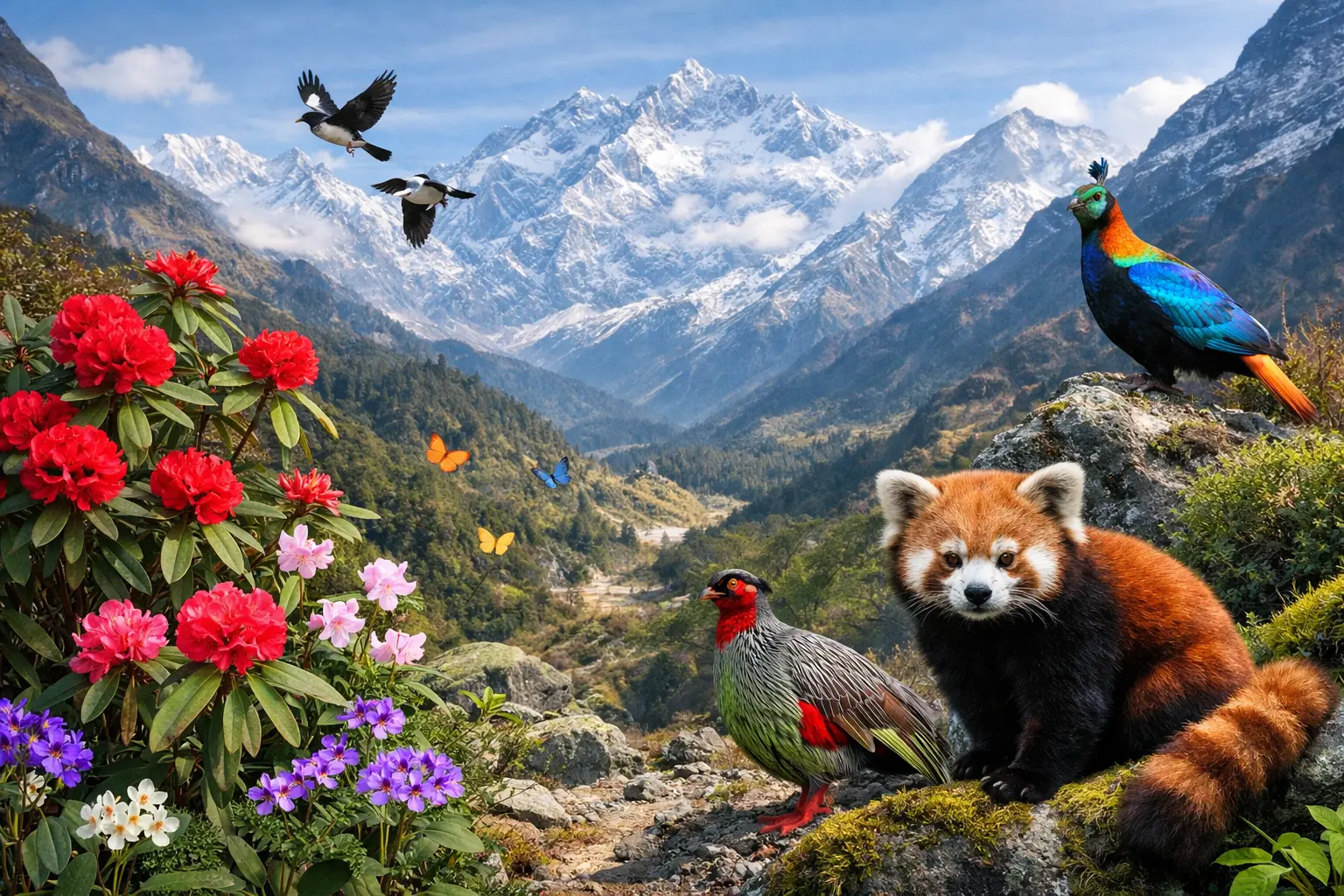
One group of plants, which defines the aesthetic value of the Goechala Trek, is rhododendron in case. The trail is densely visited, because of the rhododendron woods through which a portion of the path might be a rainbow in blossom time. The colors of the red, pink, white and even purple makes the hillsides and other paths in the forest stand out and the spring is one of the most beautiful seasons to complete the trek.

Rhododendrons are not flowers only beautiful. They are important to the Himalayan ecosystem. They are also thickly growing thus protecting birds and other small animals and the flowering also sustains the insect life. They leave the trekkers some of the best visual images along the trail especially on the forested middle elevations.
The scene is nearly surreal where the mist blows through the rhododendron trees when they are in blossom. This is so much the reason why photographers, trekkers have even called Goechala as one of the most amazing treks in sikkim.
Himalayan Other plants, Magnolias, and Orchids.
Besides the rhododendrons, Himalaya has a rich plant life of Goechala. Hiking along the forest belts, the trekkers would discover magnolias, primulas, wildflowers, ferns, mosses and orchids during various seasons of the year. The ground of the moist spots may be especially fertile, small plants in flower-beds being planted adjacent to roots, rocks, and streams.
Orchids are the most interesting of the Eastern Himalaya plants. Some of them will pass your eye, unless you watch, but they add to the variety of the trail botanically. The moss covered trunks and wet forested regions usually have weak plant communities that thrive in cool shady regions.
One can also locate bamboo in some areas that are ecologically valuable since they provide homes and protection to animals. Higher in the Montane herbs and grasses take their effect. These plants may appear to be mere grains in comparison with the forest flowers and they are specially adapted to cold, wind and short growing periods. It is miraculous that they inhabit the open mountain territories.
Fauna of Goechala Trek: What are the Wildlife to see?
The fauna is one of the greatest unknown secrets of Goechala Trek. The mountain fauna is not always easy to see because of the huge animals that are often timid and also live in thick forests. The region is however reported to harbor different mammals, birds and other smaller living organisms making the ecosystem complete and rich.
A part of the trekking is possible here, and there is a certain degree of excitement. A turn or a turn of the road, any early morning walk, any clearing of the wood, might give a prospect. In other instances, it could be a bird that flies in the road. Elsewhere it is the sounds of muddy hooves. Sometimes it is motion on the undergrowth that is lost immediately it is seen.
Sometimes, it is sluggishly rewarding to wildlife in the Himalaya. Very quiet trekkers, those who get up early and listen to the nature, are the ones who are likely to get the best chance to observe the life of animals.
Red Panda: The Wildlife Probability of great popularity.

One of the most discussed animals that are associated with this area is the red panda. This shy and elusive mammal has become the symbol of the Eastern Himalaya. The forests in the Goechala path are the sort of habitat where the red pandas exist although they are extremely rare and never guaranteeing.
Red panda prefers cool forests, high density vegetation and bamboo. And it is marked with gorgeous rust-coloured fur, and ring-tailed tail and benignant expression. Most of the trekkers will not see one because of its secrecy and a large part of its existence in trees or discrete plants. Nevertheless, the trail is one to wonder about because of the prospect.
Even in its absence, the existence of such an animal with the honored and rare status is a sign of the ecological meaning of the area. It will ensure that trekkers do not forget that it is not a scenic backdrop but a home to living things that should be appreciated to the maximum.
In the Goechala Trail Birds of the Himalayas.
Most of the times the fauna of Goechala Trek is bird life dominated. The diversity of the birds upheld by the woods and open vistas is abundant with Himalayan birds, hence the trek will be very rewarding to the birdwatchers. In early mornings, when the forest is in action, the most of the best listening and seeing can be done, it being in action in calls, movement, and color.
The trekkers will be likely to see some of the birds such as Himalayan pheasants, laughingthrushes, sunbirds, sibias, and other forest birds in the mountains. Such a bird is the blood pheasant that tends to identify with the uplifted landscape within the Himalayas within the region. It is extremely vivid and distinctive, and it is an interesting fact to the lovers of birds. The other bird that creates an eye catching view is the Himalayan monal in which it is habitually found.
Even concealed mammals are followed out by smaller birds, which, though, cause the trail to live, are heard in the woods, and make it lively on deserted camp-sites and forest ascents. Birdwatching is another unexpected surprise of the Goechala that can hold several trekkers at a time.
Mammals You May Encounter
In addition to the red panda, the overall Goechala scenery is associated with several Himalayan mammals. The animals can be musk deer, Himalayan black bear, goral or any other creature of the mountain and alpine area that the trekkers may have heard about. The actual sightings of the birds are not so frequent as the bird sightings, but the droppings, tracks, and movements which may be observed at a distance are never impossible.
The tiny mammals are at times simpler to observe than the big mammals. Rodents such as the squirrels may creep out of spots in short bursts about the camps or less noisy parts of the trail. Animals can only be seen in the high altitudes depending on the weather, time of the day, and the movement of man.
The viewer should remember that it is preferable to consider wildlife as something remote. The reason is not to disturb and chase animals to view them more closely but enjoy the scenery as their habitat.
Butterflies, Insects and the Smaller Life of the Trail.
The fauna of Goechala Trek is not completely magnificent and massive. It is not difficult to miss the most beautiful forms of life. Trekker could also find butterflies in sunny openings and bees on flowers as well as thousands and thousands of little insects that are keeping the mountain ecosystem in the right seasons.
The smaller animals play an important role in pollination, decay and food chains. Without them the flowering plants, the birds and the larger animals would not thrive. They somehow form the unseen workers of the biodiversity of the trail.
Such information can be rewarding to the photographers and keen observers as it is to make a large wildlife observation. The breath of a butterfly upon a wild flower, or upon a branch of moss can in no way lessen the chance of setting fire to the Himalayan spirit than the sight of a mountain.
Best Duration in Goechala Trek to view Flora and Fauna.
The experience of flora and fauna depends on the season. It is said that spring is the most appropriate season to worship the lovers of the plant as rhododendrons and other different flowers are also in blossom during the time. Forests are lively, rich and vivid. The reward of birds about this time also is there.
Autumn has other benefits. The weather is clear and the mountainous landscape is more clean and stable. Even though flowering is not as colorful as spring, it may still give an excellent wildlife spotting experience, especially to hikers whose preferred activities involve a brisk walk in the woods and open scenes.
Monsoon is beautiful season with beautiful growth as well as difficult trails and the winter can also render the start of the trail more difficult as well as less noticeable of the vegetation. Each of the seasons has its tone, yet spring is probably the most aesthetically stimulating to the persons who are especially concerned with the subject of biodiversity.
An Adventure of Nature Lover and not Summit Climber.
The majority of the trekking trails are not lost due to the final view although Goechala is not among them. The travelling in this instance is as great as the arrival. It is rich on the first day because of the natural experience of the plants, birds, forests and wildlife hidden. The trekkers are already in a mountain trail, which is one of the most ecologically rewarding trails in India, trekking even before they need to climb to the high points.
That is why Goechala is the place not only of the trekkers who want to feel some adventure but also of botanists, wonderful animals, photographers, and all people who feel the great connection with the nature. Each day the trail is presenting something new; it may be an alpine flower or a song of dawn or an alpine landscape of some quiet space where the wind is the only animal and the scrubby vegetation is the only living thing.
Conscience Trekking through a Himalaya Environment.
The vegetation and wildlife of Goechala is exquisite and is dependent on the sustainable tourism. Mountain ecosystems are delicate and even mild gestures of carelessness will be catastrophic to the ecosystems. Trekkers are also not expected to harvest wild flowers, scare off wild animals, litter and create excessive noise in the forest areas. The trail respect must be given to ensure that the value is experienced by the future generations.
A precautionary measure of also viewing the wildlife silently and also at a distance should also be taken. Animals can be fed, leave trail recklessly and tear the plants to take photographs that ruin nature. The best sources of trekking experiences are adoration, patience and minimum impact.
The higher you walk in this scenery the more meaningful the experience in life. Goechala is not an exclusive trek path. It is a Himalayan inhabited environment.
Final Thoughts
One of the best justifications to have this unforgettable adventure in Sikkim, the vegetation and wildlife which one can see in Goechala Trek needs to be mentioned. The walk possesses natural richness such as is seldom met with elsewhere, in rhododendrons, orchids and moss-lined trees, and the possibilities of meeting with red pandas, pheasants and other animals of the Himalayas, of which they are more than mountain-views.
The most notable fact about Goechala is that nature is running gradually up the mountain. Each section of the trail offers a different ecological ambience beginning with the fertile woodland existence to the stark survival in the alps. It is more than that: the road is more than a physical one, and those trekkers who are able to slow down and listen will discover that the road has more to say to them than the pace at which they are proceeding. It educates the biodiversity, the power and the magic of silence of the Himalaya.
Goechala Trek is a good trek in India that provides a combination of dramatic landscape, colorful plants and adventure that wildlife in the mountain brings. It is one of those ways where every single step must tell you something, not at the end of it, but everywhere you are in it, in the trees, in the quiet of the woods.