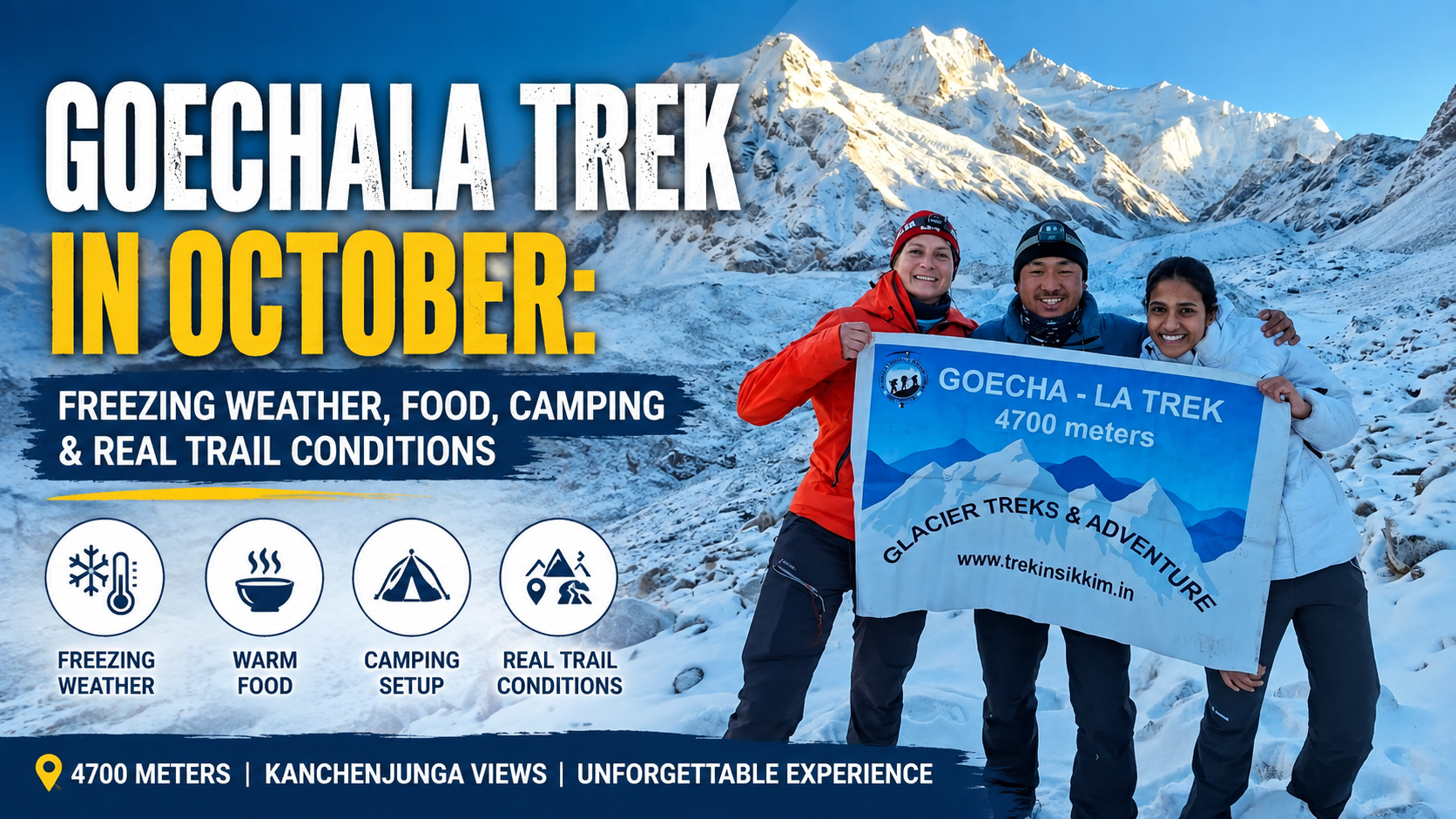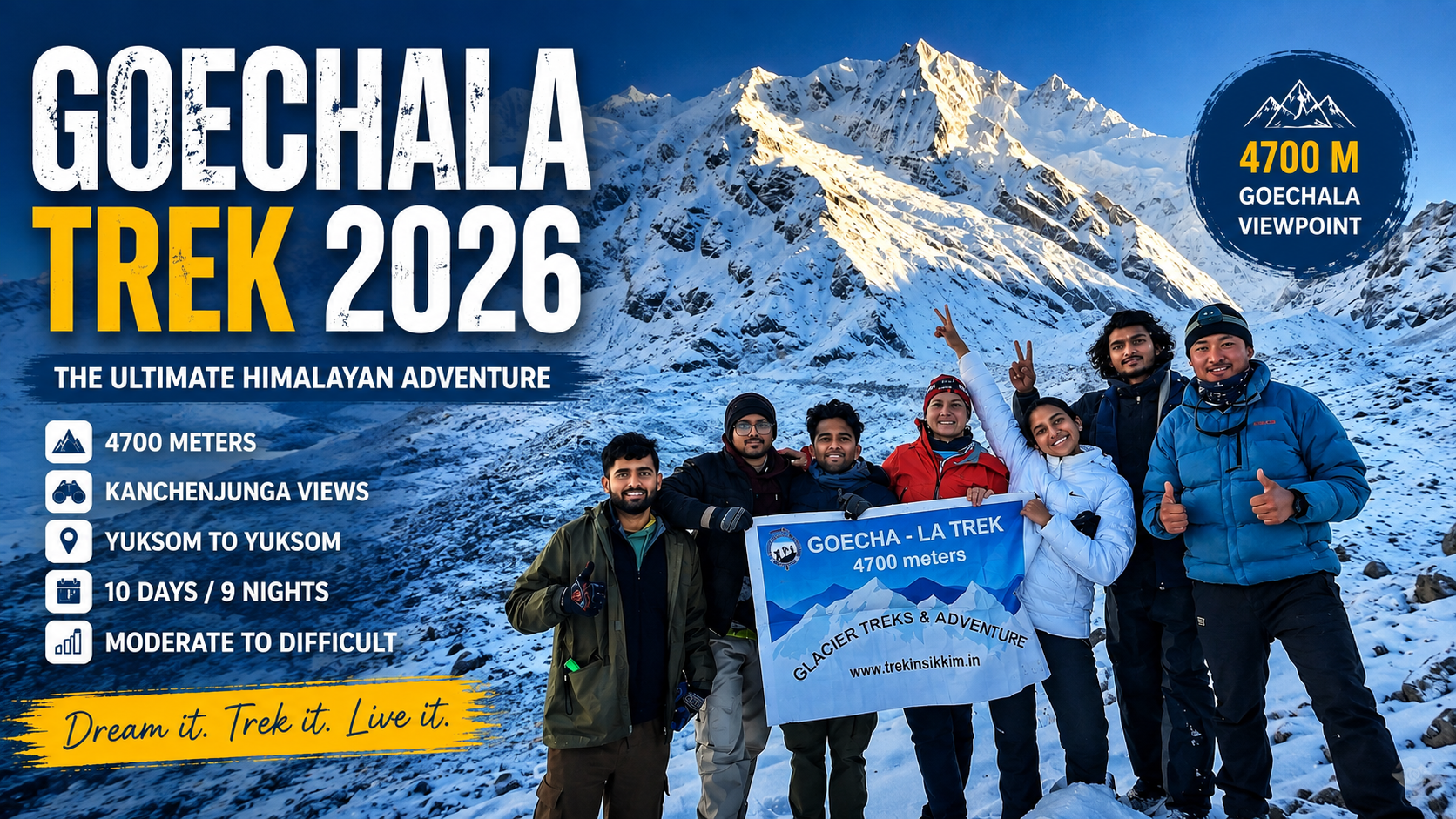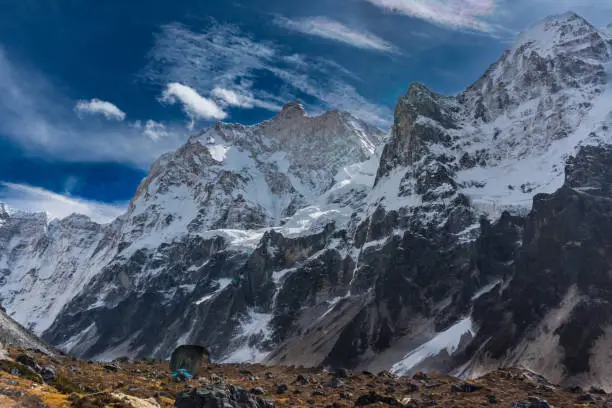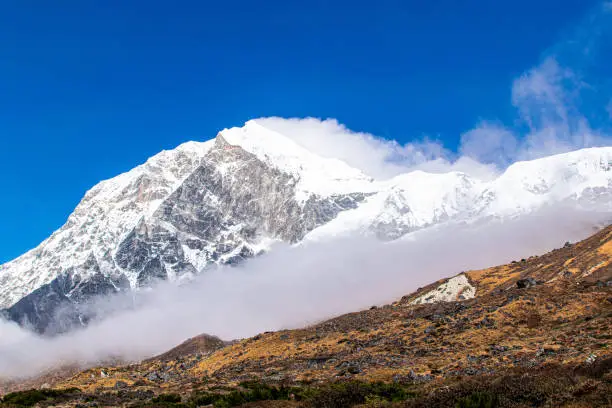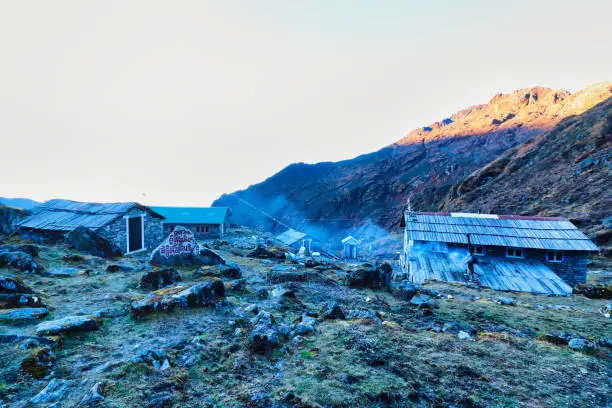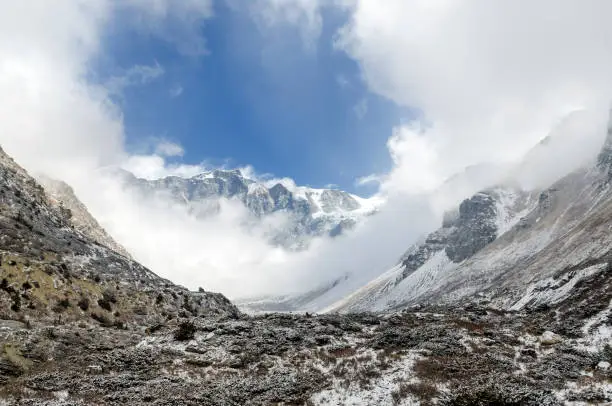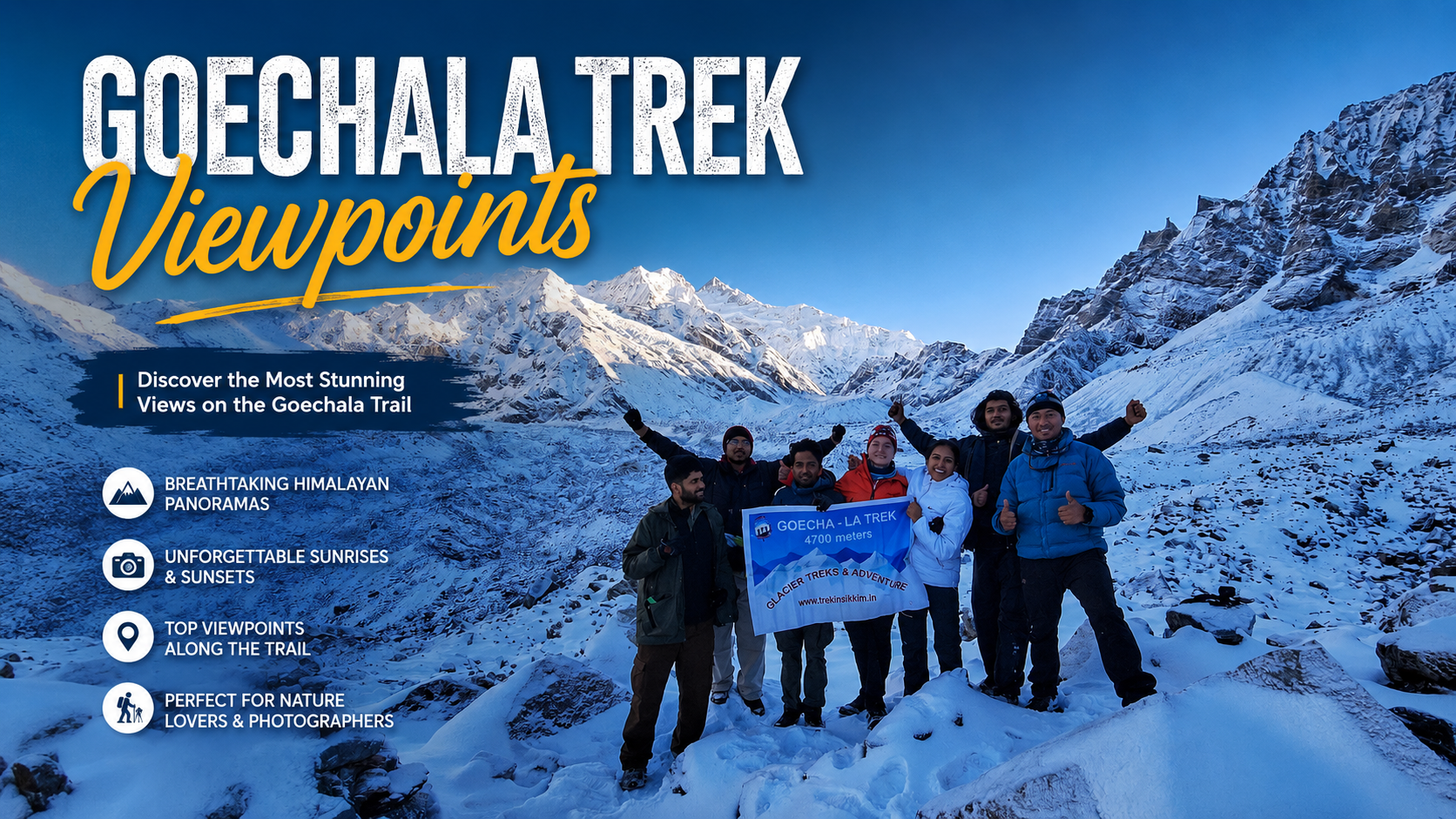
When people hear about the Goechala Trek, they usually imagine one thing: standing face-to-face with the massive Kanchenjunga range.
But there is one thing that often confuses first-time trekkers.
Where exactly is the famous Goechala viewpoint?
Is Dzongri the main viewpoint? Is Samiti Lake the final destination? Does the trek actually reach Goecha La Pass? And what is the difference between Goecha La Viewpoint 1 and the actual Goecha La Pass?
The truth is that the Goechala Trek is not a journey towards just one viewpoint.
The views change dramatically as you move higher.
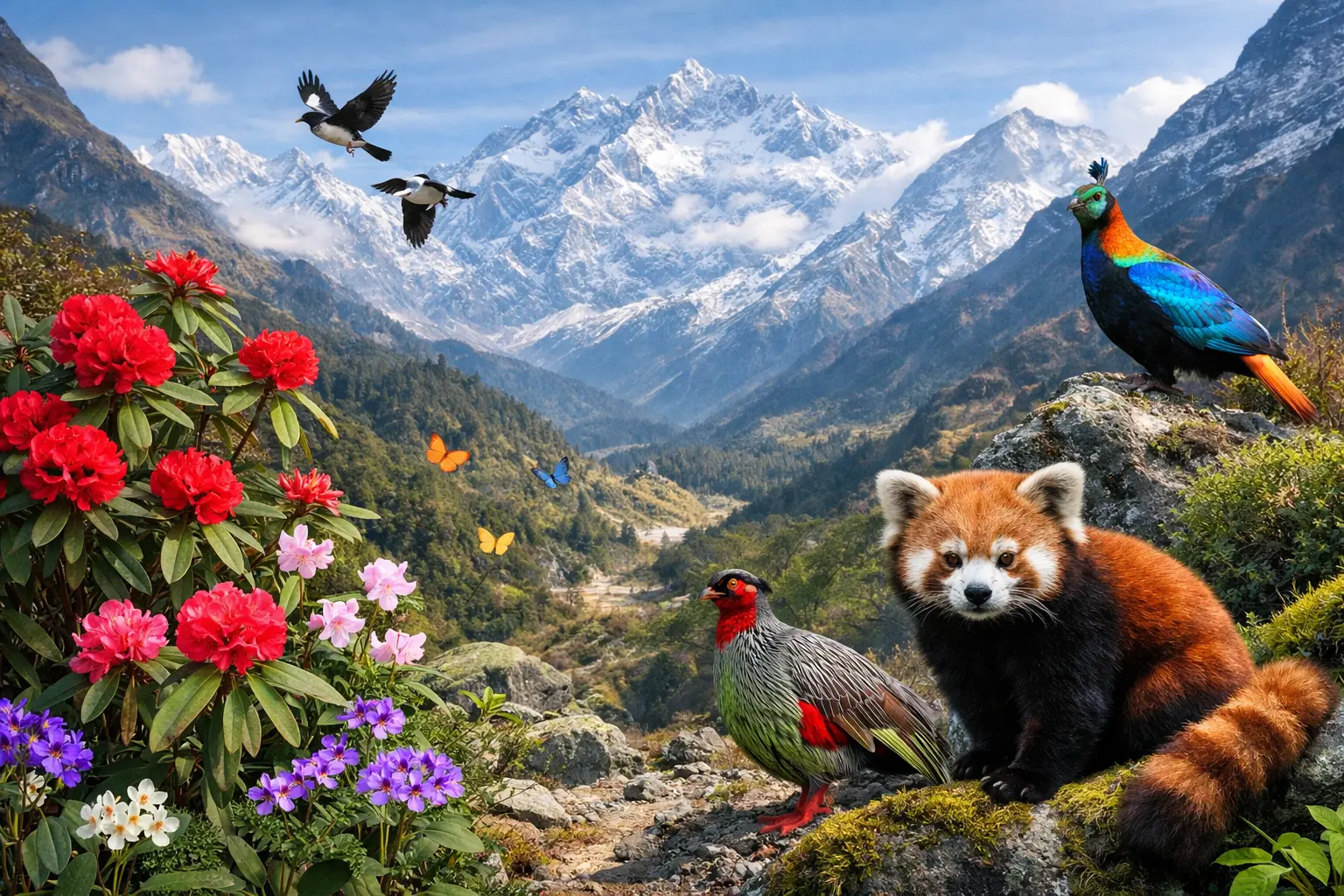
You begin in the forests around Yuksom. Then come the mountain landscapes around Tshoka. Dzongri opens up the first major Himalayan panorama. Further ahead, the route passes through the wide alpine valley of Thansing and the beautiful Samiti Lake before reaching the final trekking point at Goecha La Viewpoint 1.
Each place offers a completely different perspective of the Himalayas.
This guide explains the major viewpoints and visual highlights of the Goechala Trek, what you can expect to see at each location, and the important difference between Goecha La Viewpoint 1 and the actual Goecha La Pass.
Goechala Trek Viewpoints at a Glance
Before going into detail, here is a quick overview of the most important places where the landscape changes dramatically during the trek.
| Location | Why It Is Special | Main Highlight |
| Tshoka | First major mountain landscape | Forests, ridges and Himalayan scenery |
| Dzongri Top | Major panoramic viewpoint | Wide views of Kanchenjunga, Pandim and Kabru |
| Thansing | Open alpine valley | Massive mountain walls and meadows |
| Samiti Lake | High-altitude glacial lake | Reflections of Pandim and surrounding peaks |
| Goecha La Viewpoint 1 | Final viewpoint on the standard route | Close views of Kanchenjunga and surrounding Himalayan peaks |
The important thing to understand is that these places are not identical.
Dzongri gives you a wide Himalayan panorama. Samiti Lake gives you a quieter and more intimate mountain landscape. Goecha La Viewpoint 1 gives you the closest and most dramatic high-altitude experience of the trek.
Read More: Goechala Trek Complete Guide →
The Viewpoint Journey on the Goechala Trek
The beauty of the Goechala Trek is not that you suddenly arrive at one spectacular place after days of ordinary walking.
The scenery evolves gradually.
The route moves through different Himalayan landscapes:
Yuksom → Sachen → Tshoka → Dzongri → Thansing → Lamuney → Samiti Lake → Goecha La Viewpoint 1
The lower section is dominated by forests, rivers, and mountain vegetation. As you gain altitude, the trees begin to disappear, and the landscape becomes more open.
By the time you reach Dzongri, the mountains begin to dominate the horizon.
Beyond Dzongri, the trek feels different again.
The forests are behind you. The valleys become wider. The terrain becomes more alpine and exposed. And eventually, the journey leads towards the high-altitude landscape around Samiti Lake and Goecha La Viewpoint 1.
That changing scenery is one of the biggest reasons why the Goechala Trek feels like a complete Himalayan journey rather than simply a trek to a summit.
Dzongri Top: The First Big Himalayan Panorama
For many trekkers, Dzongri Top is the first moment when the scale of the Himalayas becomes truly clear.
Dzongri is an important acclimatisation point on the route, but the early morning climb to Dzongri Top is also one of the major visual highlights of the trek.
You wake up before sunrise and climb towards the viewpoint while the surrounding mountains are still covered in darkness.
Then, slowly, the first light begins to reach the snow-covered peaks.
This is where trekkers get a broad Himalayan panorama that includes views of major peaks and mountain ranges around the Kanchenjunga region.
The experience at Dzongri is different from the final viewpoint. At Dzongri, you are looking at the Himalayas from a wider perspective. The mountains stretch across the horizon. The landscape feels open. You can understand the scale of the entire mountain region.
What makes Dzongri Top special?
- A wide panoramic Himalayan view
- Sunrise over the mountain range
- Views of Kanchenjunga and surrounding peaks
- A completely different landscape from the forests below
- One of the most memorable acclimatisation days on the trek
If Goecha La Viewpoint 1 feels like getting closer to the mountains, Dzongri feels like watching the entire Himalayan theatre open in front of you.
Thansing: Where the Landscape Opens Up
After Dzongri, the route gradually moves into a different world.
The dense forests and enclosed trails are replaced by wider alpine landscapes.
Thansing is one of the places where trekkers really begin to feel the scale of the high Himalayas.
The campsite is surrounded by open terrain and towering mountains. The landscape feels quieter and more remote than Dzongri.
There may not be a formal “viewpoint” sign here, but visually, Thansing is one of the most important sections of the Goechala route.
This is where the trek begins to feel less like a walk through a mountain forest and more like a journey deep into the Himalayan wilderness. For many trekkers, the most memorable thing about Thansing is simply the feeling of being surrounded by mountains.
You do not need to climb to a designated viewpoint. The landscape itself becomes the view.
Samiti Lake: Not the Final Viewpoint, but One of the Most Beautiful Places on the Trek
If Dzongri gives you a panoramic mountain view, Samiti Lake gives you something completely different.
Samiti Lake sits high in the mountains along the Goechala route and is surrounded by dramatic alpine terrain.
On calm mornings, the lake can reflect the surrounding mountains, creating one of the most photographed scenes on the trek.
But photographs do not fully explain why Samiti Lake feels special.
By the time trekkers reach this section, they have already passed through forests, crossed varied terrain, and spent several days climbing in altitude.
The silence around the lake feels very different from the lower parts of the route.
There are no busy roads. No towns. No hotels.
Just cold mountain air, high-altitude terrain, and the surrounding Himalayan landscape.
What can you see at Samiti Lake?
- A high-altitude glacial lake
- Views towards Mount Pandim and surrounding mountains
- Alpine valleys and rocky terrain
- Reflections on calm mornings
- The changing colours of the mountains depending on weather and sunlight
Samiti Lake is not the final destination of the Goechala Trek.
But for many trekkers, it becomes one of the most emotional and visually memorable places on the entire route.
If you want to know more about this beautiful section of the trek, read our detailed guide on Samiti Lake on the Goechala Trek.
🏔️ Read More: Samiti Lake on the Goechala Trek →
Goecha La Viewpoint 1: What You Actually See
This is the point most people end up at when they say they are going to the “Goechala viewpoint”.
The final climb usually begins very early in the morning.
Trekkers leave the higher camp area before sunrise because the early morning hours often offer the best chance to see the mountains before the clouds build. The climb itself is demanding.
You are already at high altitude, and the terrain becomes increasingly rugged as you approach the viewpoint.
Then comes the moment everyone has been waiting for.
Goecha La Viewpoint 1.
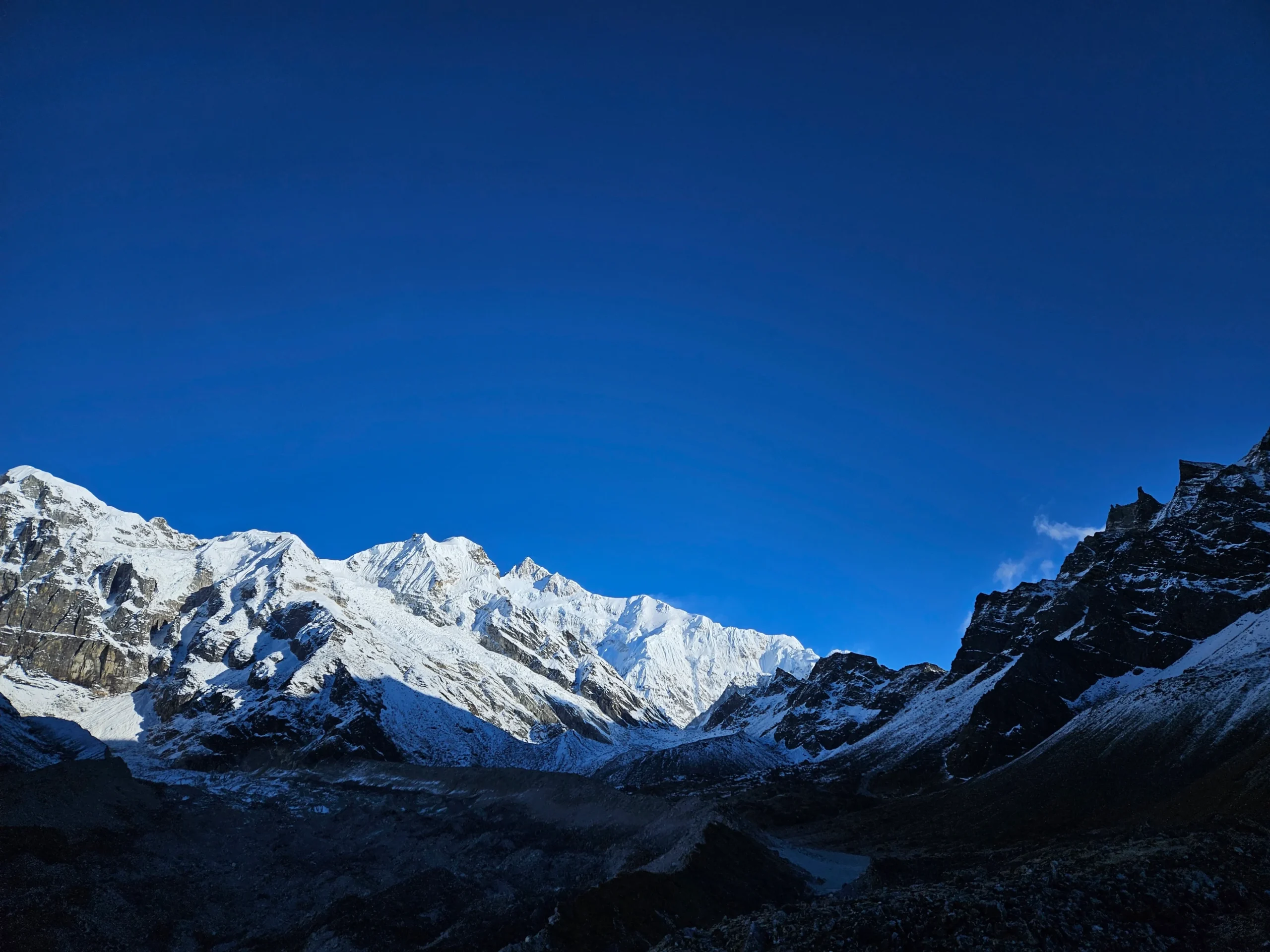
At approximately 4,600 metres, this is the standard trekking endpoint of the current Goechala route, and the view is dramatically different from Dzongri. At Dzongri, you see a wide Himalayan panorama. At Viewpoint 1, the mountains feel closer.
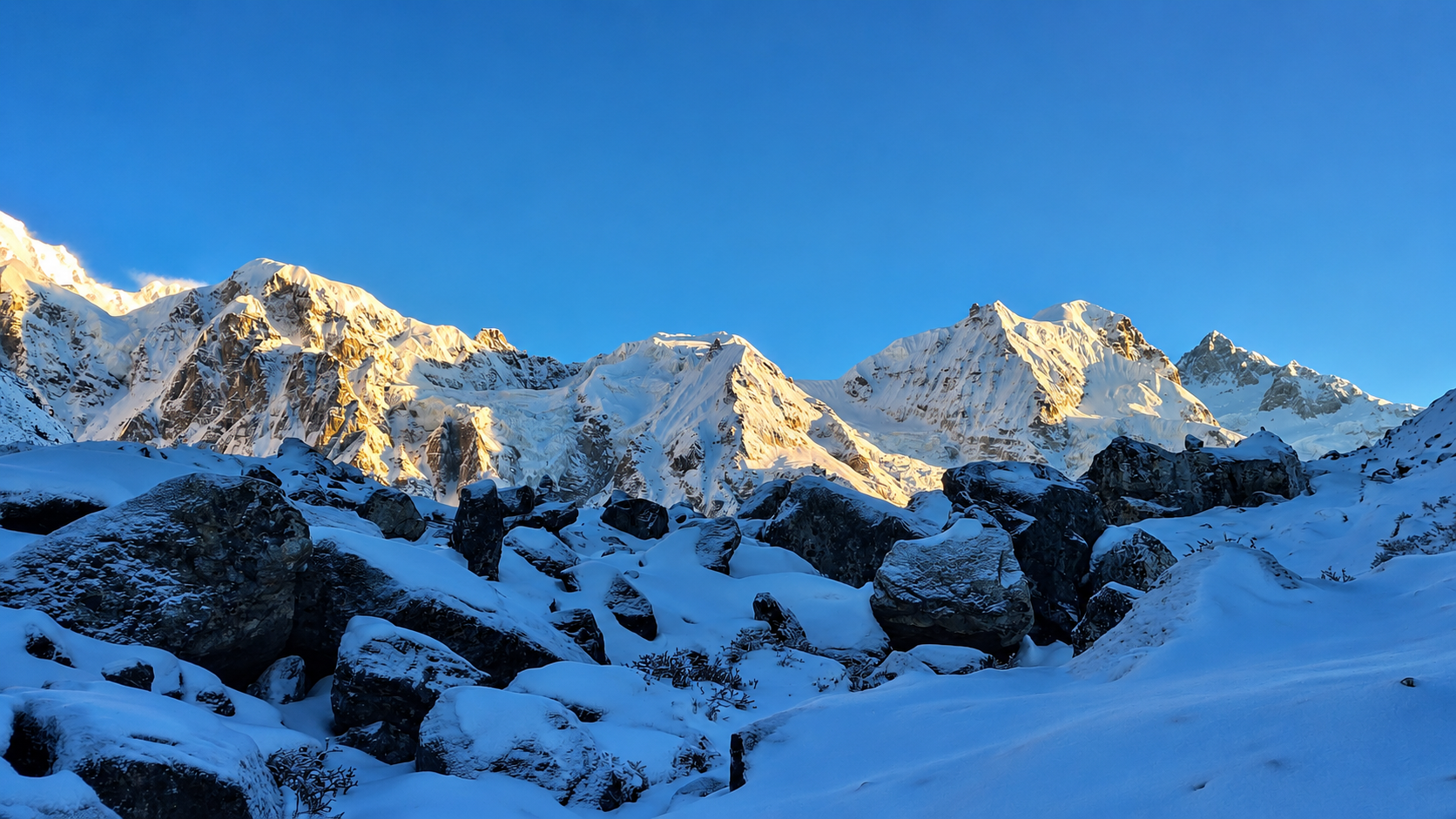
The massive Kanchenjunga range dominates the landscape, while glaciers, rocky terrain and surrounding snow-covered peaks create one of the most dramatic high-altitude scenes in the Indian Himalayas.
The Kanchenjunga View from Goecha La Viewpoint 1
The biggest reason trekkers choose the Goechala Trek is the opportunity to see the Kanchenjunga massif from close range.
From Viewpoint 1, you are not looking at the mountains from a distant hill station.
You have spent days walking through forests, valleys and high-altitude camps to reach this point. That journey changes the way the view feels.
Kanchenjunga appears as part of an enormous Himalayan landscape rather than simply a mountain visible in the distance.
The early morning sunlight can create dramatic changes in colour across the snow-covered peaks.
However, it is important to remember that mountain visibility is always dependent on weather conditions.
A clear sunrise can produce unforgettable views. Clouds, mist, or changing weather can completely alter the experience.
That unpredictability is part of trekking in the Himalayas.
Read More: How Difficult Is the Goechala Trek? →
Pandim and the Surrounding Himalayan Peaks
Kanchenjunga is the biggest name associated with the Goechala Trek, but it is not the only mountain that makes the landscape extraordinary.
Throughout the trek, trekkers see different perspectives of Mount Pandim, the Kabru range and other surrounding Himalayan peaks.
Pandim is especially striking from different parts of the route because its appearance changes depending on where you are standing.
From one location, it may dominate the horizon. From another, it becomes part of a much larger mountain panorama. This is another reason why it is difficult to choose only one “best view” on the Goechala Trek. Every major location gives you a different relationship with the mountains.
The Glacial and Moraine Landscape
One of the biggest changes near the final viewpoint is the terrain itself. The soft forest trails and green mountain landscapes of the lower route feel far away as the surroundings grow more rugged. Rock, moraine, high-altitude valleys, and glacial landscapes begin to dominate the scenery, making the contrast feel especially striking.
The Goechala Trek is visually interesting not simply because of Kanchenjunga.
It is interesting because the journey takes you through multiple Himalayan ecosystems and landscapes before you reach the final viewpoint.
You begin among forests. You walk through rhododendron zones. You cross alpine meadows. And finally, you stand in a much harsher and more dramatic high-altitude environment.
Goecha La Viewpoint 1 vs the Actual Goecha La Pass
This is probably the most important section of this guide.
Many trekkers assume that Goecha La Viewpoint 1 and Goecha La Pass are the same place.
They are not.
The standard trekking route reaches Goecha La Viewpoint 1, which is approximately 4,600 metres above sea level.
The actual Goecha La Pass lies farther beyond this point. Under the current route restrictions followed by the standard trekking itinerary, trekkers are not permitted to continue beyond Viewpoint 1 to reach the actual pass.
So when you book the standard Goechala Trek, the trekking endpoint is:
Goecha La Viewpoint 1
—not the actual Goecha La Pass.
This is important because some older blogs, photographs and trekking stories available online may describe routes that are different from the route currently followed by trekking groups.
Always check the latest route and permit conditions before your trek.
Quick Comparison
| Feature | Goecha La Viewpoint 1 | Actual Goecha La Pass |
| Part of the standard trekking route | Yes | No |
| Approximate altitude | Around 4,600 m | Higher than Viewpoint 1 |
| Standard trekking endpoint | Yes | No |
| Main attraction | Kanchenjunga and Himalayan panorama | High mountain pass beyond the standard route |
| Accessibility | Part of the approved standard route | Subject to restrictions and not included in the standard itinerary |
The most important thing for trekkers: you do not need to feel disappointed by this distinction.
Goecha La Viewpoint 1 itself offers one of the most dramatic mountain experiences on the entire trek.
Why Are There Different Goechala “Viewpoints”?
The word “viewpoint” can create confusion because the Goechala Trek has several places where trekkers experience exceptional mountain views.
But not all of them are official final destinations.
For practical trip planning, it helps to think about the trek like this:
Dzongri Top
Your big panoramic Himalayan viewpoint.
Thansing
Your wide alpine mountain landscape.
Samiti Lake
Your most peaceful and photogenic high-altitude location.
Goecha La Viewpoint 1
Your final and closest major mountain viewpoint on the standard trek.
Each place gives you something different.
That is why experienced trekkers often remember the entire route—not just the final morning at Viewpoint 1.
Read More: Goechala Trek vs Everest Base Camp comparison.
Which Is the Best Viewpoint on the Goechala Trek?
There is no single answer.
It depends on what kind of mountain experience you are looking for.
Best for a Wide Himalayan Panorama: Dzongri Top
Dzongri gives you a broad view of the surrounding Himalayan range and is especially memorable at sunrise.
Best for Peace and Photography: Samiti Lake
The combination of the lake, surrounding peaks and high-altitude silence makes Samiti Lake one of the most beautiful places on the route.
Best for the Closest High-Altitude Mountain Experience: Goecha La Viewpoint 1
This is the final major destination of the standard trek and offers the dramatic Kanchenjunga experience that most trekkers come to Goechala for.
My honest recommendation?
Do not choose the Goechala Trek only for one viewpoint.
- The real experience is the progression.
- The forest on the first few days.
- The rhododendron landscapes.
- The first big mountains at Dzongri.
- The open valley of Thansing.
- The silence of Samiti Lake.
And finally, the early morning climb to Goecha La Viewpoint 1.
That complete journey is what makes the trek special.
What Time Should You Expect the Best Views?
The best mountain views are usually associated with early mornings, when skies can be clearer before clouds develop later in the day. That is one reason why the climbs to Dzongri Top and Goecha La Viewpoint 1 are planned early.
However, the Himalayas do not guarantee clear views. Weather can change quickly. A clear mountain panorama one morning may disappear behind clouds the next.
Trekkers should therefore avoid planning the entire experience around getting one perfect photograph.
The Goechala Trek is a high-altitude journey through changing landscapes, and every day can offer a different kind of beauty.
For seasonal planning, you can also read our complete guide on the best time to do the Goechala Trek.
Read More: Best Time to Visit the Goechala Trek →
A Practical Tip for Trekkers: Don’t Compare Every View
One common mistake is trying to decide:
“Which viewpoint is the best?”
But Dzongri and Goecha La Viewpoint 1 are not really competitors. They offer different experiences.
- Dzongri is about the panorama.
- Samiti Lake is about atmosphere.
- Viewpoint 1 is about closeness and scale.
If the weather is clear throughout your trek, you get to experience all three. And that is what makes the Goechala route one of the most visually rewarding high-altitude treks in Sikkim.
Planning Your Goechala Trek
The standard Goechala Trek begins from Yuksom in West Sikkim and takes trekkers through the landscapes of Khangchendzonga National Park before reaching Goecha La Viewpoint 1.
The trek requires good physical preparation because of:
- High altitude
- Long walking days
- Steep ascents and descents
- Rocky and uneven terrain
- Cold conditions at higher camps
- The demanding early morning climb to Viewpoint 1
The trek is best enjoyed when you are properly acclimatised and physically prepared.
If you are planning your first Goechala Trek, read our complete Goechala Trek guide for detailed information about the route, difficulty, itinerary, fitness, permits, packing and trip preparation.
Experience the Goechala Trek with a Local Team from Sikkim
The Goechala Trek is not just about reaching the final viewpoint.
Understanding the route, the weather, acclimatisation and the changing mountain conditions can make a significant difference to the trekking experience.
A local trekking team based in Sikkim understands the route from Yuksom, the camps, the terrain and the practical realities of trekking in this region.
At Trek in Sikkim / Glacier Treks & Adventure, the standard Goechala itinerary takes trekkers through the complete route to Goecha La Viewpoint 1, the approved endpoint of the trek.
[View Goechala Trek Dates, Itinerary and Package Details]
Frequently Asked Questions About Goechala Trek Viewpoints
Is Goecha La Viewpoint 1 the actual Goecha La Pass?
No. Goecha La Viewpoint 1 and the actual Goecha La Pass are different locations. The standard trekking route currently ends at Viewpoint 1.
What is the highest viewpoint on the standard Goechala Trek?
The standard trekking route reaches Goecha La Viewpoint 1 at approximately 4,600 metres.
Which mountains can you see on the Goechala Trek?
Trekkers can see Kanchenjunga, Mount Pandim, the Kabru range and other surrounding Himalayan peaks from different points along the route.
Is Dzongri Top worth visiting on the Goechala Trek?
Yes. Dzongri Top offers one of the widest panoramic views of the Himalayas and is one of the major highlights of the trek.
Is Samiti Lake the final destination of the Goechala Trek?
No. Samiti Lake is an important scenic landmark along the route. The standard trek continues towards Goecha La Viewpoint 1.
Which viewpoint is better: Dzongri or Goecha La Viewpoint 1?
Both are different. Dzongri offers a wider Himalayan panorama, while Goecha La Viewpoint 1 provides a closer and more dramatic high-altitude mountain experience.
Can trekkers go beyond Goecha La Viewpoint 1?
Under the current standard trekking route and restrictions, trekkers are not permitted to continue beyond Viewpoint 1 towards the actual Goecha La Pass. Always follow the route specified by current permits and local authorities.
Final Thoughts: The Goechala Trek Is More Than One Viewpoint
The final sunrise at Goecha La Viewpoint 1 may be the headline moment of the trek.
But the Goechala experience begins much earlier. It begins when the forests start to thin.
When the mountains first appear clearly at Dzongri, when the route opens into the alpine valley of Thansing, when you stand beside Samiti Lake in the cold Himalayan silence, and finally, when you make the early morning climb towards Viewpoint 1, that is why the best way to understand the Goechala Trek is not to ask:
“Which viewpoint is the best?”
Instead, ask:
“How does the view change throughout the journey?”
Because on the Goechala Trek, every major viewpoint tells a different part of the Himalayan story.
Ready to experience Dzongri, Samiti Lake and Goecha La Viewpoint 1 yourself? Explore our Goechala Trek itinerary and upcoming departures.
Book the Goechala Trek now: ₹19,500 per person · Call/WhatsApp +91 74072 48200 · Email kiran.yuksom@gmail.com
Plan Your Trek / Explore → Goechala Trek Package
Read More: Best Time to Visit the Goechala Trek
Read More: Goechala Trek vs Everest Base Camp comparison.
Read More: How Difficult Is the Goechala Trek?
About the author
Kiran Gurung is the founder of Glacier Treks & Adventure, based in Yuksom, West Sikkim. Born in a remote Sikkimese village, he has spent most of his life on the trails of the Indian Himalaya, working as a guide, expedition leader and mountaineer. He is certified by the Indian Mountaineering Foundation and has led more than 200 Goechala expeditions personally. Glacier Treks & Adventure is affiliated with the Department of Sikkim Tourism, the IMF, TAAS, YTDC and SAMA.