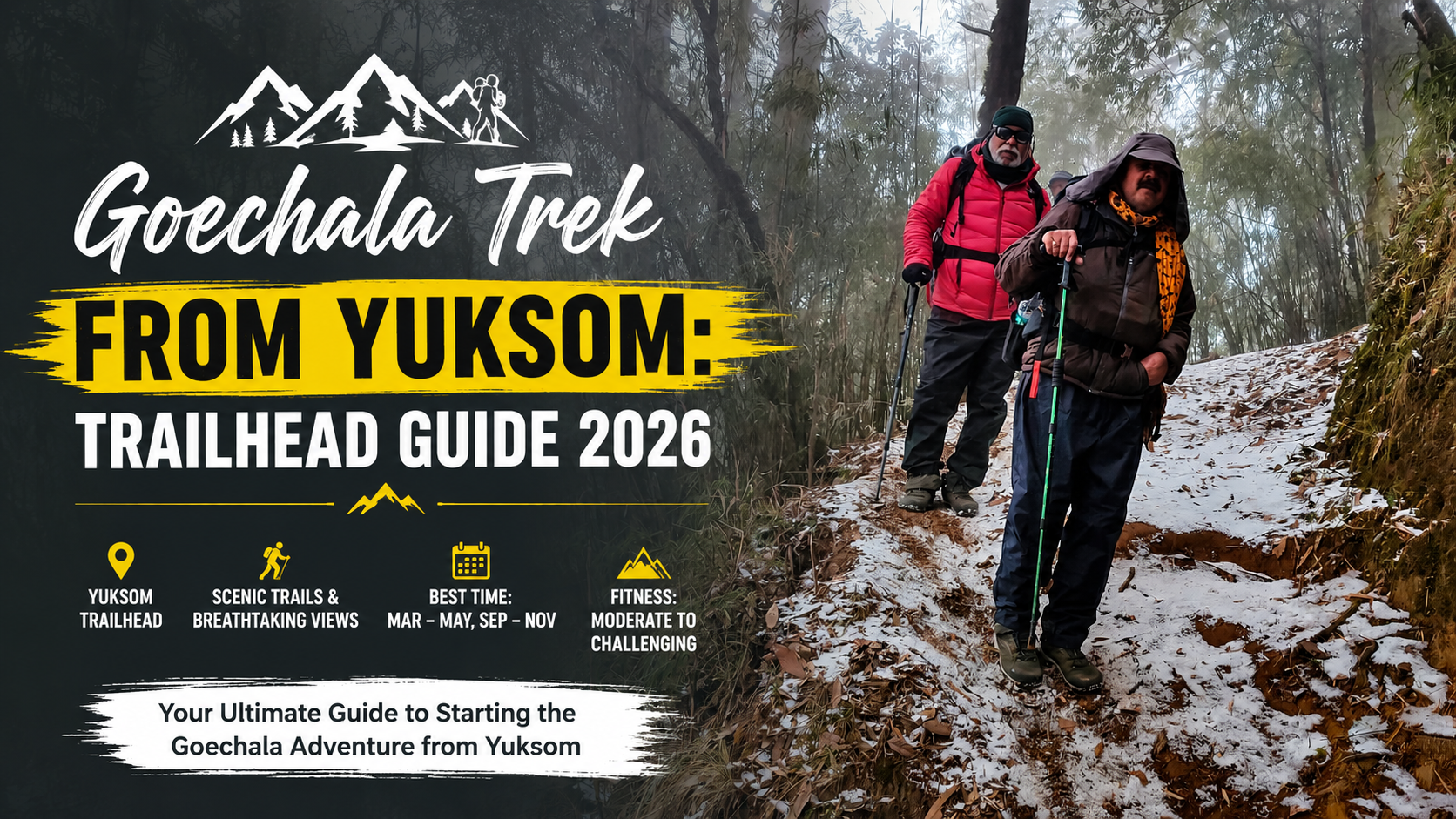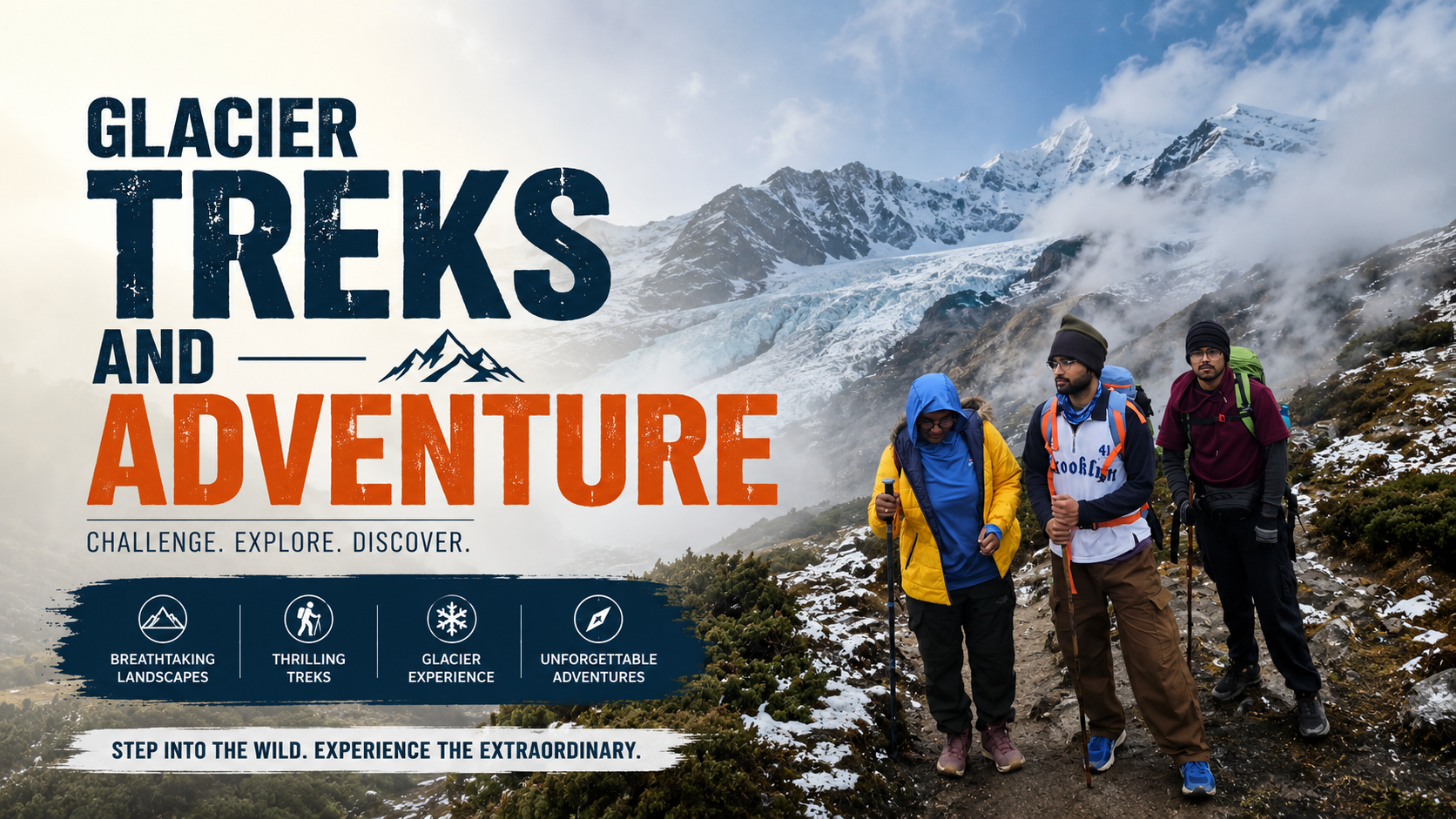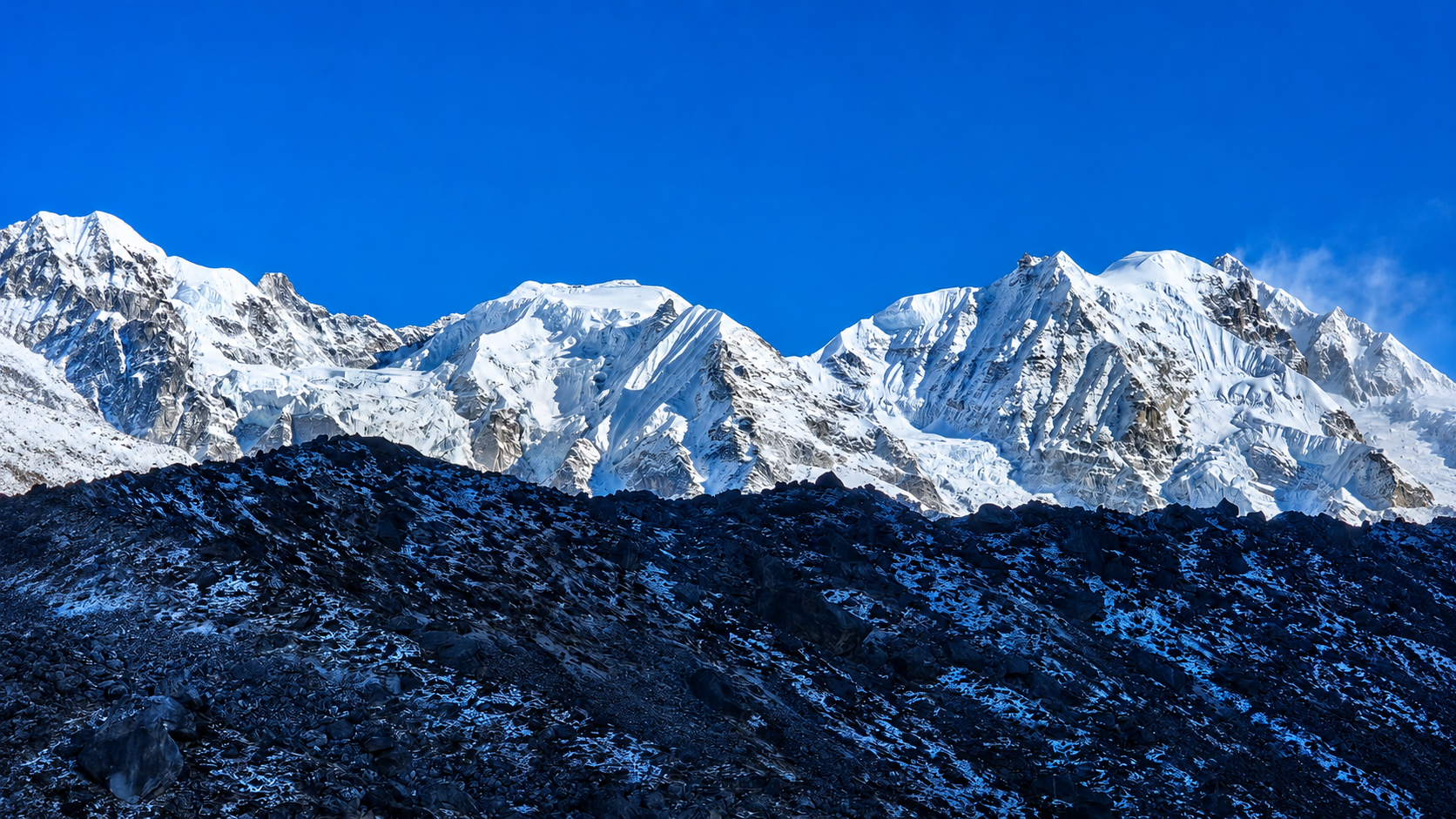
The best time for Goechala Trek depends on your taste of adventure. The kind of Himalayan experience you want from this trek decides when you should start your expedition to Goechala. Some trekkers come for the rhododendron forests of spring, while others wait for the crystal-clear mountain views of autumn. According to my experience after leading Goechala expeditions for years from Yuksom, I can say there are two reliable trekking windows: March to May and September to December. Apart from those seasons, the weather and trail conditions become unpredictable.
If you are planning the Goechala Trek from Yuksom in 2026, you have to understand the monthly weather, visibility, crowd levels, and trail conditions precisely. It will help you choose the right season for your fitness level and travel goals.
Quick Summary: Best Season for Goechala Trek
| Season | Months | Best For | Visibility | Difficulty |
| Spring | March to May | Flowers, Forests, moderate weather | Very Good | Moderate |
| Autumn | September to December | Clear Kanchenjunga views | Excellent | Moderate to Difficult |
| Monsoon | June to August | Not recommended | Very Poor | High Risk |
| Winter | January to February | Rare expeditions only | Excellent | Very Difficult |
If you can only choose one season, late October to mid-November is generally considered the best time for Goechala Trek because the skies remain consistently clear while winter conditions are still manageable.
Goechala Trek Weather: Month-by-Month Guide
I received lots of questions throughout my career about which month is the best to get an outstanding view at Goenchala?
I often recommend the season as per their preferences.
Here is the detailed overview that can help you to decide the season concisely.
March: Goechala Trek
March is the best time for the beginning of the spring trekking season. Snow from winter remains in higher camps, but the forests slowly begin to bloom.
What You Can Expect from this season
- Cold mornings and nights
- Pleasant daytime temperatures
- Clear mountain visibility
- Less crowded trails
Recommended For
- First-time Himalayan trekkers
- Trekkers looking for quieter trails
- Photographers want snow and forest landscapes
March uniquely balance between weather and crowd levels. This is the popular beginner-friendly choice.
April: Goechala Trek
The Goechala Trek in April is one of the most beautiful times of the year. Trekkers who are fascinated by the Rhododendron forests across the trail, which explode into red, pink, and white colours, are the best choice in April.
What are the weather conditions in April
- Mild daytime temperatures
- Trekking conditions are comfortable
- Stable weather patterns
- Crystal-clear visibility
Why April is Popular
- Peak rhododendron blossoms.
- Pleasant temperatures.
- Ideal for photographers.
Because of the blooming forests, April is one of the busiest trekking months on the route in Sikkim.
May: Goechala Trek Weather
The Goechala Trek weather in May becomes slightly warmer compared to March and April. Wildflowers are visible throughout the alpine sections of the trek.
Conditions in May
- Warmer days
- Occasional afternoon clouds
- Some pre-monsoon showers
- Good mountain visibility during mornings
Recommended For
- Nature lovers
- Wildflower photography
- Trekkers who prefer less cold weather
Although May remains a good trekking month, cloud cover sometimes increases later in the day.
Spring Season Quick Summary
| Month | Weather | Visibility | Crowd Level | Best For |
| March | Cold mornings, mild days | Excellent | Low | First-time trekkers, quiet trails |
| April | PleasantStable | Very Good | High | Rhododendron blooms, photography |
| May | Slightly warmer occasional clouds | Good | Moderate to High | Wildflowers, nature lovers |
Read more: See Goechala trek difficulties with complete guidance
Why You Should Avoid the Goechala Trek During Monsoon
I never recommend the Monsoon season for trekking in the Goechala.
Here, I explained in detail why you should not choose Monsoon for trekking.
June to August: Not Recommended
The monsoon season is the worst time for the Goechala Trek, especially for beginners.
Major Problems During Monsoon
- Heavy rainfall
- Slippery forest trails
- Frequent landslides
- Dangerous river crossings
- Leech-infested paths
- Poor mountain visibility
In most of the cases, Mt. Kanchenjunga remains hidden behind clouds for days or even weeks.
Most professional trekking agencies avoid expeditions during this period. They believe safety risks become significantly higher.
End of the Monsoon: Goechala Trek in September
September is considered the beginning of the autumn trekking season. Monsoon fades away slowly during this time.
What Makes September Special
- Fresh greenery landscape view
- Clean and cosy post-monsoon air
- Clear visibility
- Lower crowd levels
Recommended For
- Trekkers wanting quieter trails
- Landscape photographers
- Experienced trekkers
Some trail sections may remain damp from monsoon rains. But gradually improve these conditions by mid-September.
Goechala Trek in October: Peak season
The Goechala Trek in October is considered the peak season for trekking.
Why October is the Best Time for Goechala Trek
- Crisp and clear weather
- Amazing mountain views
- Stable trekking conditions
- Comfortable daytime temperatures
Kanchenjunga visibility during October is usually exceptional. This makes it the most popular month among trekkers.
Drawback of October
- Trails and campsites become crowded
- Booking becomes essential
If you desire the classic postcard view of Kanchenjunga from Goechala Viewpoint, then October gives you the highest chances to please you.
November Goechala Trek: Less Crowded
November combines excellent visibility. This season gives fewer crowds after the October rush.
Conditions in November
- Cold mornings and nights
- Extremely clear skies
- Dry and stable weather
- Light snowfall possible at higher camps
Best For
- Serious photographers
- Experienced trekkers
- Repeat Himalayan trekkers
Personally, this is one of my favourite months for the trek. I reckon in November the mountain views remain consistently sharp.
Goechala Trek in December
December is possible for trekking, but whether become significantly colder.
December Trekking Conditions
- Night temperatures may drop below -10°C
- Frozen campsites
- Shorter daylight hours
- Crystal-clear visibility
Recommended Only For:
- Well-equipped trekkers
- Experienced high-altitude hikers
- Trekkers comfortable in sub-zero conditions
December rewards strong trekkers with some of the clearest mountain views of the year.
Monsoon & Autumn Season Quick Summary
| Month | Weather Conditions | Visibility | Crowd Level | Recommended For |
| June–August | Heavy rain,Slippery trails,Landslides | Very Poor | — | Not recommended |
| September | Fresh post-monsoon weather | Very Good | Low | Quiet trekkers, landscape photographers |
| October | Crisp,Clear, stable weather | Excellent | Very High | All trekkers, best overall season |
| November | Cold mornings Dry skies | Excellent | Moderate | Photographers, experienced trekkers |
| December | Extreme cold, Sub-zero nights | Crystal Clear | Low | Strong and well-equipped trekkers |
Goechala Trek Spring vs Autumn: Which is Better?
One of the biggest questions trekkers ask is about the Goechala Trek spring vs autumn.
I often explain it in detail to the trekkers. Here is my structure explanation of the difference between the two awesome seasons.
| Comparison Factor | Spring Trek | Autumn Trek |
| Main Highlight | Rhododendron blooms | Crystal-clear mountain views |
| Temperature | Slightly warmer | Colder but more stable |
| Landscape | Colourful forests | Sharper Kanchenjunga visibility |
| Weather Pattern | More clouds in May | Clearer skies and stable weather |
| Photography | Great for nature photography | Best sunrise photography |
| Best For | Nature lovers | Serious trekkers and photographers |
Final Recommendation
- Choose Spring if you love flowers, forests, and moderate weather.
- Choose Autumn if your priority is mountain visibility and photography.
Read more: See the complete guidance of the pricing structure of the Goechala Trek
My Personal Recommendation
If you ask me for the single best trekking window, my honest recommendation is late October to mid-November.
This particular time,
- the monsoon humidity has fully cleared,
- the skies have become consistently clear, and
- winter snow has not yet made the trail extremely harsh.
Over the last decade, we have led dozens of treks during this period. Under our guidance, trekkers experienced some of the most mesmerising sunrise views of Kanchenjunga.
FAQs About the Best Time for Goechala Trek
What is the best time for the Goechala Trek?
Specifically, the best months are April, October, and November for stable weather and clear mountain views.
Is the Goechala Trek possible during the monsoon?
A big No. June to August is not recommended because of landslides, heavy rain, slippery trails, and poor visibility.
Which is better: Goechala Trek in spring vs autumn?
Spring is best for rhododendron blooms and forests, while autumn offers the clearest mountain views.
Is the Goechala Trek in October crowded?
Yes. October is the peak trekking season. Campsites and permits fill quickly.
How cold is the Goechala Trek in December?
December is considered the coldest month for the trekkers. Night temperatures can fall below -10°C at higher camps.
Is March a good time for the Goechala Trek?
Yes. March offers quieter trails, snow patches, and excellent visibility. This time is ideal for first-time trekkers.
How is the weather during the Goechala Trek in April?
The weather in April is generally stable with mild daytime temperatures, cold mornings, and comfortable trekking conditions at lower camps.
Read more: See the complete Goechala Trek guide with full itinerary
Book Your Goechala Trek for 2026
Now that you know exactly what the Goechala Trek costs — and what you are paying for — you can book with confidence. Our 2026 season runs from May to December, with batches capped at 12 trekkers and a 30% advance to confirm your seat.
Book now: ₹19,500 per person · Call/WhatsApp +91 74072 48200 · Email kiran.yuksom@gmail.com
Read more: Read the complete Goechala Trek guide (itinerary, best time, difficulty)
Read more: Goechala Trek Cost in 2026
Read more: Book the Goechala Trek online
About the Author
Kiran Gurung is the founder of Glacier Treks & Adventure. An IMF-certified mountaineer, he has personally led more than 200 Goechala expeditions over the last fifteen years from Yuksom, West Sikkim.