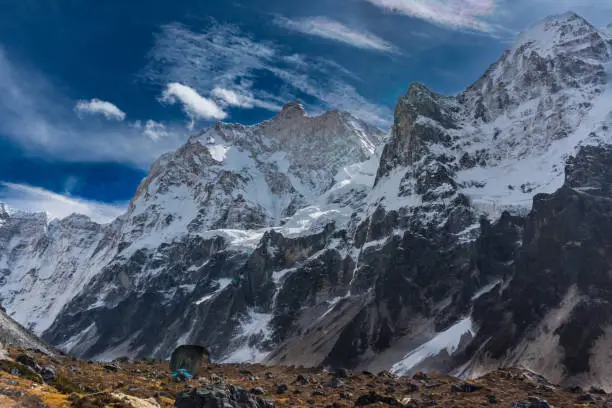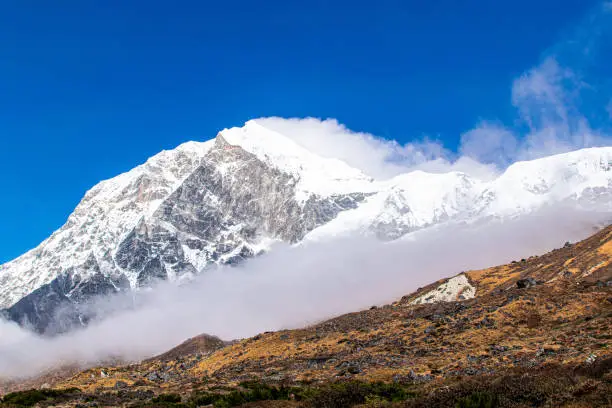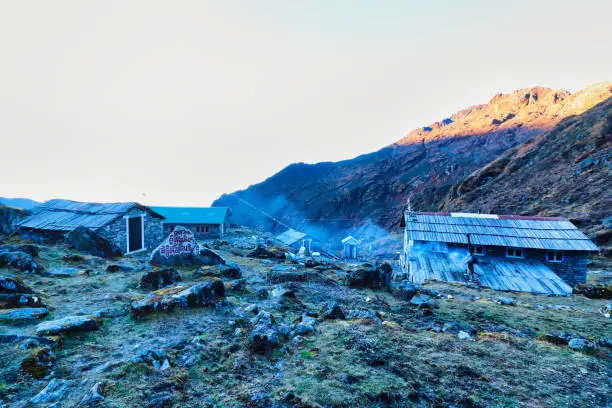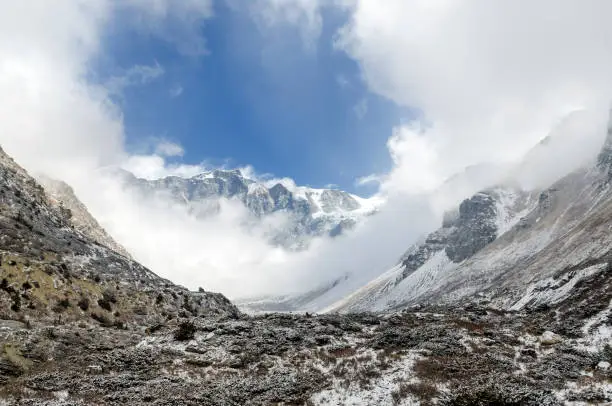
“How much does the Goechala Trek cost?” is the question I am asked more than any other. It sounds simple, but the honest answer has layers — the headline package price is only part of what you will actually spend. After running this trek for fifteen years from our base in Yuksom, I would rather you see the full picture before booking than discover the extras on the trail. So this is the complete, transparent breakdown of the Goechala Trek cost in 2026, including the charges most websites quietly leave out.
Goechala Trek Package Cost in 2026
Our standard Goechala Trek package is priced at ₹19,500 per person for Indian nationals (discounted from a list price of ₹22,500) and $400 for foreign nationals. This is the Yuksom-to-Yuksom price — meaning it covers everything from the moment you arrive in Yuksom on Day 1 to when you return on Day 9.
| Package | Indian trekkers | Foreign trekkers |
| Standard Goechala package (Yuksom to Yuksom) | ₹19,500 | $400 |
| List price (before seasonal discount) | ₹22,500 | $450 |
| Group size | Max 12 per batch | Min 2 (permit rule) |
| Advance to confirm a seat | 30% of the package | 30% of the package |
This price sits roughly in the middle of the market. The large national operators typically charge ₹23,000 to ₹28,000 for the same route, while a handful of budget operators advertise lower numbers that usually exclude permits, mules or a qualified leader. Our pricing reflects a full-service trek run by the people who actually operate it — no booking agent is taking a commission between you and the mountain.
What Is Included in the Goechala Trek Cost
Everything below is part of the ₹19,500 / $400 package — there are no surprises hidden inside these heads:
- All meals from Day 1 dinner to Day 9 breakfast — breakfast, packed or hot lunch, evening tea with snacks, and dinner
- Twin-share tented accommodation on the trek with insulated sleeping mats
- Twin-share guesthouse or homestay accommodation in Yuksom on Day 1 and Day 9
- An IMF-certified trek leader with every batch
- Experienced local Sikkimese guide, cook and support helpers
- Mules or yaks to carry all kitchen and camping equipment
- All Khangchendzonga National Park entry and forest fees (for Indian trekkers)
- Inner Line Permit and Yuksom police registration paperwork
- Basic medical kit, pulse oximeter and portable oxygen cylinder for emergencies
- Contingency acclimatisation day at Dzongri — included, never charged extra
What Is NOT Included — The Hidden Costs to Budget For
This is the part most cost guides skip. These are real expenses you will face beyond the package price, and being honest about them upfront is the only fair way to quote a trek.
| Extra cost head | Indian trekkers | Foreign trekkers |
| Transport: NJP/Bagdogra to Yuksom (shared) | ₹3,200 | $50 |
| KNP national park permit (foreigners) | Included | ~₹5,000 ($60) |
| GST on the package | 5% | 5% |
| Backpack offloading (mule, full trek) | ₹4,500 | Included |
| Personal gear rental (jacket, sleeping bag, poles) | ₹2,500 (full set) | $40 |
| Travel & medical insurance (mandatory) | ~₹800 | Trekker’s own |
| Tips for the support team (pooled, per trekker) | ₹500–1,000 | $10–15 |
| Personal expenses (extra snacks, beverages in Yuksom) | ₹500–1,500 | Variable |
A note on offloading: many trekkers do not realise that carrying your own 12–15kg backpack to 4,500m is far harder than it sounds. For ₹4,500, you can offload it onto a mule and carry only a light day pack. For first-time high-altitude trekkers and anyone over 50, I genuinely recommend it — it is the single best ₹4,500 you can spend on this trek.
Your Realistic All-In Goechala Trek Budget
Adding the package and the typical extras together, here is what a Goechala Trek actually costs end-to-end in 2026 — not counting your flights or train to Bagdogra/NJP:
| Budget level | Indian trekkers | Foreign trekkers |
| Bare minimum (package + transport + GST) | ~₹23,700 | ~$510 |
| Realistic (with offloading + gear + tips) | ₹26,000–30,000 | $550–650 |
| Comfortable (private extras, full rentals) | ₹30,000+ | $700+ |
On top of this, budget separately for your travel to the trailhead region: a return flight to Bagdogra from Delhi, Kolkata or Mumbai typically runs ₹8,000–18,000 depending on season and how early you book, while an overnight train to NJP is far cheaper. Booking flights six to eight weeks ahead makes a real difference to the total.
Why Goechala Trek Prices Vary So Much Between Operators
Before you determine the budget, you can compare ten websites. You will see Goechala quoted anywhere from ₹13,000 to ₹30,000. The gap is rarely about profit margin — it is about what is actually being delivered. Here is what genuinely drives the difference:
- Group size. A 25-person batch is cheaper per head than our 12-person cap, but the trail experience and safety supervision are very different.
- Whether permits are included. Some low quotes exclude park fees, which you then pay at the check post.
- Qualified leader vs local porter only. An IMF-certified leader costs more than sending a group up with a single porter — and at 4,500m, that difference matters.
- Direct operator vs booking agent. Aggregator platforms add a commission of 15–25%, which you pay without realising it.
- Contingency days. Cheaper operators skip the acclimatisation buffer day to save money — a false economy that raises AMS risk.
Read more: See the complete Goechala Trek guide with full itinerary
Frequently Asked Questions About Goechala Trek Cost
Is the Goechala Trek expensive compared to other Himalayan treks?
Goechala sits in the mid-range for a 10-day Himalayan trek. It is more expensive than shorter treks like Dzongri or Sandakphu simply because it is longer and goes higher, requiring more days of food, permits and support staff. Compared to treks of similar length in Uttarakhand or Himachal, the price is broadly comparable.
What is the Goechala Trek cost for foreigners?
The package is $400 per person for international trekkers. On top of this, foreign nationals pay around ₹5,000 ($60) for the Khangchendzonga National Park permit at the check post, and must trek in a group of at least two as a permit requirement. We arrange all the paperwork on your behalf.
Can I get a discount on the Goechala Trek?
Our list price is ₹22,500, and the standard booking price is already discounted to ₹19,500. We offer further reductions for groups of six or more and for returning trekkers. We do not discount by cutting safety staff or skipping the acclimatisation day — those are fixed.
How much money should I carry in cash on the trek?
Carry ₹3,000–5,000 in cash. There are no ATMs after Yuksom and no card facilities on the trail. The cash covers tips for the support team, any personal purchases in Yuksom, and a buffer for the road journey. The nearest reliable ATMs are in Geyzing and Jorethang, well before Yuksom.
Is travel insurance included in the Goechala Trek cost?
No. Travel and medical insurance covering high-altitude trekking up to 4,500m is mandatory, but must be arranged by you. It typically costs around ₹800 for Indian trekkers for the trek duration. Make sure your policy explicitly covers trekking at altitude and emergency evacuation.
Book Your Goechala Trek for 2026
Now that you know exactly what the Goechala Trek costs — and what you are paying for — you can book with confidence. Our 2026 season runs from May to December, with batches capped at 12 trekkers and a 30% advance to confirm your seat.
Book now: ₹19,500 per person
Call/WhatsApp: +91 74072 48200
Email: kiran.yuksom@gmail.com
Read more: Read the complete Goechala Trek guide (itinerary, best time, difficulty)
Read more: View the Goechala Trek packing list to plan your gear rental
Read more: Book the Goechala Trek online
About the author
Kiran Gurung is the founder of Glacier Treks & Adventure, based in Yuksom, West Sikkim. An IMF-certified mountaineer, he has personally led more than 200 Goechala expeditions over fifteen years. Glacier Treks & Adventure is affiliated with the Department of Sikkim Tourism, the IMF, TAAS, YTDC and SAMA.