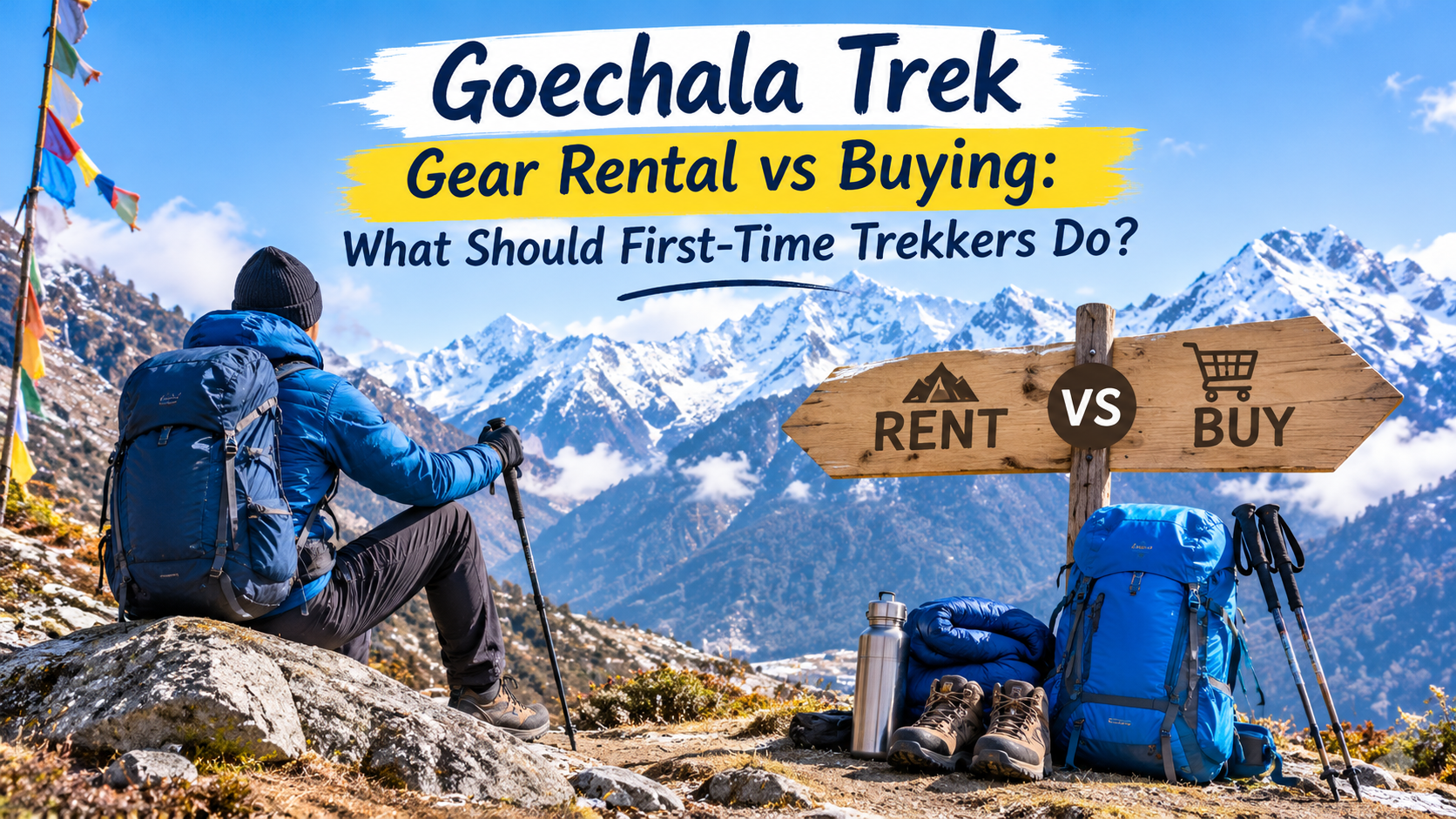
Planning your first Goechala Trek is exciting, but preparing for the mountains can feel overwhelming. Along with training, arranging travel and choosing the right dates, you have another important decision to make: should you rent trekking gear or buy your own?
For a first-time trekker, purchasing every piece of equipment can become expensive, especially when some items may only be used once. On the other hand, renting everything without checking its quality, fit or condition can create unnecessary discomfort during a challenging Himalayan trek.
The best approach is usually a combination of both.
For the Goechala trek gear rental vs buying decision, consider how often you will trek, which equipment needs to fit your body, what protection you need against cold and rain, and what your trekking package already includes.
In this guide, we explain which Goechala Trek equipment is worth buying, what you can rent, and how first-time trekkers can prepare without overspending.
Quick Answer: Is It Better to Rent or Buy Goechala Trek Gear?
For most first-time Goechala trekkers, renting expensive, occasional-use equipment and buying personal essentials is the most practical option.
| Gear | Best option for first-time trekkers |
|---|---|
| Waterproof trekking boots | Buy |
| Thermal innerwear and socks | Buy |
| Trekking jacket | Rent or buy, depending on future use |
| Sleeping bag | Rent if suitable quality is available |
| Trekking poles | Rent or buy |
| Backpack | Buy if possible; rent if properly fitted |
| Gloves and personal accessories | Buy |
| Headlamp | Buy |
The basic rule: Buy items that touch your skin, need a precise fit or will be useful on future adventures. Consider renting bulky, expensive equipment that you may not use regularly.
Before renting anything, check your trekking package inclusions. Some camping equipment and sleeping arrangements may already be provided.
Why Gear Decisions Matter on the Goechala Trek
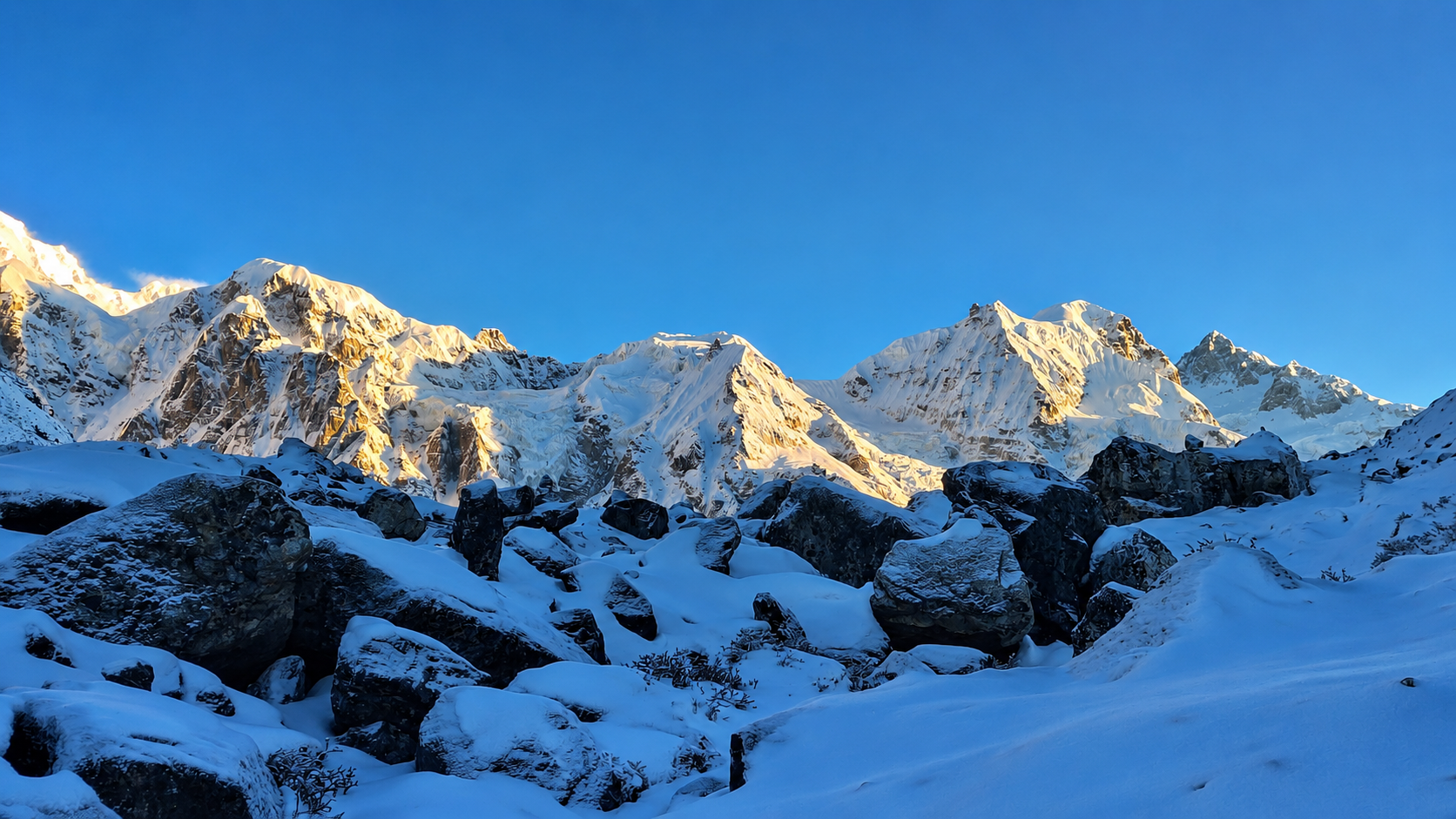
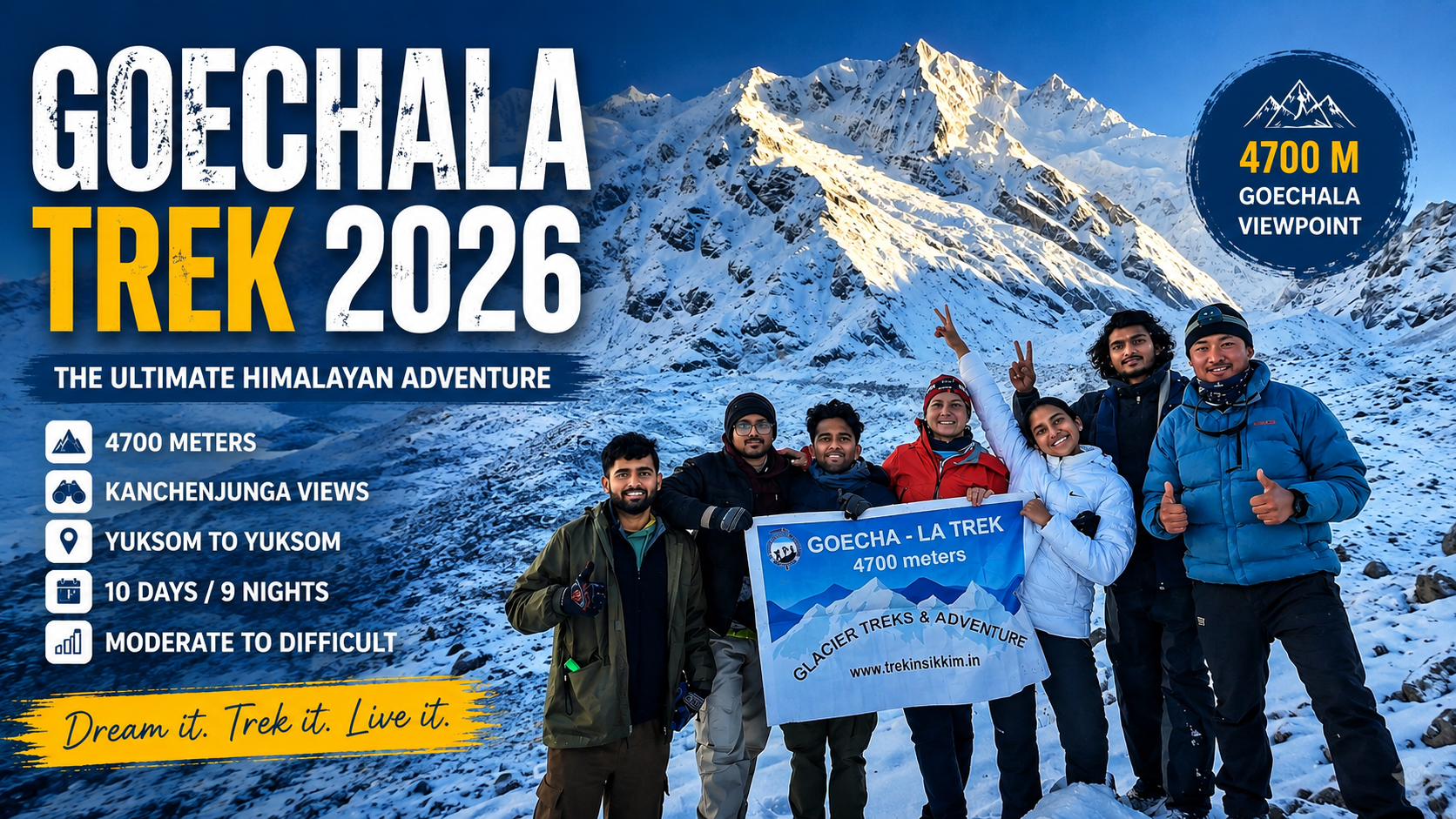
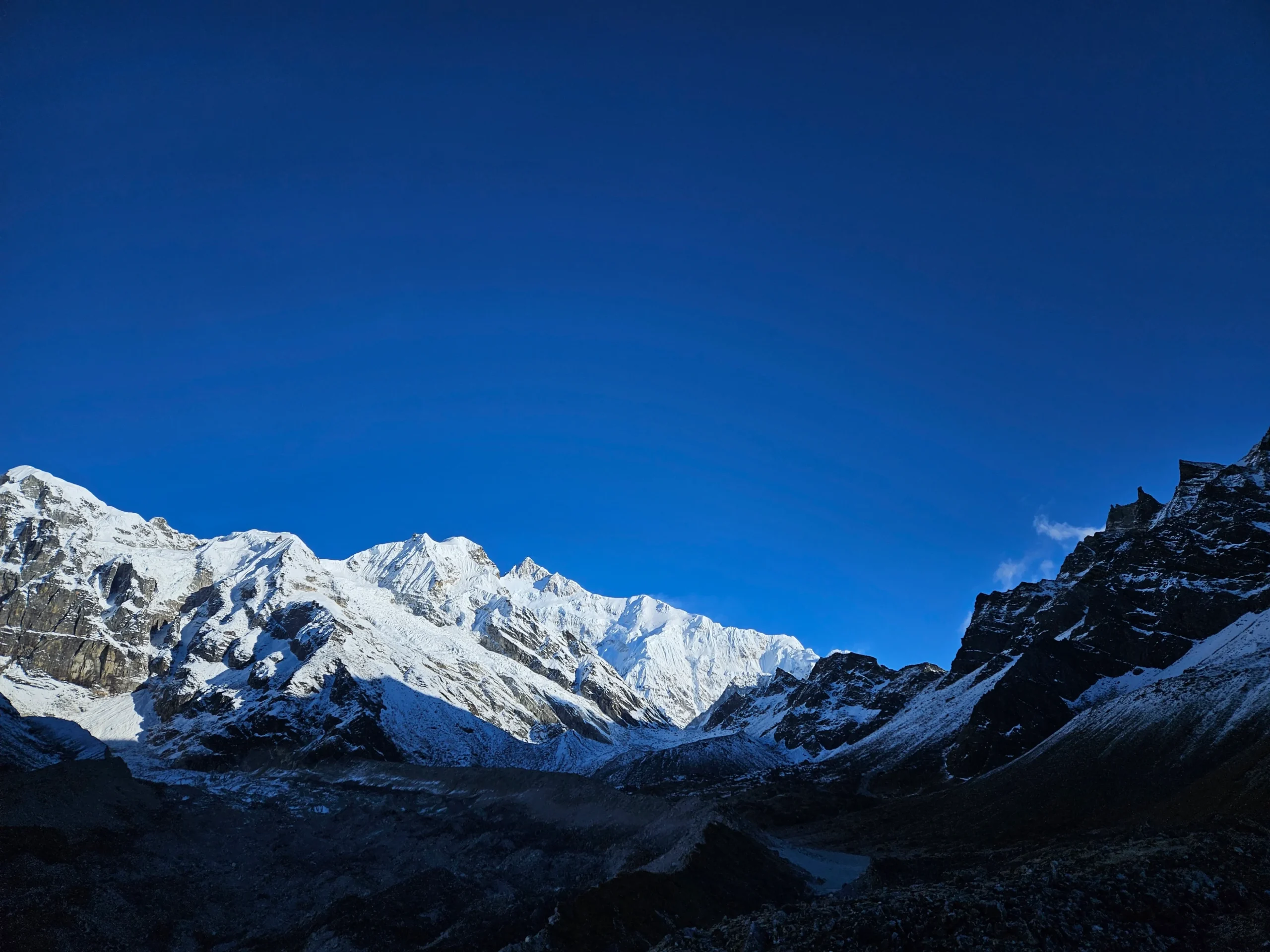
The Goechala Trek is a challenging high-altitude trek in West Sikkim. Starting from Yuksom, the route passes through forest trails, steep climbs, alpine landscapes and exposed high-altitude camps before reaching Goechala Viewpoint 1 at approximately 4,600 metres.
During the trek, you may experience:
- Cold temperatures and strong winds at higher camps.
- Rain, damp trails and slippery forest sections.
- Long walking days with sustained uphill and downhill sections.
- An early-morning summit-day-style hike in darkness and freezing conditions.
This is why trekking gear is not simply about comfort or appearance. Proper equipment helps you manage changing weather, maintain warmth, walk safely and enjoy the experience.
Goechala Trek Gear Rental vs Buying: A Gear-by-Gear Comparison
1. Trekking Boots: Buy Your Own
Recommendation: Buy.
Your trekking boots are among the most important pieces of equipment for Goechala. They need to fit comfortably, provide ankle support and offer reliable grip on uneven terrain.
Renting boots can be risky because:
- The fit may not be right for your feet.
- Previously worn boots may have damaged soles or reduced grip.
- You may develop blisters during long walking days.
- You may not have enough time to break them in before departure.
Choose waterproof trekking boots with good traction and enough room for your toes, even when wearing trekking socks.
Break in your boots through regular walks and practice hikes before arriving in Yuksom. Never start a multi-day trek in brand-new, untested footwear.
2. Down Jacket: Renting Can Save Money
<image-placeholder>Insulated trekking jacket in a Himalayan campsite</image-placeholder>
Recommendation: Rent for occasional trekking; buy for frequent use.
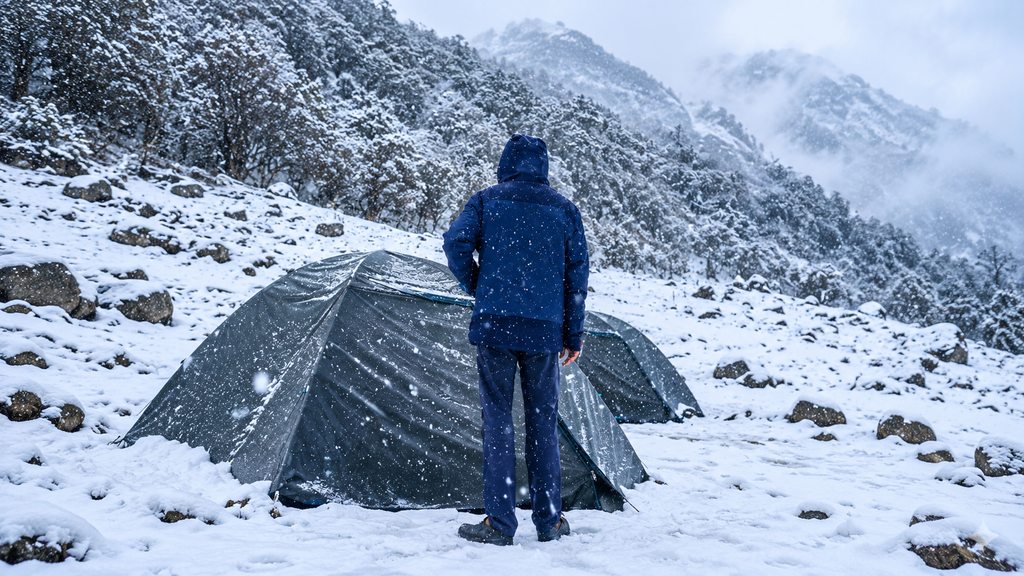
A warm insulated jacket is essential for cold mornings and high-altitude camps. A quality down or synthetic insulated jacket can be expensive, making rental a sensible choice for someone attempting Goechala for the first time.
Before accepting a rental jacket, check:
- Whether it provides adequate insulation for cold, exposed conditions.
- Whether the zip, hood and cuffs work properly.
- Whether it is clean, dry and free from damage.
- Whether it fits comfortably over your fleece and base layers.
A rental jacket should be warm enough for the expected conditions, not simply the cheapest available option.
3. Sleeping Bag: Usually Rent
Recommendation: Rent if the operator provides suitable equipment.
A sleeping bag suitable for high-altitude camping can be costly and bulky. If you do not regularly camp, renting a suitable sleeping bag can be more economical.
Ask the trek operator about:
- The sleeping bag’s comfort-temperature rating.
- Whether it is appropriate for the expected overnight temperatures.
- Whether it is clean, dry and properly maintained.
- Whether a sleeping liner is recommended.
Do not choose a sleeping bag based only on its advertised extreme-temperature rating. The comfort rating is more useful when evaluating overnight warmth.
Also confirm whether your package includes a sleeping bag or only a sleeping mat and tent accommodation.
4. Backpack: Buy If You Can
Recommendation: Buy a properly fitted backpack.
A comfortable backpack makes a significant difference during several consecutive days of walking.
For Goechala, a 40–50 litre backpack may work for trekkers carrying their own equipment, depending on packing style and whether luggage offloading is arranged.
Look for:
- Adjustable shoulder straps.
- A supportive hip belt.
- Comfortable back padding.
- Rain protection.
- Enough room for clothing, water and personal essentials.
If you decide to rent, try the backpack with weight inside before accepting it. Check that the straps adjust properly and that the back panel fits your body.
5. Trekking Poles: Rent or Buy
Recommendation: Either option works.
Trekking poles can help with balance and reduce the strain of long descents, especially on uneven or slippery sections.
Renting is a good choice for occasional trekkers. Buying becomes worthwhile if you plan to trek regularly.
Before using rented poles, check the locking mechanism, adjust the height and practise walking with them.
6. Thermal Wear, Socks and Gloves: Buy Your Own
Recommendation: Buy.
These are personal clothing items that are relatively easy to reuse on future trips.
Your thermal layers help retain body warmth, while suitable socks reduce friction and improve comfort inside your boots. Warm gloves are particularly important during the early-morning walk towards Goechala Viewpoint 1.
Bring layers that fit comfortably without restricting movement. Avoid relying on a single thick layer when several lighter layers offer more flexibility.
7. Headlamp and Small Essentials: Buy
Recommendation: Buy your own.
A headlamp is essential for the early start towards Goechala Viewpoint 1. You will need reliable hands-free lighting while walking in darkness.
Carry spare batteries or a fully charged rechargeable headlamp. Other useful personal essentials include sunglasses, sunscreen, a reusable water bottle and personal medicines.
These items are relatively inexpensive compared with the cost of a trekking trip and are useful for future adventures.
How Much Does Goechala Trek Gear Rental Cost?
Gear rental costs depend on the equipment, rental duration, quality and local availability.
The following figures are indicative planning estimates, not guaranteed current quotations:
| Equipment | Indicative rental cost |
|---|---|
| Down jacket | ₹200–₹400 per day |
| Sleeping bag | ₹250–₹500 per day |
| Trekking poles | ₹100–₹200 per day |
| Backpack | ₹200–₹400 per day |
A complete rental set can cost several thousand rupees for a multi-day trek. Ask for a complete quotation before booking so you can compare the cost of renting against purchasing.
Glacier Treks & Adventure also lists gear rental options for Goechala trekkers. Contact the team to confirm current availability, equipment specifications and rental charges for your departure.
What Gear Is Included in the Goechala Trek Package?
Before buying or renting equipment, check what your trekking package already covers.
The standard Goechala Trek package offered by Glacier Treks & Adventure includes:
- Tented accommodation during trekking days.
- Sleeping mats and camping arrangements.
- Hotel or homestay accommodation in Yuksom as specified in the itinerary.
- Meals during the trekking programme.
- Experienced local trekking guides and support staff.
- Camping equipment and logistics.
- Required trekking permits and applicable park fees.
- Basic first-aid support and emergency oxygen arrangements.
Personal trekking clothing and footwear are generally not included. Confirm sleeping bag availability and any additional equipment requirements before departure.
Sample Goechala Trek Package Details
The Goechala Trek is a rewarding Himalayan adventure for trekkers who are prepared for long walking days, cold weather and high altitude.
Package: Goechala Trek
Duration: Approximately 10 days
Starting and ending point: Yuksom, Sikkim
Highest trekking point: Goechala Viewpoint 1, approximately 4,600 metres
Difficulty: Difficult
Fixed departure price: ₹24,000 per person for Indian trekkers
International trekker price: US$400 per person, subject to applicable permit charges
Package inclusions
- Accommodation in Yuksom and designated trekking camps.
- Meals during the trekking programme.
- Local trekking guide and experienced trek leader.
- Support staff, cook and camping logistics.
- Required permits and applicable park fees.
- Basic medical and emergency support.
Package exclusions
- Travel to and from Yuksom unless specifically arranged.
- Personal trekking clothing and footwear.
- Personal gear rental unless confirmed in the booking.
- Travel insurance and personal expenses.
- Optional luggage offloading and other additional services.
For the latest itinerary, departure dates, inclusions and booking information, visit the Goechala Trek package page.
How to Decide: Rent or Buy Based on Your Trekking Plans
Your decision should depend on how often you expect to use your equipment after Goechala.
If this is your first and only trek: Buy personal essentials such as boots, socks, thermals and a headlamp. Rent expensive equipment such as a sleeping bag and insulated jacket.
If you plan to trek once or twice every year: Consider purchasing a backpack, trekking poles and a versatile insulated jacket. Rent specialised equipment that you rarely need.
If you plan to trek regularly: Buying good-quality equipment can become more economical over time. You can also learn how to maintain and pack your own gear.
If you are travelling from outside Sikkim: Renting bulky equipment locally can reduce luggage weight and make travel easier. However, arrange rentals in advance and confirm that the equipment will be available when you arrive.
Common Mistakes First-Time Goechala Trekkers Should Avoid
- Buying expensive gear without checking what the package already includes.
- Renting boots without testing their fit.
- Choosing a sleeping bag based only on its lowest advertised temperature.
- Bringing too many clothes and making the backpack unnecessarily heavy.
- Waiting until the last day to arrange equipment.
- Assuming that rented gear will automatically be clean, dry or suitable.
- Ignoring rain protection because the forecast looks clear.
The best preparation is not about owning the most expensive equipment. It is about carrying the right equipment in good condition and knowing how to use it.
Why Choose Glacier Treks & Adventure for Your Goechala Trek?
Choosing an experienced local trekking operator can make equipment planning and mountain logistics easier, especially for first-time trekkers.
Local Knowledge and Experienced Leadership
Glacier Treks & Adventure was founded by Kiran Gurung, an IMF-certified mountaineer born and raised in Sikkim. With more than 15 years of field experience and extensive Goechala expedition leadership, the team understands the route, campsites and changing mountain conditions.
Practical Gear Guidance
The local team can help you identify which personal equipment to buy, which items may be available for rent and what is already included in your package.
Local Guides and Support Crew
Experienced local guides, cooks and support staff help manage the trekking journey, campsite arrangements and daily logistics.
Safety-Focused Trek Planning
The team provides trekking briefings, basic first-aid support and emergency oxygen arrangements. Trekking plans are managed with attention to weather, acclimatisation and the conditions on the trail.
Responsible Trekking
The team supports responsible trekking practices, local livelihoods and Leave No Trace principles to help protect the sensitive Himalayan environment.
Frequently Asked Questions
Is it cheaper to rent or buy gear for the Goechala Trek?
Renting is usually cheaper for expensive equipment that you will use only once, such as a sleeping bag or insulated jacket. Buying personal essentials such as boots, socks and thermals is generally a better long-term investment.
Can I rent trekking gear in Yuksom?
Gear rental may be available through local trekking operators in Yuksom. Availability and sizes can vary, so contact your operator before arrival to confirm the equipment you need.
Should beginners rent a sleeping bag for Goechala?
Yes, renting can be practical for beginners, provided the sleeping bag is clean, properly maintained and suitable for the expected overnight temperatures. Confirm whether it is included in your trekking package.
Do I need to buy trekking boots for Goechala?
Buying your own trekking boots is strongly recommended. Proper fit, reliable grip and the opportunity to break in your boots before the trek are important for comfort and safety.
Does the Goechala Trek package include trekking gear?
The package includes camping arrangements and specified support equipment, but personal clothing and footwear are generally excluded. Confirm whether sleeping bags and any other personal gear are included in your particular departure.
How much should I budget for Goechala Trek gear?
Your equipment budget depends on what you already own and what your package provides. First-time trekkers who rent bulky equipment and buy only personal essentials can often reduce their initial spending considerably.
Can I rent a down jacket for the Goechala Trek?
Yes, rental down jackets may be available through local trekking operators. Confirm the insulation, fit, condition and rental price before booking.
What is the most important gear to buy before Goechala?
Prioritise properly fitted trekking boots, thermal layers, trekking socks, gloves and a reliable headlamp. These personal essentials are important for comfort and should be tested before the trek.
Plan Your Goechala Trek with the Right Gear
You do not need to purchase an entire trekking shop to experience the Himalayas. With a sensible mix of personal essentials and suitable rental equipment, you can prepare for Goechala without unnecessary spending.
Start by checking your package inclusions, deciding which equipment you will use again and arranging any rentals well before your departure.
Ready to plan your Goechala Trek?
Explore the Goechala Trek itinerary, package price and departure details, or contact Glacier Treks & Adventure for assistance with equipment and booking.
Contact Glacier Treks & Adventure
- Phone / WhatsApp: +91 74072 48200
- Email: contact@trekinsikkim.in
- Address: Yuksom Bazar Main Road, Near Hotel Yangri Gang, West Sikkim, Pin 737113
- Website: trekinsikkim.in
Our local team can help you prepare for the trek, understand package inclusions and check available gear rental options before your journey.