Introduction
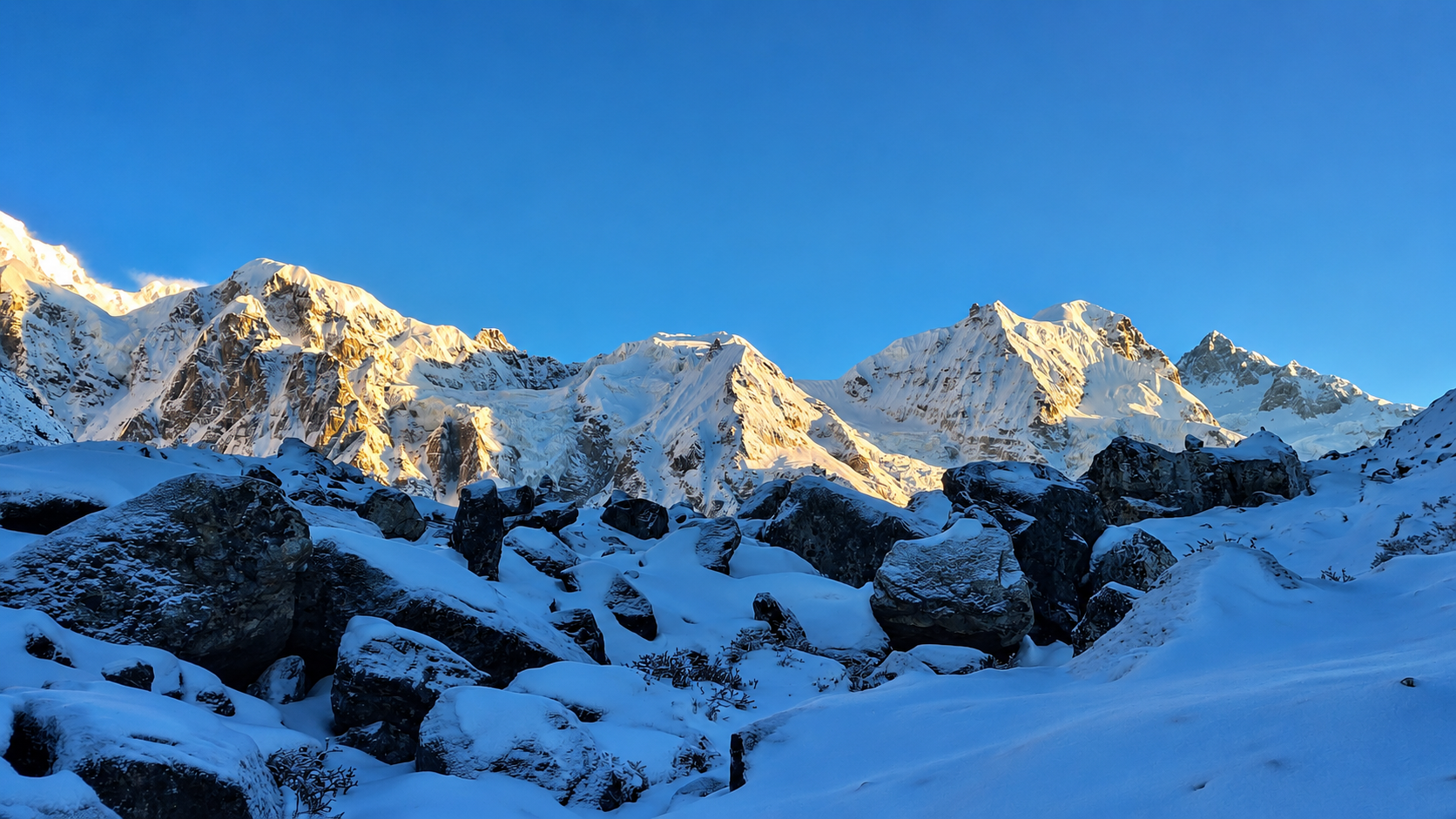
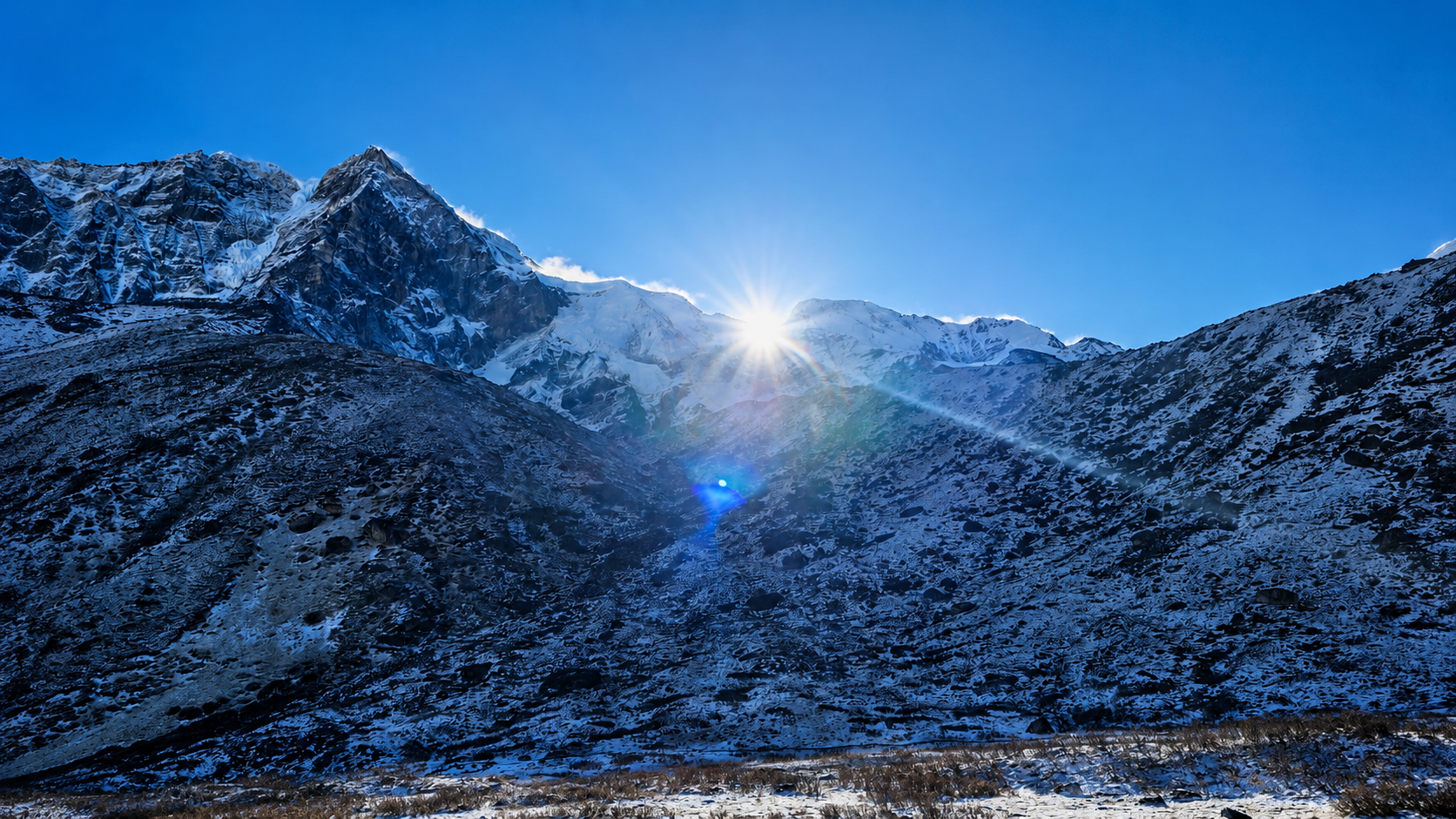
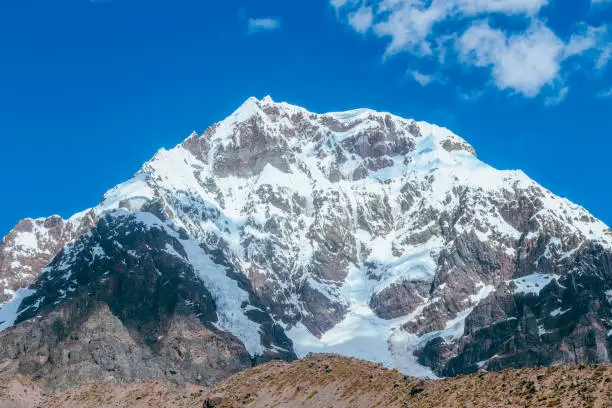
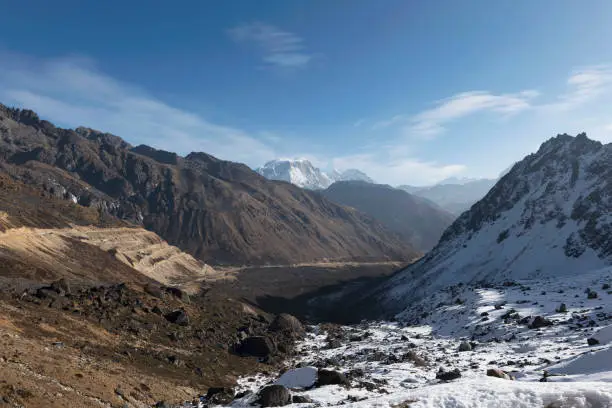
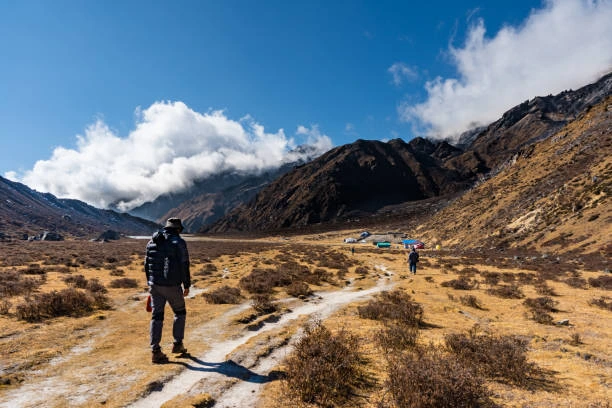
Goechala trek is among the most stupendous mountainous experiences in the Indian Himalayas. This difficult path, which goes up to more than 15,000 feet, in Sikkim, offers treasure trove vistas to the trekkers of the world of the third-highest mountain on the planet, Mount Kanchenjunga. In the case of such a challenging expedition, the selection of trek operator is essential in regards to safety and quality of experience.
Goechala trek indiahikes has become a leader in terms of this kind of adventure, and it is a combination of professionalism with detailed safety measures. To American trekkers, who want to glimpse the true experience of the Himalayan treks, the reasoning behind why Indiahikes is the best place to be, would be the difference between an arduous journey and a possible death scenario.
This paper analyses why goechala trek indiahikes is the best option when spending safe, scenic and well-organized high-altitude hiking hedonizing in one of the most stunning mountainous settings in Asia.

Safety Standards that Make Indiahikes unique.
Professional Guide Training.
Indiahikes employees strict criteria on the trek leaders and the support staff. All guides are trained to have a comprehensive training in:
Physiology and acclimatization procedures at high altitudes.
Wilderness first aid and emergency response.
Recognition of weather pattern.
Navigation and security evaluation of the route.
This professional training helps to keep your Goechala trek in the hands of professionals capable of dealing with mundane issues and the emergencies.
Emergency and Medical Support
Medical Support and Emergency Procedures
| Safety Feature | Indiahikes Implementation |
| Medical Equipment | First-aid kits, pulse oximeters, emergency oxygen, comprehensive first-aid kits. |
| Staff Training | Wilderness first responders on all treks are certified. |
| Emergency Plans | Determined evacuation routes, local coordination of rescue. |
| Health Monitoring | Check-in every day, screening of altitude sickness. |
Wilderness safety expert Dr. Rajesh Kumar believes that the distinction between the safe high altitude trek and the dangerous one is a matter that is often reduced to the preparation and monitoring. Indiahikes excels at both.”
Strategic Acclimitation Schedule.
Acclimatization Over the Goechala trek indiahikes itinerary includes special days of acclimatization at important altitudes. This will help to minimise the occurrence of altitude sickness as opposed to haste schedules provided by other operators.
Enhancement of Scenic Experiences.
Optimal Route Selection
Goechala trek route refined by years of experience: Indiahikes.
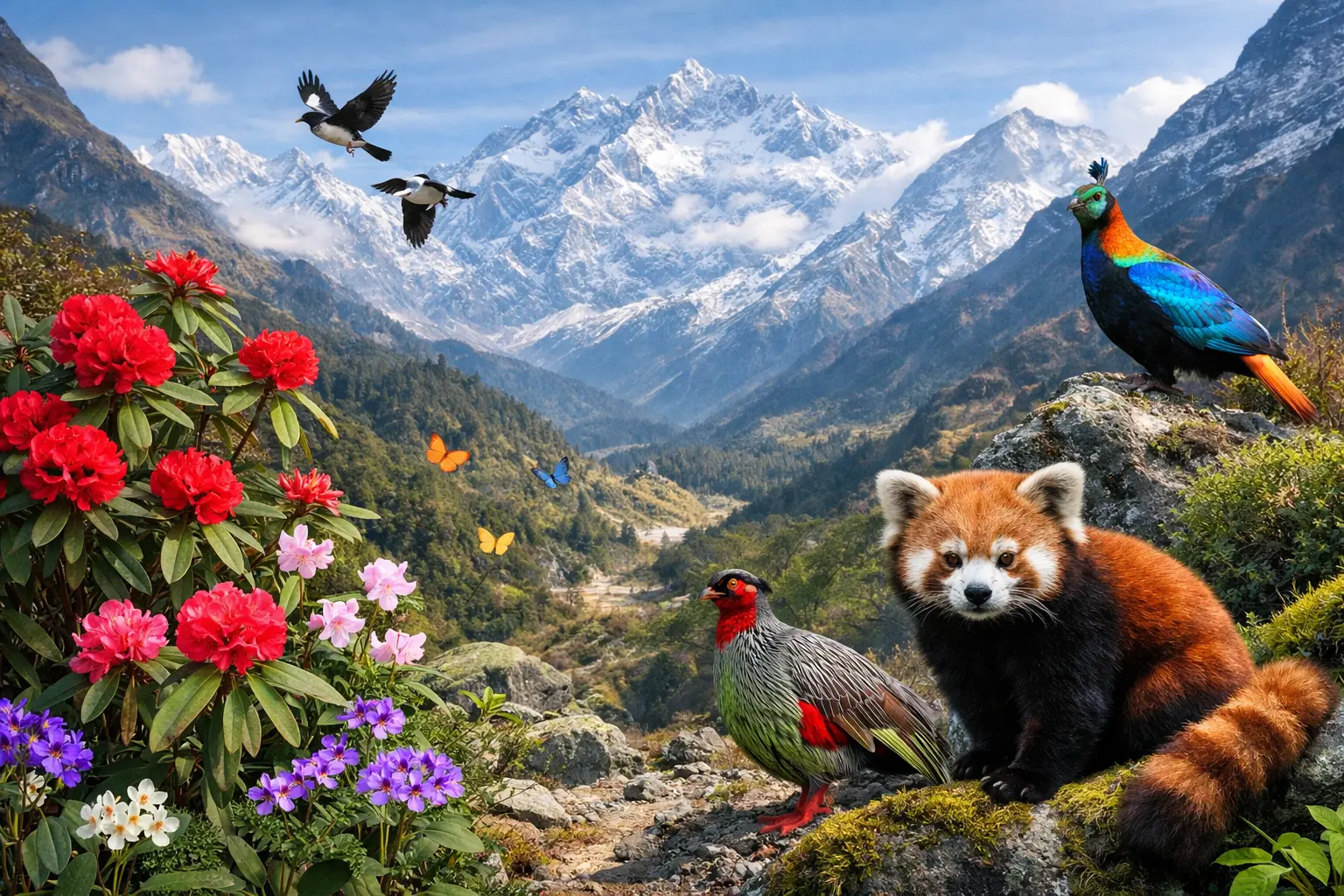
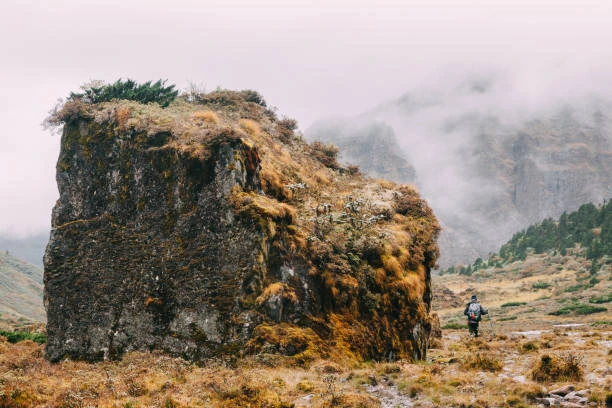
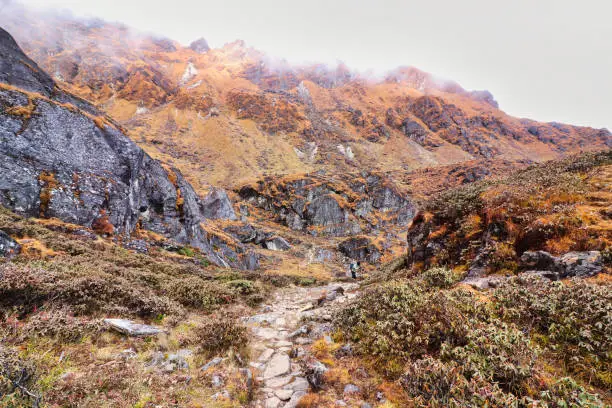
Goes through different ecosystems such as rhododendron forest and alpine meadows.
Maximizes the perspectives of the Kanchenjunga massif.
Makes culturally stop bys at Buddhist monasteries.
Balances have a disadvantage of being harder to use with fit beginners.
Small Group Advantage
| Aspect | Indiahikes Groups | Typical Large Groups |
| Group Size | 12-15 trekkers | 20-25+ trekkers |
| Guide Attention | Personalized support | Limited individual focus |
| Environmental Impact | Minimal trail degradation | Major degradation of campsites. |
| Wildlife Encounters | Improved viewing facility. | Animals avoid large crowds |
Smaller groups imply closer encounters with the beautiful mountainous landscape and Taiwanese culture that transform the Goechala trek into the memory of a lifetime.
High-Altitude Expertise
Altitude Management
Indiahikes takes the approach of high-altitude hiking with a scientific accuracy:
Schedules of gradual increase of extreme elevation.
Acclimatization days with the system of climb high, sleep low.
Constant health care using pulse oximeters.
Adjustable schedules which adapt to the needs of the group.
This routine is what assists trekkers to reach the Goechala Pass successfully and with reduced dangers to their health.
Equipment Quality
goechala trek indiahikes sells or suggests high quality equipment that would otherwise be appropriate in harsh conditions:
Sub-zero sleeping bags that are four-season.
High wind resistant durable tents.
Correct footwear advice on rugged, unpleasant conditions.
Emergency communication equipment.
Environmental Responsibility
Indiahikes is under their Green Trails initiative which focuses on:
Encompassing waste management.
Leave No Trace principles
Giving back to society.
Reducing carbon footprint by being efficient as a group.
This promise safeguards the Goechala trek to be maintained in its cleanliness to succeeding generations as well as offer economic gain to the Sikkimese villages.
Value Beyond Price
Comprehensive Inclusions
| Package Element | Details |
| Permits & Fees | Razing permits, national park entrances. |
| Accommodation | Checked campings, official camps. |
| Meals | High-energy wholesome meals, snacks. |
| Support Staff | Porters, support, guides, cooks. |
| Safety Gear | First aid, emergency equipment. |
The goechala trek indiahikes package offers clear pricing with no hidden prices as is the case with some of the budget operators.
Expert Local Knowledge
Vital research knowledge is brought by Indiahikes trek leaders concerning:
The distinctive Buddhist culture of Sikkim.
Identification of flora and fauna.
Climate conditions and season changes.
Opportunities to take pictures at the right time.
It is a cultural and environmental observation that will make your Himalayan adventure much more than just making it to the top.
Conclusion
By settling on goechala trek indiahikes, you will be choosing a trek operator that will not jeopardize your safety at the expense of the breathtaking scenic experience. Their professional instructions, the principles of strategic acclimatization, and the desire to work in small groups provide the optimal conditions in hiking to high altitudes.
Regarding the American trekkers, who invest their time and resources into the Himalayan trip, Indiahikes can provide everything as far as knowledge, safety equipment and a sense of environmental responsibility are concerned and convert a difficult hike into a mind-altering experience. The Goechala trek is not an easy task to be respected, and Indiahikes offers professional assistance to make it safe and unforgettable.
Frequently Asked Questions
Why is Goechala trek Indiahikes the safest of all operators?
Our goechala trek indiahikes boasts of high safety with certified wilderness first aid trained guides, well-organized medical supplies such as oxygen in case of emergency, well-layered evacuation plans, and well-planned acclimatization timetables. This is because they have a guiding to trekker ratio of 1:10 which means that they are personally monitored and that is not possible in large groups.
What is the level of difficulty of the Goechala trek to American trekkers?
Goechala trek is not easy, one should be fit with a bit of experience in high-domain hiking. Indiahikes suggests that one should have at least one moderate Himalayan trek before. Their slow acclimatization program can get beginners to succeed, and you would prepare 4-6 weeks before traveling by training in the cardiovascular and strength exercises.
Which is the ideal time of Goechala trek with Indiahikes?
Indiahikes is a trek that runs around the Goechala in spring (April-May) and autumn (September-October). The spring has both the blooming rhododendrons as well as warmer weather, whereas autumn includes clearer mountain views and stable weather. The benefits of both seasons are that the Indiahikes guides can assist you in making a decision that is based on the priorities.
Does Indiahikes offer gear leasing to Goechala trek?
Yes, goechala trek indiahikes is a company that provides proper equipment such as sleeping bags, crockets, jackets, and backpacks on rental terms. Rental products satisfy the requirements of the high-altitudes. When you are bookings rentals can be added so that they will not have to go through the hassle of international shipping since they will have the proper equipment.
What is the management of altitude sickness by Indiahikes on the Goechala trek.
Indiahikes treats the issue of altitude sickness with seriousness and has a series of measures that include: acclimatization days, health checkups on a daily basis through pulse oximeters, guides who are trained to identify the symptoms early, emergency Oxygen, and the set of descent measures. Where in case of any severe symptoms, the team initiates evacuation measures to reduce the elevations.