Introduction: Markha Valley Trek
Markha Valley Trek difficulty is arguably the most frequent issue that first-time trekkers consider as they set out on an adventure that will take them to the Himalayas. Novices tend to inquire about whether this expedition is so strenuous, whether one needs previous trekking experience, or whether it is the first expedition into the highlands. Such qualms are understandable, particularly when the expedition is in Ladakh, an area that is known to be of a harsh nature in its terrain and altitude.
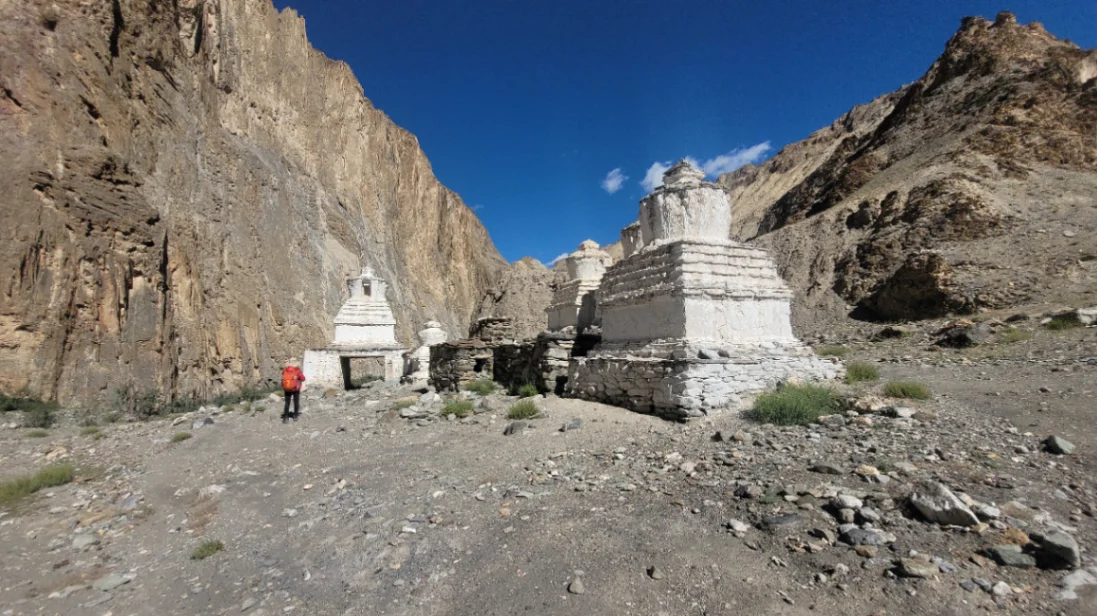
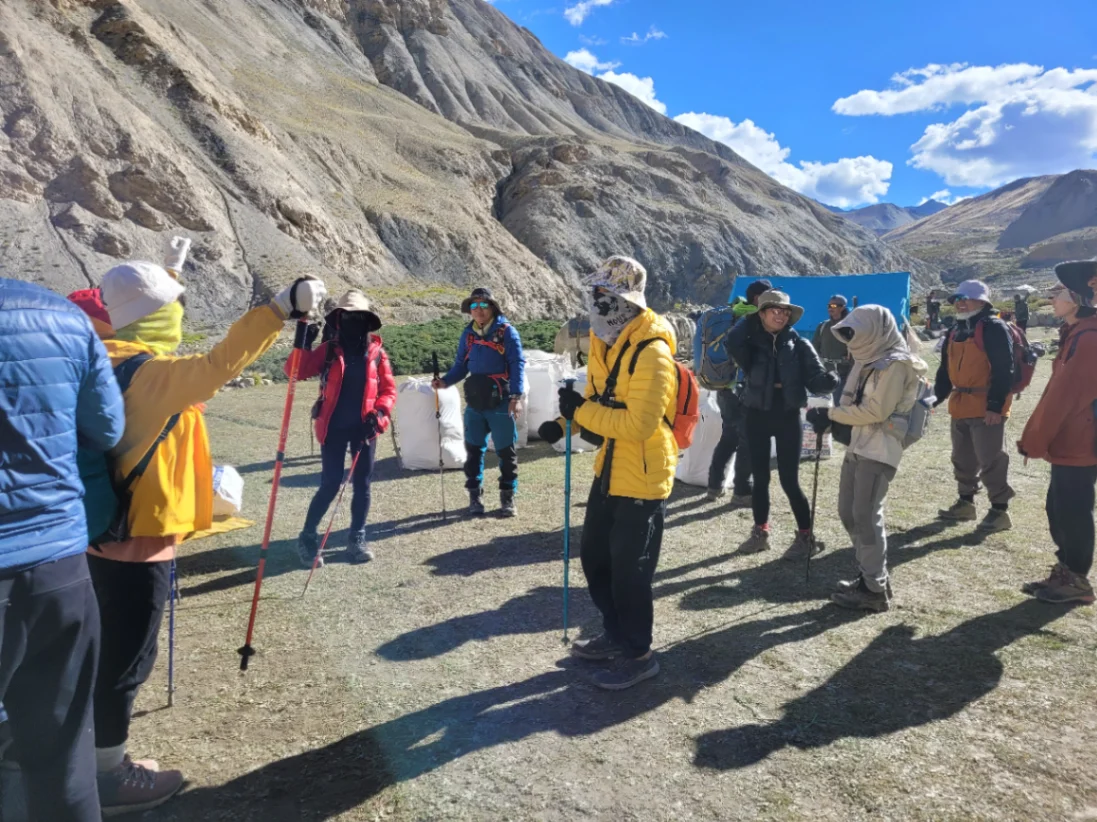
The Markha Valley Trek, which is suitable to begin with, is moderately challenging. It is in a moderate position in which preparation is more important than experience. This is not a short hill trek like the previous one, but a trek into the high-altitude trek in Ladakh, where oxygen is not as abundant, and the body has to acclimatize first. This is the factor of the altitude that beginners are anxious about.
The confusion that usually arises pertains to how difficulty is defined. The most common understanding of the term “difficulty” is sharp climbs or tricky passages. The Markha Valley Trek, in fact, is not as difficult as it is touted to be because the difficulty of the experience is in long walks, slow increase in altitude, cold nights, and physical stamina, instead of technical expertise. It will not involve climbing rock faces and using ropes, but you will be walking several hours a day at elevated altitudes.
The walk is by no means an impossibility for beginners who are reasonably fit, mentally prepared, and ready to walk slowly. The Markha Valley Trek difficulty can be handled with the right acclimatization, instructions, and achievable expectations that make it a very fulfilling experience. This will give you an overview of the challenge without being exaggerated or making false claims, thus enabling you to make a decision confidently.
What type of trek is the Markha Valley Trek?
To conceive the difficulty of the Markha Valley Trek, it is vital to know the nature of the trek it is. The Ladakh Markha Valley Trek is rated as a moderate trek in the Himalayas, which is very confusing to first-timers.
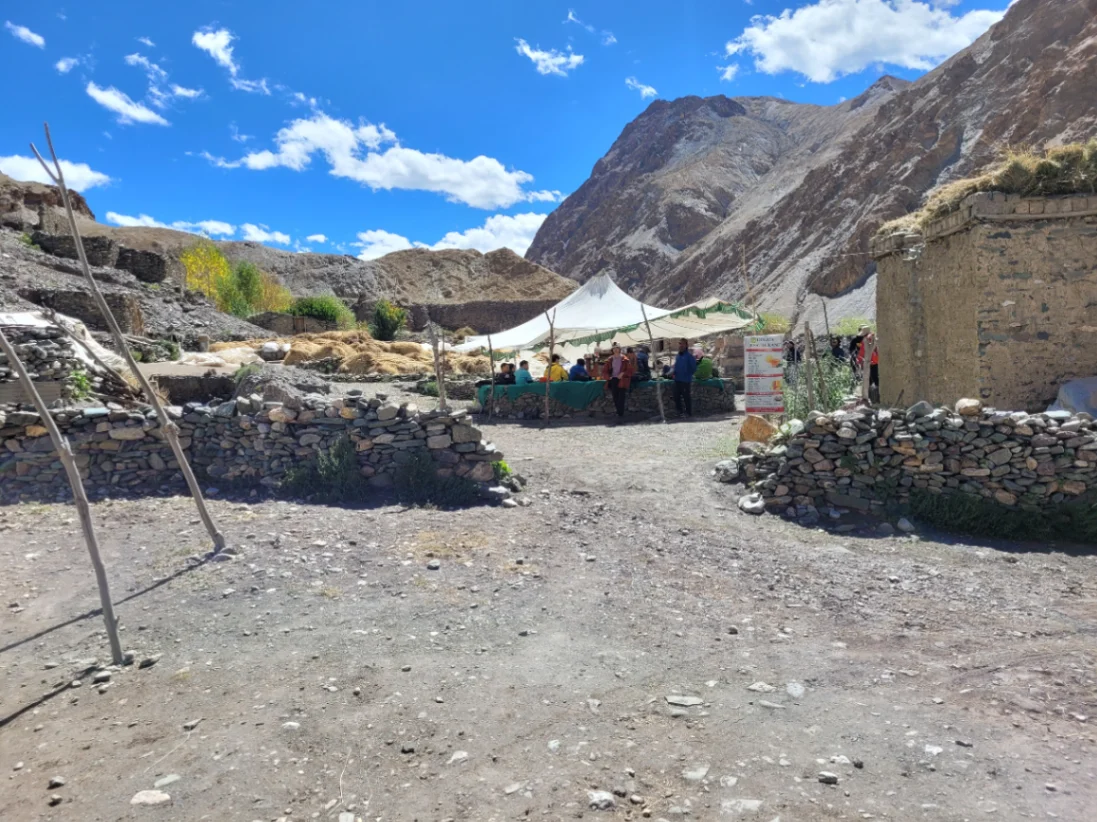
To begin with, it is a non-technical hike. This will imply that you do not require mountaineering expertise, climbing gear, or prior knowledge of snow or glaciers when the climbing season is in progress. The pathways are clear, and the climbs are not steep but gradual. Technically, the trek is easy to do.
But the trouble is in altitude. Non-technical is often confused with easy by beginners. An easy trail might seem hard in Ladakh, as the air is thinner. That is why the difficulty of the Markha Valley Trek seems to be higher than forest treks in Himachal or Uttarakhand.
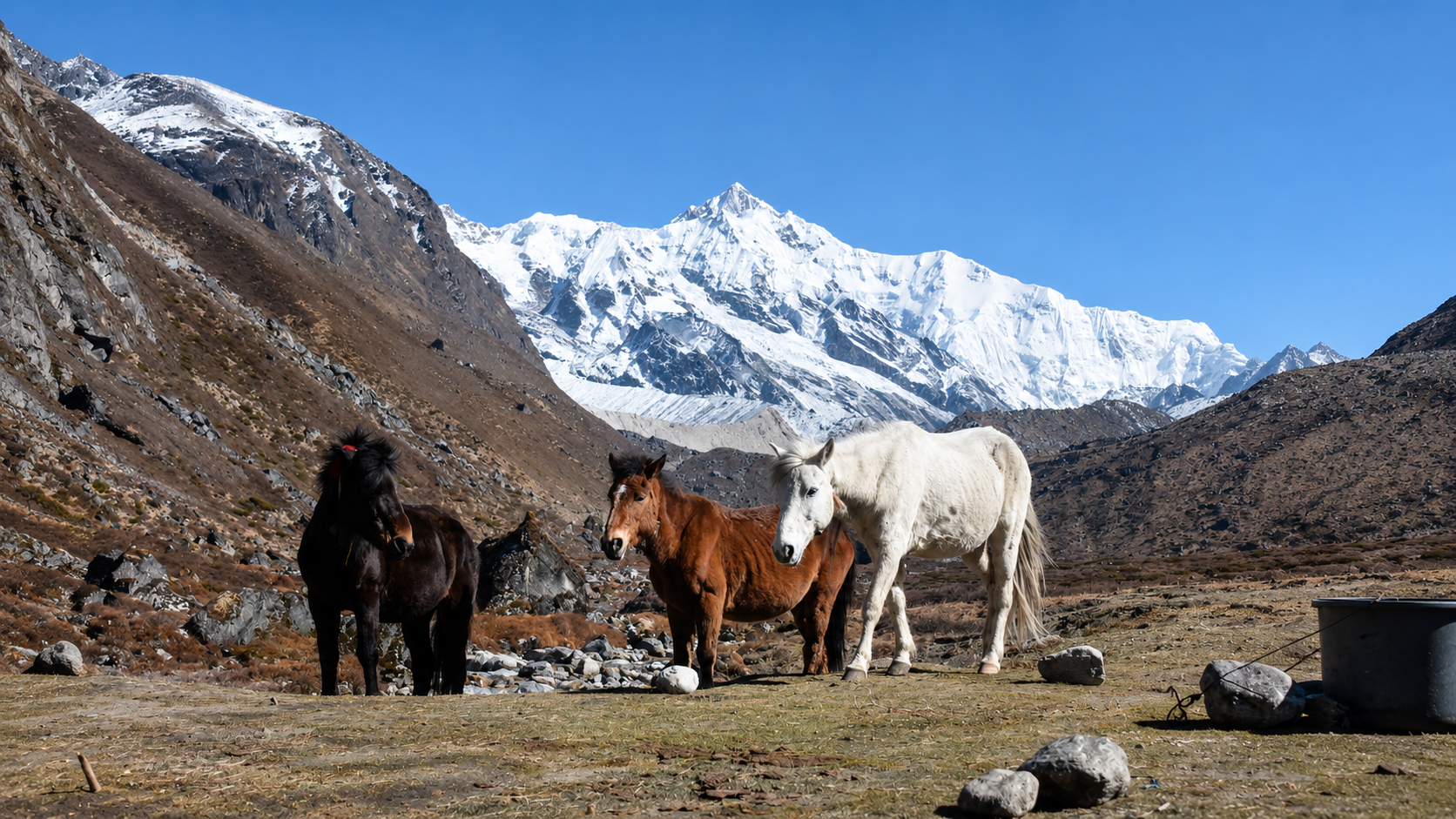
The other significant difference is the landscape. As compared to Himalayan forest treks, where the trek moves through thick trees and shaded routes, Ladakh treks are usually open valleys with broad horizons. The coverage on trees is low, the sun is more intense, the nights are colder, and people are more exposed to wind. All these environmental factors cause more physical fatigue even in low terrain.
Hence, contrary to the Markha Valley Trek, the tests included are endurance, breath capacity, and patience. Hence, the reason it is referred to as a moderate trek is not that it is hazardous in nature but because it requires an appreciation of altitude and pace. It is the difference that beginners can learn to prepare properly and not underestimate the trek. What Critically Determines the Difficulty of the Markha Valley Trek?
Interconnected factors determine the difficulty of the Markha Valley Trek. Being aware of these factors will enable beginners to be prepared intelligently rather than get caught off guard on the trail.
Altitude Impact
The most critical factor of difficulty is altitude. The expedition begins at 3,400 meters and slowly increases to the Kongmaru La Pass of more than 5,200 meters. Oxygen concentration decreases substantially at these heights; hence, breathing becomes difficult and physical movement becomes slow. Even fit beginners can get weary of the short climbs. This is not a weakness symptom; this is a natural reaction to high altitude.
Long Walking Days
Markha Valley Trek has another factor that makes it difficult, and this is the length of walking time. There are days of 6-8 hours of constant walking. The ground itself must be easy, but long-distance work over elevations requires endurance. Novices have to discover that the mind can be as powerful as the body.
River Crossings
The journey takes several crossings across the rivers, particularly during the summer season. These are generally safe, but they may be of great intimidation to first-time trekkers. The physical and mental stress is increased by cold water, slippery rocks, and powerful streams. These crossings are not too difficult with due timing and instructions, but they make their difficulty seem greater.
Weather & Cold Conditions
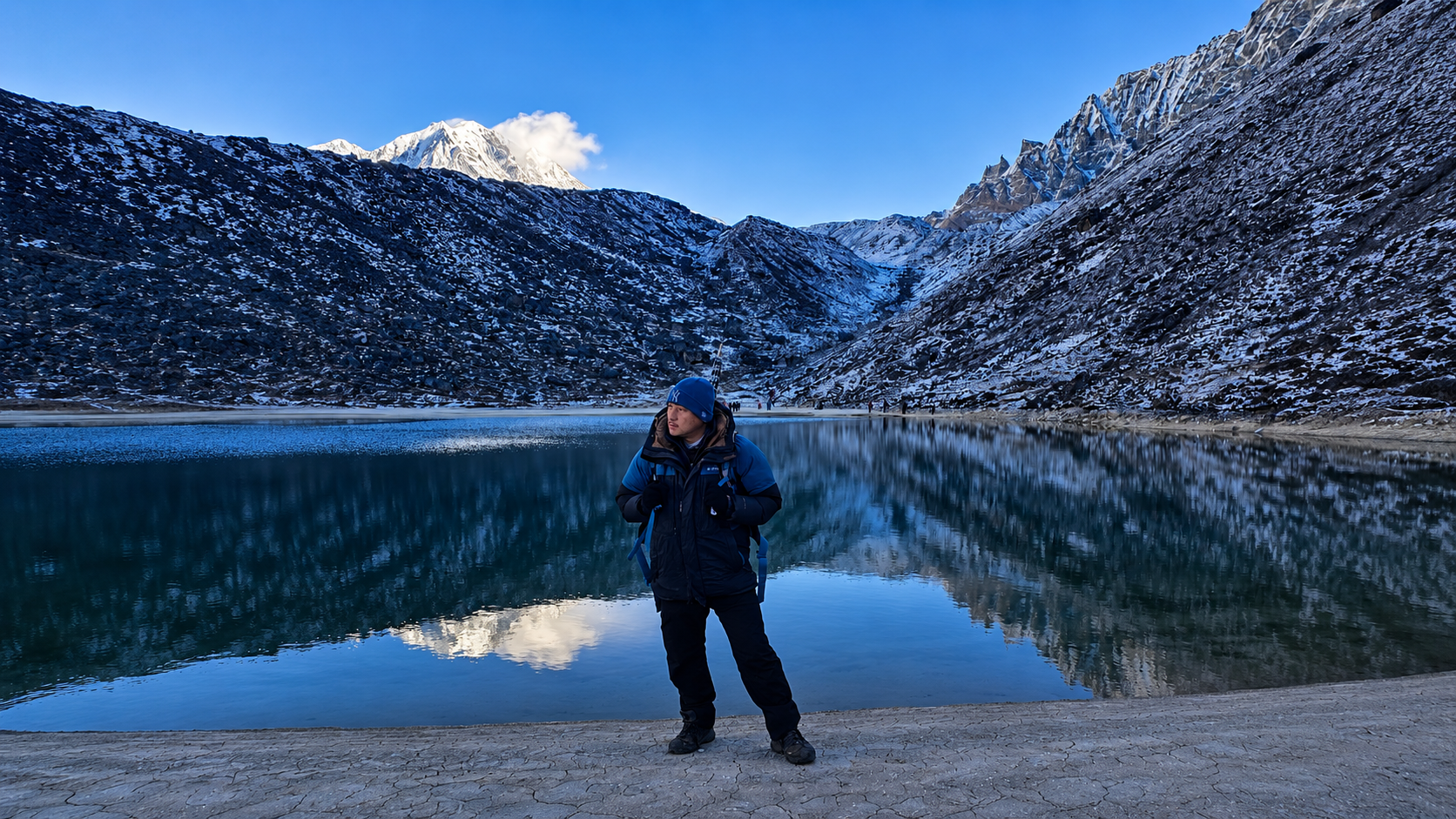
Ladakh has unpredictable weather. Even at the busiest times of trekking, temperatures may reach below zero at the more elevated camps. Powerful winds and sunlight in the daytime may also use up energy fast. This can be difficult for newcomers who are not accustomed to cold weather without the appropriate equipment.
Remote Terrain
The Ladakh Markha Valley Trek is a trek that traverses remote villages and high-altitude pastures where access to hospitals is minimal. This isolation adds psychological stress to the novices. It can also be important to know that one is far from help to make the journey seem more challenging, both mentally and when the path is accessible.
All these make the actual challenge of the trek. None is extreme by itself, but when put together, one needs to prepare and be patient and conscious, particularly for novices.
Does the Markha Valley Trek Appeal to Beginners?
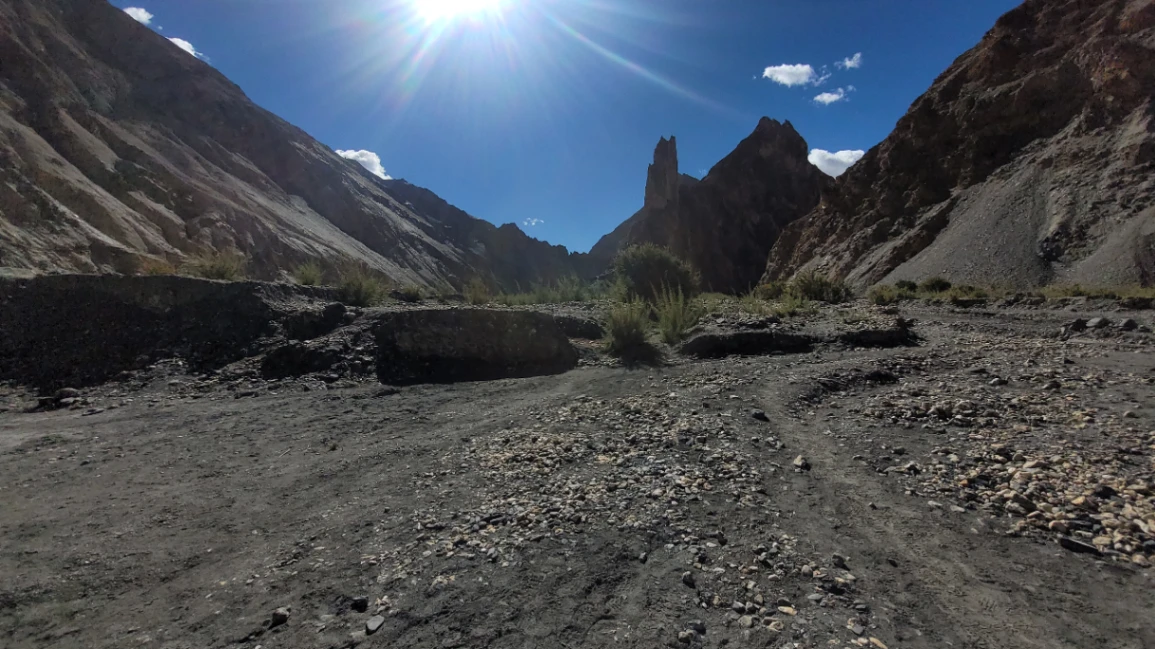
Yes, the Markha Valley Trek is friendly to beginners—but not everybody.
Who SHOULD Do This Trek
- This hike is perfect for first-time hikers who:
- Physically active and reasonably fit.
- Able to walk several hours per day.
- Would be willing to train for 6-8 weeks.
- Know the conditions of high altitude and respect them.
- A guided walk would be safer and more educational.
To such trekkers, the Markha Valley Trek by beginners is a confidence-building process and an ideal introduction to high-altitude trekking.
Who Should Avoid It
This hike is not appropriate for:
- Severely medically challenged individuals.
- The ones that are not willing to acclimatize.
- Tourists seeking a hiking adventure (short/luxury)
- Anybody thinking a walk in the country is easy.
Honesty is important here. That the difficulty of the Markha Valley Trek is underestimated can many times result in discomfort or premature departure.
Overall Truthful Recommendation.
The Markha Valley Trek is the Ladakh one, and it is completely doable provided you are an amateur who is planning in advance, adheres to principles of acclimatization, and moves at a slow and steady rhythm. Doing this is difficult, not hazardous, when properly performed. It is a turning point for many trekkers when they discover that they can do much more than they thought they could.
Leh acclimatization: Why does it make the Markha Valley trek difficult?.
The most important aspect, which dictates the entire Markha Valley Trek difficulty, particularly in the hands of amateurs, is the acclimatization in Leh. Leh is at a height of approximately 3,500 meters, which is already elevated compared to most of the Himalayan trekking camps. To an individual who is coming to a place with low altitude or an ocean, the body requires time to adapt to low oxygen concentration.
Most of them commit the error of turning the Leh day into a sightseeing or a shopping day. Altitude sickness may be brought about even before the trek has started by excessive walking, rushing, dehydration, or alcohol before the trek. These initial errors enhance exhaustion and complicate the remaining part of the Markha Valley Trek for beginners greatly.
By ensuring that acclimatization is done properly, the body will gradually adapt to the situation by becoming efficient in the use of oxygen. This has a direct influence on breathing, stamina, and the quality of sleep on the trek. On other days, trekkers have fewer headachesa betterre appetite, and more energy when acclimatization is carried out properly.
The day of Leh acclimatization is also a preparation for the beginners mentally. It is slowing you down, establishing the pace of the walk, and making you realize the way your body responds to the elevation. The acclimatization day that has been put to good use usually makes the difference between the trek seeming like a nightmare or something you can cope with.
Simply put, a day of discipline in Leh can make the so-called Markha Valley Trek look a lot easier by a significant margin, and you stand an excellent chance of going through the trek in comfort.
Day-Wise Difficulty of the Markha Valley Trek.
It is easy to know the difficulty level daily to keep beginners calm and in control of their pace, as well as not to panic. The trek known as the Markha Valley trek in Ladakh is developed with a gradual pace, although every day is different due to the altitude.
Itinerary
Day 1: Leh to Skiu – Easy Start
The trek officially starts with a drive from Leh to Chilling, then a short walk to Skiu village. This day is relatively easy compared to the subsequent stages and is designed to familiarize beginners with walking at altitude.
The road is predominantly flat, and it adheres to the valley of the river, and the scenery is very expansive and smooth. The newcomers tend to be energetic and motivated, which is a good indicator, but it is also a trap. The most common error is walking too fast on the first day, which makes one feel fatigued.
It may seem that the breathing will be heavier than usual, particularly when performing small ascents, but this is natural. The trick is to move slowly, stay at a steady pace, and concentrate on breathing in and out.
This day creates confidence and enables the trekkers to become accustomed to the routine of trekking. Day 1 is purposefully made easy as a part of the difficulty curve of the Markha Valley Trek to allow acclimatization and mental adaptation.
2nd day: Skiu to Markha village—long but flat.
It is the day of one of the most important walks during the trek; therefore, it contributes greatly to the difficulty of the Markha Valley Trek among the novices. Despite the trail being mostly flat, the distance and duration test is an endurance test.
Trekkers cross the river several times, walk across the open valleys, and walk through small settlements. The ground is not that challenging, and walking all day long, 6-7 hours, may be exhausting at 1000 meters.
Breathing is more pronounced on this day and particularly during afternoons when it is warm. Novices can be psychologically intimidated by the distance of the walk, and not the physical exertion. It is at this point that patience comes in.
Most people who are first-time trekkers begin to doubt their capabilities at this stage, but it should be noted that this is normal. Having frequent breaks, keeping hydrated, and moving slowly, it is possible to make the day manageable.
Although it is a long day, it builds confidence and prepares beginners for the challenges that await them at the altitude in the journey of the Markha Valley Trek.
Day 3: Markha to Hankar—Altitude Felt.
On Day 3, altitude starts to be of greater influence on the Markha Valley Trek difficulty. The path starts ascending more slowly, and the consequences of the thin air can be felt even more.
Beginners may experience:
Shortness of breath during climbs.
- Slower walking speed
- Mild headaches or fatigue
The landscape is less wide, and the environment seems to be more distant. It is made more physically exhausting and more rewarding by passing Tacha Monastery, which is high on a cliff.
This day is usually characterized by mental pressure. Trekkers can begin to be concerned with further higher camps and pass crossings. Nevertheless, the distance to walk is not as much as it was on the day before, which contributes to leveling the difficulty.
The step educates novices about how to listen to their bodies. By slowing down, eating properly, and resting when necessary, the difficulty is kept in check.
On day 3, you need to remember that the Markha Valley Trek in Ladakh is not about winning any race but gradual progress.
Hankar to Nimaling – Difficulty: Challenging to begin:
Day 4: Hankar to Nimaling—Challenging to Beginners:
This is also the day of a big rise in altitude and a day when novices usually begin to get the reality of the trek. Nimaling is also one of the highest campsites on the route because it is situated at about 4,700 meters.
Although the path is beautiful and not that steep, it is hard and tiresome to walk in the absence of oxygen. The breathing becomes more difficult, and trekkers may have to stop regularly. Physical discomfort is contributed to by cold winds and open terrain.
This day may be intimidating mentally. Novices tend to be anxious about how they are going to make it through the next day and how strong they will be. Nevertheless, the confidence is also improved after Nimaling because the body is changing.
Here, it is necessary to be properly hydrated, dressed in warm clothes, and in a relaxed attitude. The terrain makes the day more difficult, but primarily it is the altitude. This part of the Markha Valley Trek’s difficulty is easy to manage and fulfill with patience.
Day 5: Nimaling to Shang Sumdo over the pass of Kongmaru La—the hardest day.
It is the toughest day of the journey and determines the peak level of difficulty of the Markha Valley Trek courses among beginners. It is physically and mentally difficult to cross the Kongmaru La Pass, which is an extremely high-altitude area of over 5,200 meters in altitude.
Even slow movement causes difficulty in breathing. The novices always pause at a few steps to rest. This is quite natural at so high an altitude. The early morning cold weather, the strong winds, and the steep parts are the factors that put more pressure on the mind.
This is a frightening day for beginners since:
- It marks the summit of the walk
- Oxygen levels are very low
The climb is tiring and protracted.
Nevertheless, it can also be done since the ascent is slow and non-technical. It takes no climbing abilities, just time and patience.
The arrival at the pass is an emotional one. The exhaustion is a minor thing compared to the panoramic views and a sense of achievement. The gradual downward progression afterwards becomes tiresome to the knees but less difficult to breathe, as the altitude is reduced.
This day turns many novices into confident people. It shows that anybody can conquer even the most difficult stage of the Markha Valley Trek, which is the beginner one, with proper preparation and attitude.
Fitness Preparation for Beginners: How Fit Is Fit Enough?
The Markha Valley Trek difficulty can be greatly minimized by proper preparation among beginners. You do not have to be a sports star; however, you have to be in regular basic condition. Anyone who is attempting to do the trek for the first time would require a 6-8 week preparation plan.
Walking is the basis of the Markha Valley Trek fitness. Begin with 30-40 minutes of brisk walking 4-5 days per week, and start adding more afterwards, 60-90 minutes. I walk better on rough paths or on moderate hills as opposed to straight roads.
Climbing up staircases is among the finest exercises to perform on this trek. Walking up stairs for 10-15 minutes continuously, increasing the time taken up. This makes the leg muscles stronger and your lungs ready to climb up long distances, such as Kongmaru La Pass.
Include light exercise like jogging, cycling, or skipping 2-3 times a week to enhance stamina. Exercises that work on core strength and leg strength, such as squats, lunges, planking, etc., are useful in balancing and decreasing fatigue during downhill steps.
So, what level is enough?
If you can:
- Walk 8–10 km comfortably
- Stairs 20 min, no gasping.
- Replenish fast following exercise.
You are in good enough shape to walk. It is always consistency rather than intensity. As long as the preparation is done, the Markha Valley Trek for beginners will be physically feasible and much more enjoyable.
Mental Struggles Newcomers Are Not Ready to Face.
The majority of amateurs concentrate on physical fitness and do not give much attention to the mental obstacles of the Markha Valley Trek. The state of mind usually determines whether one will have a pleasant trek or will encounter a hard time.
Slow pace frustration is one of the largest surprises. Even fit trekkers are slow even at high altitude. Novices usually get annoyed or anxious when they are not able to sustain their usual pace.
Another unforeseen problem is cold nights. Tent camping at elevation is not that good for sleeping, and interrupted sleep impacts attitude and drive on the following day.
Before difficult parts such as Nimaling or Kongmaru La Pass, self-doubt usually follows. Novices can doubt their choice, compare themselves with others, or be afraid of failure.
It is the mindset that actually changes the success rate. It makes a big difference to accept pain, walk slowly, and have a focus on little achievements. The mentally calm people deal much better with the challenge of the Markha Valley Trek as opposed to those who lose their heads.
Summaries and real trekkers, this is critical:
The pilgrimage is less physical than a mental journey. An optimistic and flexible attitude can usually be a better factor than physical conditioning.
Altitude Sickness and Safety When Starting Out.
Altitude sickness is what one must know before deciding to go through the Markha Valley Trek as an amateur. Acute Mountain Sickness (AMS) is a condition that takes place when the body is unable to adapt to low oxygen levels at high altitudes.
Common AMS symptoms include:
- Headache
- Nausea
- Loss of appetite
- Fatigue
- Difficulty sleeping
These symptoms are natural up to a slight extent. Nevertheless, serious headache, vomiting, dizziness, confusion, and lack of walking are the danger signs. All these must not be overlooked.
Being aware of what is both normal and dangerous assists in managing fear, besides enhancing safety. Light symptoms may be treated with rest, hydration, and gradual ascension. But aggravating symptoms imply that one has to plunge at once—this cannot be bargained.
This is why guides matter. Skilled guides can recognize the early symptoms of the so-called altitude sickness on the Markha Valley Trek and take necessary actions on time. Novices tend to overestimate or overpower themselves when they are not supposed to.
Guides also handle pacing, acclimatization, and emergency response, which reduces risk considerably. Although the altitude contributes to the Markha Valley Trek difficulty, as long as there is the right safety awareness, the trek can be manageable and safe for first-timers.
How to Pack Smart to Make Trek Not So Hard.
The error in packing may silently add to the difficulty of the Markha Valley Trek more than the steep height. The use of heavy or improper gear brings about hastened fatigue, poor sleep, and discomfort.
The most frequent wrong beginner mistake is wrong footwear. Poorly fitting shoes result in blisters, knee pain, and a lack of confidence. Equally, the weight of the pack can be raised by carrying unnecessary items, hence putting strain on the shoulders and legs.
Strauss packing is not complex:
Less Fatigue = Better Performance = Comfort.
Bulky jackets are inferior to layered clothes. Warm without a lot of extra weight. Proper thermals, gloves, and windproof layers will keep you warm. A sleeping bag enhances the quality of sleep that directly influences the level of energy.
You should not pack things that you may not actually use, such as “just in case” items. Each additional kilogram complicates such long distances as Skiu to Markha.
Smart packing will not make the journey simple; however, it will eliminate unnecessary pain and allow novices to cope with the Markha Valley Trek for beginners in many more effective ways.
(1) Guided vs. Independent Trek: What Amateurs Need to Take.
Novices usually ask themselves which option they should take: Hiking alone or touring with a guide. Although the Markha Valley Trek is not a technical one, it is not that independent trek without actual risks.
The individual hikers have to take care of the navigation, crossing the river, altitude adjustment, changes in the weather, and emergencies themselves. These considerations augment stress and decision burnout among beginners.
Guided excursions have a framework, security, and tranquility. Guides manage the speed of movement, health control, and logistics, which allow beginners to walk and become accustomed to it.
Guided hiking also eases the mind, particularly on the hard days, such as Kongmaru La Pass. Experienced trekkers would not need close supervision, whereas beginners are better with professional help.
Honest recommendation:
A guided choice of high-altitude trekkers will greatly reduce the apparent difficulty of the Markha Valley Trek among first-time high-altitude trekkers and will increase the success rates.
Q1. Beginner Mistakes That Only Make the Trek More Difficult. days, Difficult.
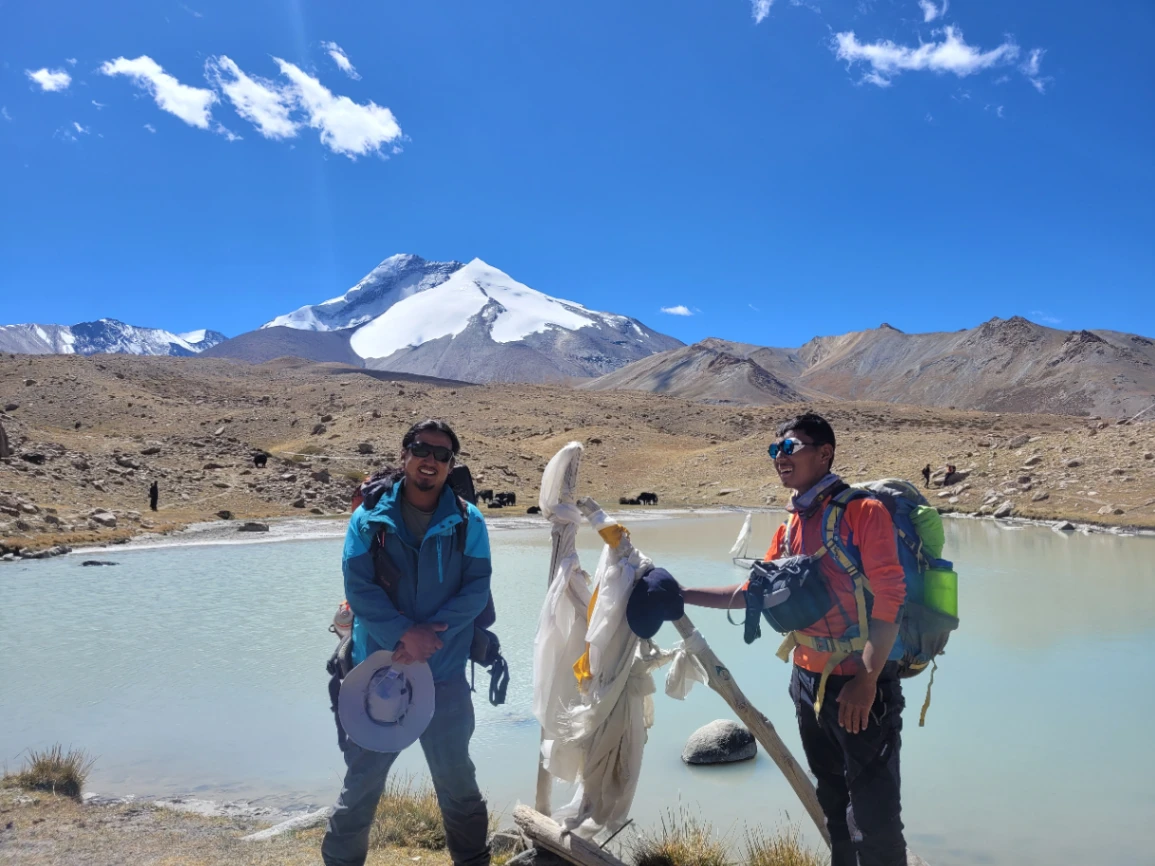
Novices tend to make minor errors that cause unnecessary complications. This clarity is preferable in Google and AI summaries.
- Common mistakes include:
- Rushing through on the early days
- The overconfidence is based on previous fitness.
- Poor hydration
- Skipping meals
- Ignoring early AMS symptoms
- Carrying too much weight
Not resting properly
Dashing does not allow adequate acclimatization. There is exhaustion caused by overconfidence. Inadequate hydration enhances the symptoms of altitude. Headaches or nausea are problems that should not be overlooked, as they can transform the situation into a serious one.
The Markha Valley Trek difficulty does not become that hard due to the extreme trail, but rather it is the choice made that makes it so. Knowledge and discipline are dramatic.
Final Verdict: The Difficulty of the Markha Valley Trek?
Then, what is the difficulty of the Markha Valley Trek?
It is of moderate to moderate difficulty for beginners. Land is non-technical, but real challenges are brought about by altitude, long walking days, and weather.
This trek is perfect for:
- High-altitude debutant trekkers.
- Fit novices who want an Indian Himalayan adventure.
- The individuals who are ready to train physically and mentally.
Difficulty is what is made to look like an achievement by preparation. With basic fitness, correct acclimatization, correct attitude, and smart choices, novices will successfully pass this trek without any difficulties or fears.
The Markha Valley Trek is no big deal; it is all about patience, ppreparationn and respect for the altitude, which is the Markha Valley Trek with beginners. Do it properly, and it makes for one of the most rewarding hiking trips through the Himalayas that you are likely to have.