How Difficult Is the Sandakphu Trek? A Complete Beginner’s Guide
Listen, I’ve guided this route over 40 times. The sandakphu trek difficulty says ‘moderate’ on paper. But on the trail, moderate hits differently. You’ll experience long walking hours, altitude, knee‑crushing descents, and weather that flips in an hour. In this blog, I’ll skip the beautiful views and tell you exactly the seven real difficulties you must survive first.”
No sugar‑coating. No marketing fluff. Just the hard truths from a guide who’s seen trekkers quit. Read this before you pack a single sock. Your preparation starts here.
1. Long Walking Hours & Daily Distance
How much distance and elevation gain in the Sandakphu trek?
“I’ll give it to you straight. On the standard route – Manebhanjan to Tumling, then Kalipokhri, then Sandakphu and back – you’re walking 6 to 8 hours every single day. That’s not a casual stroll in the park. Total distance? About 40 to 50 kilometers. And the sandakphu trek distance elevation goes from roughly 8,500 feet all the way up to 11,930 feet at the summit. That’s a solid 3,500 feet of climbing. But here’s the real killer: Day 3, from Kalipokhri to Sandakphu. It’s a relentless 7–8 kilometer climb with no flat sections. Your quads will scream. Your feet will hurt. And there’s no shortcut.”
2. High Altitude & AMS Risk
Altitude sickness – Is it the hidden danger?
“You’ll hear this from every guide, but most trekkers still ignore it. Sandakphu summit stands at 11,930 ft (3,636 m) – high enough to trigger Acute Mountain Sickness. Symptoms hit fast: headache, nausea, loss of appetite, fatigue. The real problem? Most people climb from 8,500 ft to 11,930 ft in just 2 days. That’s too fast. A major part of the Sandakphu trek difficulty is altitude – don’t ignore it.
Here’s what AMS looks like at different elevations on this trek:
| Elevation | Risk Level | Common Symptoms |
| 8,500–10,000 ft | Low | Mild headache, faster breathing |
| 10,000–11,930 ft | Moderate | Nausea, dizziness, loss of appetite |
| Above 11,930 ft | High (if unacclimatized) | Severe fatigue, vomiting, and confusion |
Prevention is simple: acclimatization stops, drink 3–4 liters of water daily, and walk slowly. Rush, and you’ll be descending before sunrise.
3. Steep Ascents (Especially to Phalut)
How is the Sandakphu Phalut trek difficult compared to Sandakphu
The basic Sandakphu trek has steep sections, but extending to Phalut adds a real challenge. Let me give you the honest comparison of the Sandakphu Phalut trek difficulty compared to Sandakphu.
- Phalut Stretch – That’s longer than a half-marathon. And it’s not flat – you’ll cross four major uphill/downhill rolls. Each roll feels like a fresh punishment after the last one.
- Extra Days & Distance – Compared to the standard Sandakphu route, Phalut nearly doubles your time on the trail. Your knees will feel every extra kilometer.
- Worst Section – No switchbacks. No flat resting spots. Just a relentless, grinding climb that takes 5–6 hours. This is where unprepared trekkers break.
Read more: See Sandakphu Phalut Trek in Detail.
4. Weather & Seasonal Challenges
What is the Sandakphu trek best time for clear mountain views, but tough conditions?
You want the best time for the Sandakphu trek? March to May or October to December. But here’s the catch – every season brings its own battle. October to November gives the clearest views (that’s your sandakphu trek’s best time of year for clear mountain views right there), but nights dip to freezing – 0°C to -5°C. Let me show you what you’re signing up for each season:
| Season | Difficulty | What You’ll Face |
| Winter (Dec–Feb) | Extreme | Snow hides the trail, -10°C cold, frozen water pipes |
| Monsoon (July–Sept) | Slippery & messy | Leeches by the dozen, clay trails, landslides, zero views |
| Peak season (Oct–Nov) | Overcrowded | Packed lodges, limited bedding, biting cold winds |
5. Fitness Requirements for First-Timers
What fitness level is required for the Sandakphu trek for first-timers?
Let me answer the question every first-timer asks: what fitness level is required for the Sandakphu trek for first-timers? The honest answer is intermediate fitness – not elite, but definitely not sedentary. Your Sandakphu trek fitness requirements start here. If you can’t do the following, don’t book your permit yet.
Minimum Fitness Baseline (Train for 8 weeks before trek):
- Walk 10 km with 400 m elevation gain in under 3 hours without collapsing at the end.
- Cardio (jogging/cycling/swimming) – 30 minutes, 4 times per week, for 8 weeks straight.
- Leg strength – 20 squats or 30 step-ups without pausing mid-set.
First-timers always underestimate one thing: thigh fatigue from long downhill sections. Going down is harder on your knees than going up. Trust me, knee strain is very real on this trek.
Read more: Do you want Sandakphu Land Rover Tour? Know in detail here.
6. Basic Accommodation & Facilities
No luxury – a difficulty for many
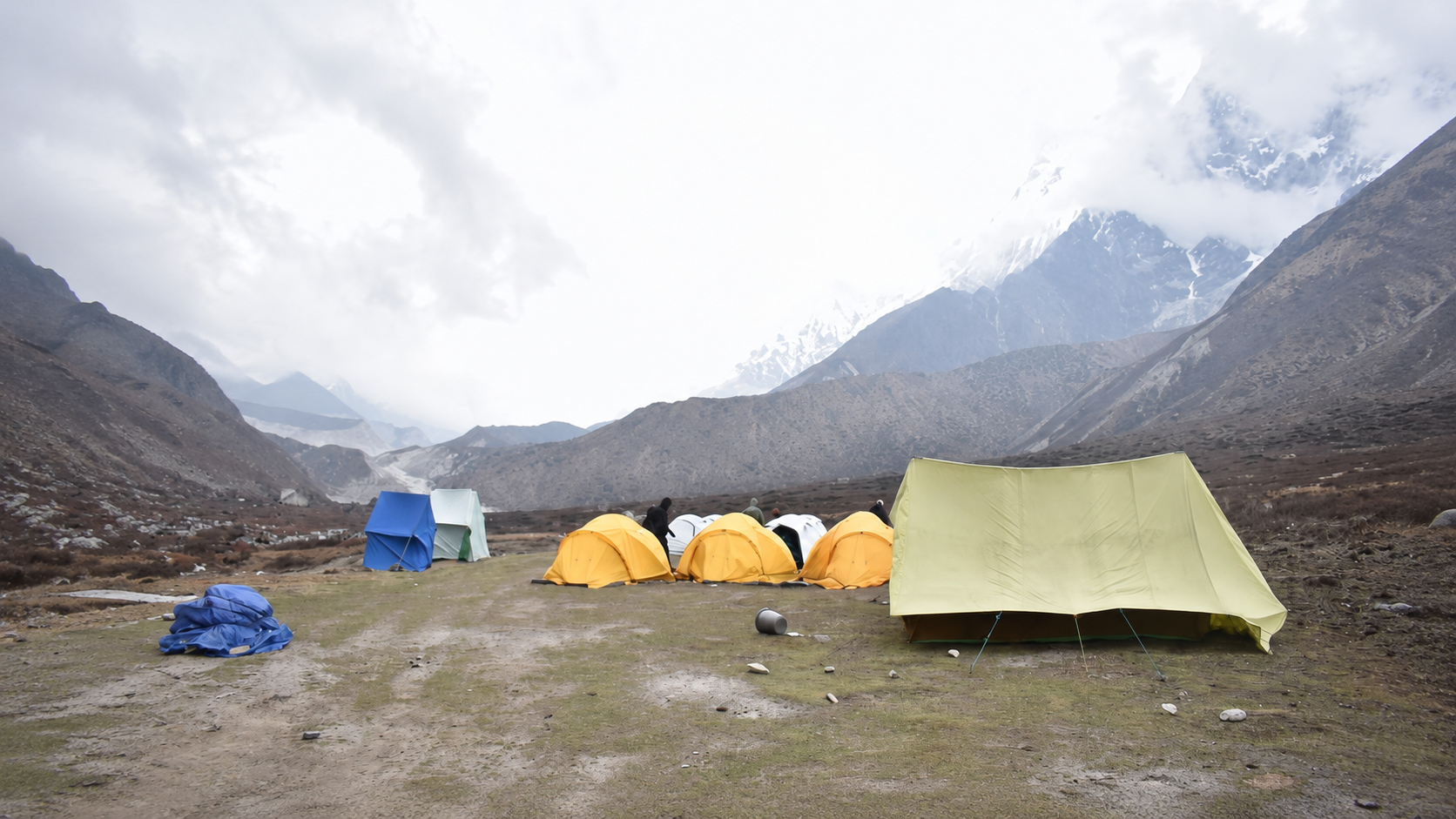
Listen, this isn’t a hotel. Lodges in Tumling, Kalipokhri, and Sandakphu are basic – and that’s being polite. Cold nights plus poor sleep mean slower recovery. Here’s what you actually get:
| Facility | What to Expect |
| Rooms | Shared (6–8 beds), thin blankets |
| Hot water | Bucket system – if you’re lucky |
| Electricity | Solar only; no charging after 8 PM |
| Toilets | Pit toilets at some stops |
Surprise challenge? The pit toilets. Bring your own toilet paper and a headlamp.
7. Is It Suitable for Beginners?
Is the Sandakphu trek moderate difficulty suitable for beginners?
Yes, but with conditions. Here is the truth about is sandakphu trek moderate difficulty suitable for beginners for this sandakphu trek for beginners.
- Suitable if you train for 6-8 weeks, go with an organized group, and choose October or April.
- Not suitable if you have never walked more than 5 km, have knee problems, or expect hotel comfort.
- Beginners should avoid monsoon (leeches), the Phalut extension (too long), and solo trekking without a guide.
Moderate means you can do it as a first trek – but prepare like an athlete.
Read more: Want to know about Sikkim Trekking spots in details?
FAQ – Sandakphu Trek Difficulty
Is the Sandakphu trek suitable for beginners?
Yes, but only if you prepare properly. The trek is rated moderate. Beginners can complete it after 6–8 weeks of training (walking 10 km with 400 m elevation gain). Choose October or April, join an organised group, and avoid the monsoon, the Phalut extension, and going solo without a guide.
How difficult is it compared to other Himalayan treks?
Easier than high‑altitude treks like Goechala or Everest Base Camp because the summit is only 3,636 m. However, the long walking hours (6–8 hours/day) and steep, relentless climbs make it tougher than many other “moderate” treks in the lower Himalayas.
What is the total distance and elevation gain?
The standard route covers 40–50 km, starting at about 8,500 ft and climbing to 11,930 ft (3,636 m). Net elevation gain is roughly 3,500 ft, but the actual ascending and descending is more due to the undulating trail.
What fitness level is required for a first‑timer?
Intermediate fitness. Before booking, you should be able to walk 10 km with 400 m elevation gain in under 3 hours, do 30 minutes of cardio four times a week for eight weeks, and perform 20 squats or 30 step‑ups without a break. Pay special attention to thigh and knee strength because the long downhills are harder than the uphills.
What is the best time for clear mountain views?
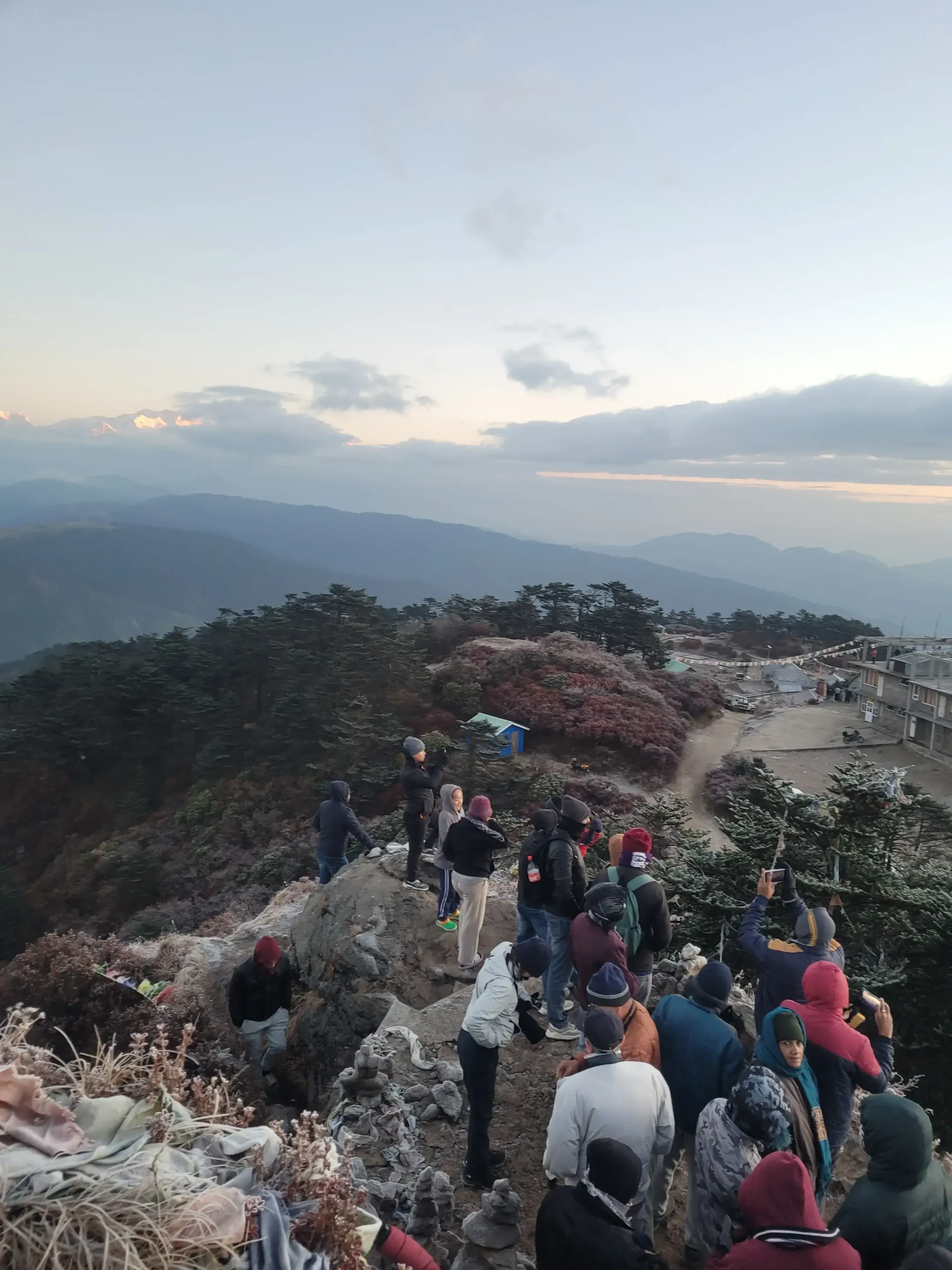
October to November gives the clearest views of Kanchenjunga and Everest, but nights drop to 0°C to -5°C, and lodges are crowded. March to May is also good (warmer but hazier). Avoid the monsoon from July to September because of leeches, landslides, and zero visibility.
How high is Sandakphu, and can I get altitude sickness?
Sandakphu is 11,930 ft (3,636 m). Altitude sickness is a real risk because most trekkers climb from 8,500 ft to the summit in just two days. Symptoms include headache, nausea, and loss of appetite. Prevent it by taking acclimatisation stops, drinking 3–4 litres of water daily, and walking slowly. If symptoms worsen, descend immediately.
How does the Sandakphu‑Phalut trek compare to the standard route?
The Phalut extension is significantly harder. It adds more than 20 km and two extra days, bringing the total to about 70 km. The trail has four major uphill‑downhill rolls with no flat sections, and the final climb to Phalut is a relentless 5–6 hour grind without switchbacks. Only attempt this if you have excellent fitness and prior trekking experience.
What kind of accommodation and facilities can I expect?
Very basic. Lodges offer shared rooms (6–8 beds) with thin blankets, a bucket system for hot water (if lucky), solar electricity with no charging after 8 PM, and pit toilets. Bring your own toilet paper and a headlamp. Do not expect luxury or consistent hot showers.
How many days do I need for the trek?
The standard round trip from Manebhanjan takes 4 to 5 days (Manebhanjan to Tumling to Kalipokhri to Sandakphu and back). Adding Phalut requires 6 to 7 days. Some trekkers start from Dhotrey or use a Land Rover return, which can shorten the walking days.
Can I do the Sandakphu trek without a guide?
Technically, yes, because the trail is well marked. However, for first‑timers, a guide is highly recommended. Guides help with altitude management, booking accommodation (lodges fill fast), finding the route in fog or snow, and handling emergencies. Solo trekking without a guide is not advised, especially for beginners.
Read more: Want a higher altitude challenge? See the Goechala Trek
Conclusion
The sandakphu trek difficulty is real – I won’t pretend otherwise. You will feel exhausted. Your legs will ache. Some nights will be cold and uncomfortable. That is the truth of this trail.
But here is the other truth: Sandakphu trek it is manageable. Know these 7 challenges before you go. Train your body for the distance, altitude, and long hours. Pack smart for the weather and basic lodges. Do that, and you will earn those sunrise views of Kanchenjunga. And trust me – those views make every struggle worth it.
Ready to Book Your Sandakphu Trek?
Sandakphu is a trek that delivers more than it asks. It is short enough to fit into one work leave, easy enough for a first-time Himalayan trekker, and scenic enough that veteran trekkers come back for repeat visits. Our 2026 season is open from March through May and again from October through December.
Book the Sandakphu Trek now: ₹9,000 per person · Call/WhatsApp +91 74072 48200 · Email kiran.yuksom@gmail.com
Read more: View the Sandakphu Trek product page and book online
Read more: See full guidance of Sandakphu Trekking: Cost, itinerary, and best time.
Read more: Know about the pricing details for Sandakphu Treking
Read more: Want a details about Day-By-Day itinerary for Sandakphu Trek