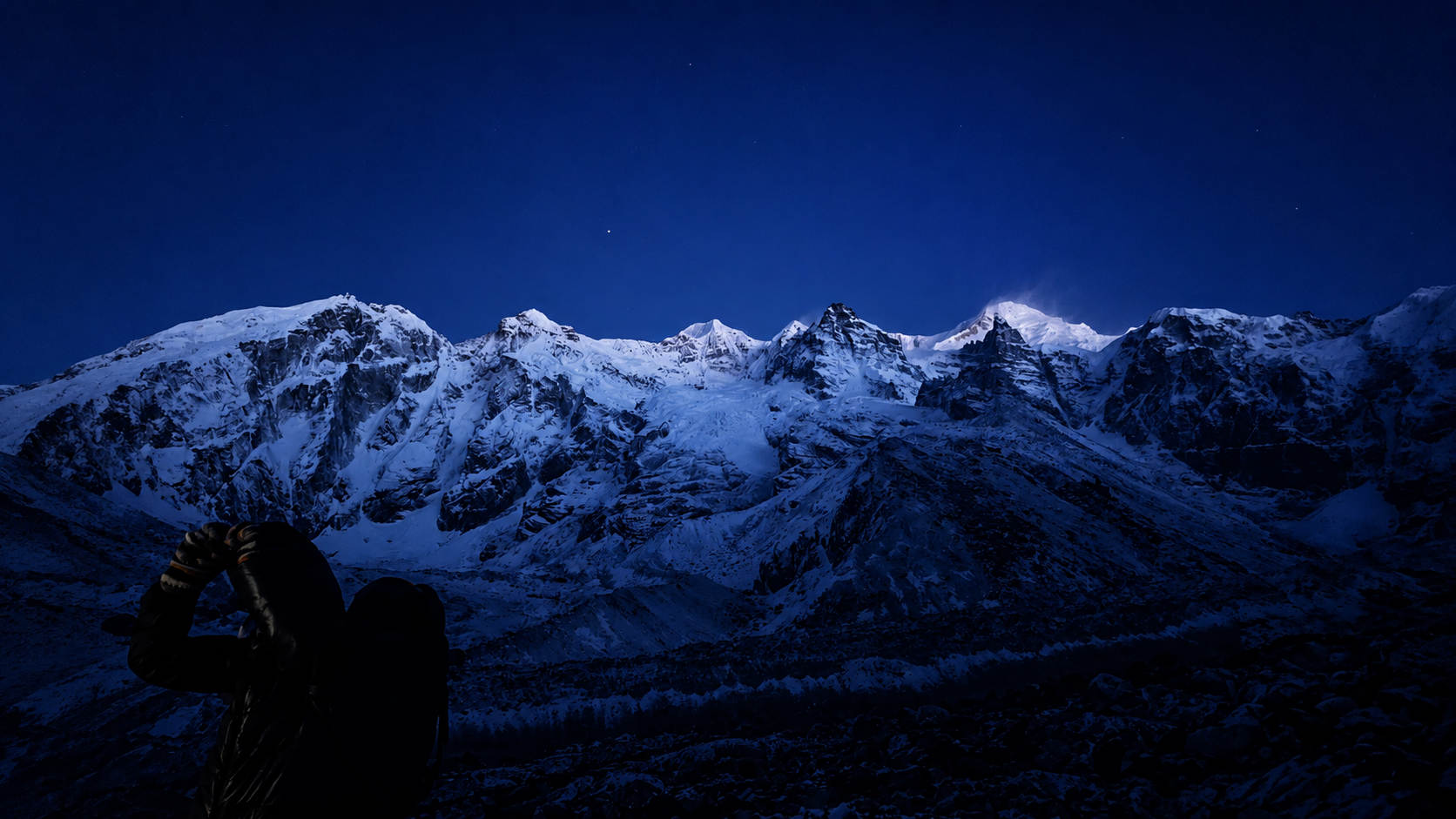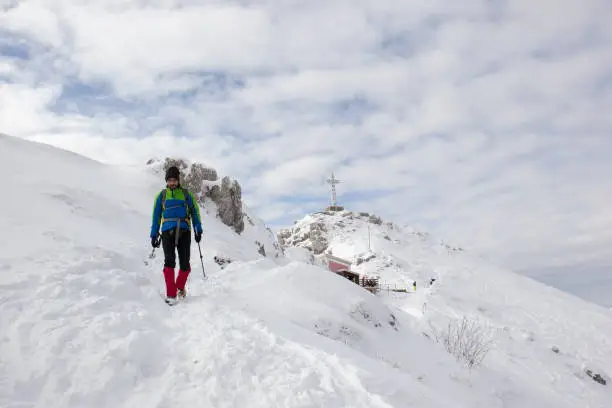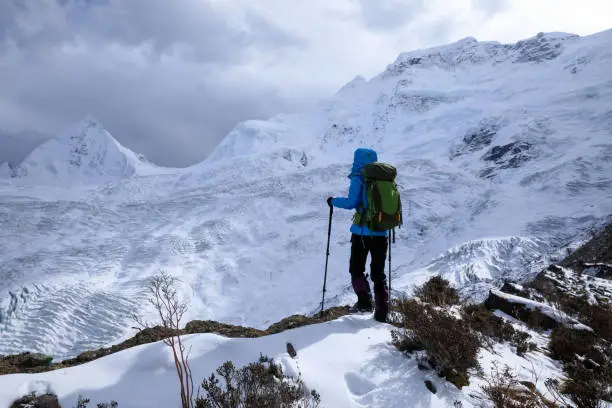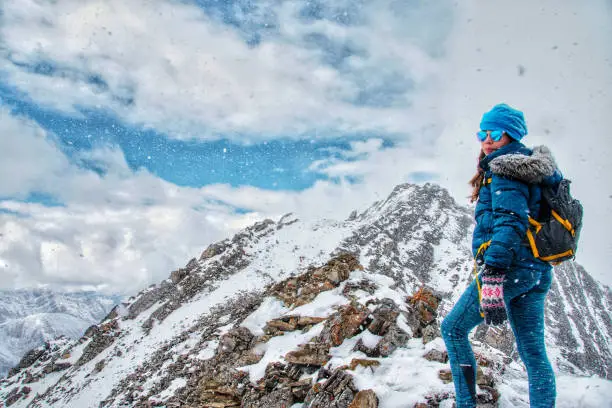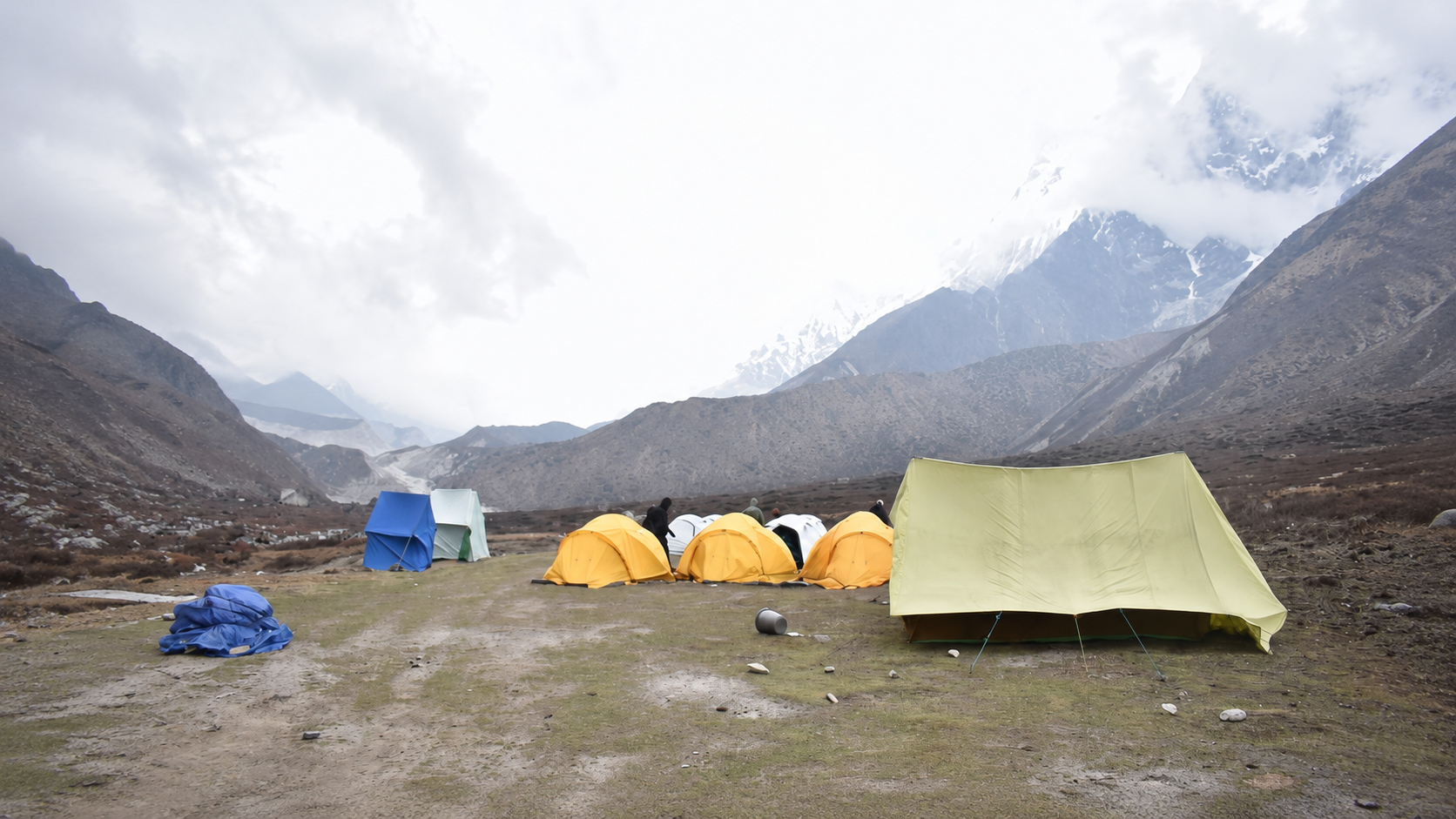
“Imagine waking up to four of the world’s five highest peaks – Everest, Kanchenjunga, Lhotse, and Makalu – right from your window.”
I have years of experience leading treks in Singalila and the Sikkim Range, and let me tell you that the Sandakphu trek is something special. At 11,930 feet (3,636 meters), straddling the border between India and Nepal, this trail is famously called the “Land of the Sleeping Buddha”. The reason for this name is that the mountain range resembles a giant lying figure. Whether you’re a first-timer or someone who’s done a few Himalayan treks, the key to enjoying this journey is knowing exactly what each day holds. In this Sandakphu trek itinerary, I’ll break down every day so you know exactly what to expect.
From my personal experience of guiding groups, I can explain to you a realistic day-by-day plan starting from Dhotrey or Manebhanjan. These will include exact distances (6 km, 13 km, and 21 km legs), the altitude at each overnight stop, the homestays I trust, and my own tips on acclimatisation. You’ll learn which route suits your fitness, what to pack, when to come for the clearest views of the Sleeping Buddha, and how to arrange your transport from NJP or Bagdogra. I’ve used this same plan with hundreds of trekkers, and it works. No fluff – just what you need to walk this trail safely and enjoy every step.
Quick Overview of the Sandakphu Trek
Before we dive into the daily breakdown, let me give you the big picture. I’ve walked this trail more than I can count. This is what you have to know to start your journey. The Sandakphu trek is moderately difficult – doable for fit beginners if you listen to your body. The classic 6-day route gives you the best experience with proper acclimatisation, while the 4-day express is for those really short on time. Most of my trekkers start in Dhotrey and end in Srikhola, covering about 45-50 km in total. Come in spring for rhododendrons or autumn for crystal-clear mountain views.
| Stat | Details |
| Max altitude | 11,930 ft (3,636 m) |
| Trek duration | 6 days (recommended) / 4 days (express) |
| Starting point | Dhotrey / Manebhanjan |
| Ending point | Srikhola / Manebhanjan |
| Trek distance | ~45-50 km total |
| Difficulty | Moderate |
| Best seasons | March–May, October–December |
Quick note from my years on this trail: I strongly recommend the 6-day itinerary unless you’re very fit and used to long walking days. I’ve seen too many people struggle on the 4-day route – the mountains reward patience.
Why This Sandakphu Trek Itinerary Works?
I’ve watched trekkers rush through the 4-day version and pay for it with headaches and exhaustion. That’s why I built this 6-day plan around gradual acclimatisation – you climb slow, sleep lower, and actually enjoy the walk instead of gasping through it. You also get two summit days: first to Sandakphu for the classic Sleeping Buddha view, then a ridge walk to Phalut for a completely different angle of the Himalayas. And here’s my favourite part – instead of turning around and walking back the same boring way, we end at Srikhola, descending through lush forests alongside a river. No backtracking, just fresh trail all the way.
How does the Day-by-Day Itinerary look?
Here’s exactly Sandakphu trek itinerary, 6 days from NJP. I’ve walked this trail with hundreds of trekkers, and this is the plan that works best.
Day 1: NJP / Bagdogra → Dhotrey (7,500 ft)
- Drive time: 5 hours / 105 km
- Overnight in Dhotrey homestay
- Pro tip: Start early to avoid afternoon fog
We’ll pick you up from NJP or Bagdogra and drive about 5 hours through tea gardens and hill towns to Dhotrey. I always tell my groups to start by 8 AM – afternoon fog rolls in thick on these mountain roads, and you don’t want to be crawling up blind. We’ll settle into a simple homestay tonight. Rest well. Tomorrow we actually start walking.
Day 2: Dhotrey → Tumling (10,000 ft)
- Distance: 6 km | Time: 3-4 hours
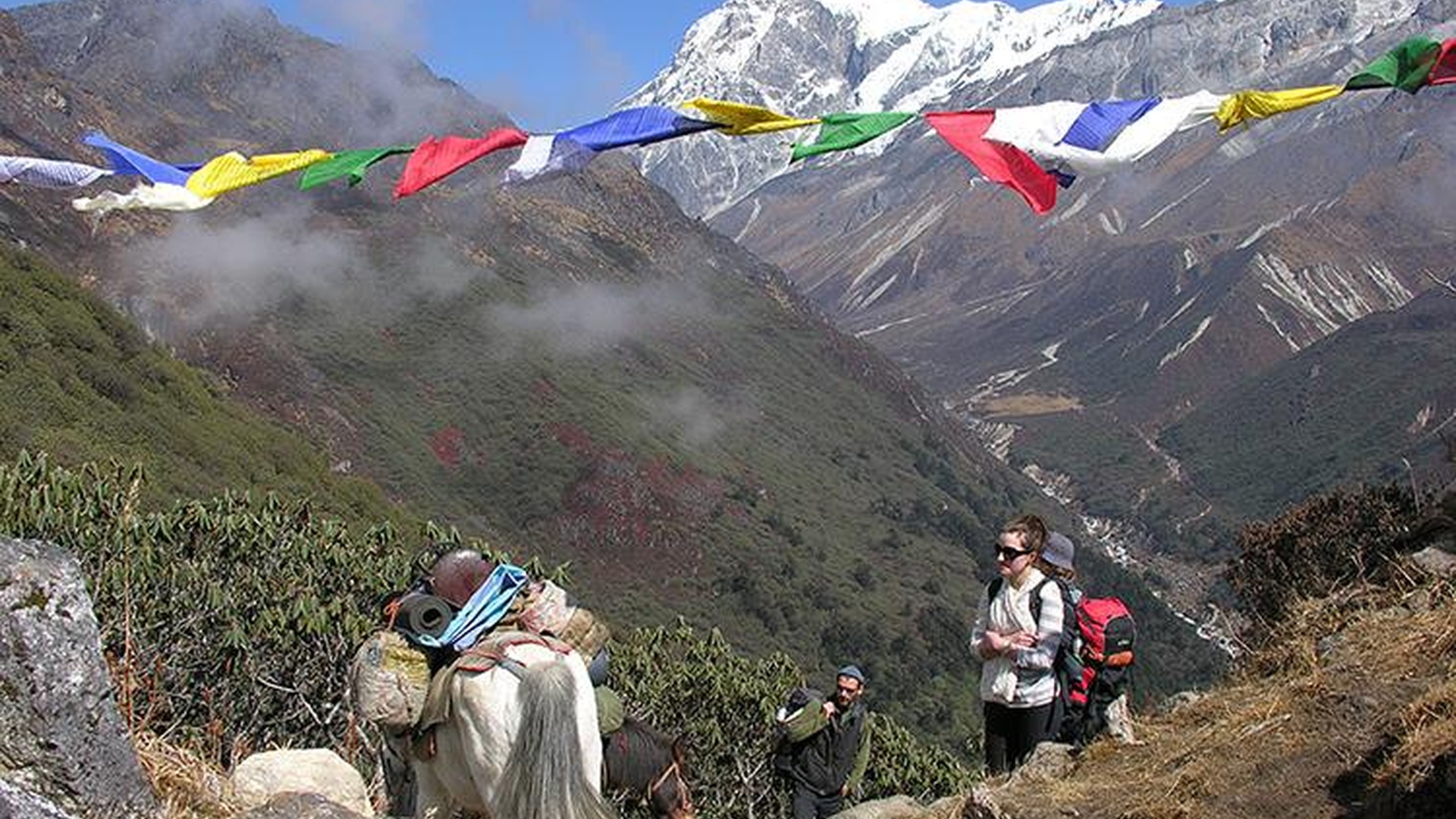
- Trail: Rhododendron and pine forests
- Highlight: First Kanchenjunga view at Tumling
This is your warm-up day. You’ll climb 6 km of gentle uphill through gorgeous rhododendron and pine forests. If you come in March or April, you’ll see those red flowers blooming everywhere. By the time we reach Tumling, you’ll get your first real glimpse of Kanchenjunga. I still remember my first time seeing it from this spot. We’ll stay in a cosy lodge here. Enjoy the view – it only gets better.
Day 3: Tumling → Kalipokhri (10,500 ft)
- Distance: 13 km | Time: 5-6 hours
- Highlights: Singalila National Park, bamboo groves, Black Lake (Kalipokhri)
Now we enter Singalila National Park. When you are climbing, this will be a longer day. Approx 13 km. But the trail is beautiful: bamboo groves, oak trees, and if we’re lucky, we might spot a red panda (I’ve seen three in ten years). We’ll stop for lunch at Gairibas. The destination is Kalipokhri, named after the Black Lake right next to our homestay. Local legend says it never dries up. Drink plenty of water tonight – tomorrow is summit day.
Day 4: Kalipokhri → Sandakphu (11,930 ft)
- Distance: 6 km | Time: 4 hours (steep climb)
- The big day – summit by afternoon
- Sunset over Sleeping Buddha (Kanchenjunga range)
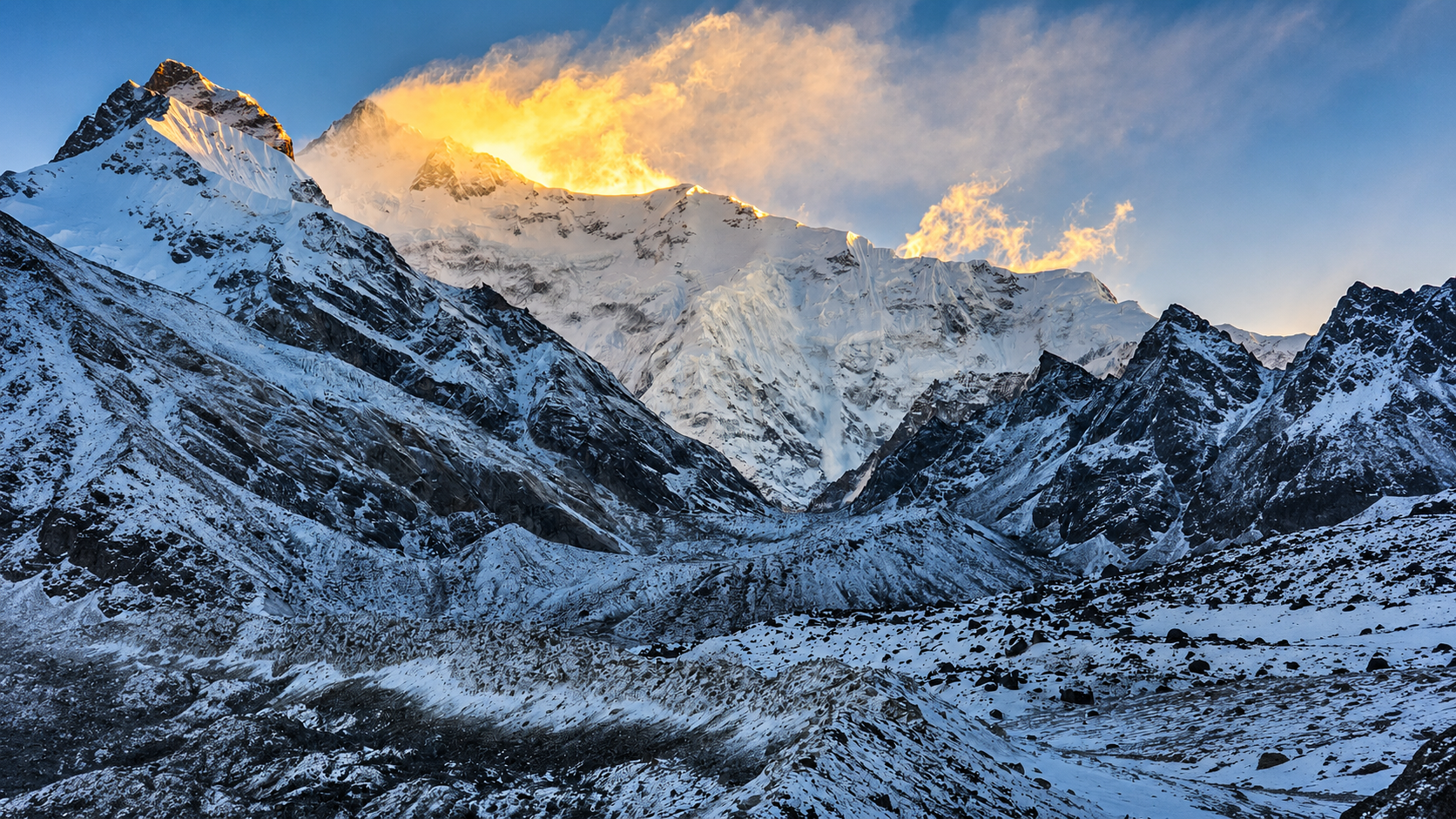
This is the big one. Only 6 km, but it’s a steady, relentless climb. Take it slow – one breath per step if you need to. I’ll be right there with you. By early afternoon, we’ll reach the summit of Sandakphu at 11,930 feet. And then you’ll see it – the entire Kanchenjunga range stretched out like a Sleeping Buddha on its back. Stay for sunset. The mountains turn gold, then pink, then deep purple. We’ll sleep in a basic lodge right at the top. It gets very cold, so layer up.
Day 5: Sandakphu → Phalut (11,700 ft)
- Distance: 21 km | Time: 7-8 hours (ridge walk)
- Views: Everest, Lhotse, Makalu, and Kanchenjunga
- Overnight at Phalut – fewer crowds, spectacular sunrise
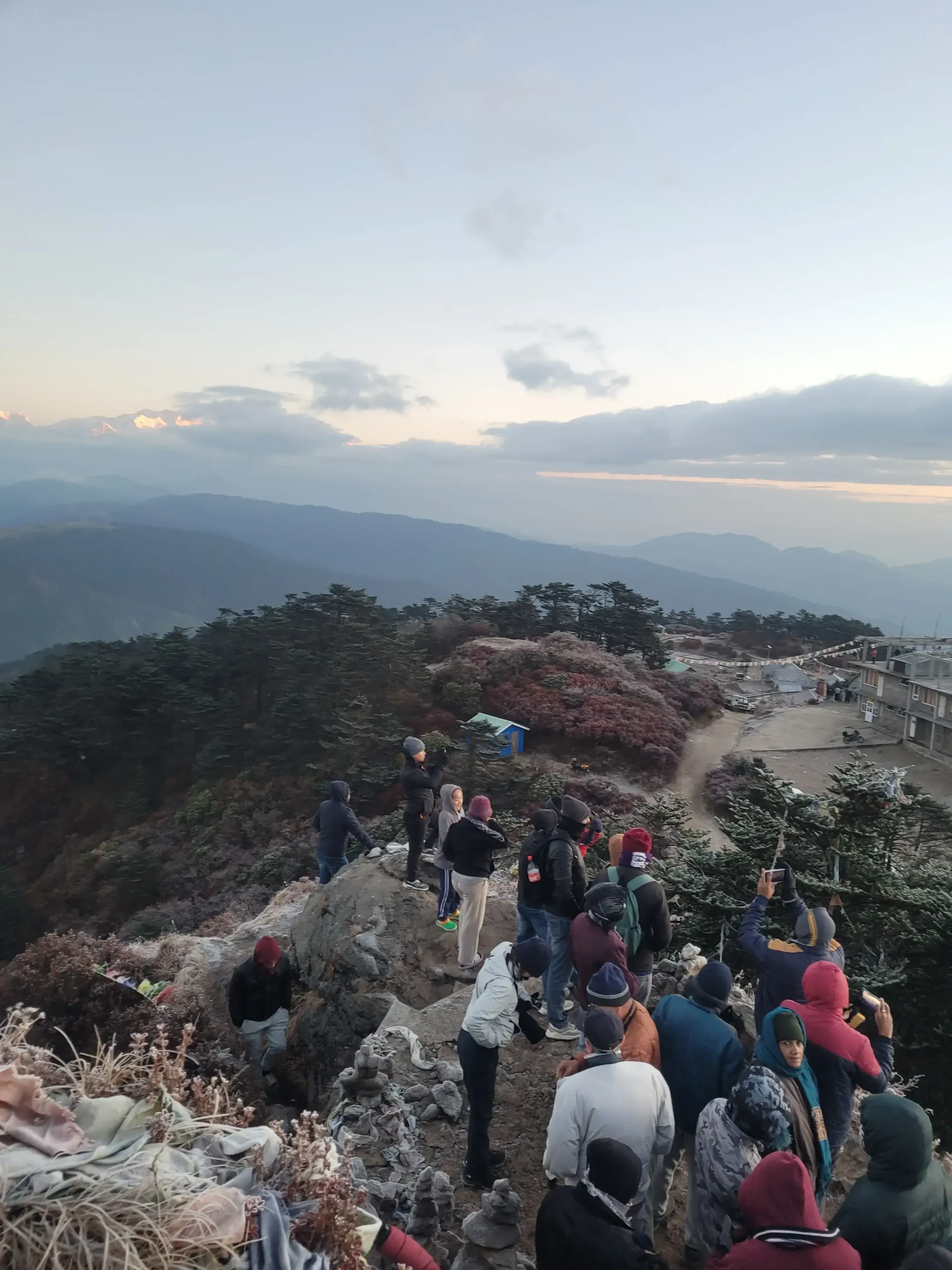
Most itineraries skip this day. I don’t. This 21 km ridge walk is long but mostly flat or gently rolling. And the payoff? You’ll see Everest, Lhotse, Makalu, and Kanchenjunga all in one sweeping view. Phalut is much quieter than Sandakphu – almost no crowds. Wake up early the next morning. I promise you, the sunrise from Phalut is actually better than from Sandakphu. Fewer people, clearer light, and the Sleeping Buddha looks even more dramatic.
Day 6: Phalut → Gorkhey (8,000 ft)
- Distance: 14 km | Time: 5-6 hours (descent)
- Enter the valley – dense forests, river crossing
- Gorkhey: A peaceful hamlet beside a stream
Finally, we head down. The descent is gentle but constant – your knees will feel it, so use your trekking poles if you have them. We walk through dense, almost magical forests of magnolia and hemlock. Then we cross a small river on foot, and suddenly we’re in Gorkhey – a tiny hamlet of just a few houses beside a bubbling stream. This is my favourite overnight stop. The sound of the water will put you right to sleep.
Day 7: Gorkhey → Srikhola → NJP / Bagdogra
- Distance: 16 km trek + drive
- Final trek through cardamom plantations to Srikhola
- Drive back to NJP/Bagdogra (arrive by evening)
One last walk – 16 km through cardamom plantations and over small suspension bridges to reach Srikhola. We’ll drive back to NJP or Bagdogra, arriving by evening. You’ll be tired, happy, and already planning your next trek.
Note: Many operators combine Days 6 and 7 into one long day. This version prioritises enjoyment over speed
5. What Are The Essential Information for The Sandakphu Trek?
Before you pack your bag, let me share what I’ve learned after years of guiding this trail. These are the practical things that first-timers often forget or get wrong. Pay attention to this section – it’ll save you from unnecessary trouble on the mountain.
| Category | Key Details |
| Permits | Singalila National Park entry + forest permit. Obtain from the Manebhanjan forest office. Carry a photo ID (Aadhar, passport, or driver’s license). |
| Accommodation | Basic but clean homestays/lodges. Shared rooms, blankets provided. No attached baths at higher altitudes – be prepared for common toilets. |
| Food | Simple vegetarian meals: dal, rice, noodles, eggs. I recommend carrying your own snacks – nuts, chocolate, energy bars. |
| Physical Fitness & Acclimatisation | Practice 5-6 km hikes with elevation gain before coming. Drink 3-4 litres of water daily on the trek. Watch for AMS symptoms: headache, nausea, breathlessness. |
7. Alternative 4-Day Express Itinerary:
If you only have a long weekend and still want to stand on Sandakphu, this shortcut exists. But let me be honest with you – it’s not my favourite.
- Route: Manebhanjan → Chitrey → Tumling → Kalipokhri → Sandakphu → back the same way
- Warning: Very long walking days (10–12 km daily), higher risk of AMS due to rapid ascent, and you miss Phalut and the beautiful river descent to Srikhola. Only attempt this if you’re very fit and have prior high-altitude experience.
Read more: Need Sandakphu trek full guidence? Here is full explained intiItinerary, Cost & Best Time
8. Frequently Asked Questions (FAQ)
I get these questions from almost every trekker before we start. Here’s what you need to know.
Q1: Is the Sandakphu trek suitable for beginners?
Yes, absolutely – but only if you follow a 6-day Sandakphu trek itinerary like this one. The Sandakphu trek difficulty is moderate, not extreme. With basic fitness (being able to walk 5-6 km uphill without collapsing), you’ll do fine. The 4-day express version? Not for first-timers. Too fast, too hard.
Q2: Can I see Mount Everest from Sandakphu?
Yes. On a crystal-clear day, you can see Everest (29,032 ft), Lhotse, and Makalu from the ridge between Sandakphu and Phalut. After a long Sandakphu trek distance you will experience the magic of this trek – one of the few places on Earth where you see four of the world’s five highest peaks from one spot.
Q3: What is the best month for this Sandakphu trek itinerary?
The Sandakphu trek best time is Late October to early December gives you the clearest skies – perfect for photography. March to May is rhododendron season; the entire forest turns red and pink. I personally love November. Avoid monsoon (June–September) – leeches and landslides. That’s the best time for the Sandakphu trek in my experience.
Q4: Do I need a guide or porter?
Not mandatory – the trail is marked. But I strongly recommend a guide for first-timers to avoid Sandakphu trek difficulty. Weather changes fast, and locals know the shortcuts and safe homestays. A porter costs around ₹500-700 per day. Worth it if you’re carrying more than 8-10 kg.
Q5: How much does this itinerary cost?
Sandakphu trek cost approximately between ₹6,000 and ₹10,000 per person. That covers permits, homestays, all meals, and shared jeeps from NJP or Bagdogra. It does not include your personal guide, porter, or any extra snacks. The Sandakphu trek cost varies slightly by season – winter is cheaper but colder.
Q6: Is the phone network available on the trek?
BSNL works intermittently up to Tumling. Beyond Kalipokhri – nothing. No network at Sandakphu or Phalut. Jio and Airtel only work in lower stretches like Dhotrey and Srikhola. Tell your family you’ll be offline for 5-6 days. It’s actually refreshing.
Q7: What is the “Sleeping Buddha”?
Look at the Kanchenjunga range from the Singalila ridge. The peaks line up to form the silhouette of a giant person lying on their back – head, chest, knees, and toes. That’s the Sleeping Buddha. You’ll see it best from Sandakphu at sunrise. Unforgettable.
End of the Trail
This 6-day Sandakphu trek itinerary gives you the perfect balance – stunning scenery, safe acclimatisation, and enough challenge to feel proud at the summit. Sandakphu trek altitude is medium. I’ve watched trekkers from all fitness levels complete it successfully when they follow this plan.
“The Sleeping Buddha doesn’t reveal itself to everyone – you have to earn it with your feet.” Save this guide, lace up your boots, and go chase those 8,000-metre peaks. See you on the trail.
Ready to Book Your Sandakphu Trek?
Sandakphu is a trek that delivers more than it asks. It is short enough to fit into one work leave, easy enough for a first-time Himalayan trekker, and scenic enough that veteran trekkers come back for repeat visits. Our 2026 season is open from March through May and again from October through December.
Book the Sandakphu Trek now: ₹9,000 per person · Call/WhatsApp +91 74072 48200 · Email kiran.yuksom@gmail.com
Read more: View the Sandakphu Trek product page and book online
Read more: Need Sandakphu trek full guidence? Here is full explained intiItinerary, Cost & Best Time
Read more: Want a longer route? Read the Sandakphu-Phalut 7-day guide
Read more: Want a higher altitude challenge? See the Goechala Trek