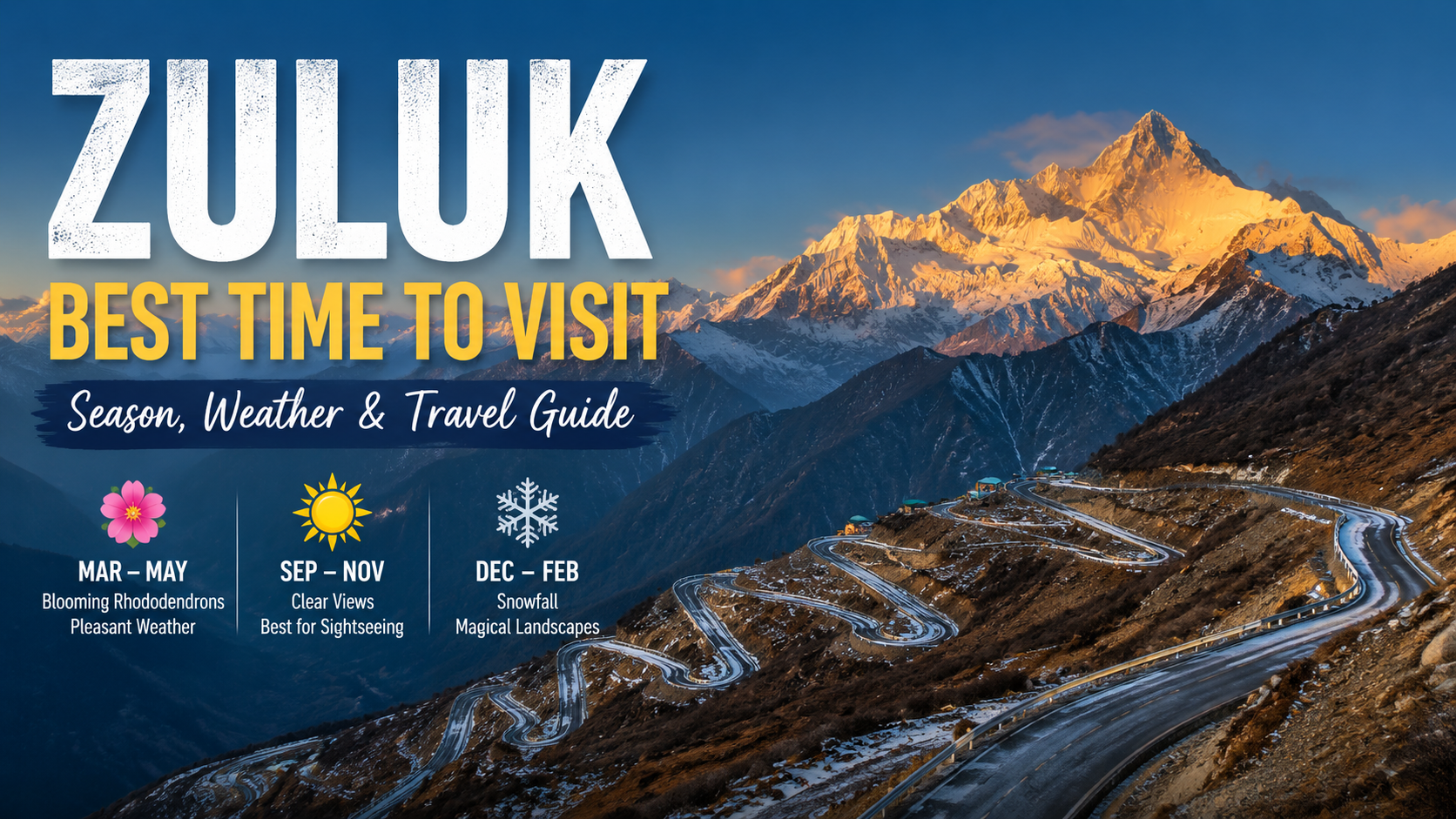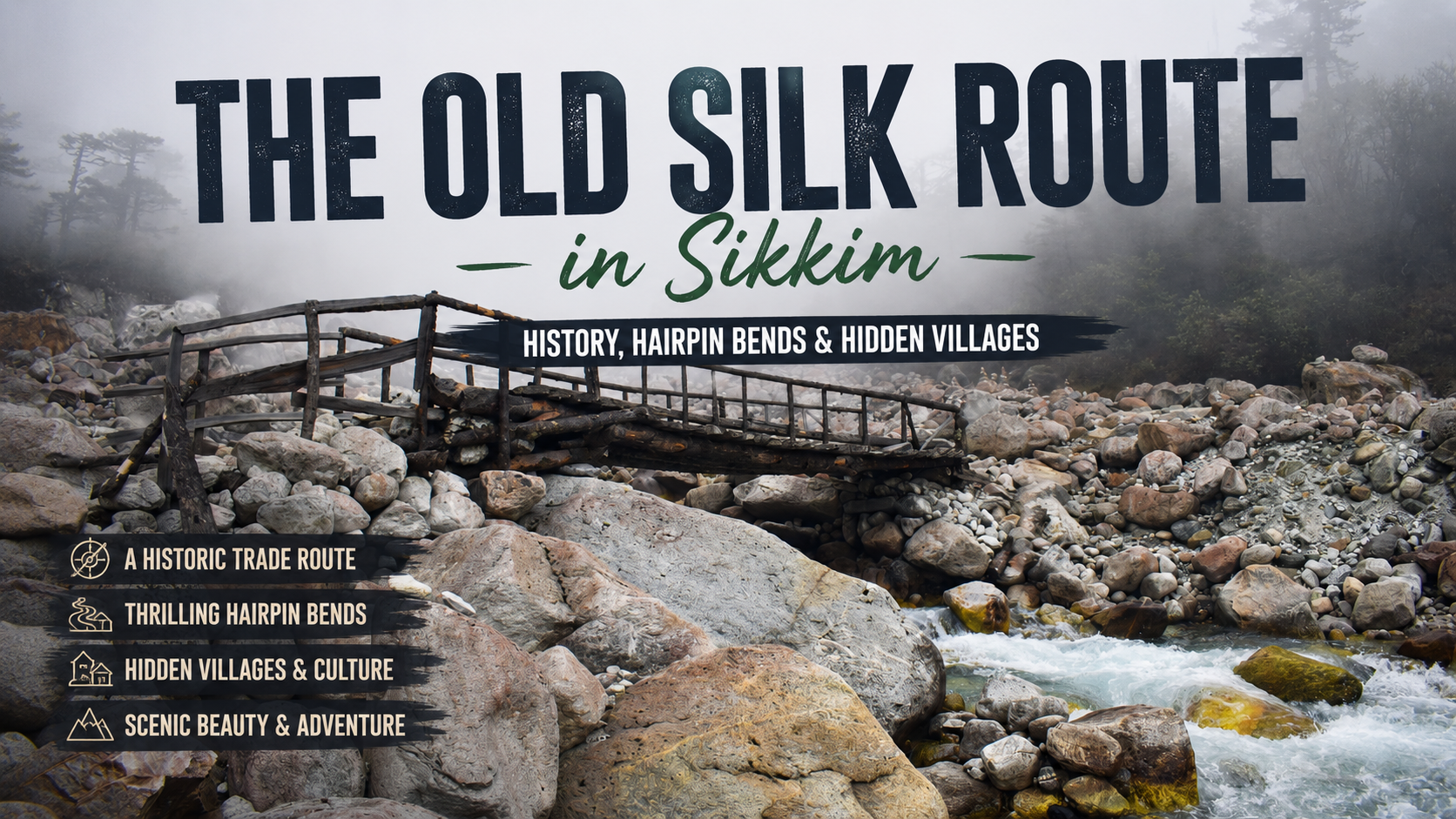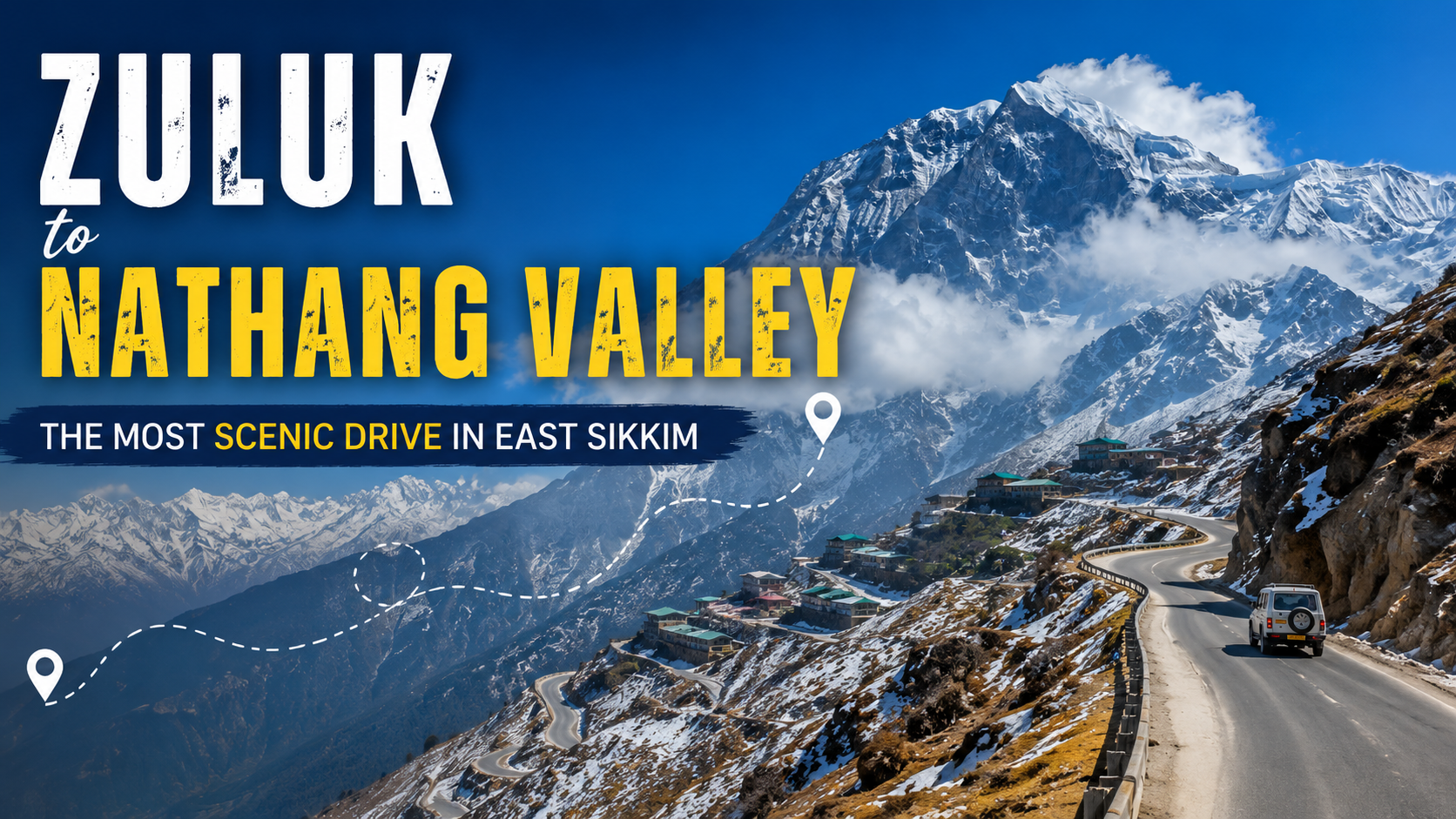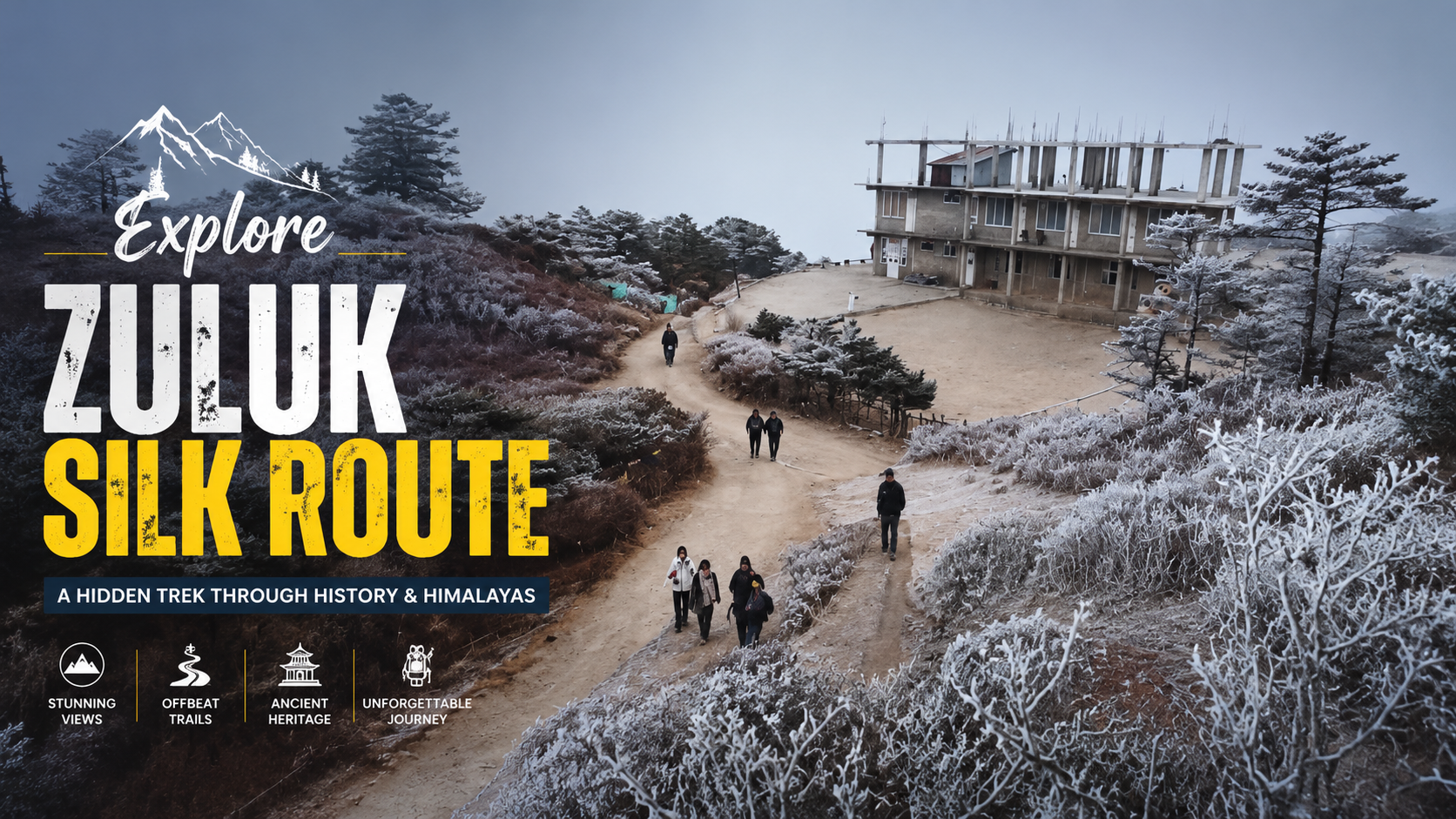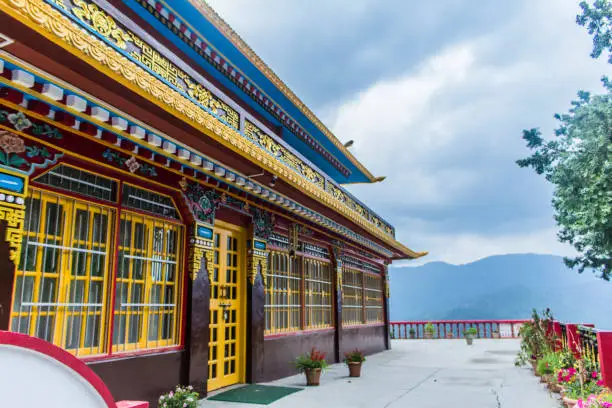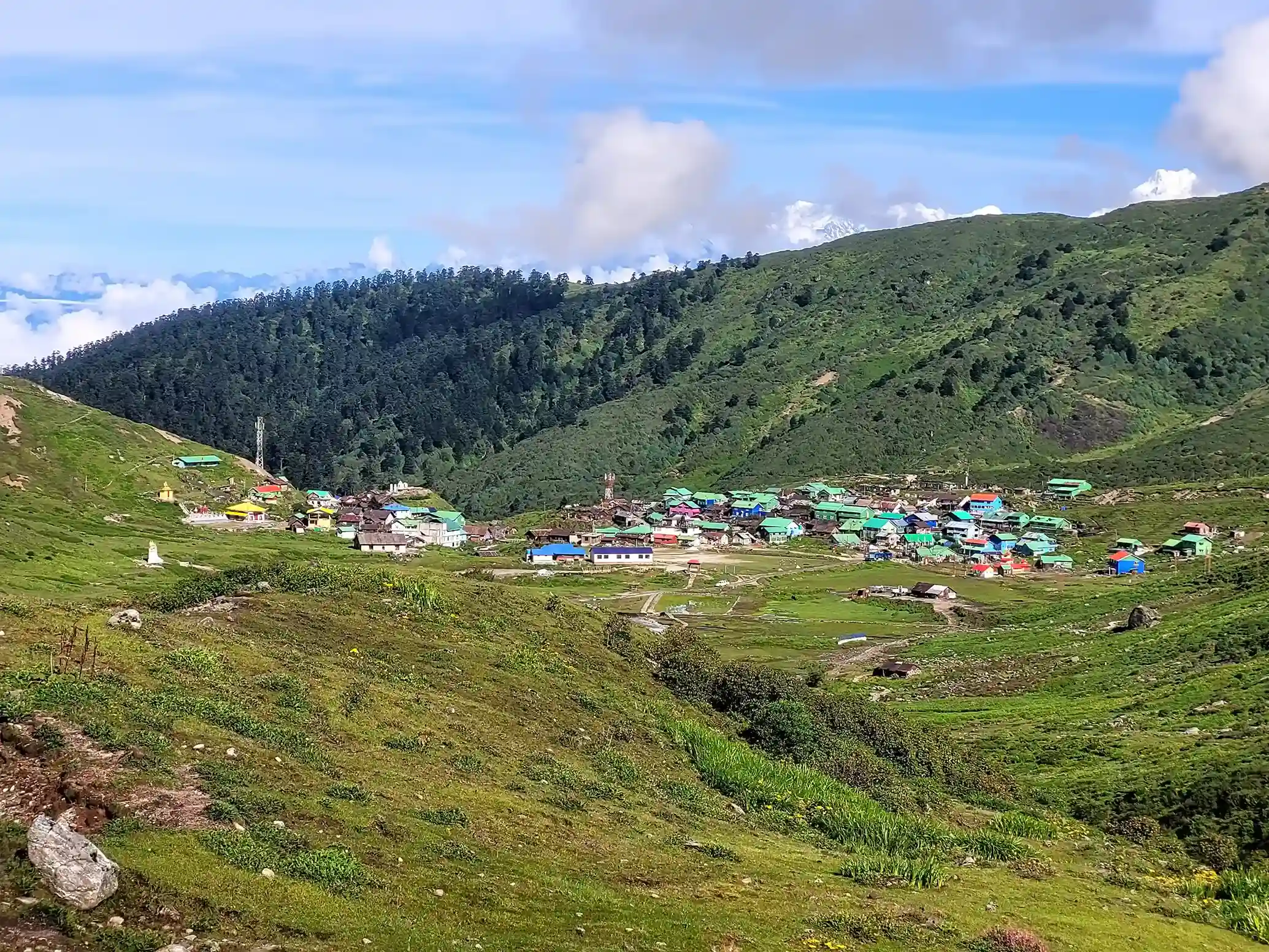
Perched at an elevation of 9,400 feet along the rugged corridors of East Sikkim. Zuluk (Dzuluk) is one of the most breathtaking stops along the Old Silk Route. With its iconic 32-turn Zig-Zag loops, pristine views of Mount Kanchenjunga from Thambi View Point, and proximity to Nathang Valley and Kupup Lake, Zuluk offers a dramatic mountain escape.
However, because Zuluk and the surrounding Silk Route circuit share sensitive international borders with China-occupied Tibet, access is strictly regulated by the Ministry of Home Affairs and the Government of Sikkim. Every tourist must obtain a Protected Area Permit (PAP) before crossing the check posts into this high-altitude border zone. That’s why Zuluk permit is one of the necessary for this trek.
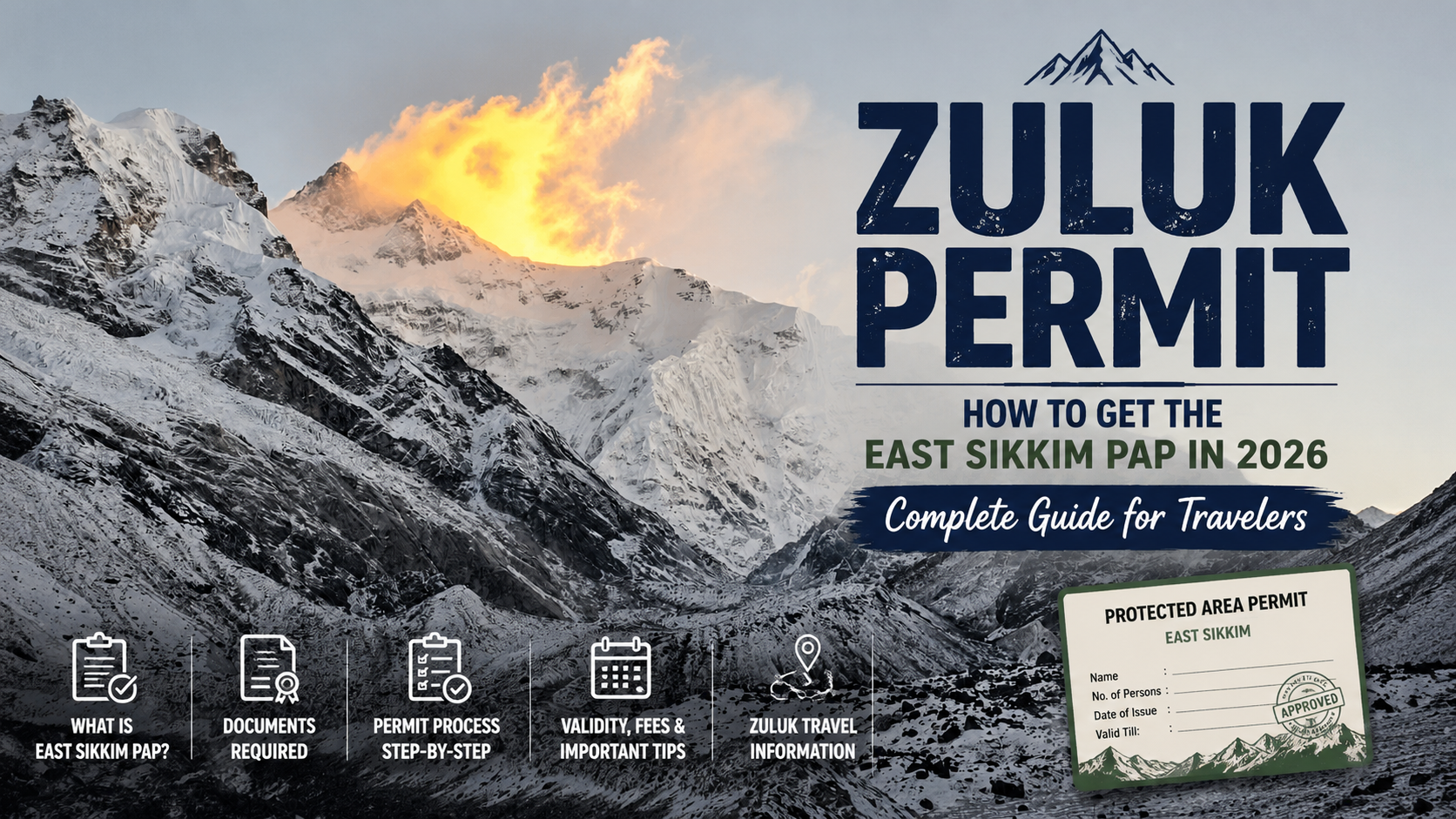
If you are planning an expedition through the Old Silk Route, this complete 2026 permit guide covers eligibility, application methods, check post timings, document requirements, costs, and key regulations.
What is the East Sikkim Protected Area Permit (PAP)?
The Protected Area Permit (PAP) is an official security clearance granted to domestic travelers visiting protected border regions in Sikkim. Unlike standard tourist destinations in India, Zuluk, Padamchen, Gnathang Valley, Kupup, Baba Mandir, and Tsomgo Lake lie within a militarized inner-line border zone.
The PAP authorizes your entry, verifies your identity, and tracks vehicle movement across high-altitude checkpoints. Without a valid paper copy of your PAP, military and state police personnel at entry checkpoints will deny passage.
Quick Overview: Zuluk Permit Details
| Parameter | Details / Specification |
| Permit Name | Protected Area Permit (PAP) for East Sikkim (Silk Route Circuit) |
| Applicable Locations | Zuluk, Padamchen, Nathang Valley, Kupup Lake, Elephant Lake, Old Baba Mandir, Thambi View Point |
| Eligible Travelers | Indian Citizens only (with valid government photo ID) |
| Foreigner Status | Strictly Restricted / Not Allowed beyond Rongli check post |
| Issue Points | SDPO Office at Rongli Bazaar, Sikkim Tourism Office in Gangtok, or via registered travel operators |
| Standard Validity | 1 to 3 Days (Route-specific; non-transferable) |
| Permit Fee | ₹200 – ₹300 nominal processing fee (often bundled into tour operator packages) |
Where to Get the Zuluk Permit
Depending on your entry route into the Silk Route circuit, you can obtain your PAP from two primary physical locations or through a registered local tour operator.
1. Rongli Check Post (Rongli Bazaar)
If you are driving towards Zuluk from NJP, Siliguri, Kalimpong, Pedong, or Aritar, Rongli Bazaar is your primary permit issuance point. The Sub-Divisional Police Officer (SDPO) office at Rongli processes on-the-spot permits for arriving travelers.
- Location: SDPO Office, Rongli Check Post, East Sikkim.
- Route Coverage: Issued for the entire Rongli – Lingtam – Zuluk – Nathang – Kupup – Gangtok circuit.
2. Gangtok Sikkim Tourism Office
If you are starting your Silk Route journey in reverse (starting from Gangtok and driving downhill towards Zuluk via Tsomgo Lake and Baba Mandir), you must obtain your PAP in Gangtok.
- Location: Tourism & Civil Aviation Department, M.G. Marg / DAC Office, Gangtok.
- Process: Handled directly or submitted through any registered Gangtok travel agency.
Rongli Check Post Permit Timing & Working Days
Timing is critical when obtaining your permit on the road. If you arrive at Rongli outside official working hours, you will be forced to stay overnight at nearby towns like Aritar or Pedong before your permit can be processed the following morning.
Pro Tip for Travelers: Aim to reach the Rongli check post by 9:30 AM. During peak tourist months (April–May and October–November), long queues at the SDPO desk can cause delays of 45 to 90 minutes.
East Sikkim Protected Area Permit Documents Required
To ensure swift processing at the check post or through your tour agency, bring both original documents and multiple physical photocopies. Digital copies on smartphones are not accepted at army checkpoints.
Required Documents Checklist:
- Government Photo Identification Proof (Original + 3 Photocopies):
- Voter ID Card (Preferred and most widely accepted)
- Indian Passport
- Driving License
- Note: PAN Cards are STRICTLY NOT accepted as valid identity proof for protected area permits in Sikkim. Aadhaar Cards are occasionally accepted for adults at select check posts, but Voter ID or Passport remains the safest choice.
- Passport-Size Photographs:
- 3 to 4 recent color passport-size photographs per individual.
- Documents for Minors (Under 18 Years):
- Birth Certificate OR Indian Passport.
- School ID along with Father’s/Mother’s valid photo ID proof.
- Vehicle Documents (If Self-Driving or Private Entry):
- Vehicle Registration Certificate (RC).
- Valid Pollution Under Control (PUC) Certificate & Insurance.
- Commercial / Private Driving License.
- Important Vehicle Rule: Outside-state vehicles (non-SK registered) are generally restricted from entering the inner border circuit beyond Rongli. Travelers driving personal SUVs must request explicit self-drive military clearance at Rongli.
Zuluk Permit Online Apply: Is Online Permit Available in 2026?
A frequent query among modern travelers is whether you can apply for the Zuluk PAP completely online before arrival.
- For Independent / Solo Travelers: There is no direct public portal where an individual tourist can self-generate an approved Zuluk PAP online independently. You must present your original documents physically at the Rongli SDPO office or Gangtok office.
- Through Authorized Sikkim Tour Operators: Registered Sikkim travel agencies utilize the Government e-Permit portal system. By emailing your soft copies (Voter ID + Photo) to a Sikkim-registered operator 2 to 3 days in advance, they process the permit digitally through official channels and hand you the printed PAP copy when you land at Bagdogra, NJP, or Gangtok.
To browse curated itineraries with hassle-free permit assistance included, visit our Zuluk Silk Route Sikkim Product Page.
Zuluk Silk Route Permit for Foreigners
Can Foreign Nationals Visit Zuluk?
No. Due to strict national defense and international border regulations along the Indo-China frontier, foreign passport holders (including OCI cardholders and citizens of Nepal/Bhutan) are strictly barred from visiting Zuluk, Nathang Valley, Kupup, and Baba Mandir.
Alternative for Foreign Travelers: Foreign nationals seeking alpine landscapes in Sikkim can apply for PAPs in group sizes of two or more for designated areas in West Sikkim (Dzongri/Goechala) or North Sikkim (Lachung & Yumthang Valley with authorized travel guides).
Read More: View the Zuluk Silk Route tour itinerary, pricing, inclusions, and book your trip online.
Zuluk Permit Cost and Validity
Understanding the fee structure and duration helps prevent overcharging on the road:
- Official Permit Fee: The Government of Sikkim charges a minimal government processing fee of ₹200 to ₹300 per vehicle/group at Rongli SDPO.
- Agency Service Charges: If you enlist a local tour operator to arrange permits in advance, they usually charge a service fee ranging between ₹300 and ₹500 total for paperwork handling.
- Permit Validity: A standard PAP for the Silk Route is issued for 1 to 3 days. It specifies your designated night halts (e.g., Night 1: Zuluk/Padamchen, Night 2: Nathang Valley).
- Route Extension: If heavy snowfall blocks the passes at Gnathang or Kupup, your permit does not automatically grant alternative routes; army personnel at local checkpoints will direct you to turn back to lower altitudes.
For an in-depth breakdown of accommodation options, route mapping, and mountain safety, read our comprehensive Zuluk Silk Route Guide.
Step-by-Step Guide: How to Get Your Permit at Rongli
If you are planning an independent or self-managed taxi trip along the Silk Route, follow this procedural sequence:
- Arrive Early: Reach Rongli Bazaar before 11:00 AM to beat tourist queues and secure processing before afternoon office hours end.
- Collect the PAP Form: Obtain the official Protected Area Permit application form from the counter.
- Fill Travel Details: List all passenger names, ages, gender, home address, ID numbers, vehicle registration numbers, and driver details.
- Attach Documents: Staple 1 photo per person onto the form and attach your Voter ID photocopies.
- Verification & Stamping: The officer will inspect your original IDs, stamp the hardcopy permit, and specify your permitted route.
- Make Extra Copies: Make 3 to 4 extra photocopies of the issued permit at Rongli Bazaar. You must hand over physical copies to military officers at subsequent check posts like Lingtam, Gnathang, and Tukla Valley.
Frequently Asked Questions (FAQs)
1. Is a permit required for the Zuluk to Nathang Valley drive?
Yes. The entire Silk Route circuit is a protected inner-line border zone. All domestic tourists must obtain Protected Area Permits (PAP) from check posts at Rongli or Gangtok. Foreign nationals are restricted beyond Rongli due to military regulations.
2. How cold does Nathang Valley get?
During winter (December to February), night temperatures routinely plunge between -10°C and -15°C. Even during summer (May to June), evening temperatures stay cool around 5°C to 10°C. Heavy thermal clothing and windproof jackets are required year-round.
3. Are foreign nationals allowed to travel along the Zuluk Silk Route circuit?
Foreigners are strictly restricted beyond Rongli and cannot visit Zuluk, Nathang Valley, or higher passes like Kupup due to military and international border regulations. However, foreign tourists can travel up to certain permitted zones in Sikkim with a valid Restricted Area Permit (RAP) / Protected Area Permit (PAP).
4. How do travelers handle altitude sickness (AMS) when traveling from Zuluk to Nathang Valley?
Since Nathang Valley sits at a much higher elevation (~13,500 ft) compared to Zuluk (~9,400 ft), acclimatization is critical. It is recommended to stay overnight at Zuluk or Padamchen first, stay well-hydrated, avoid alcohol, and carry basic medicines for nausea or headaches to prevent Acute Mountain Sickness (AMS).
5. Can I visit Zuluk using a non-Sikkim registered vehicle or personal car?
Outside commercial taxis (WB or DU registered) are strictly prohibited from driving along the Silk Route circuit. You must hire a Sikkim-registered (SK-plated) commercial vehicle at Rangpo, Gangtok, or Rongli. For private, personal vehicles (registered in your own name), entry permission is granted at the discretion of the SDPO at Rongli, provided the vehicle is a high-ground-clearance SUV.
Ready to Book Your Zuluk Silk Route Tour?
The Silk Route is the Sikkim itinerary for travellers who want their mountains with a story — a trade road that connected Lhasa to India for centuries, thirty-two bends coiled beneath a sunrise viewpoint, and village homestays that carry the road’s history in living memory. Our 2026 departures run April–May and September through the winter snow window, with the monsoon months deliberately left off the calendar.
Book the Zuluk Silk Route now: Call/WhatsApp +91 7407248200 · Email contact@trekinsikkim.in
Read more: View the Zuluk Silk Route tour itinerary, pricing, inclusions.
Read more: Browse all our Sikkim tours
About the author
Kiran Gurung is the founder of Glacier Treks & Adventure, an IMF-certified mountaineer, and a long-time Sikkim resident based in Yuksom, West Sikkim. Alongside the company’s trekking and expedition portfolio, he has operated East Sikkim Silk Route tours for years, with long-standing homestay partnerships in Zuluk village and a safety culture drawn from high-altitude expedition leadership. Glacier Treks & Adventure is affiliated with the Sikkim Department of Tourism, the IMF, TAAS, YTDC and SAMA.