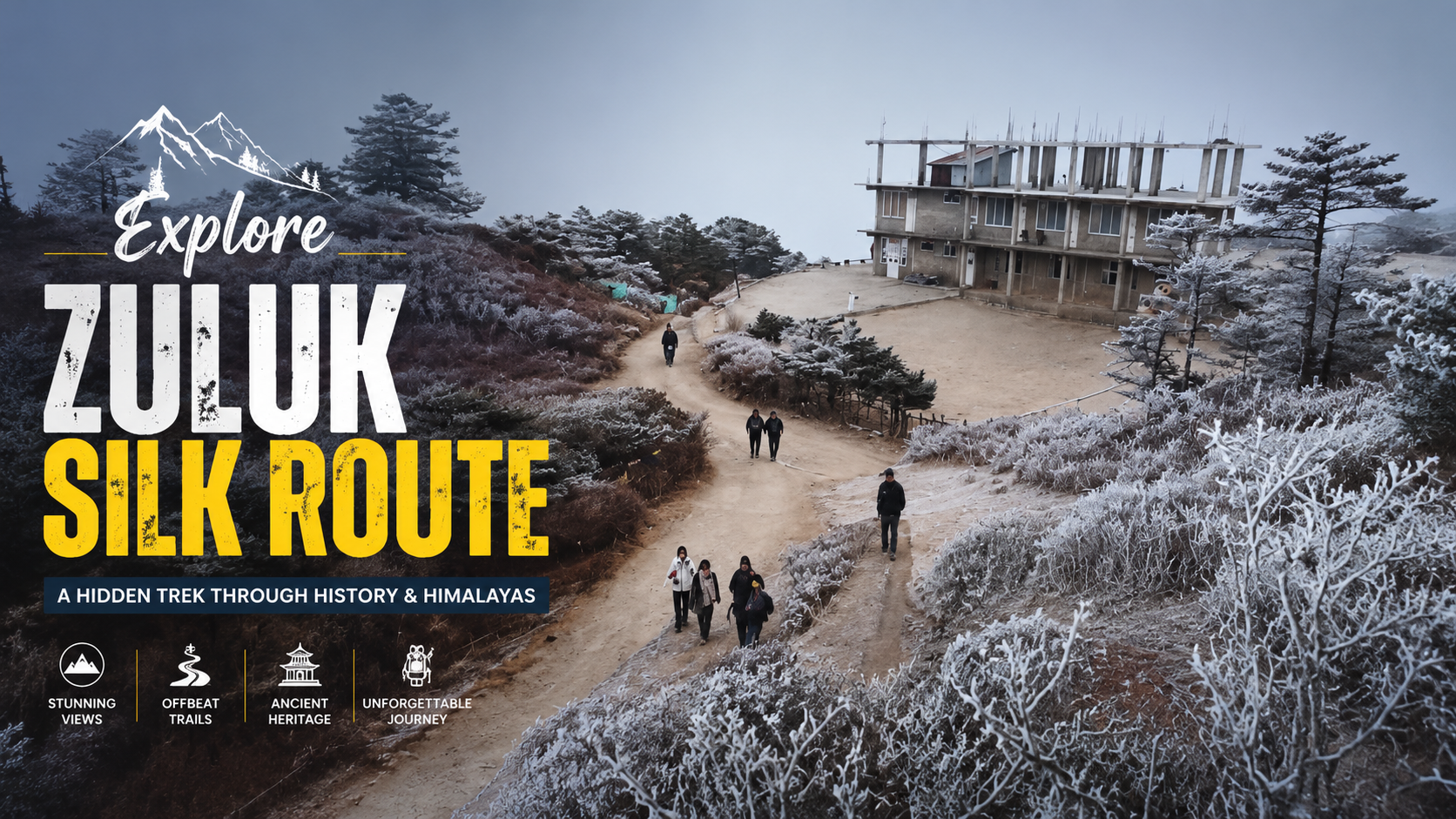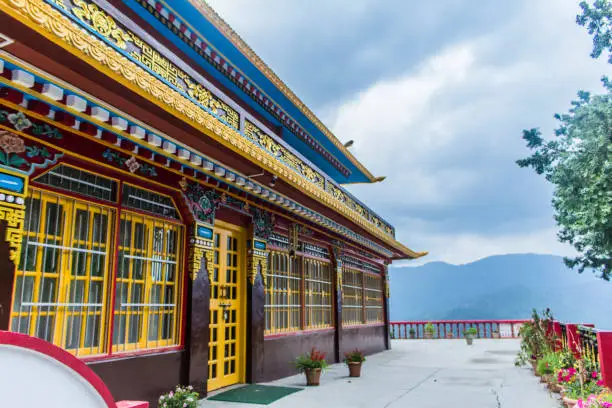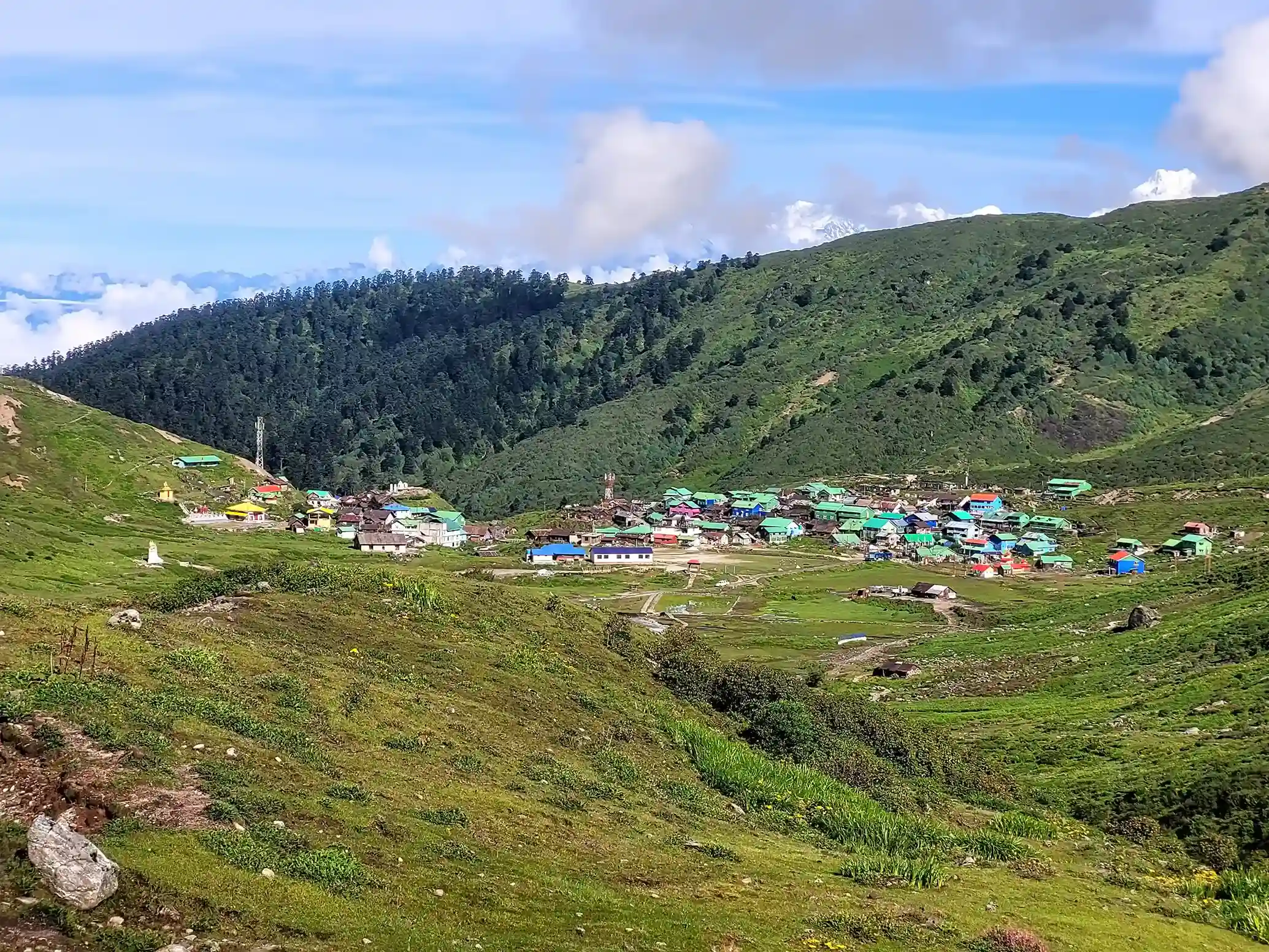
Winding through the rugged landscapes of East Sikkim, the old silk route sikkim is more than just a road—it is a journey through history. For centuries, this ancient trade corridor connected Lhasa in Tibet to the fertile plains of Bengal via the elevated Jelep La Pass, carrying silk, wool, spices, and stories across the Himalayas.
Today, traders no longer herd mules laden with raw silk, wool, and spices across these high-altitude passes, but the route has become one of Eastern India’s most breathtaking travel circuits. From Zuluk’s famous zigzag roads to the pristine, snow-covered stretches of Nathang Valley, exploring this historic corridor offers a compelling mix of history, adventure, and local hospitality.
A Glimpse into Sikkim’s Lost Trade Highway
Dating to the 17th century, the South Asian branch of the Silk Road played a pivotal role in regional commerce and diplomacy. Sikkimese traders, Tibetan merchants, and British officers traversed these mountain tracks despite the harsh climate conditions.
Key goods exchanged along this high-altitude corridor included:
- From Tibet: Raw wool, musk, yak tails, and precious stones.
- From India: Raw silk, spices, tobacco, textiles, and daily essentials.
Trade along this route flourished well into the 20th century until geopolitical shifts led to the closure of the border passes following the 1962 Sino-Indian conflict. Reopened to domestic tourists in recent decades, the region now allows travelers to step back in time while navigating some of the highest paved roads in the Himalayas.
Key Highlights Along the Circuit
The Mesmerizing Zuluk Loop of 32 Hairpin Bends
Nestled at an altitude of roughly 9,400 feet, the small hamlet of Zuluk serves as the base for exploring the high-altitude stretches of the circuit. The defining feature of the Zuluk Loop Silk Route is its remarkable series of 32 hairpin bends carved into the mountainside. Negotiating these tight switchbacks offers a thrill for drivers and riders alike, climbing over 1,500 feet within a short distance.
Sunrise Views from Thambi Viewpoint
Perched at 11,200 feet, Thambi Viewpoint provides an extraordinary perspective of the 32 hairpin bends spiraling down the valley below. On clear mornings, visitors are treated to an unobstructed panorama of Mount Kanchenjunga bathed in golden sunlight.
The High-Altitude Haven of Nathang Valley
Often referred to as the “Ladakh of East Sikkim,” Nathang Valley sits at an elevation of 13,500 feet. The region experiences extreme weather shifts throughout the year:
Understanding Nathang Valley weather is essential for trip planning:
- Winter (November to March): Temperatures drop well below freezing (-10°C to -15°C), transforming the valley into a blanket of snow.
- Spring/Summer (April to June): Pleasant daytime temperatures (10°C to 18°C) bring vibrant alpine wildflower blooms across the landscape.
- Monsoon (July to September): Heavy rainfall and fog dominate, making travel challenging due to frequent landslides.
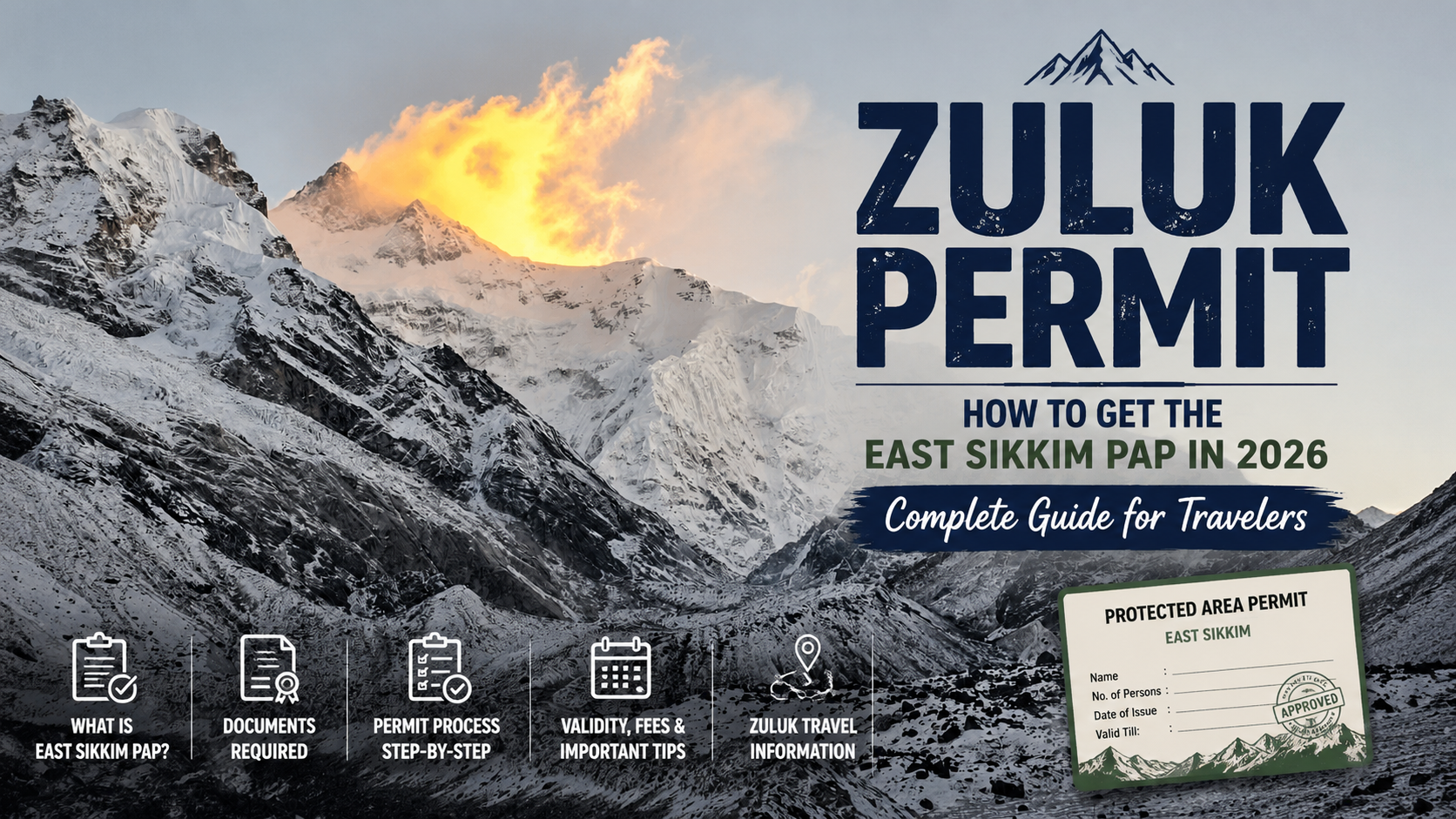
Read more: Learn how to apply for the Zuluk Permit (East Sikkim PAP), eligibility, required documents, and the latest permit process for 2026.
Complete 5-Day Old Silk Route Sikkim Itinerary
Planning an efficient route ensures proper altitude acclimatization while covering all major points of interest. Here is a recommended 5-day circuit starting from the gateway city of Siliguri or NJP.
| Day | Route Details | Key Attractions & Activities |
| Day 1 | Siliguri / NJP to Sillery Gaon / Aritar | Drive through Kalimpong hills; visit Aritar Lake and Lampokhari. |
| Day 2 | Aritar to Zuluk via Rongli | Obtain inland permits at Rongli; visit Lingtam and Kuekhola Falls; overnight in Zuluk. |
| Day 3 | Zuluk to Nathang Valley / Padamchen | Sunrise at Thambi Viewpoint; cross Lungthung, Tukla Valley, and Old Baba Mandir. |
| Day 4 | Nathang Valley to Gangtok via Kupup | Visit Elephant Lake (Kupup), Tukla War Memorial, and Tsomgo (Changu) Lake. |
| Day 5 | Gangtok to Siliguri / NJP | Morning exploration of Gangtok local markets before departure drive. |
Essential Travel Logistics & Permits
Because the Old Silk Route runs close to sensitive international border zones, travel in this region is strictly regulated by government authorities.
Silk Route Sikkim Permit Cost & Requirements
- Permit Authority: All non-local travelers require Protected Area Permits (PAP), issued by the Sikkim Tourism & Civil Aviation Department or police check posts at Rongli and Gangtok.
- Permit Fee: Official permit processing fees are minimal (typically ₹100–₹200 per applicant charged via authorized travel agents for administrative processing).
- Required Documentation:
- Original government photo ID (Voter ID or Passport; Aadhaar is sometimes restricted at border posts).
- 2 to 4 recent passport-sized photographs per person.
- Important Note: Foreign nationals are generally restricted from visiting certain high-altitude border stretches past Zuluk. These include Baba Mandir and Nathang, due to military regulations.
Booking a Silk Route Tour Package from Siliguri
Starting your journey with a dedicated Silk Route tour package from Siliguri simplifies transit logistics. Shared cab options are rare along this circuit, so hiring a dedicated non-AC SUV (like a Scorpio, Innova, or Xylo) is highly recommended to navigate the steep terrain and secure all necessary permits seamlessly. For a complete guide on booking customized itineraries and local homestays, explore the Zuluk Silk Route Tour Packages.
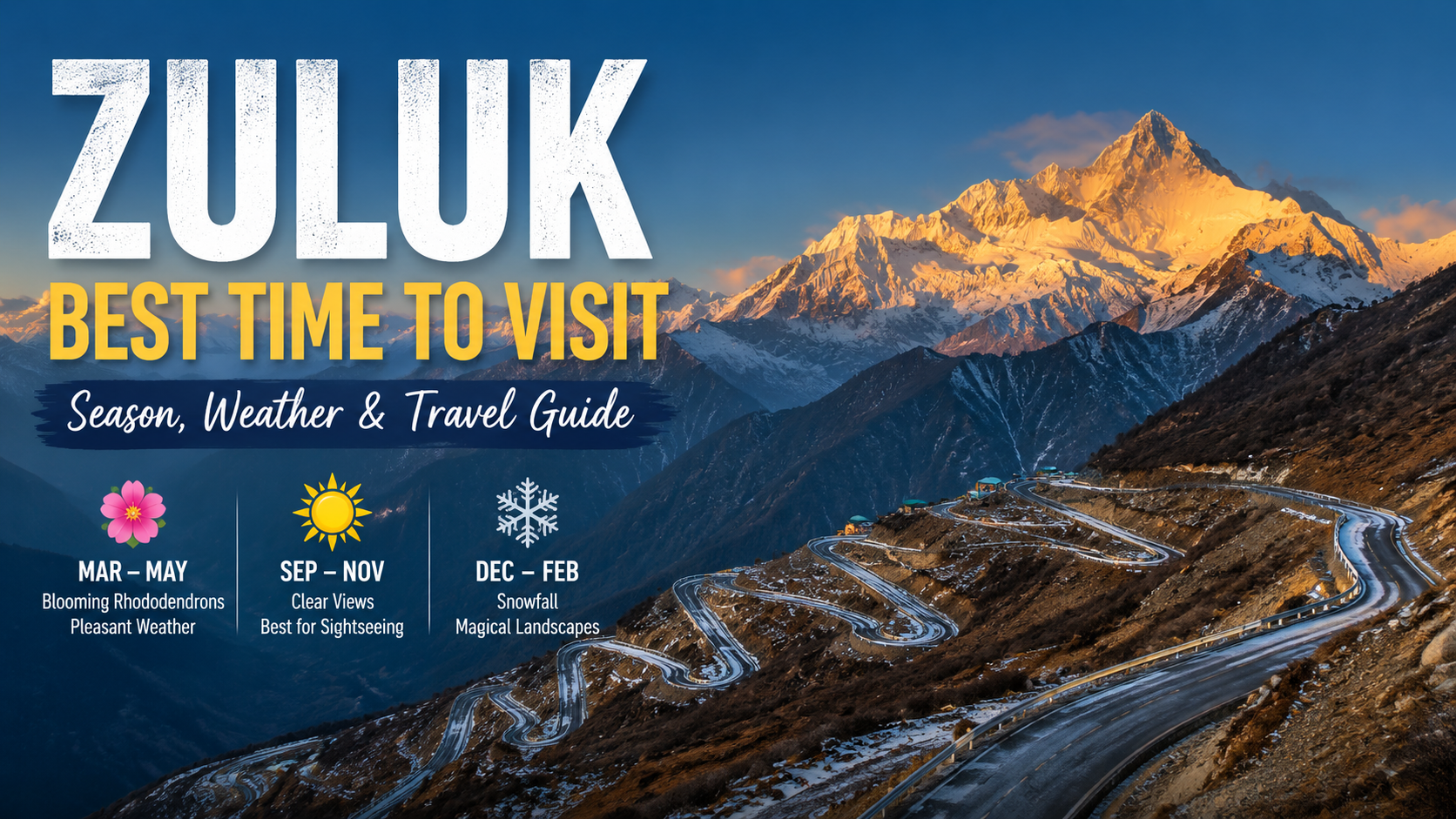
Read more: Find out the best time to visit Zuluk by comparing vibrant spring rhododendrons with magical winter snowfall.
Frequently Asked Questions
What is the best time to visit the Old Silk Route in Sikkim?
The best months are October to December for clear skies and snow views, and April to May for pleasant weather and blooming rhododendrons.
How do I prepare for high altitude on this circuit?
As you ascend rapidly from Zuluk (9,400 ft) to Nathang Valley (13,500 ft), AMS (Acute Mountain Sickness) can occur. Stay well-hydrated, avoid alcohol, and carry basic high-altitude medication after consulting a doctor.
Are luxury hotels available along the route?
No. The Old Silk Route is an eco-tourism belt dominated by local village homestays in places like Zuluk, Padamchen, and Nathang. These homestays offer clean rooms, warm hospitality, and fresh, home-cooked Sikkimese meals.
To dive deeper into road conditions, homestay choices, and detailed packing checklists for this high-altitude journey, read the comprehensive Zuluk Silk Route Travel Guide.
Ready to Book Your Zuluk Silk Route Tour?
The Silk Route is the Sikkim itinerary for travellers who want their mountains with a story — a trade road that connected Lhasa to India for centuries, thirty-two bends coiled beneath a sunrise viewpoint, and village homestays that carry the road’s history in living memory. Our 2026 departures run April–May and September through the winter snow window, with the monsoon months deliberately left off the calendar.
Book the Zuluk Silk Route now: Call/WhatsApp +91 7407248200 · Email contact@trekinsikkim.in
Read more: View the Zuluk Silk Route tour itinerary, pricing, inclusions, and book your trip online.
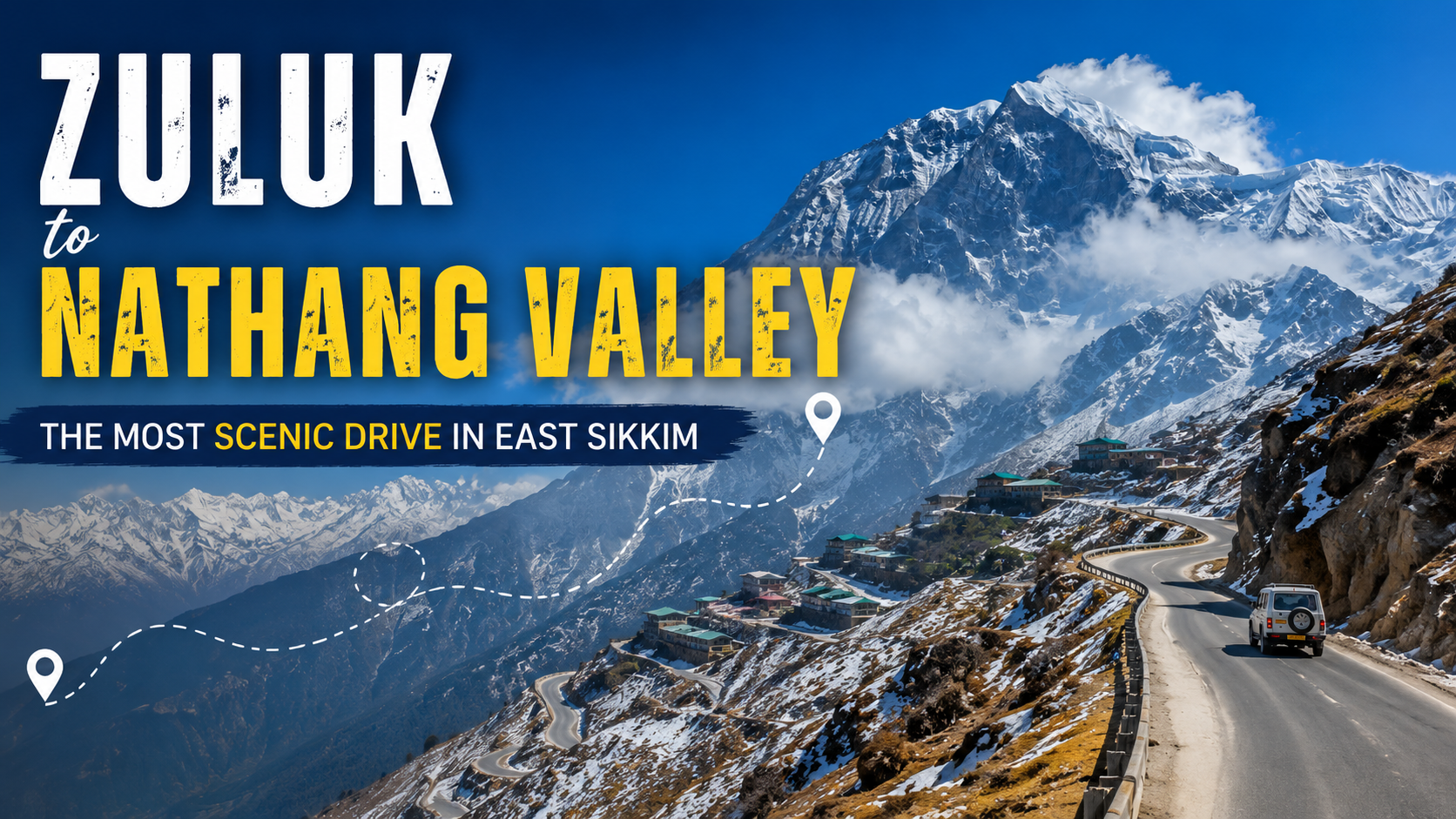
Read more: Planning to drive through East Sikkim? Explore the breathtaking journey from Zuluk to Nathang Valley, including viewpoints, road conditions, and travel tips.
Read more: Want the high-altitude classic instead? Read the North Sikkim guide
Read more: Browse all our Sikkim tours
About the author
Kiran Gurung is the founder of Glacier Treks & Adventure, an IMF-certified mountaineer, and a long-time Sikkim resident based in Yuksom, West Sikkim. Alongside the company’s trekking and expedition portfolio, he has operated East Sikkim Silk Route tours for years, with long-standing homestay partnerships in Zuluk village and a safety culture drawn from high-altitude expedition leadership. Glacier Treks & Adventure is affiliated with the Sikkim Department of Tourism, the IMF, TAAS, YTDC and SAMA.