Many trekkers ask me,
What is the best time to trek in Sikkim?
I personally recommend that the best time to trek in Sikkim are spring (March to May) and autumn (September to December). Spring is best for experiencing blooming rhododendrons, green forests, and moderate temperatures. On the other hand, autumn offers the clearest mountain views and the most stable weather conditions. Winter trekking is possible on selected routes. But the problem is that heavy snowfall closes many high-altitude trails during peak winter months.
As an experienced guide who has led trekkers from West to North Sikkim for years, I always suggest to them that choosing the right season is just as important as choosing the right trail. The same trek can be experienced differently depending on the weather, visibility, temperature, and trail conditions.
In this guide, I will explain the suitable time to trek in Sikkim season by season. I will share my opinion based on weather patterns, trail conditions, mountain visibility, rainfall, and which treks work best in each period.
Spring Trekking in Sikkim (March to May)
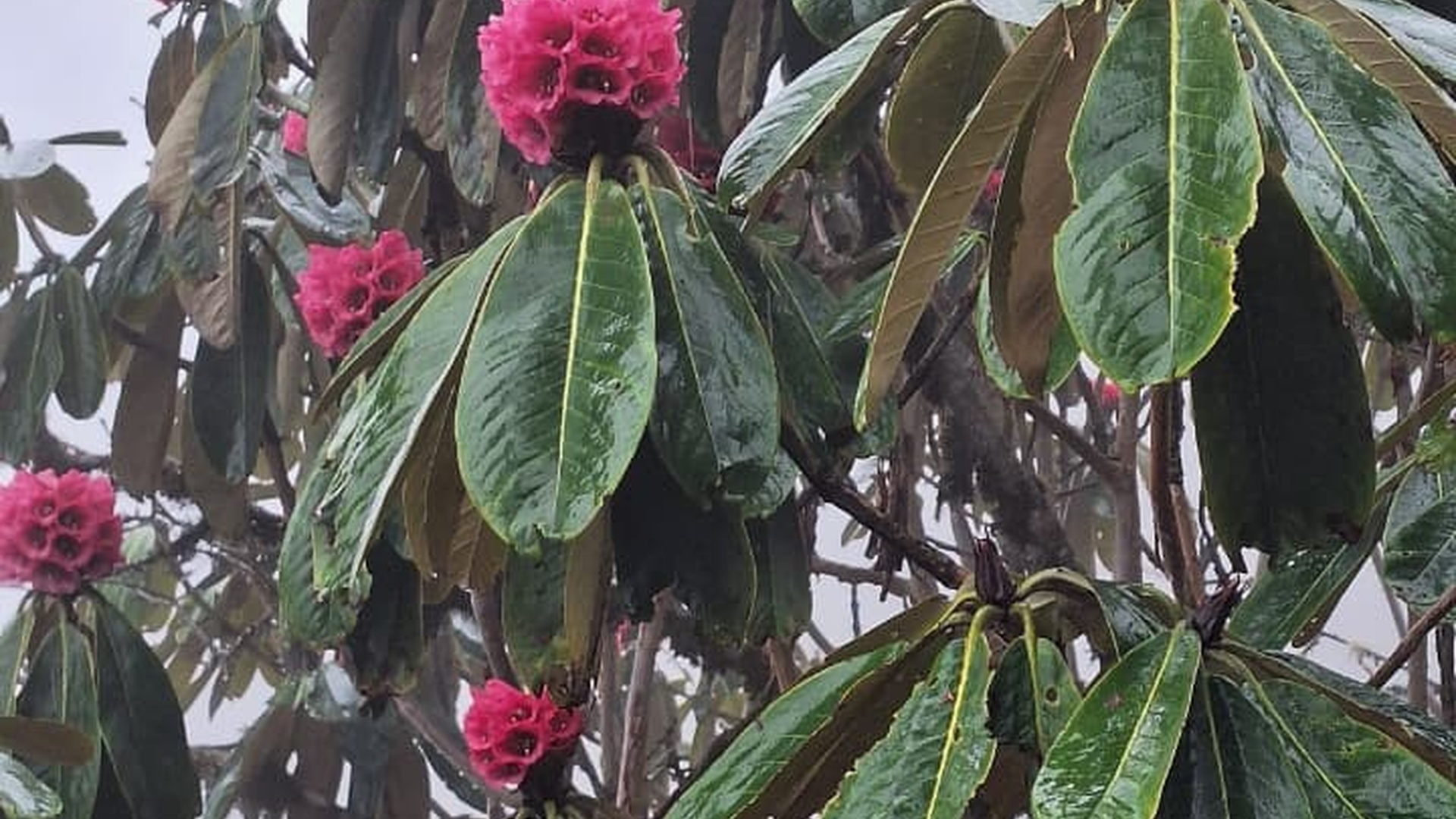
For many trekkers, spring is the most beautiful season in Sikkim. During spring, forests across Sikkim explode with rhododendron flowers in shades of red, pink, and white. Trails become colorful, temperatures remain comfortable, and snow remains visible on higher ridges.
| Attribute | Details |
| Season | March to May |
| Temperature | Mild to Cold |
| Mountain Visibility | Good |
| Trail Condition | Stable |
| Main Highlight | Rhododendron Bloom |
This is one of my favorite seasons to guide treks like the Goechala Trek, Dzongri Trek, Singalila Ridge Trek, and Barsey Rhododendron Trek. The weather is usually stable in the mornings, though occasional afternoon clouds can appear. Higher camps remain cold at night, especially above 4,000 meters.
If your priority is combining mountain views with forests and flowers, spring is arguably the best time to trek in Sikkim.
Summer & Monsoon Trekking (June to August)
Summer in Sikkim quickly transitions into the monsoon season.
| Attribute | Details |
| Season | June to August |
| Rainfall | Heavy |
| Visibility | Poor |
| Trail Condition | Slippery & Muddy |
| Recommendation | Not Ideal for High-Altitude Treks |
This is generally not recommended for major high-altitude trekking in Sikkim. Heavy rainfall creates Landslides, Leech-infested trails, Slippery forest sections, Poor mountain visibility, and route closures. North Sikkim and West Sikkim roads can also become unpredictable during the monsoon months.
That said, lower-altitude village walks and short nature trails can still be enjoyable if you specifically enjoy monsoon landscapes and greenery. For serious Himalayan trekking, however, I usually advise trekkers to avoid this period.
Autumn Trekking in Sikkim (September to December)
Autumn is widely considered the peak trekking season in Sikkim.
| Attribute | Details |
| Season | September to December |
| Temperature | Cool to Cold |
| Mountain Visibility | Excellent |
| Trail Condition | Dry & Stable |
| Main Highlight | Clear Himalayan Views |
After the monsoon washes away dust and haze, the mountains become incredibly sharp and visible. This is the season when trekkers experience: Crystal-clear sunrise views, Stable trekking conditions, Dry trails, Cold but manageable weather, Excellent photography opportunities
Treks like the Goechala Trek, Green Lake Trek Sikkim, Kanchenjunga Base Camp regions, and Kasturi Orar Trek perform exceptionally well during autumn. Personally, I recommend high-altitude trekking in Sikkim. I usually suggest October and November. The mountain clarity during these months is simply outstanding.
Winter Trekking in Sikkim (December to February)
Winter trekking in Sikkim is beautiful but limited.
| Attribute | Details |
| Season | December to February |
| Temperature | Very Cold |
| Snowfall | Heavy at Higher Altitudes |
| Accessibility | Limited |
| Best For | Experienced Trekkers |
Higher-altitude routes often receive heavy snowfall during winter. Some passes and camps become inaccessible, especially above 4,000 meters. However, winter trekking still attracts trekkers who enjoy snow-covered landscapes, frozen lakes, quiet trails, dramatic mountain scenery, shorter treks, and lower-altitude routes that remain possible depending on snowfall conditions.
Trekkers attempting winter routes must prepare for sub-zero temperatures, frozen water sources, snow-covered trails, and strong winds at higher camps. This season is best suited for experienced trekkers with proper winter gear.
Best Time for Popular Treks in Sikkim
Autumn season is best for the Goechala, Dzongri, and Kanchenjunga Base Camp Trek. Where spring would be suitable for Barsey, Singalila, and Goechala. Summer is preferable at Dzongri. Winter is not recommended for the Sikkim Trekking season.
| Trek | Best Season |
| Goechala Trek | April–May & October–November |
| Dzongri Trek | March–May & October–December |
| Green Lake Trek Sikkim | October–November |
| Singalila Ridge Trek | April–May & October |
| Kanchenjunga Base Camp Trek | October–November |
| Barsey Trek | March–April |
Different treks perform better in different weather windows, so choosing the right season matters.
How is the Rhododendron Season in Sikkim
One of the biggest highlights of spring trekking is the rhododendron bloom. Sikkim has dozens of rhododendron species, and during April and early May, forests become incredibly vibrant. Treks are especially known for rhododendrons, such as the Barsey Trek, Dzongri Trek, and Goechala Trek. Photographers and nature lovers usually prefer this season because the landscapes feel more alive and colorful.
When Are Mountain Views Clearest?
If your main priority is seeing Kanchenjunga clearly, autumn is usually the best choice.
October and November provide low humidity, minimal cloud cover, sharp sunrise visibility, gleaner skies after the monsoon; spring offers beautiful landscapes. But autumn generally delivers better long-distance mountain clarity.
Route Closures & Weather Considerations
Sikkim’s weather can change quickly, especially at altitude.
- Monsoon Landslides: Heavy rainfall during the monsoon can block roads and disrupt trekking routes across Sikkim.
- Snow-Blocked Trails: High-altitude routes often become inaccessible during winter because of heavy snowfall.
- Sudden Temperature Drops: Temperatures can fall rapidly in the mountains, especially above 4,000 meters.
- High Winds Above 4,000m: Strong winds on exposed ridges can make trekking colder and more physically challenging.
- Route Accessibility: Always check whether trekking trails are officially open before planning your trip.
- Current Permit Regulations: Permit rules may change depending on government and border-area restrictions.
- Weather Forecasts: Monitoring weather conditions helps trekkers prepare for rain, snow, and sudden storms.
- Snow Conditions: Snow levels can affect trail safety, trekking difficulty, and campsite accessibility.
As a trekking guide, I always tell trekkers not to focus only on dates. Flexibility and preparation are equally important in the Himalayas.
Read More: 10 Best Treks in Sikkim: From Beginner Day Hikes to High-Altitude Expeditions
Final Thoughts
The best time to trek in Sikkim depends on what kind of experience you want.
- Choose spring for rhododendrons, forests, and vibrant landscapes.
- Choose autumn for clear mountain views and stable trekking weather.
- Choose winter only if you are comfortable with cold conditions and snow trekking.
- Avoid monsoon for major high-altitude expeditions.
For most trekkers, April–May and October–November remain the best overall trekking windows in Sikkim. No matter the season, the mountains here always reward those who come prepared and walk with patience.
FAQs
1FAQs
1. What is the best time to trek in Sikkim for clear mountain views?
The best time to trek in Sikkim for clear Himalayan views is during autumn, especially from October to November. During this season, the monsoon rains clear the atmosphere, creating sharp visibility of peaks like Kanchenjunga, Pandim, and Kabru. Weather conditions also remain stable, making trekking safer and more comfortable.
2. Which is the best season for the Goechala Trek?
The best season for the Goechala Trek is either spring (April to May) or autumn (October to November). Spring offers blooming rhododendron forests and greener landscapes, while autumn provides colder temperatures but much clearer mountain panoramas and better sunrise visibility from the viewpoints.
3. Is spring trekking in Sikkim suitable for beginners?
Yes, spring trekking in Sikkim is considered one of the best times for beginners because temperatures remain relatively comfortable and trails are usually stable after winter. The forests also become vibrant with rhododendron blooms, making the trekking experience more scenic and enjoyable.
4. Why do many trekkers prefer autumn trekking in Sikkim?
Many trekkers prefer autumn trekking in Sikkim because the weather remains dry, skies stay clearer, and long-distance mountain visibility becomes exceptional after the monsoon season. This period is especially ideal for photography, high-altitude expeditions, and iconic treks like Goechala and Green Lake.
5. Why is checking a Sikkim trekking weather guide important before planning a trek?
A proper Sikkim trekking weather guide helps trekkers understand seasonal conditions such as rainfall, snowfall, trail closures, temperature drops, and visibility levels. Checking weather patterns before booking a trek helps in choosing the right season, packing correctly, and avoiding risky trekking conditions.
Book Your Sikkim Trek for 2026
Now that you know exactly what the Goechala Trek costs — and what you are paying for — you can book with confidence. Our 2026 season runs from May to December, with batches capped at 12 trekkers and a 30% advance to confirm your seat.
Book now: ₹20,000 per person · Call/WhatsApp +91 74072 48200 · Email kiran.yuksom@gmail.com
See our best package for expedition and climbing in Sikkim
Read More: 10 Best Treks in Sikkim: From Beginner Day Hikes to High-Altitude Expeditions
Read More: High Altitude Treks Guidance for You
Read More: 10 easy treks in Sikkim for your dream destinations.
About the Author
Kiran Gurung is the founder of Glacier Treks & Adventure, based in Yuksom, West Sikkim. An IMF-certified mountaineer, he has personally led more than 200 Goechala expeditions over the last fifteen years. Glacier Treks & Adventure is affiliated with the Department of Sikkim Tourism, IMF, TAAS, YTDC, and SAMA.