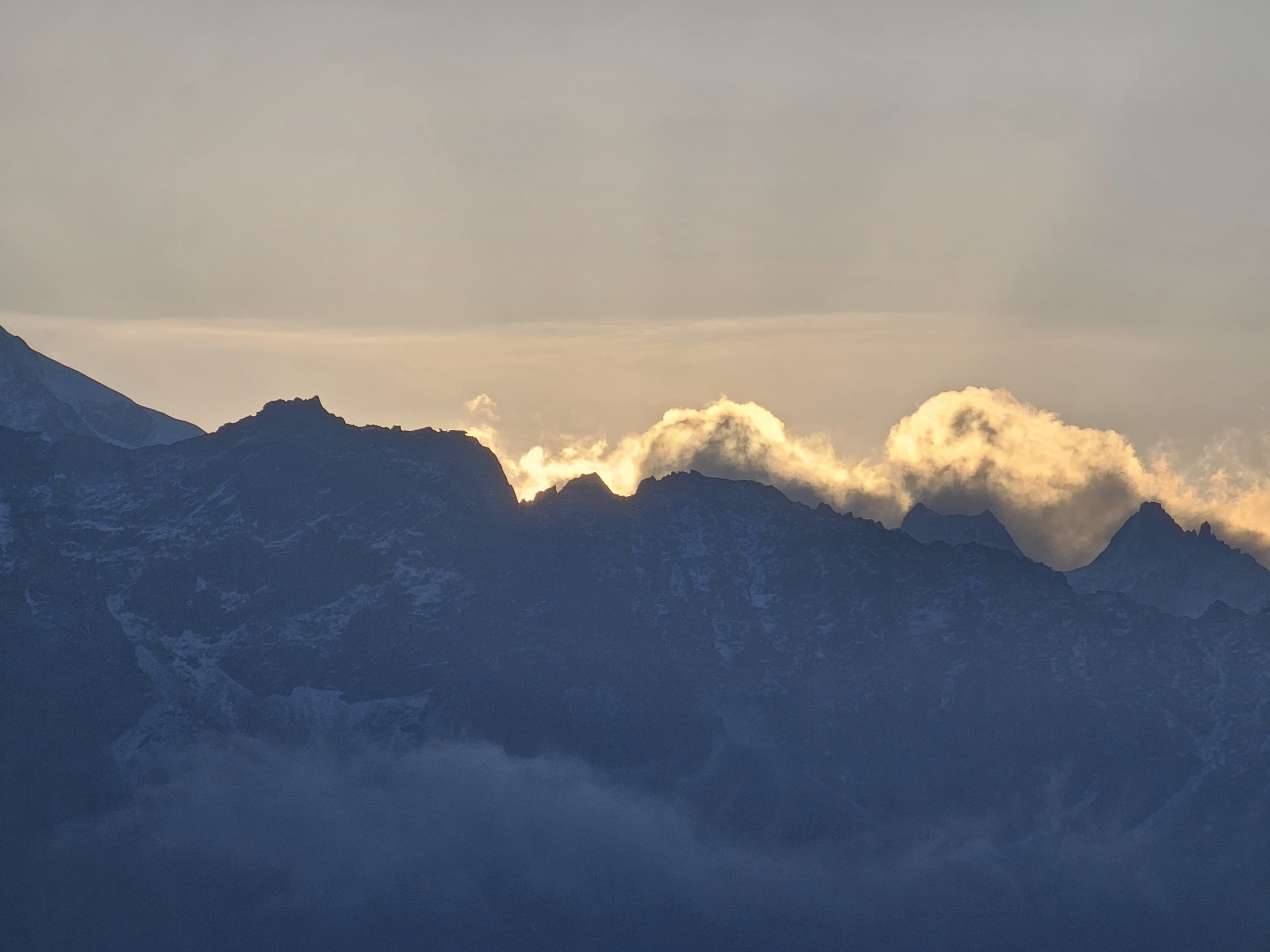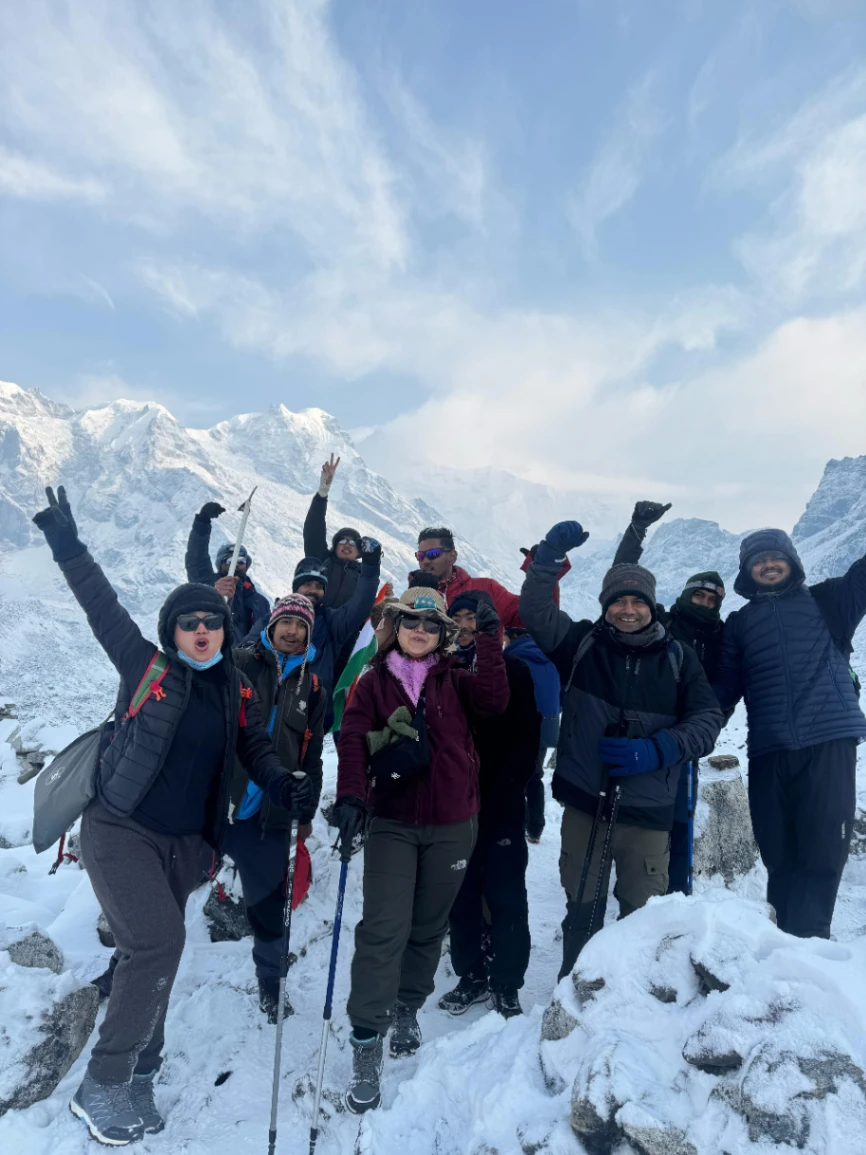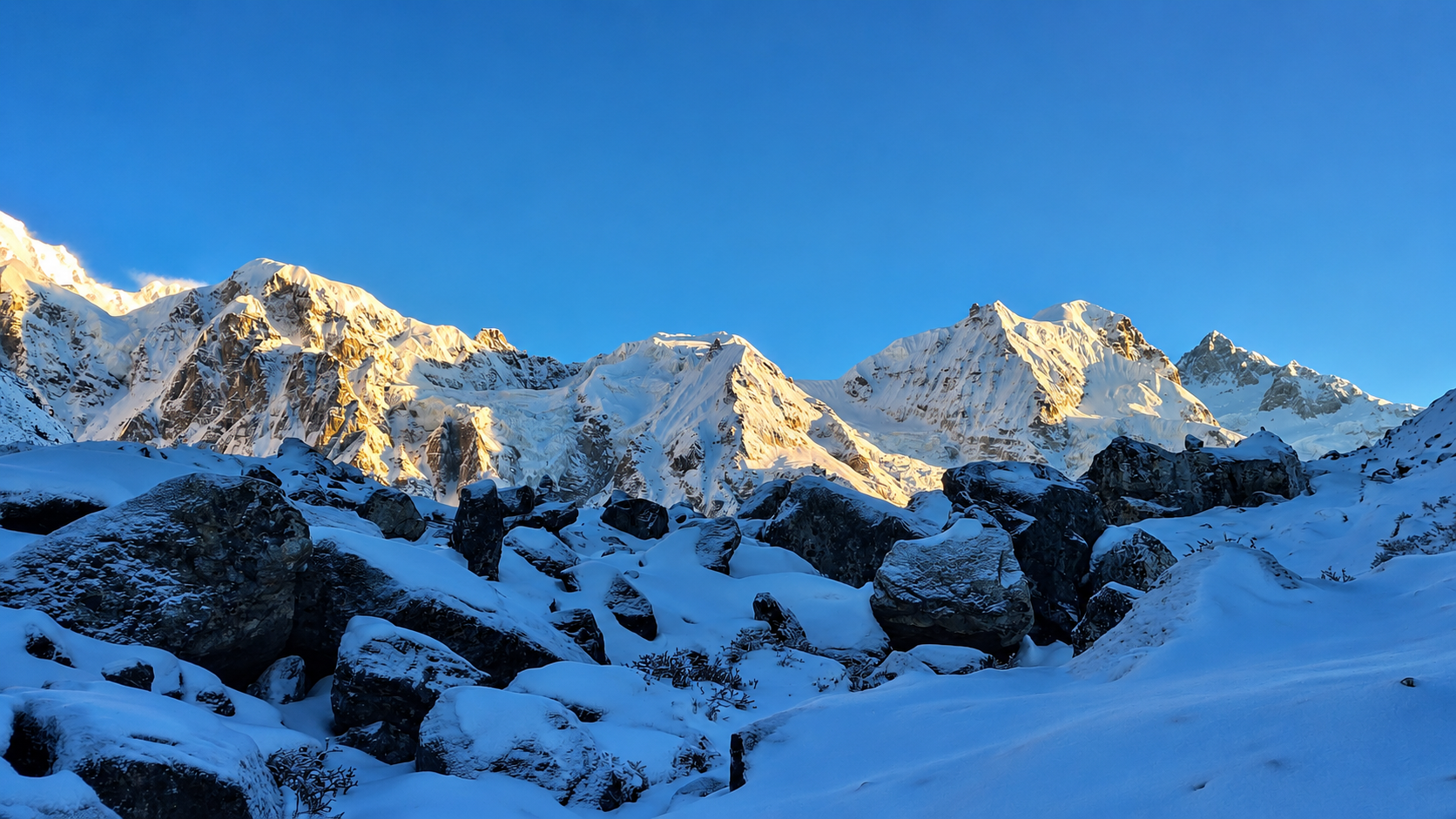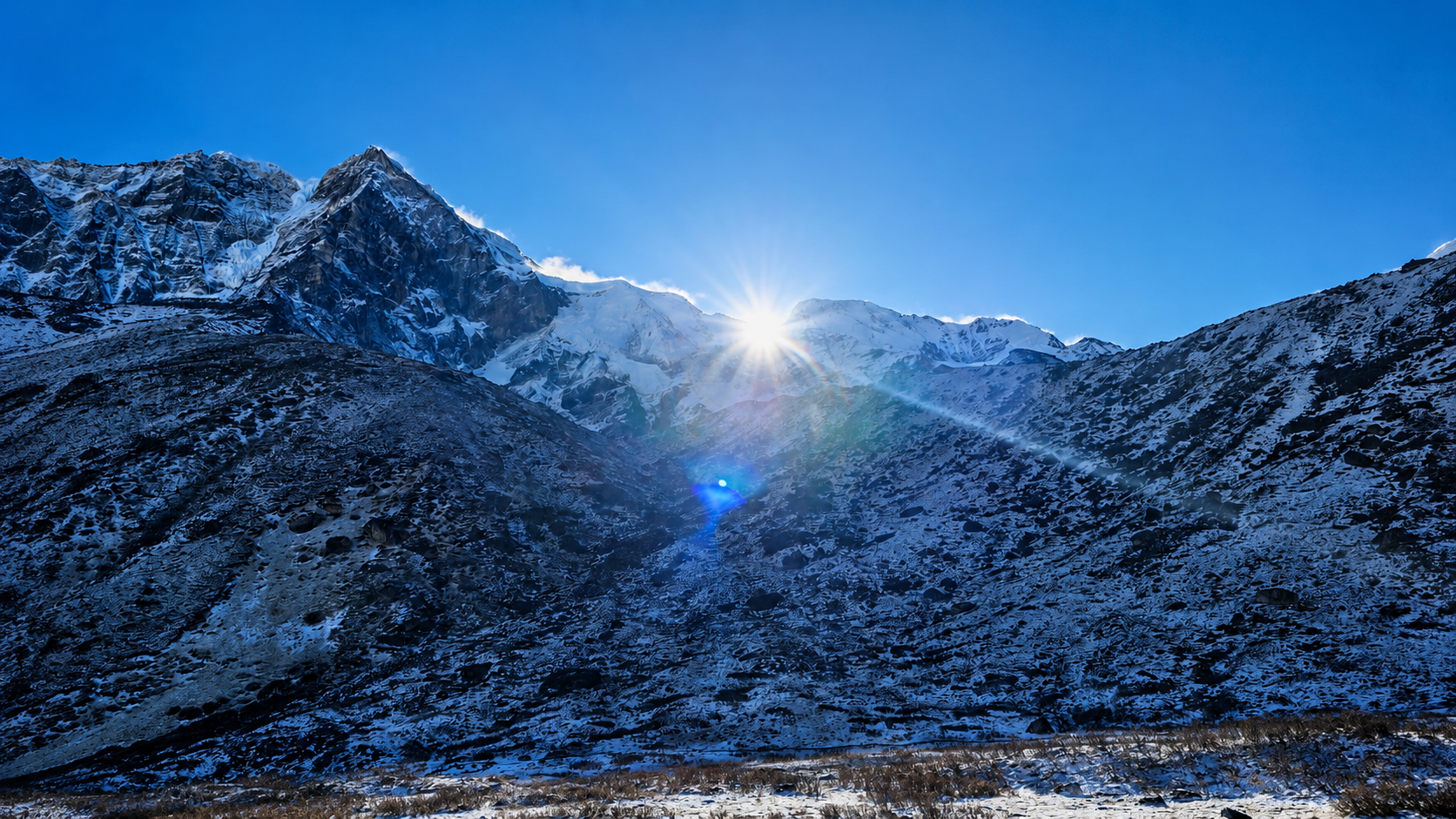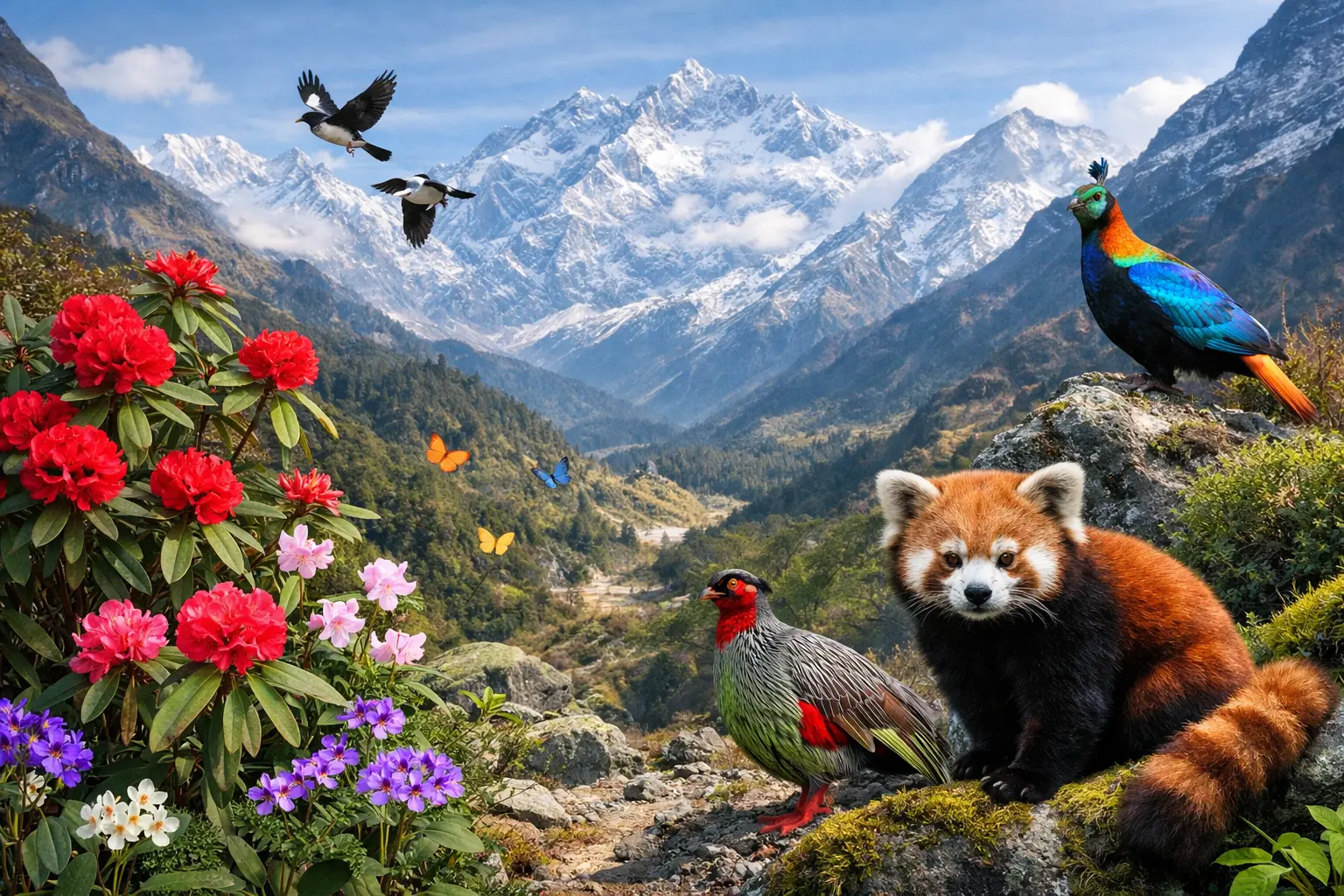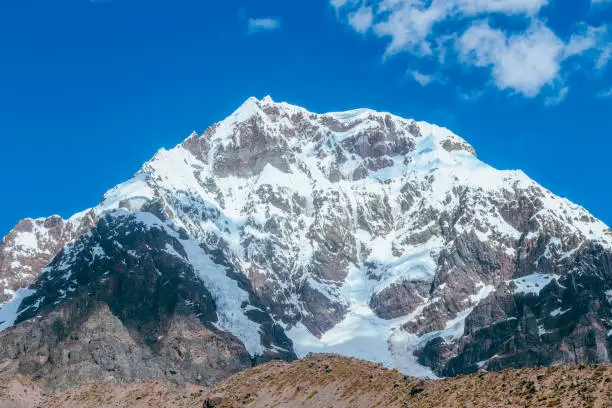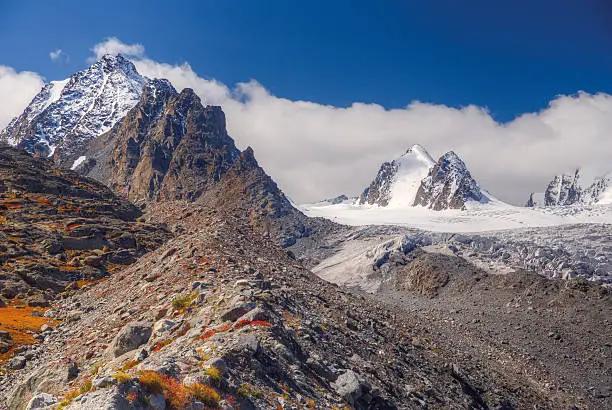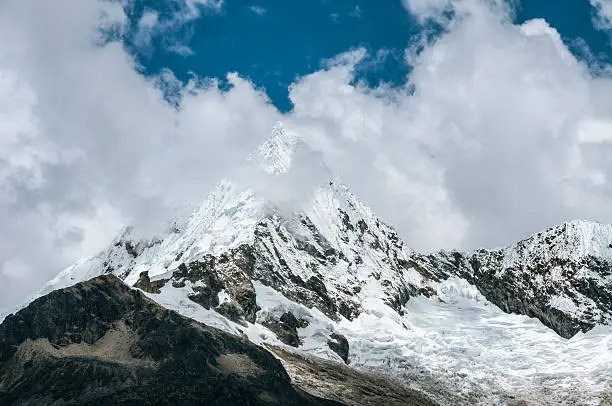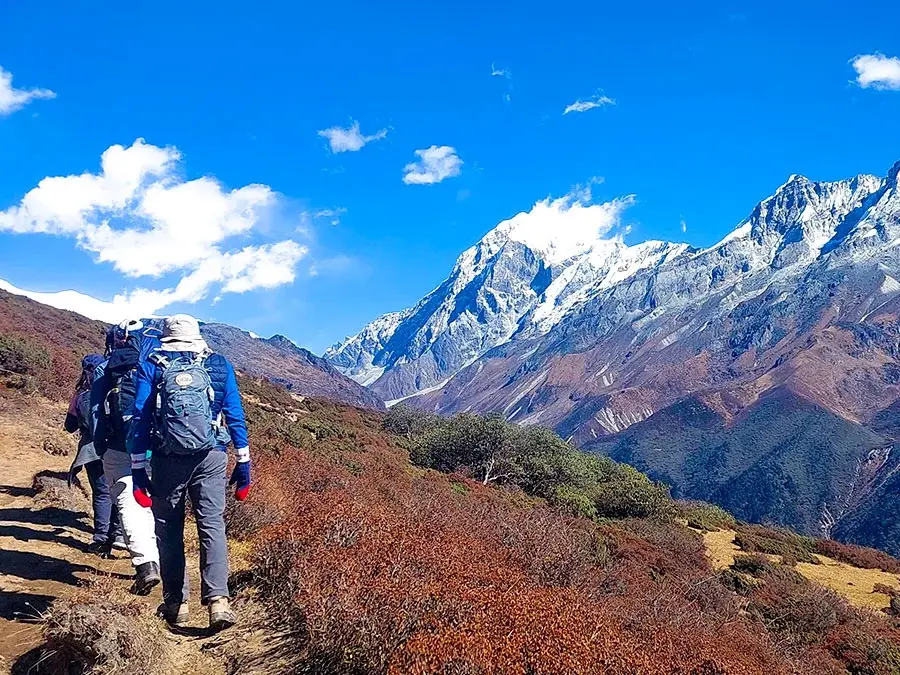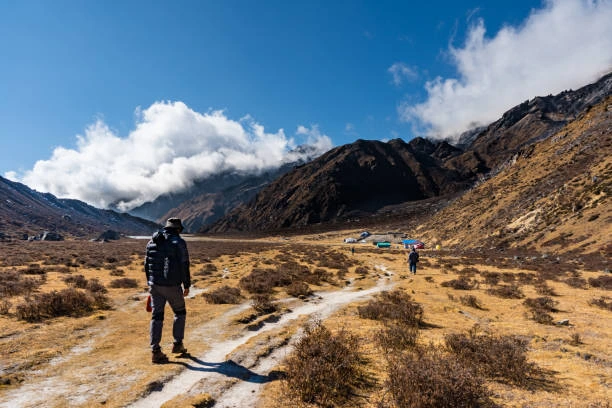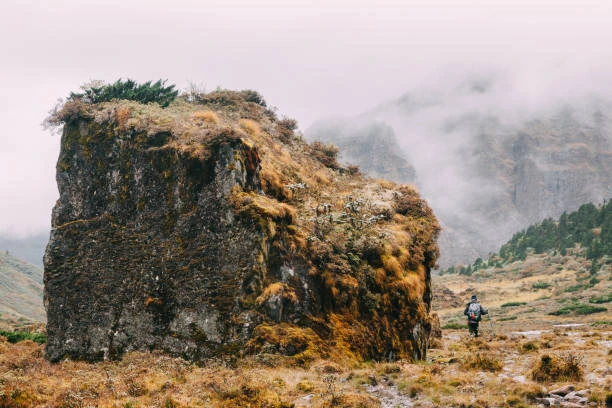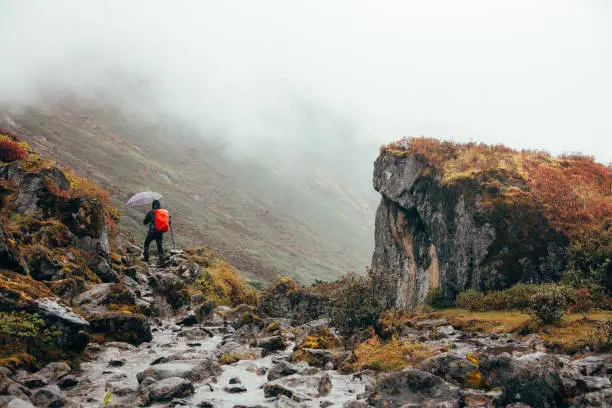
The goechala trek indiahikes trail is a well developed hiking trail of high altitude that is handled in controlled practices in regard to safety, acclimatization and logistics of the camping site. It is in the Sikkim and runs along the thick forests, glacial canyons and open scenery and reaches the base of Mt. Kanchenjunga. To the United States trekkers, the worth lies in the transparency of the realisation of patterns of tracks, the distribution of campsites, the familiarity with the ground, and normalisation of safety precautions being applied by groups under the management of Indiahikes. The reason is informational: no frills. This manual will include the route, accommodation arrangements, risk mitigation strategy, weather conditions and operation policies.

Introduction to Goechala Trek Route
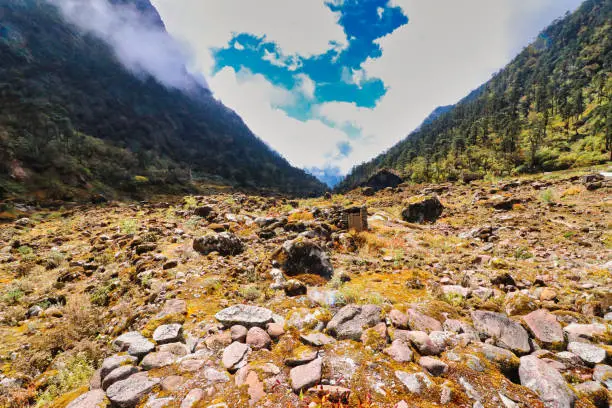
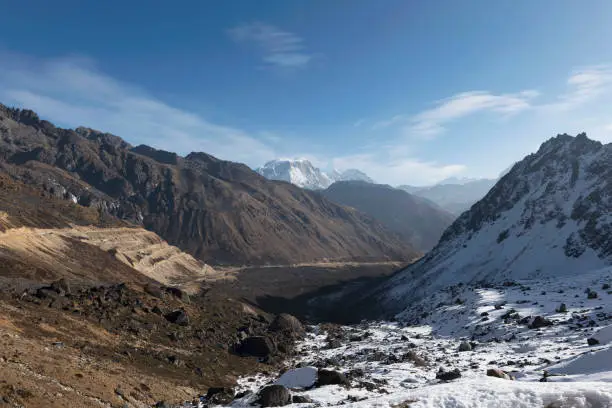
The goechala trek indiahikes trail entails forest strips, river crossings, meadow and high ridges. Elevation gain is steady. On the top of the sight, mountaineers are looking at the Kanchenjunga massif. They are daily and physically demanding half days.
Table 1: Core Route Metrics
| Category | Details |
| Maximum Altitude | ~15,100 ft (View Point 1) |
| Total Distance | 45–50 miles round-trip |
| Ideal Duration | 8–10 days |
| Difficulty Level | Moderate–Hard |
| Best Seasons | April–June, Sept–Nov |
Day-Wise Route Structure
Day 1 – Yuksom Arrival
Start with the required ID checking and briefings. No trail movement on this day.
What Happens
- Gear check
- Health screening
- Stay in basic lodge rooms
Day 2 – Yuksom to Sachen
Slowly walk in the woods and bridges. Humid and shaded terrain.
Trail Features
- Wet forest path
- Narrow bridges
- Leeches in monsoon
Day 3 – Sachen to Tshoka
Long ascent. Continuous wood and wooden stairs.
Highlights
- Pre-monsoon rhododendron in flower.
- Preeminence of the first kind.
- Overnight camping in organised camp.
Day 4 – Tshoka to Dzongri
Scientific acclimatization climb. Rocky, continuous ascent.
Notes
- Sharp increase in altitude
- Cold conditions
- High wind exposure
Dazongri Acclimatization Day Day 5
No forward movement. Controlled exposure to elevation.
Purpose
- Adaptation stabilization of breathing.
- Lessened risk of elevated illnesses.
Day 6 – Dzongri to Thansing
Free meads, mountain view, valley of glaciers door.
Conditions
- Strong winds
- Long distances
- Cooling down after the setting of the sun.
Day 7 – Thansing to Lamuney
Coldest camp but it is the shortest day.
Key Points
- Rocky flats
- Glacier-fed streams
- Freezing of the night temperatures.
Lamuney Day 8 View Point 1 to View Point 1
Early-morning climb. Kanchenjunga was primarily believed to be in opinion.
Visibility Advantages
- Stable morning air
- Clear skyline
- Personal view of Kanchenjunga massif.
Day 9–10 – Return to Yuksom
Downward slopes which are long and backward.
H4: Physical Load
- Knee strain
- Fast descent pace
- Forest humidity returning
Stay Arrangements at the Goechala Trek
The goechala trek indiahikes program is an all stay program that has pre-existing infrastructural campsites.
Camping System
- High-quality dome tents
- Ground insulation layers
- Protection on the flysheet of the type of a double-wall.
Dining Setup
- Seated dining tents
- Hot meals
- Purified water
Sanitation
- Dry toilet tents
- Waste-management protocol
- Zero-litter compliance
Table 2 – Campsite Overview
| Campsite | Approx. Altitude | Conditions |
| Sachen | 7,200 ft | Humid forest |
| Tshoka | 9,700 ft | Wind pockets |
| Dzongri | 13,000 ft | Cold, thin air |
| Thansing | 12,900 ft | Open mountain meadows |
| Lamuney | 13,700 ft | Harsh cold |
Safety Practices Implemented at Indiahikes
The goechala trek indiahikes adventure is directed by safety and medical practices that are well organized. These are the key systems of operation.
Health Monitoring
- Pulse oximeter reading twice a day.
- Blood pressure checks
- Symptom-reporting chart
Altitude Management
- Acclimatization day at Dzongri: Obligatory.
- Controlled pace
- Hydration enforcement
Weather Risk Handling
- Efforts to climb the mountain in the early morning.
- Sudden snow protocols
- Immediate descent rules
Emergency Response
- Evacuation planning
- Communication equipment
- Nearst road-head alarm system.
Terrain and Weather Conditions
Terrain Details
- Forest sections with roots
- Wooden bridges
- Boulder zones
- Alpine meadows
- Glacial riverbeds
Weather Pattern
- Cold nights all through the upper camps.
- Afternoon fog, morning clearness.
- Dzongri and Thansing: Breezing.
- Snow may fall in early spring and in late fall.
Gear Requirements
Clothing List
- Base layers
- Insulated jacket
- Waterproof shell
- Trekking pants
- Warm gloves and wool cap
- High-ankle trekking boots
Equipment
- Trekking poles
- Headlamp
- Water-purification tablets
- Backpack with rain cover
Food System on the Trek
Meal Structure
- Hot breakfast
- Packed or hot lunch
- Soup-based dinners
- Tea at campsites
Nutrition Type
- High-carbohydrate meals
- Limited fresh produce
- Occasional eggs
Direct Understanding Direct Quotes
The speed does not depend on the altitude, but rather discipline.
The Himalayas are not dangerous places to drive on by chance.
The mountain offers the limits; the walker gets accustomed to it.
FAQ
Are the goechala trek indiahikes beginner friendly?
No. It requires past experience and fitness in trekking.
To what is the ultimate point of view?
View Point 1 at roughly 15,100 feet.
Is Indiahikes an equipment supply company?
Yes, there are tents and half-equipment. Clothing must be personal.
Does it have trek washrooms?
They are not provided with concrete washrooms but dry toilet tents.
What are the pleasant seasons of clear views?
April June and September-November.
Conclusion
The goechala trek indiahikes program establishes an affordable, safety minded and logical network of paths to high altitude trekking in Sikkim. The trail offers periodic ascending and descending, designated camping places as well as the view of great Himalayas. The security measures are founded on the medical checkups, the managed rise and the habituality of the campsites. These standards can be used by the United States trekkers to enjoy a good organized visit in the Himalayas.