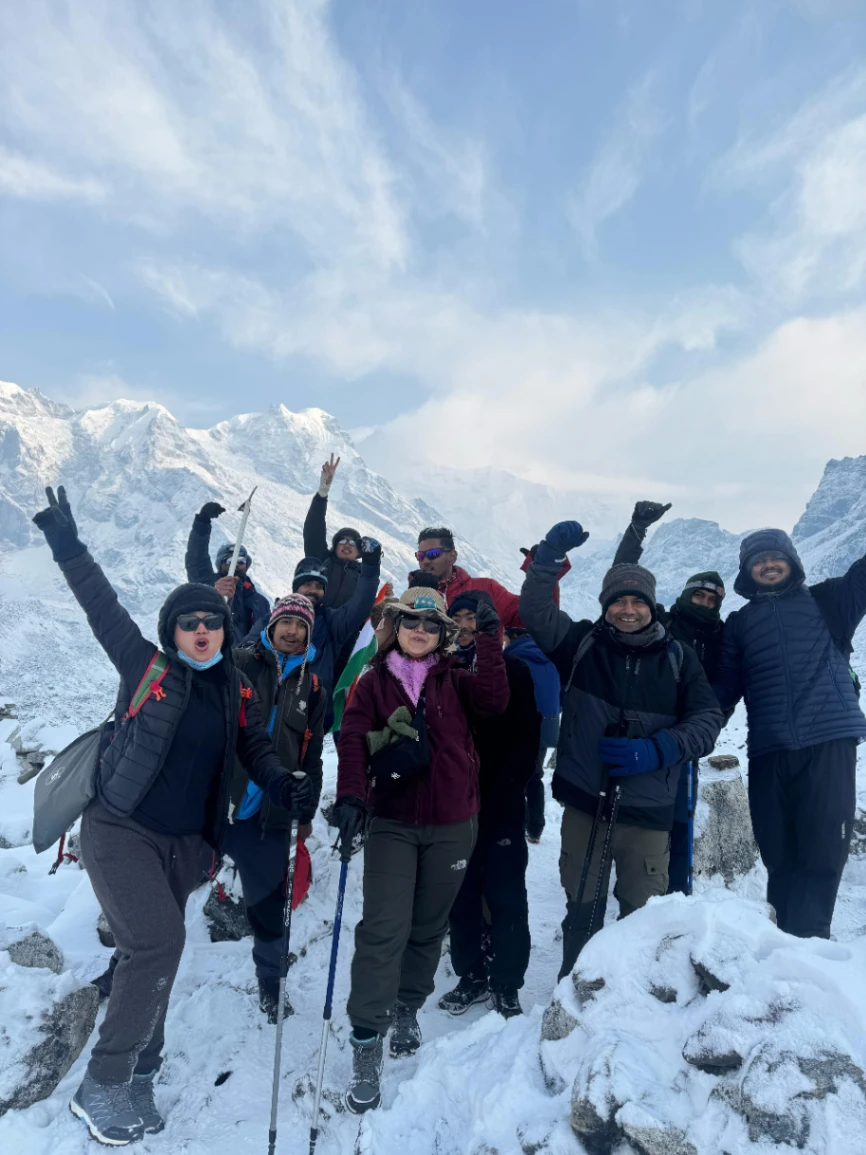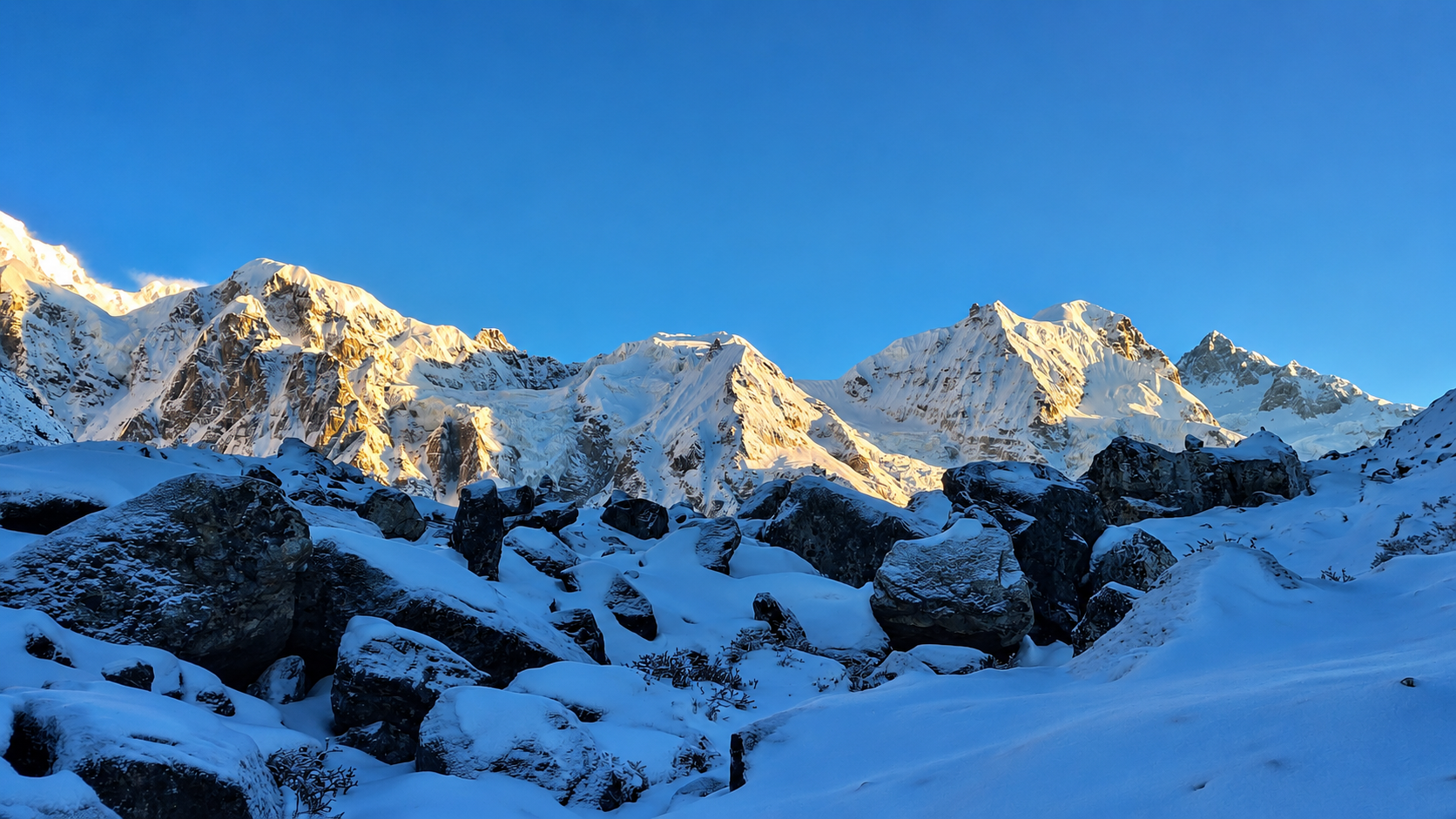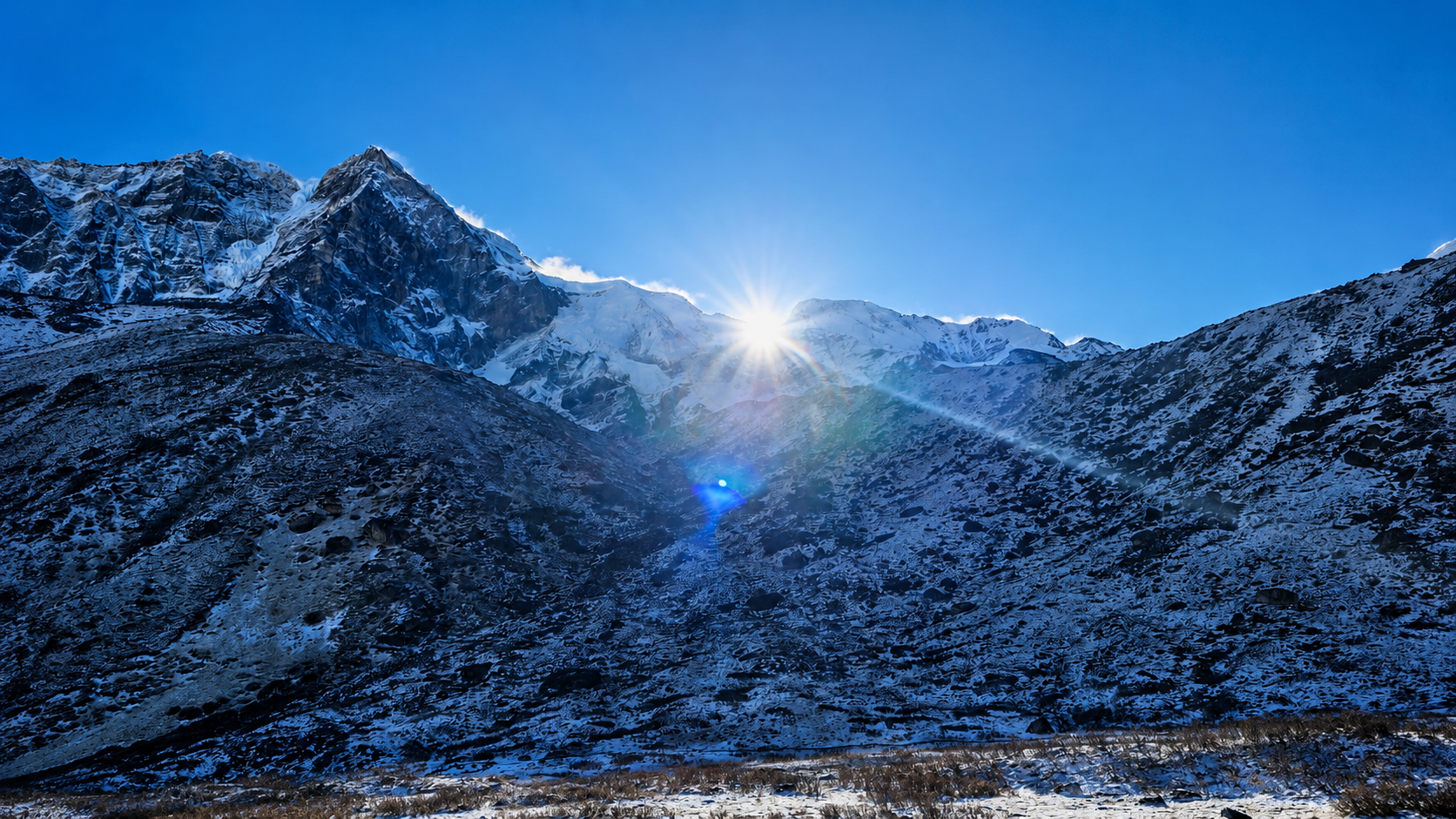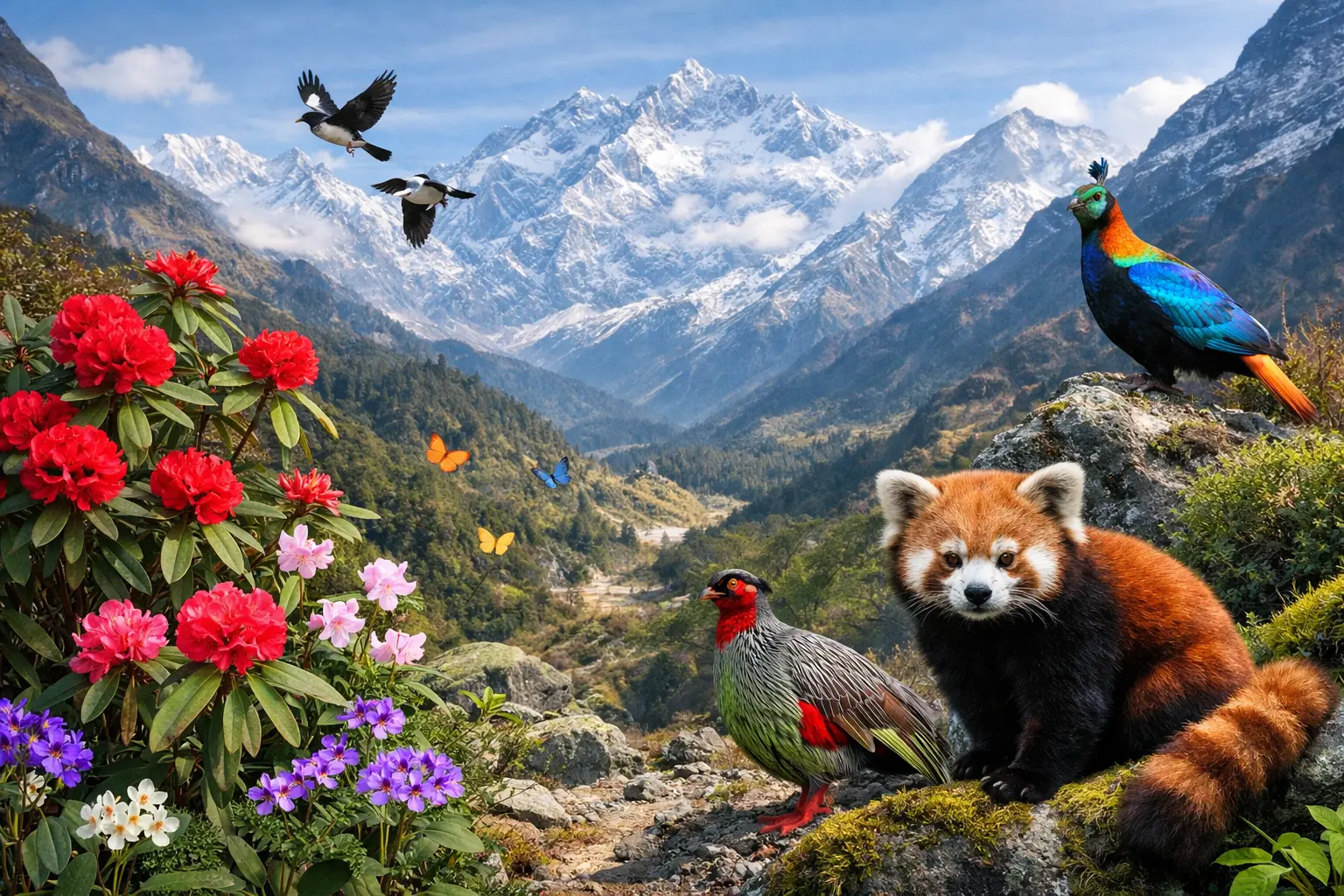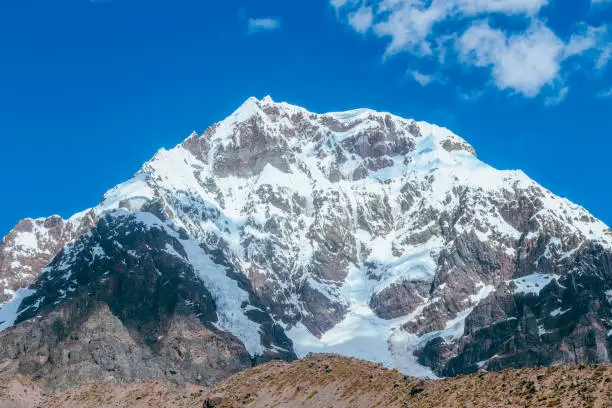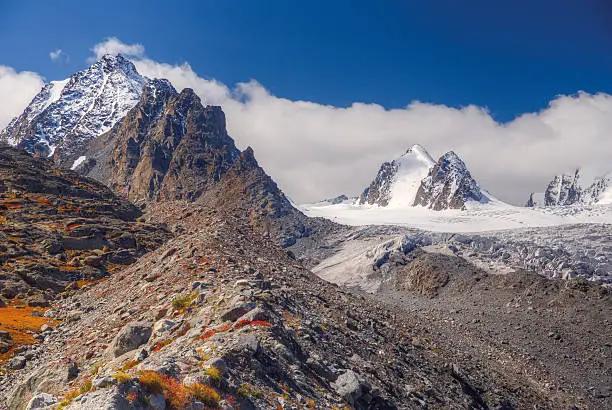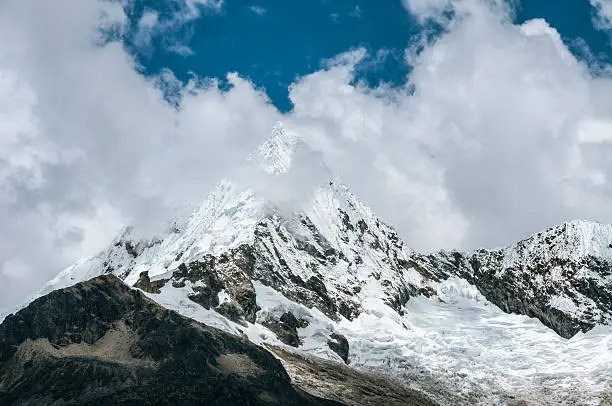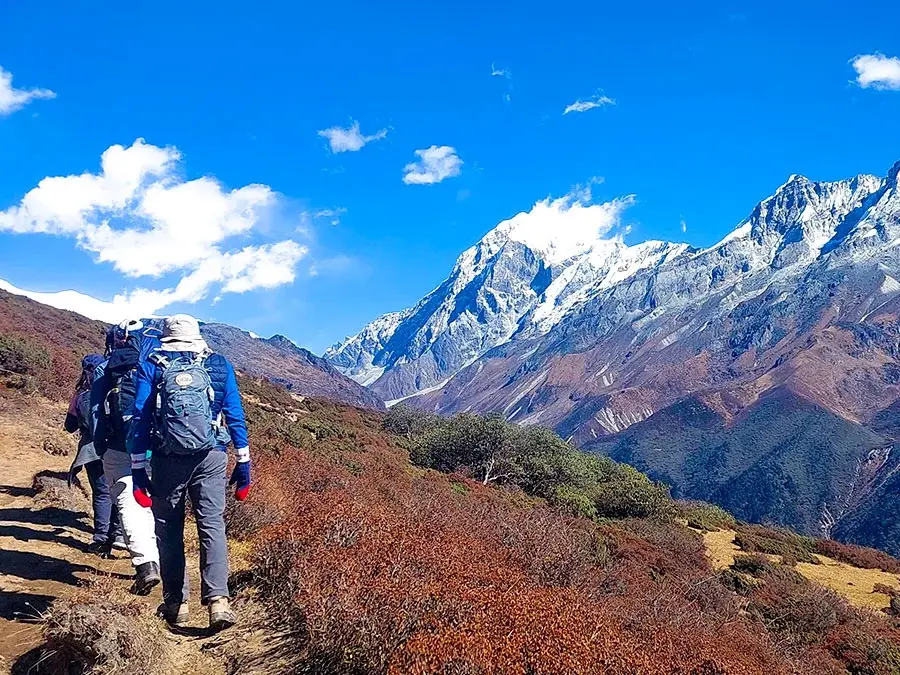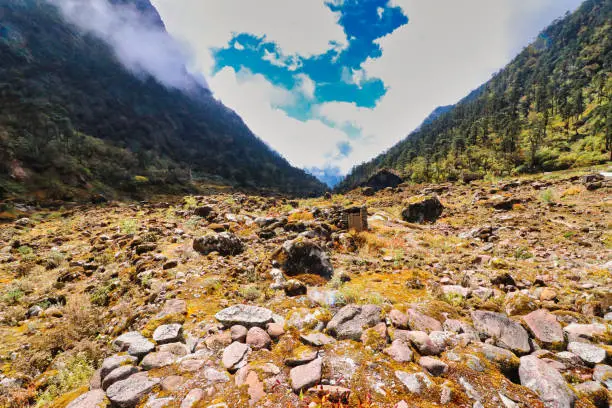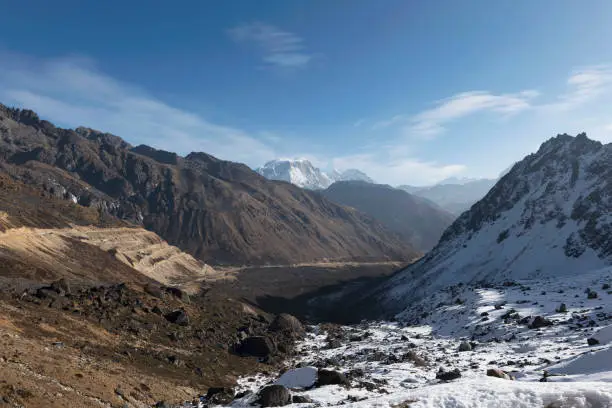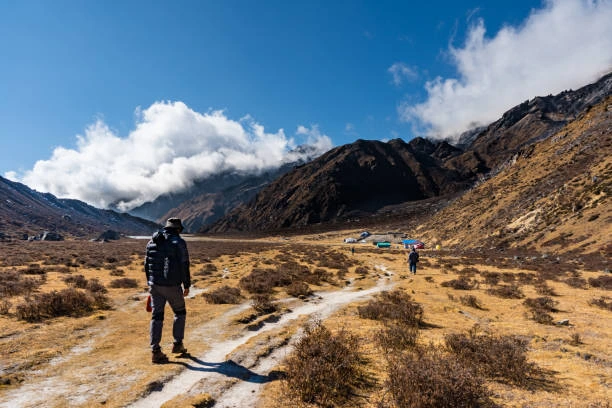
The goechala trek indiahikes trail is among the most beautiful high-altitude trails in India and it provides such close scenery of the Mt. Kanchenjunga and the dramatic Himalayan scenery of Sikkim. This trip is commonly referred to as being full of beautiful forests, alpine plains, and glacial perspective. The trail provides the perfect combination of challenging ascents, safe acclimatization patterns and properly arranged logistics to many first-time Himalayan trekkers in the United States with Indiahikes. Through this guide, the entire day by day itinerary, the altitude profile, the trail conditions are explained and what the trekkers can expect at each point of the journey.
One of the trekking organizations in India is indiahikes and their elaborate planning in the route can make the trekkers go through the Goechala trail safely. The goechala trek indiahikes itinerary is specifically undertaken in such a way as to properly handle the altitude, pacing and best introductions towards scenic exposures during the sunset and rise.

Introduction to Goechala Trek Indiahikes Route
The goechala trek indiahikes trip typically spans over 8–10 days traversing woodland, rhododendron valleys, open grasslands, glacier areas and the ultimate vistas close to the Kanchenjunga massif. The overall distance of the trek is 40-50 miles, various conditions of the weather and route.
The route starts at Yuksom (5,700 ft) and then ascends consistently to Dzongri and even to the View Point 1 which is the nearest destination that trekkers can access when heading to Goechala.
Table 1 – Core Trek Summary
| Category | Details |
| Starting Point | Yuksom (5,700 ft) |
| Highest Point | View Point 1 (~15,100 ft) |
| Total Duration | 8–10 days |
| Total Distance | 40–50 miles |
| Best Season | April–May, Oct–Nov |
| Difficulty | Moderate–Challenging |
Goechala Trek Altitude Profile
The goechala trek indiahikes has a gradual and safe climbing profile to minimize the dangers of the altitude sickness. The ascent between the wooded areas of Yuksom and the high meadows of Dzongri gives one of the best acclimatization changes in the Indian Himalayas.
Major Altitude Points
Yuksom – 5,700 ft
Sachen – 7,200 ft
Tshoka – 9,700 ft
Dzongri – 13,000 ft
Dzongri Top – 13,675 ft
Lamuney – 13,700 ft
View Point 1 – ~15,100 ft
Pacing and hydration become important up the mountain as trekkers ascend over 9,000 feet in elevation since the base to the summit of the highest view point.
Table 2 – Breakdown of Altitude Gain
| Day | Location | Altitude | Notes |
| Day 1 | Yuksom | 5,700 ft | Forest zone. |
| Day 2 | Sachen | 7,200 ft | Gradual gain |
| Day 3 | Tshoka | 9,700 ft | Climbs on the steepers. |
| Day 4 | Dzongri | 13,000 ft | Big acclimatization site. |
| Day 5 | Dzongri Top | 13,675 ft | Sunrise point. |
| Day 6 | Lamuney | 13,700 ft | Glacial undercarriage. |
| Day 7 | View point 1 | Approx. 15,100 ft | Closest Goechala approach. |
Goechala Trek Indiahikes: Breakdown of Itinerary
The day-to-day plan as adhered to the format of standard goechala trek indiahikes is described below.
Day 1 – Arrival in Yuksom (5,700 ft)
The historical capital of Sikkim is Yuksom and this is where the trek begins. Trekkers have access to this place either through road or by air at Bagdogra Airport or NJP Railway Station.
What to Expect
- Permit in the local forest department.
- Gear check and briefing
- Guest house accommodation.
- Moderation of weather conditions.
Day 2 – Yuksom to Sachen (7,200 ft)
Distance: 5 miles
Time: 5–6 hours
Trail Conditions
- Gentle forest walk
- Suspension bridges
- River fords over the Prek Chu.
Highlights
- Dense oak and pine forest
- Cool, shaded trails
- Chirping Himalayan birds
Day 3 – Sachen to Tshoka (9,700 ft)
Distance: 4–5 miles
Time: 6–7 hours
Trail Conditions
It is a day that features the most serious climb so far as trekkers climb Sachen, then Bakhim and end up Tshoka.
Highlights
- Then panoramic glimpses at mountain ridges.
- Tibetan-style huts at Tshoka
- Rhododendron flowers (spring time)
Day 4 – Tshoka to Dzongri (13,000 ft)
Distance: 6 miles
Time: 6–7 hours
Trail Conditions
- Long ascent
- Wooden log trails
- Rhododendron wood that grows all red in the spring.
Highlights
- The most picturesque part of the forest of Trek.
- Dzongri, the high Meadow of the Alps.
- Initial symptoms of alterations of altitude.
Day 5 – Acclimatization Day + Dzongri Top (13,675 ft)
In their quest, trekkers hike to Dzongri Top during sunrise so as to have a scenic view of the Kanchenjunga range.
Highlights
- Mt. Pandim
- Mt. Kabru
- Kanchenjunga massif
Why This Day Matters
This is the greatest acclimatization phase in the goechala trek indiahikes plan, where the body gets a time to acclimatize before ascending to a high plane.
Day 6 – Dzongri to Thansing (12,900 ft)
Distance: 6 miles
Time: 6 hours
Trail Conditions
- Meadows
- Valley descent
- monotonous plains with chilly winds.
Highlights
- Clear views of Mt. Pandim
- The hiking across the broad meads.
- Valley floor camping
Day 7 – Thansing to Lamuney (13,700 ft)
Distance: 2 miles
Time: 2–3 hours
A short and yet significant stroll.
Highlights
- Glacier proximity
- Quiet alpine terrain
Importance
Trekkers are required to take early rest in preparation of the summit push at pre-dawn.
Day 8 – Lamuney to View Point 1 (app. 15,100 ft) and return to Kokchurang
Distance: 9 miles
Time: 7–9 hours
Trail Conditions
- Rocky path
- Cold temperatures
- Thin air
Highlights
- Famous sunrise with Kanchenjunga in the background.
- The dramatic wall of Goechala glaciers.
- Among the most favored points of view in Sikkim.
This is the maximum limit of the trekkers because of the environmental regulations.
Day 9 – Kokchurang to Tshoka
Long but picturesque down walk.
Day 10 – Tshoka to Yuksom
Going down again through woodland where the trail was started.
Can the Goechala Trek Indiahikes Be Considered a Unique Experience?
Green Trekking Philosophy
Indiahikes promotes:
- Minimal plastic
- Green Trails program
- Collection of waste by trekkers.
Campsite Quality
There is indiahikes camp that is characterized by:
- Hygienic kitchen tents
- Well-managed toilet tents
- Clean sleeping tents
Safety Protocols
- Pulse oximeter twice a day
- Tough altitude safety regulations.
- Wilderness first aid certified leaders of Trek.
Season and Weather Conditions
The weather is a significant factor in goechala trek indiahikes.
Spring (April–May)
- Rhododendrons in full bloom
- Mild temperatures
- Clear morning skies
Autumn (October–November)
- Best mountain visibility
- Cold nights
- Stable weather patterns
Winter (December–February)
- Heavy snow
- Possibilities of trail closure.
Monsoon (June–September)
- Landslides and leeches are not recommended.
Table 3 – Things to Look Forward to in a Day
| Day | Experience with the Most Importance | Challenge |
| 1 | Arrival & briefing | Easy |
| 2 | Forest walk | Easy–Moderate |
| 3 | Steep climb | Moderate |
| 4 | Long ascent | Hard |
| 5 | Acclimatization | Moderate |
| 6 | Valley walk | Easy |
| 7 | Short ascent | Easy |
| 8 | Altitude pushup | Highly challenging |
Packing and Gear Requirements
Essential Gear
- High-ankle trekking boots
- Padded jackets and microfleece jackets.
- Waterproof outer layers
- Gloves and woolen caps
- Extra batteries on the headlamp.
- Sleeping bag (sub-zero rated)
Recommended Add-Ons
- Trekking poles
- Quick-dry socks
- Electrolytes
- Power banks
- Sunglasses and sunscreen
Quotes for Motivation
Speed will not be rewarded in high altitude. It rewards patience.
The mountains at Goechala appear so close that they can be touched.
Each of the steps in this trail teaches one something about strength and silence.
FAQ
The goechala trek indiahikes route is difficult how?
It is moderate to difficult, and it is appropriate to those trekkers who have basic fitness.
What is the peak that is attained in the walk?
View Point 1 at around 15,100 ft.
Are inexperienced individuals able to undertake goechala trek indiahikes itinerary?
Yes, in 6 -8 weeks of preparation and good cardio training.
Which time of the year should the trek be undertaken?
Spring (April May), and autumn ( October November).
Does it pose a significant threat of altitude sickness?
Very little pacing and hydration is observed.
Conclusion
The goechala trek indiahikes route has provided an amazing experience on the forest trails, alpine meadows, and glacial perspectives of Sikkim. The United States trekkers have the option of enjoying one of the best Himalayan adventures in India due to a well-spaced itinerary, an altitude profile that is safe and organized campsites that will make the experience an adventure to look forward to. The spectacular sunrise, the exquisite mountain range and the professional eco-friendly nature of the Indiahikes makes this trek worth remembering and rewarding. The Goechala trail, with the right preparation and knowledge of the daily breakdown, can be a safe and magnificent introduction to high-altitude trekking to the trekkers.