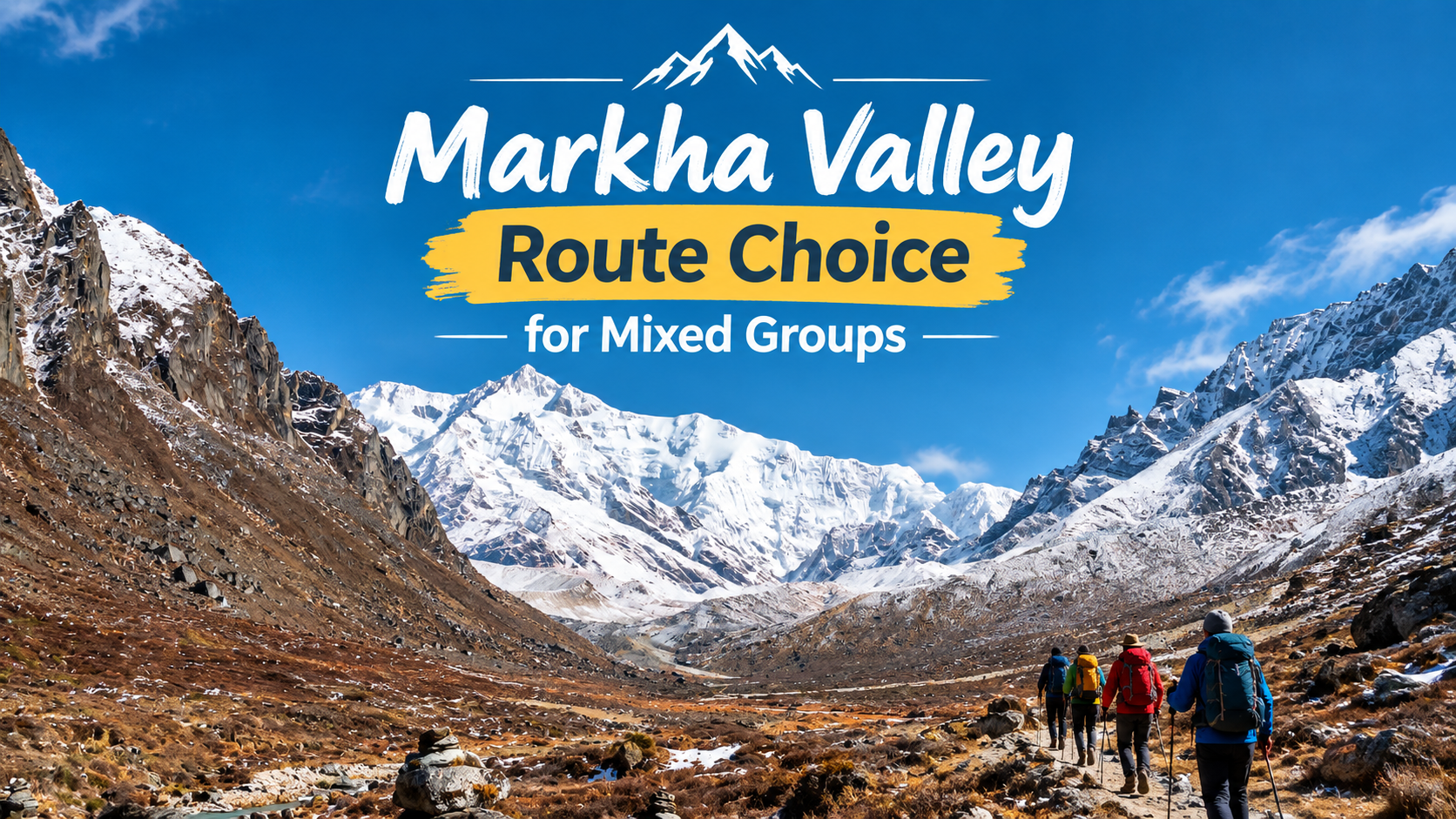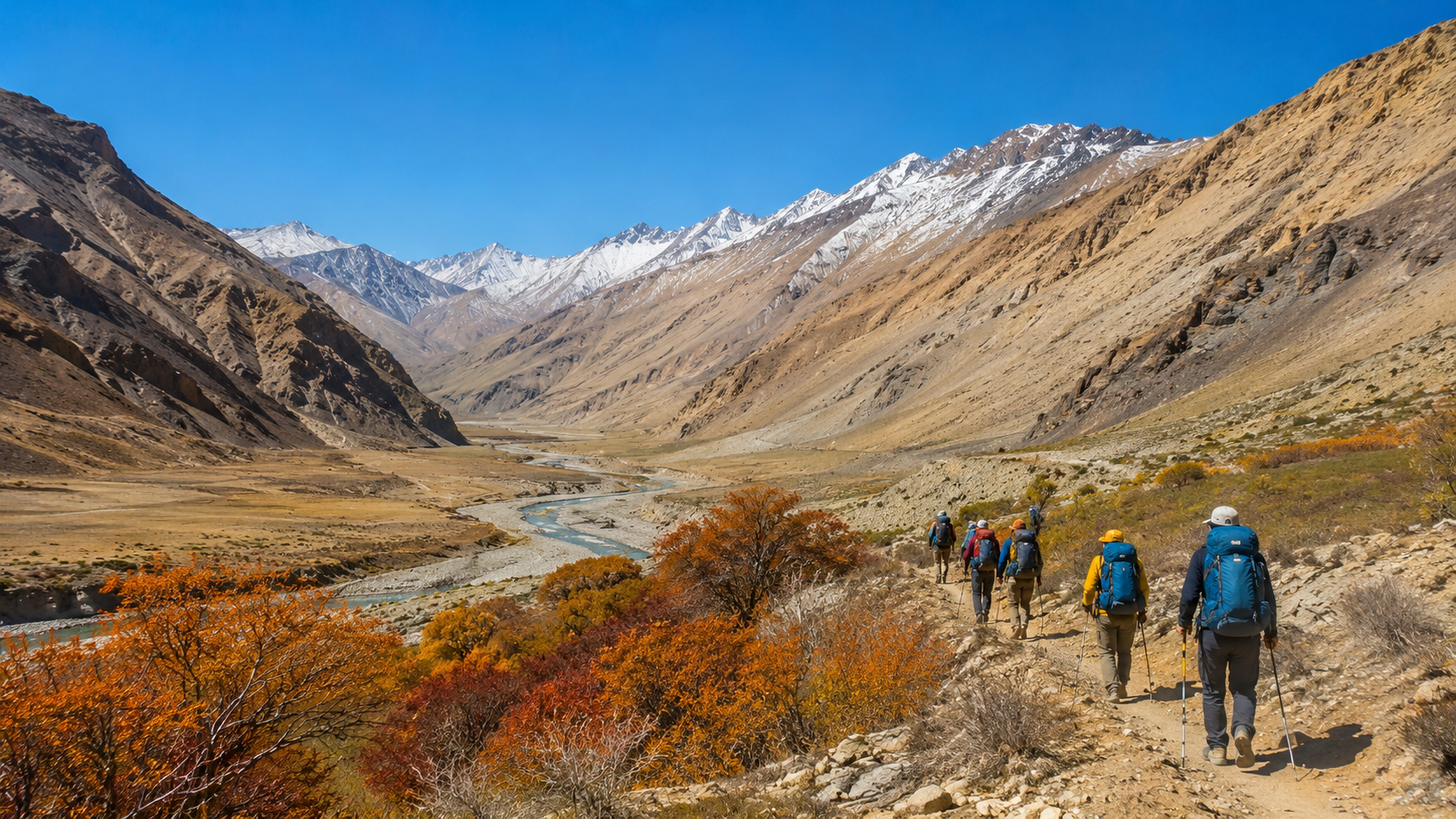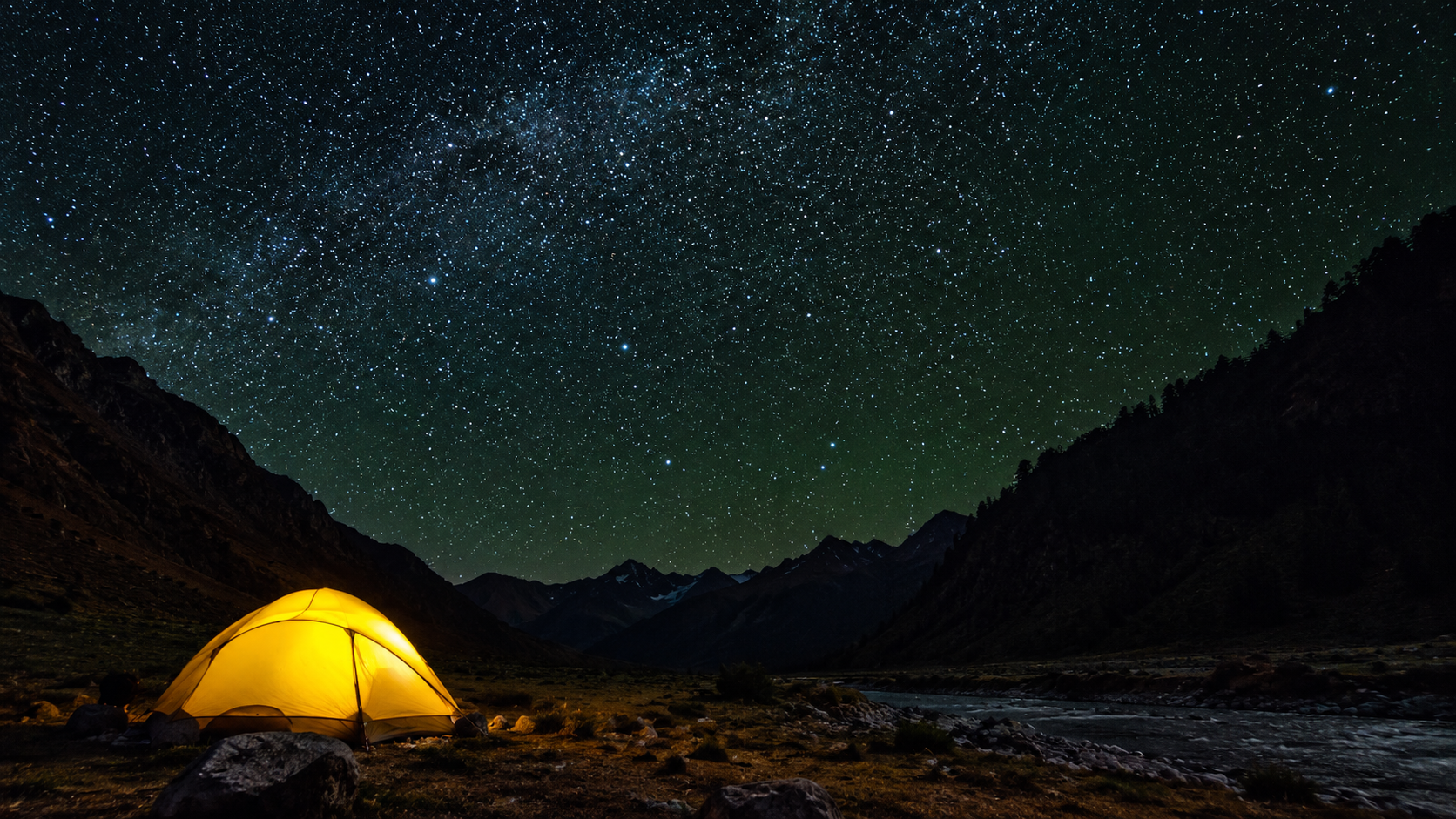
Stepping out of your tent into the freezing, high-altitude crispness of Ladakh while thousands of diamond-like stars blanket the pitch-black night sky is an experience that stays with you for a lifetime. The Markha Valley Trek in Hemis National Park is world-renowned for its dramatic canyons, ancient monasteries, and vibrant cultural immersion. However, once the sun sets behind the towering cliffs of the Zanskar and Ladakh ranges, a different kind of magic—and routine—takes over.
If you are wondering what happens after the day’s trek ends and how camping actually works in this remote rain-shadow region, this comprehensive guide breaks down everything you need to know about sleeping arrangements, meal times, toilet facilities, hygiene, charging, and nighttime camp entertainment.
1. Sleeping Arrangements: Tents, Warmth, and High-Altitude Comfort
On the Markha Valley Trek, nights are spent in high-quality, sturdy dome tents pitched in designated campsites or scenic river-valley meadows like Sara, Markha, Hankar, and the sweeping high-altitude pasture of Nimaling.
- Tent Setup: Operations teams provide double-occupancy or single-supplement spacious alpine tents. These are wind-resistant and designed to handle sudden mountain gusts. Inside, thick foam camping mattresses or inflatable sleeping pads are laid out to insulate you from the cold ground.
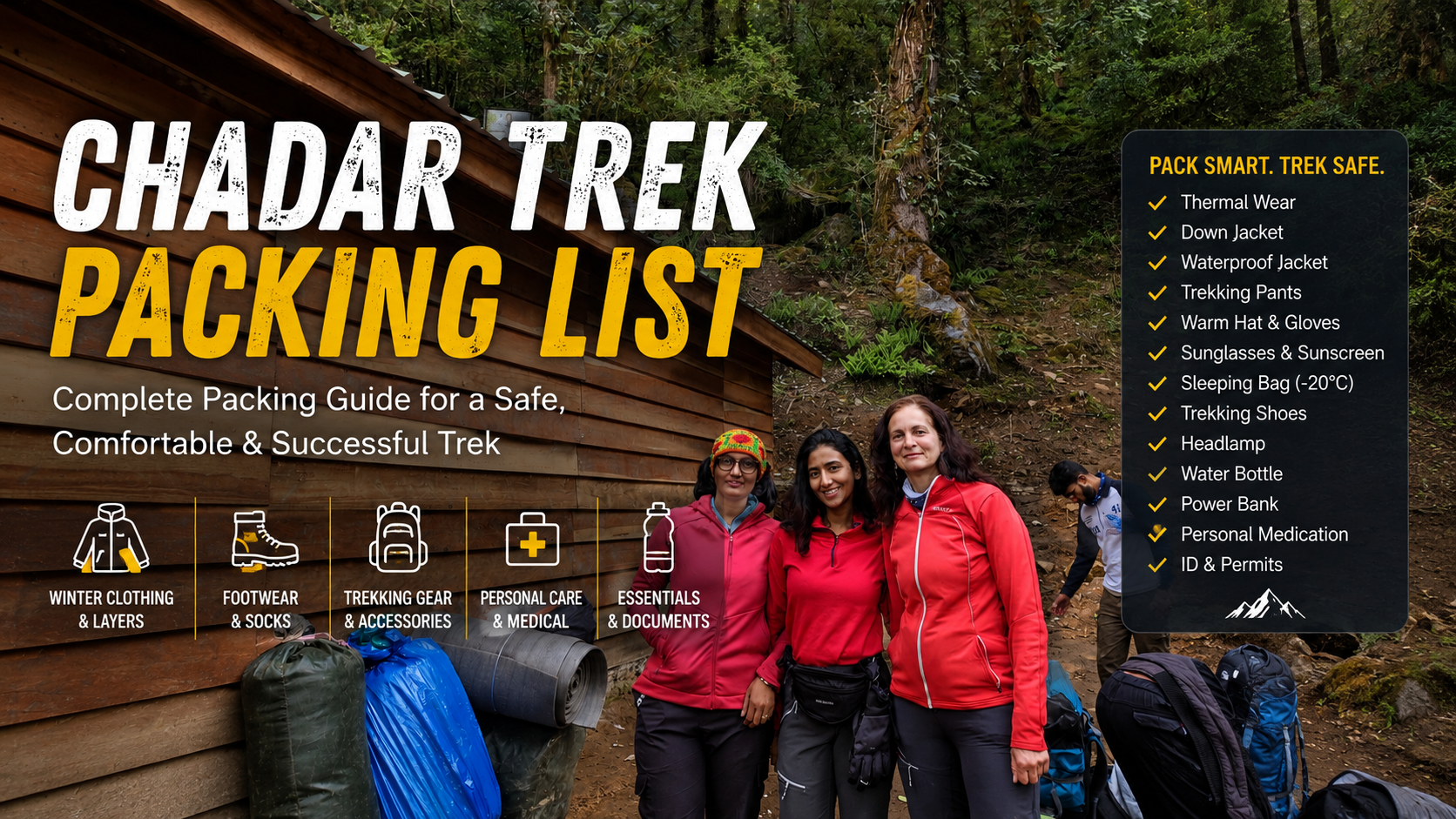
- Sleeping Bags: You will need a sub-zero rated sleeping bag (comfort rating down to -10°C to -15°C), as night temperatures in Ladakh drop drastically—even dipping below freezing at high camps like Nimaling.
- The Sleep Experience: Falling asleep to the distant murmur of the Markha River or the absolute silence of the high desert is deeply peaceful. Dressing in thermal layers, wearing a woolen beanie, and keeping a hot water bottle inside your sleeping bag ensure a cozy night’s rest.
2. Toilet Expectations: What to Prepare For
Sanitation and restroom facilities in the high Himalayas require a shift in perspective, but professional trekking agencies maintain structured hygiene standards:
- At Campsites: Dedicated toilet tents are set up away from water sources and dining areas. Inside these tents is a portable pit toilet or trench system. A bucket of soil or sand is provided to cover after use, ensuring eco-friendly decomposition and odor control.
- Along the Trail: During the day’s hike, restroom facilities are primarily nature-based. There are occasional stone homestays or tea stalls in villages like Skiu, Umlung, and Hankar where rudimentary facilities may be available.
- Eco-Discipline: As part of responsible trekking practices inside Hemis National Park, wet wipes and non-biodegradable trash must never be littered and must be packed back in your daypack.
3. Meals and Dining: Warmth from the Kitchen Tent
Even in remote landscapes, camp evenings revolve around a warm, communal dining tent where stories of the day’s trail are shared.
- The Dining Setup: A large mess or dining tent equipped with camp stools and a central table serves as the social hub. It keeps the chilling winds at bay while everyone gathers for meals.
- What’s on the Menu: Professional support teams prepare hot, freshly cooked, and highly nutritious meals. Expect a blend of Indian, Continental, and local Ladakhi dishes—ranging from steaming bowls of soup, rice, dal, and chapati to comforting noodle dishes, pasta, and porridge.
- Hydration: Clean, filtered, and treated drinking water is replenished at camp. Staying hydrated is critical for high-altitude acclimatization, so drinking warm herbal tea, ginger tea, or soup during camp hours is heavily encouraged.
4. Charging and Connectivity in the Wilderness
Remote trekking means stepping away from digital distractions, but modern logistics still accommodate basic needs:
- Electricity & Charging: Electricity is scarce or entirely absent at higher campsites like Nimaling and Hankar. Lower villages may offer rudimentary charging points at local tea houses for a small fee.
- Best Practice: Bring a high-capacity power bank and spare camera batteries. Keep your electronic devices tucked inside your sleeping bag or inner jacket pockets at night to prevent lithium batteries from draining rapidly in the sub-zero mountain cold.
- Connectivity: Mobile network coverage drops completely shortly after leaving Leh. Expect digital detox for the majority of the trek.
5. Hygiene Management Without Running Showers
With sub-zero night temperatures and scarce water resources, traditional hot showers are unavailable on the trail:
- Personal Hygiene Kits: Pack biodegradable wet wipes, hand sanitizer, dry shampoo, and toilet paper. A daily sponge bath using a bowl of warm water provided by the camp crew works wonders.
- Skin & Sun Protection: High-altitude air is intensely dry and dehydrating. Apply a rich moisturizer, lip balm with SPF, and cold cream before sleeping to protect your skin from chapping.
6. The Night Sky and Camp Entertainment
Once dinner wraps up, the high-altitude wilderness transforms into an open-air planetarium and social space:
- Stargazing Under a Clear Sky: Because Ladakh lies in a high-altitude rain shadow with virtually zero light pollution, the night sky over the Markha Valley is extraordinarily clear. Constellations, shooting stars, and the glowing band of the Milky Way stretch vividly across the peaks, offering an unmatched astrophotography and stargazing experience.
- Evening Activities: Camp entertainment is organic and deeply engaging. Trekkers gather around to play card games, share travel stories, exchange cultural insights with local guides, or step outside with headlamps and tripods to capture the majestic silhouette of Mount Kang Yatse under moonlight.
Why Choose Glacier Treks & Adventure?
Planning a high-altitude expedition through rugged terrain like Ladakh requires meticulous logistical support, safety protocols, and experienced leadership. Glacier Treks & Adventure ensures a seamless, safe, and culturally immersive journey through the Markha Valley:
- Experienced Mountain Leaders: Certified guides trained in wilderness first aid, high-altitude rescue, and mountain weather patterns.
- Top-Tier Equipment: Four-season resilient tents, thick insulation mattresses, and professional kitchen setups.
- Safety First: Daily medical monitoring with pulse oximeters, well-stocked first aid kits, and structured acclimatization itineraries.
- Responsible Tourism: Strict adherence to eco-friendly trail guidelines to preserve the pristine ecosystem of Hemis National Park.
Package Details & Cost of Glacier Treks & Adventure
- Trek Duration: 9 Nights / 10 Days (Starting and ending in Leh)
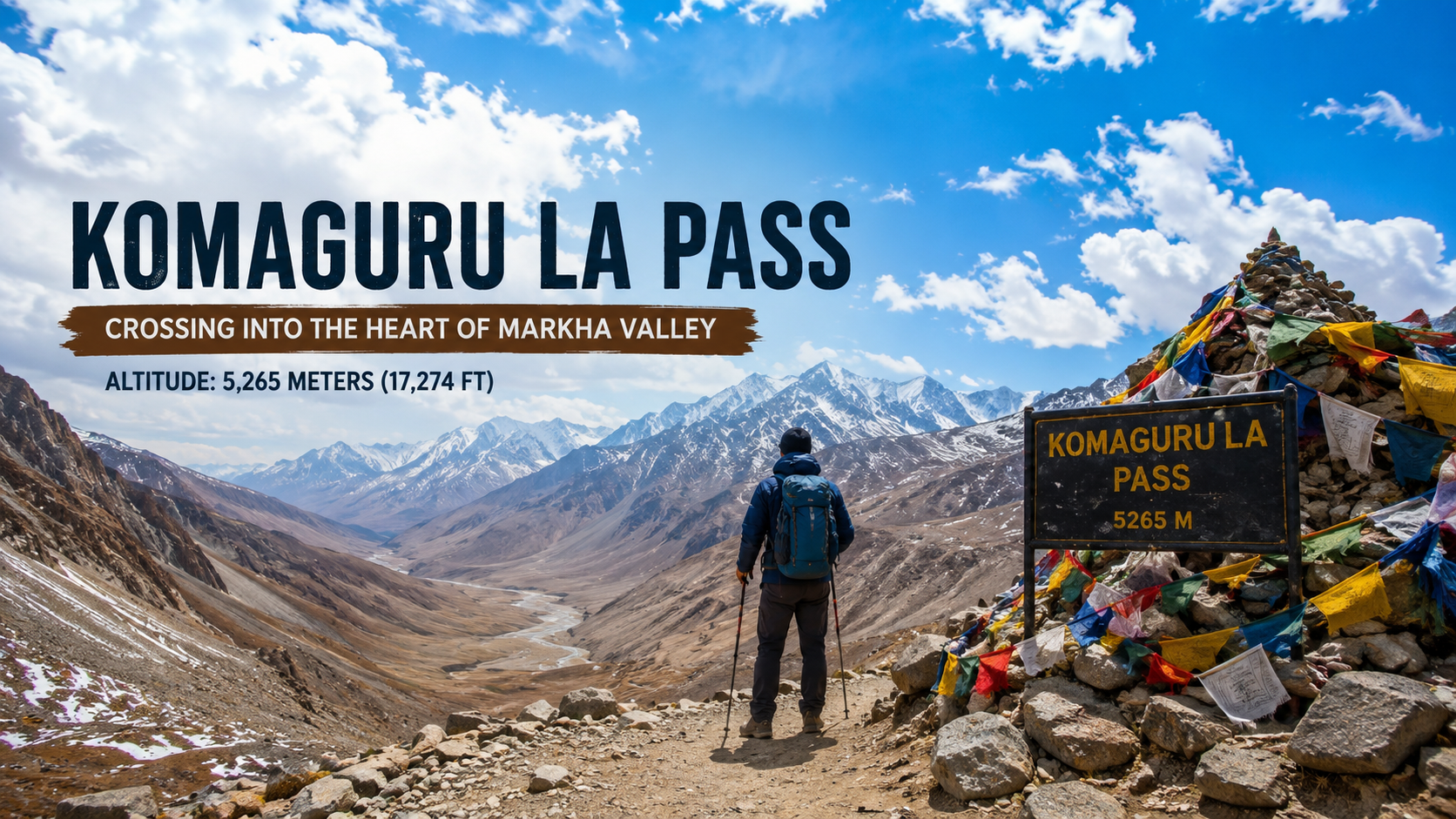
- Maximum Altitude: 5,400 meters (Kongmaru La Pass)
- Pricing:
- Indian Nationals: ₹40,000 per person
- Foreign Nationals: $900 per person
- Inclusions: Accommodation in hotels in Leh and high-quality tents on the trek, all meals from Leh to Leh, professional guides, cooks, support staff, camping gear, and necessary Hemis National Park permits.
Contact & Booking Details
Ready to experience the breathtaking starry nights and dramatic canyons of Ladakh? Book your adventure or speak with our operations team today:
- Website: Glacier Treks & Adventure – Markha Valley Trek
- Phone / Call: +91 7407248200
- Email: contact@trekinsikkim.in
Frequently Asked Questions (FAQs)
Q1: How cold do the nights get on the Markha Valley Trek?
Night temperatures drop significantly depending on the altitude. At lower camps like Skiu and Markha, temperatures hover around 5°C to 10°C, while higher camps like Nimaling frequently drop below freezing (0°C to -5°C or lower) during peak season.
Q2: Do I need to carry my own sleeping bag?
It is strongly recommended to bring your own high-quality sub-zero sleeping bag (-10°C rated) for optimal warmth and hygiene. However, check with the operations team if rental options are available in Leh.
Q3: Are toilet tents hygienic?
Yes, trekking agencies set up private toilet tents over deep pits at every campsite. Lime, soil, or ash is provided to cover waste, maintaining cleanliness and eco-friendly standards.
Q4: Can I charge my phone and power banks during the trek?
Electricity is extremely limited on the trail. Lower villages may have commercial charging spots for a nominal fee, but you should rely primarily on fully charged power banks brought from Leh.