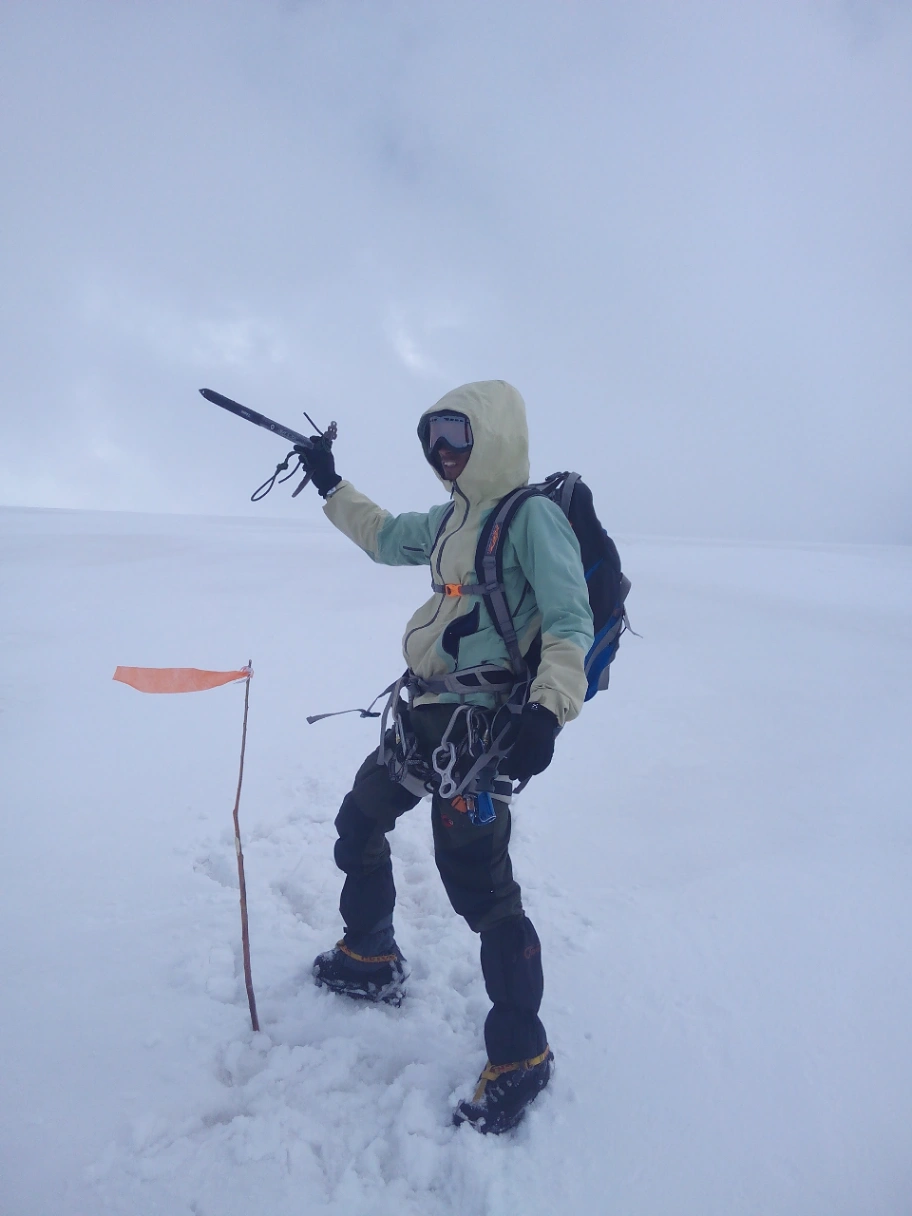
Julley! I am Kiran, a local mountain guide who has spent more than a decade navigating the rugged high-altitude trails of Ladakh. Over at Glacier Treks & Adventure, where we have run the 75-kilometer Markha trail for over 15 years, people often ask me: “Kiran, when is the best window to experience this legendary cold desert path?”
Choosing the markha trek best time can completely transform your adventure from a frozen battle into an unforgettable cultural pilgrimage.
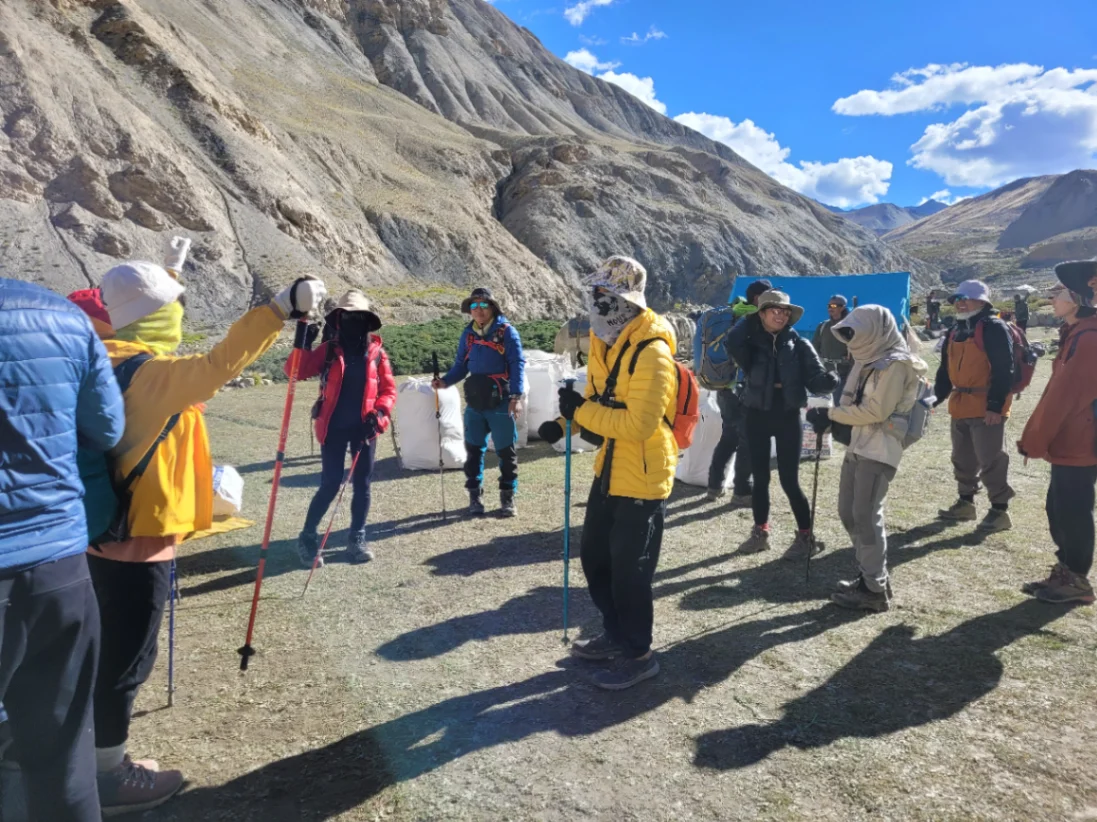
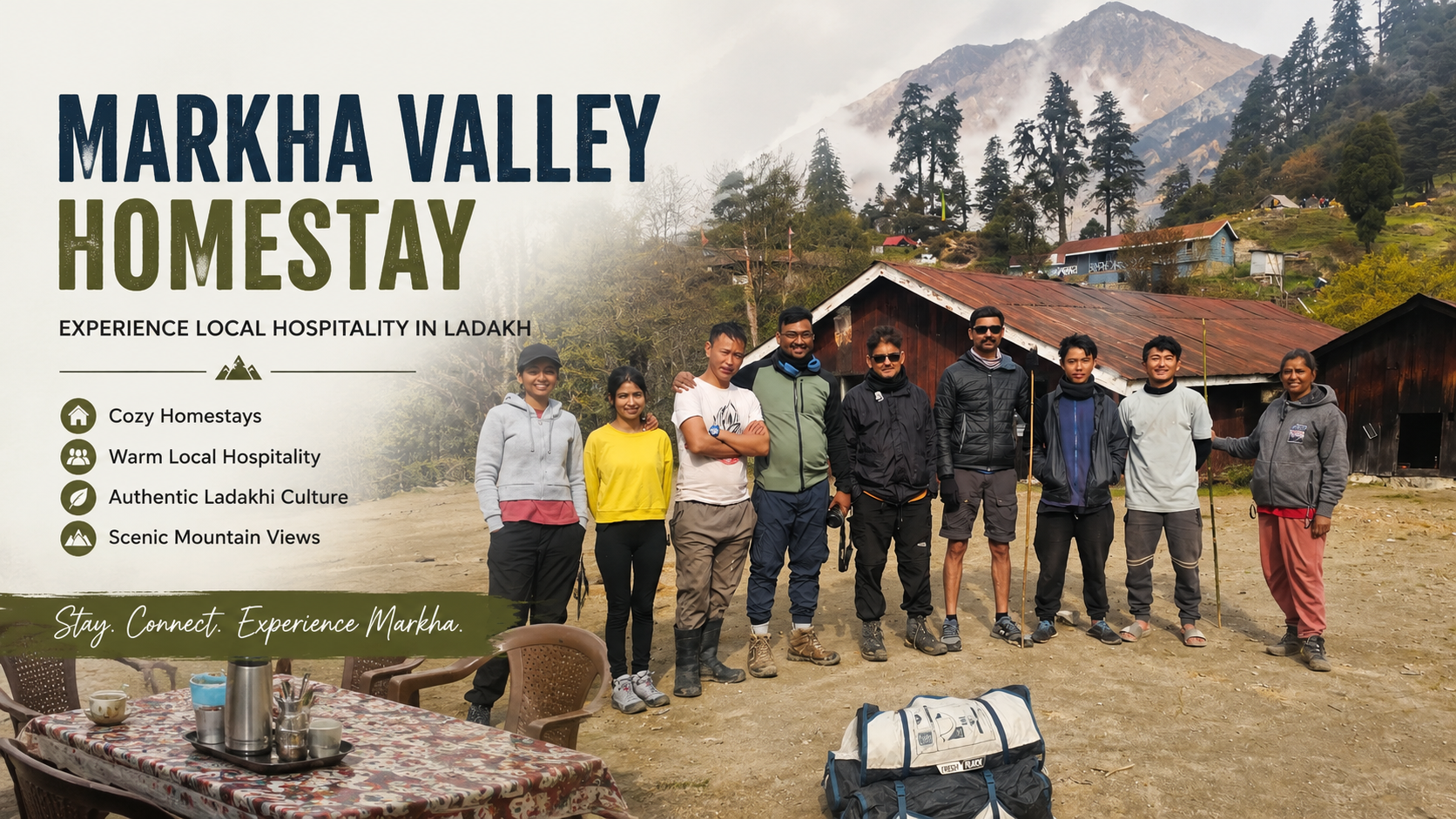
Unlike other Ladakh treks that offer pure wilderness, the Markha Valley trek is famous for being a “tea house trek.” You spend 7 out of 9 nights sleeping in traditional stone-walled Ladakhi family homes across villages like Skiu, Markha, and Hankar, eating hot Thukpa cooked over yak-dung stoves. Let’s break down the Markha Valley trek season so you can plan the perfect journey into Hemis National Park.
The Seasonal Window: May to September
The ideal Best time for Markha Valley trek spans from late spring to early autumn. Because Ladakh sits comfortably in a rain-shadow zone behind the mighty Himalayas, it escapes the heavy monsoons that flood the rest of India, making it a premier summer trekking destination.
| Month | Average Day Temp | Average Night Temp | Trail Highlights & Conditions |
| May | 15°C | -2°C | Markha Valley trek May to September window opens. Highly peaceful, but high passes like Ganda La ($4,800\text{m}$) and Kongmaru La ($5,260\text{m}$) still hold heavy winter snow. Homestays are mostly closed; self-contained camping is required. |
| June | 18°C | 2°C | High thrill. The Markha Valley trek June to September peak period begins. High passes clear out, but fierce glacial melt creates risky afternoon river crossings. |
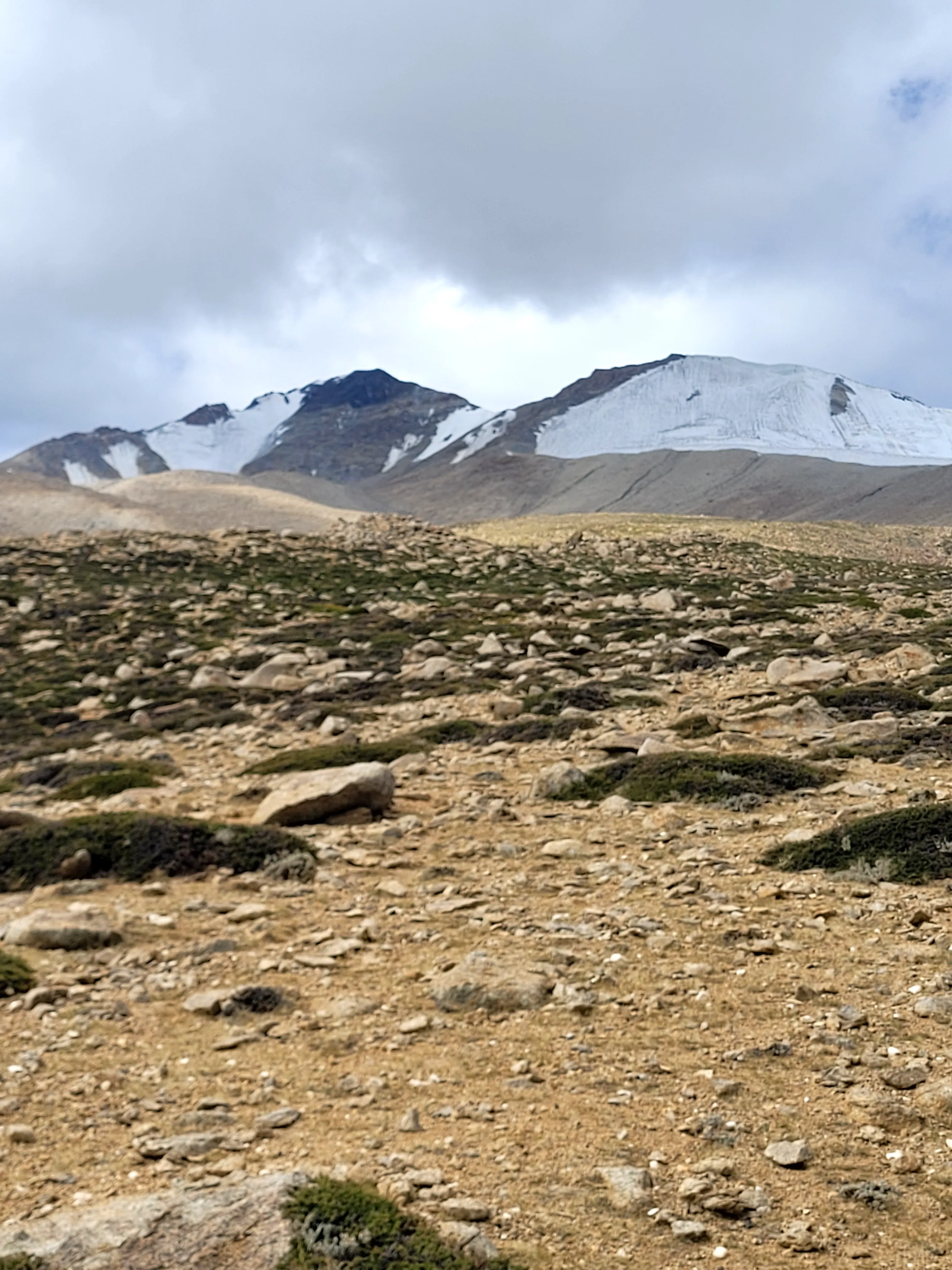
| July & August | 22°C | 5°C | True peak season. Perfectly stable Markha Valley trek weather. Homestays are fully vibrant, the stunning 6,400m Kang Yatse peak is in clear view, and water levels drop significantly by late August. |
| September | 15°C | -3°C | The local guides’ favorite. Breathtaking golden barley fields, deep turquoise skies, crisp weather, and fewer trekkers on the trail. |
| October | 8°C | -8°C | Late shoulder season. Extreme cold, sub-zero nights, freezing mountain winds, and local families begin migrating down for the winter. |
Read more: Learn everything about crossing Kongmaru La Pass on the Markha Valley Trek
Month-by-Month Breakdown & Trail Realities
June: Gushing Rivers & High Adventure
June marks the official opening of the standard Markha Valley trek June to September commercial season. As the snow clears on the trail from Chilling to Skiu, the valley awakens. However, the daytime Markha Valley trek weather causes massive glacial melting up high.
Guide’s Warning on River Crossings: In June, the afternoon river crossings can be aggressive, reaching mid-thigh. You must cross early in the morning before the afternoon sun accelerates the melt. Always pack quick-dry sandals and sturdy trekking poles; do not attempt crossings in your standard leather trekking boots.
July & August: The Cultural Peak
This is the heart of the Markha Valley trek season. The weather is warm, and the landscape is alive. If you are looking for the absolute safest and most culturally immersive best time for Markha Valley trek, this is it. The high-altitude pasture of Nimaling ($4,800\text{m}$) is fully open, placing you right at the base of Kang Yatse. Homestays are lively, allowing you to experience genuine Ladakhi hospitality.
September: The Golden Horizon
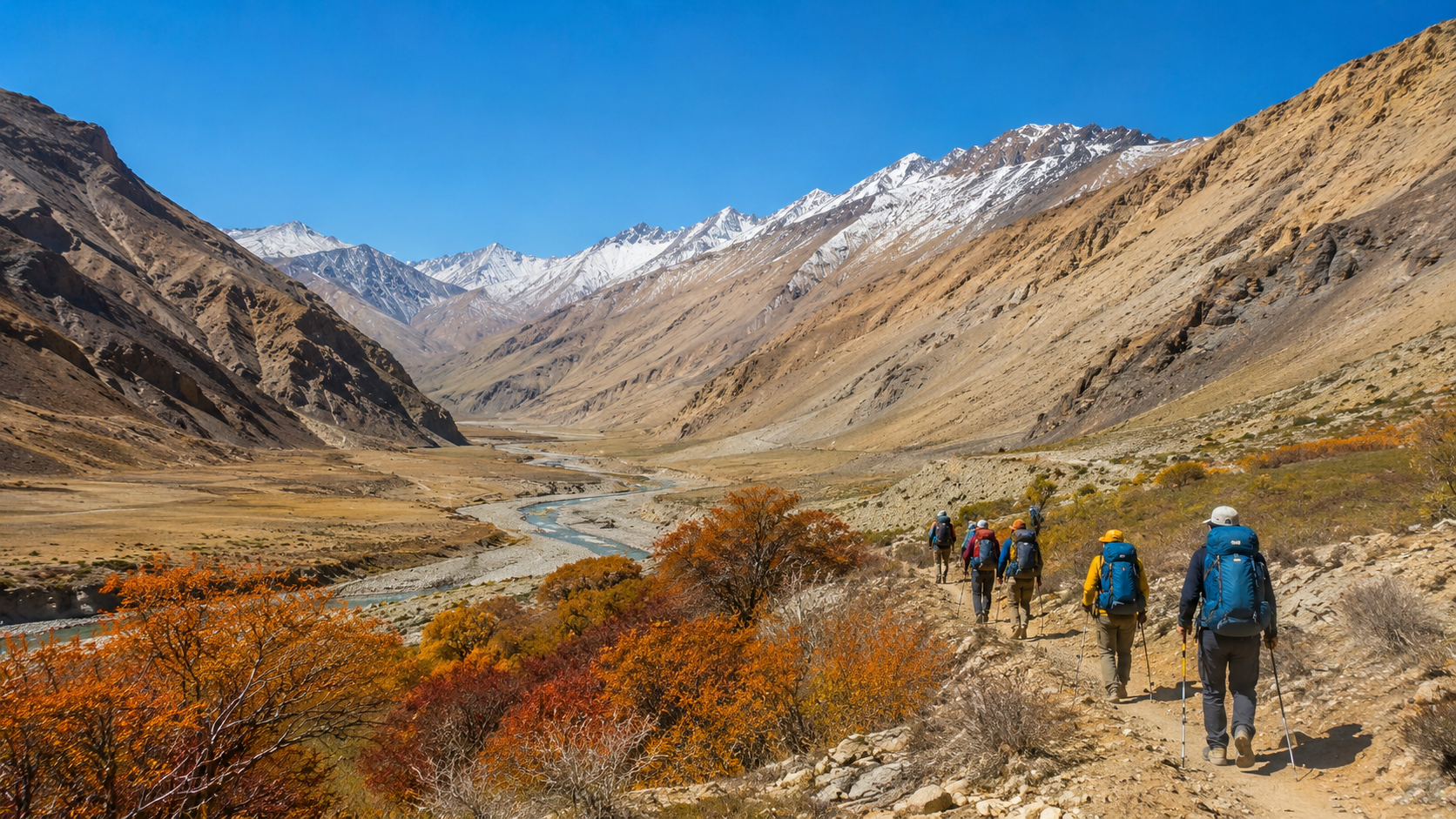
If you ask any mountain guide, September is the golden markha trek best time. The daytime Markha Valley trek weather remains beautifully crisp, though night temperatures dip below freezing. The reward? The valley’s barley fields turn a deep, shimmering gold against the multi-colored, stark desert canyons. It is peaceful, clear, and perfect for photography.
Essential Safety Tips from the Field
- The 48-Hour Acclimatization Rule: Do not skip this. Spend at least 2 to 3 days resting completely in Leh before starting your walk toward Skiu. Drink 4 liters of water daily to prevent Acute Mountain Sickness (AMS).
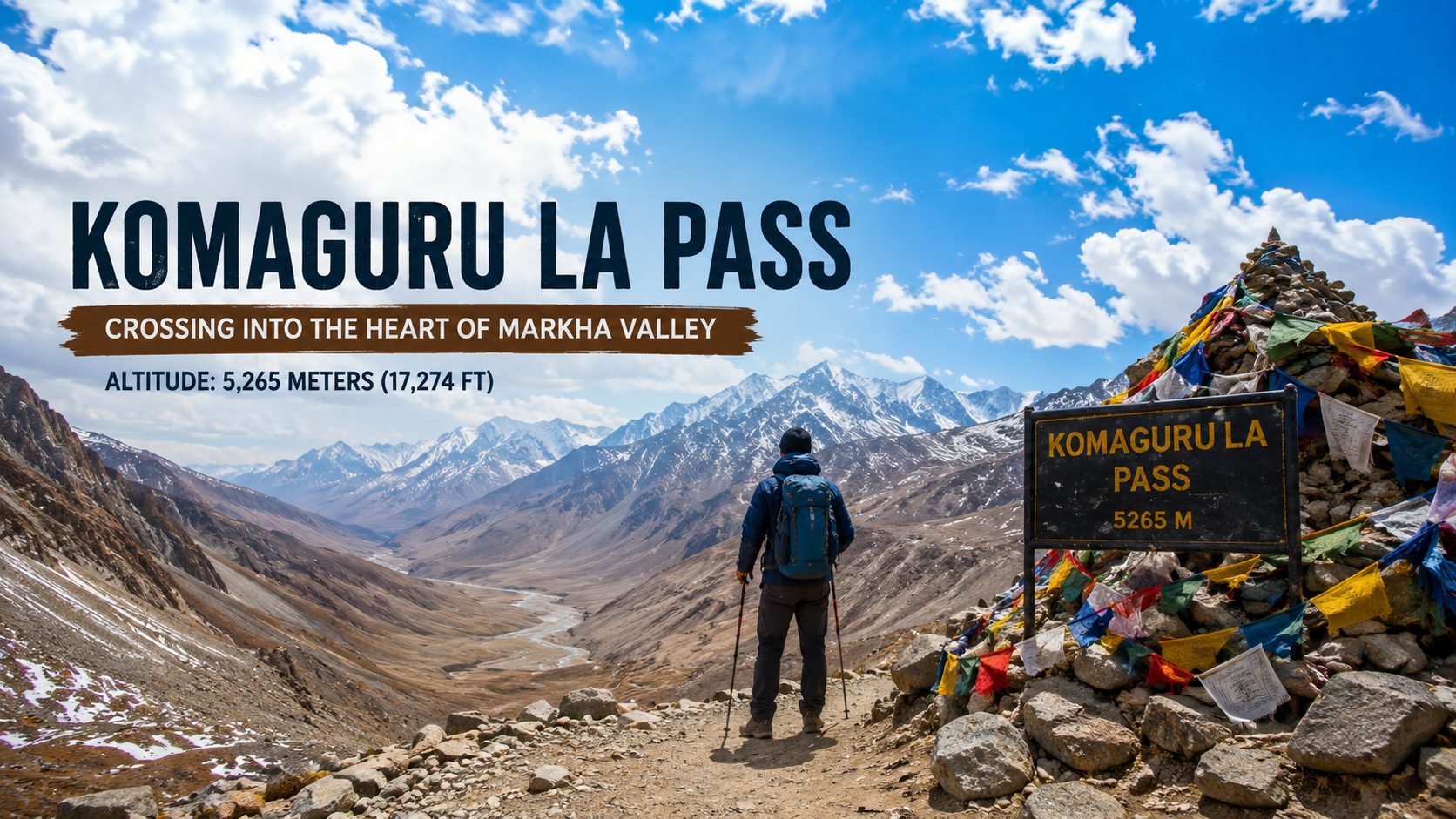
- Prepare for the Long Descent: Crossing the 5,260-meter Kongmaru La pass on Day 7 requires stamina. You face a knee-testing 1,400-meter descent over loose scree and stone down to Shang Sumdo. Trekking poles are mandatory to protect your joints.
Read more: View the Markha Valley Trek product page and book
Frequently Asked Questions (FAQs)
1. What is the absolute markha trek best time to avoid crowds?
September and late May are the best months. September offers crisp weather and stunning golden views with half the crowd size of July, while the Markha Valley trek May to September early shoulder window provides ultimate solitude on the mountain.
2. Is the Markha Valley trek June to September window affected by the monsoon?
No. Because Ladakh lies in the Himalayan rain shadow, it does not experience the torrential rains of mainland India. You might see an occasional light afternoon cloud or brief shower, but it rarely disrupts the trekking itinerary.
3. Are homestays open throughout the entire Markha Valley trek season?
Traditional village homestays are fully operational from mid-June to late September. If you plan to trek during the shoulder months of May or October, you must be fully self-sustained with your own winter camping gear, as most village homes will be locked.
Ready to Book Your Markha Valley Trek?
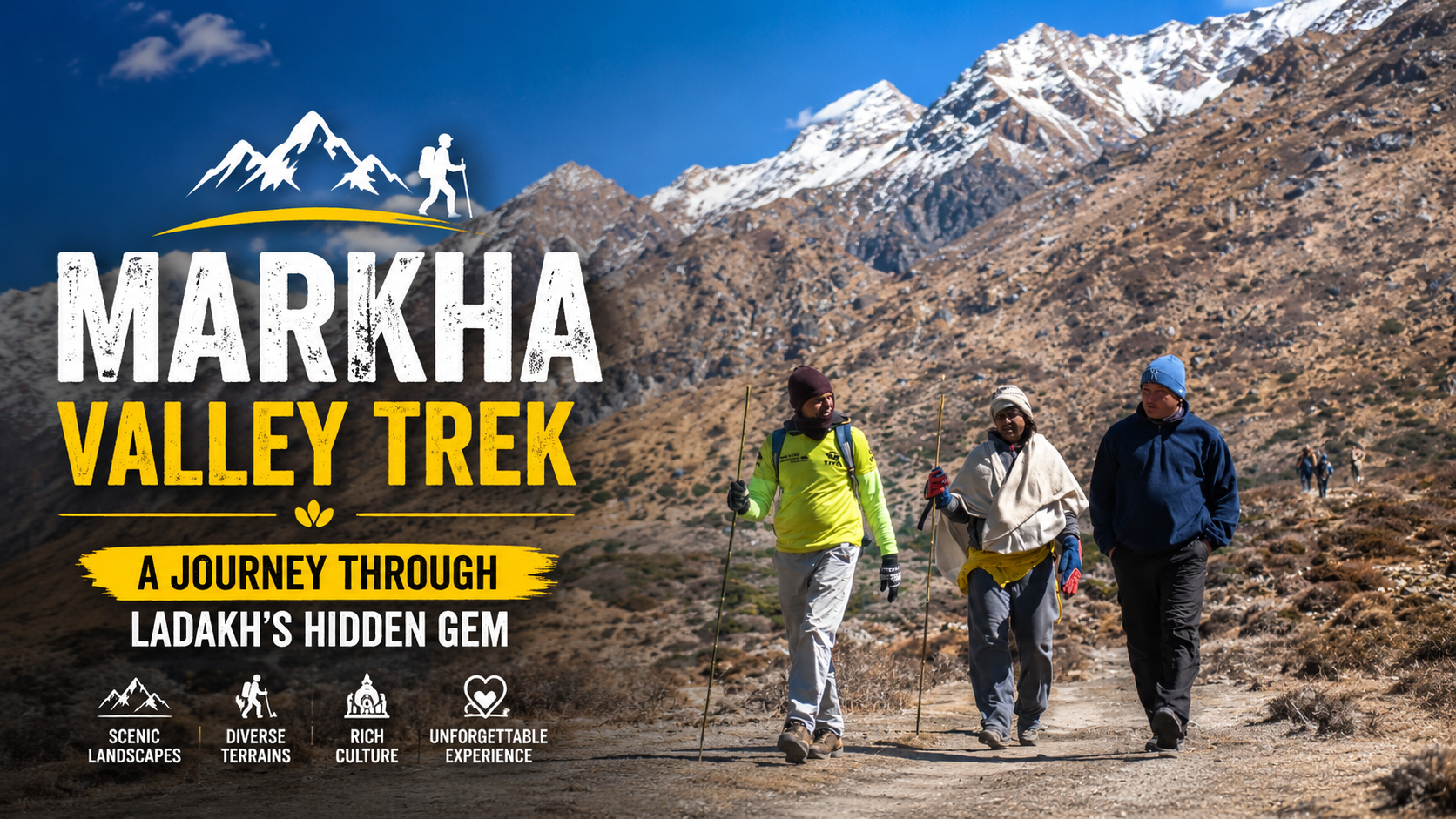
Markha is the trek that introduces most people to Ladakh — and for good reason. The combination of homestay culture, dramatic landscape, manageable difficulty and the Kongmaru La summit makes it one of the most memorable Indian Himalayan treks. Our 2026 Ladakh season runs from mid-June through early October, with batches roughly every two weeks during peak season.
Book the Markha Valley Trek now: Call/WhatsApp +91 7407248200 · Email contact@trekinsikkim.in
Read more: View the Markha Valley Trek product page and book online
Read more: Browse all our Ladakh treks and expeditions
Read more: Read the complete Ladakh trekking guide (12 best treks, permits, acclimatisation)
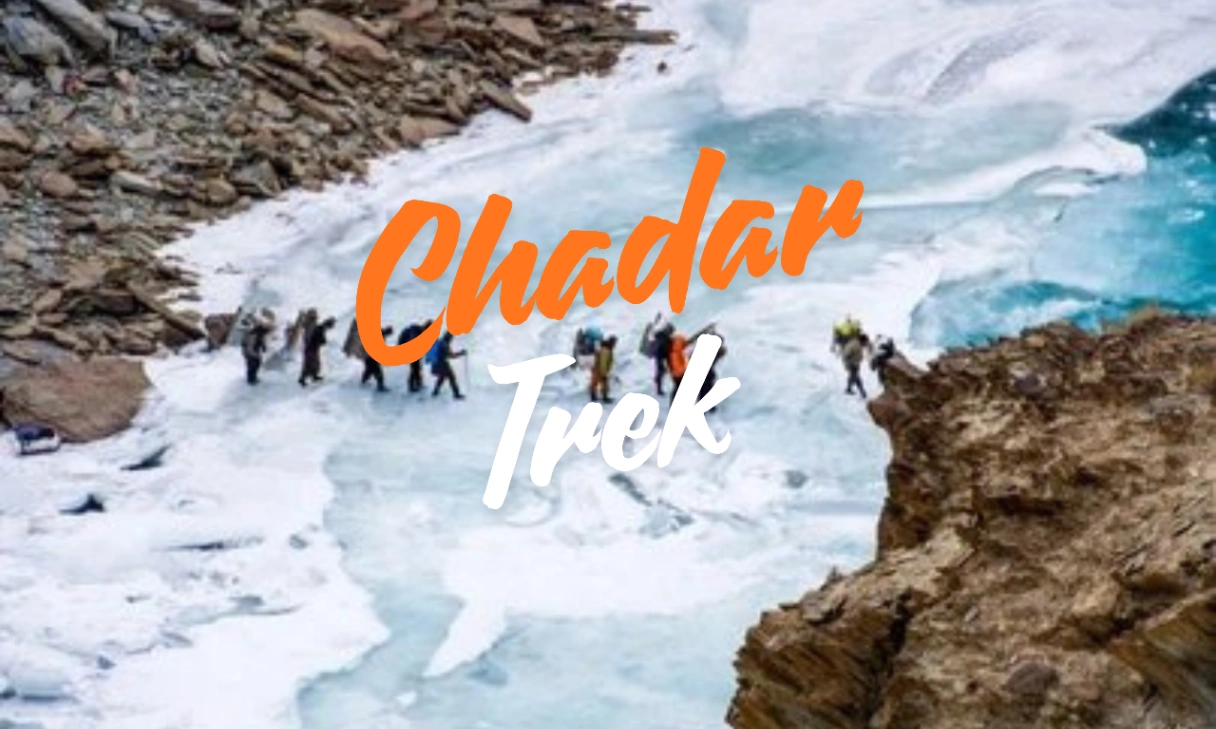
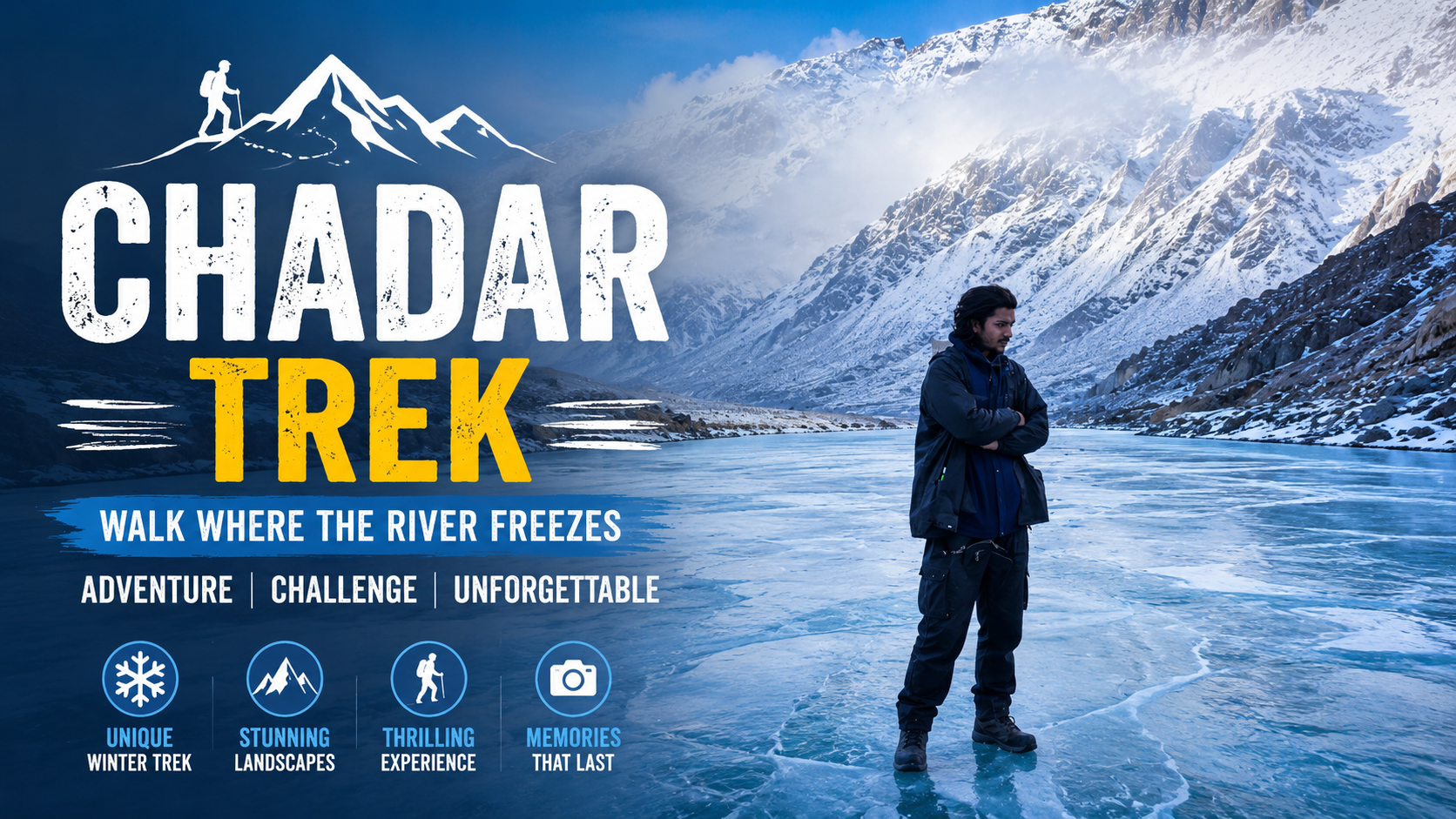
Read more: Consider the winter alternative — the Chadar Trek
About the author
Kiran Gurung is the founder of Glacier Treks & Adventure, an IMF-certified mountaineer and a working trek leader with fifteen years of operating experience across the Indian Himalaya. He has led Markha Valley Trek expeditions across multiple seasons and operates a permanent Ladakhi field team with long-term partnerships in the Skiu, Markha and Hankar village homestays. Glacier Treks & Adventure is based in Yuksom, West Sikkim, and is affiliated with the IMF, the Sikkim Department of Tourism, TAAS, YTDC and SAMA. The company operates the full Indian Himalaya trekking and expedition portfolio.