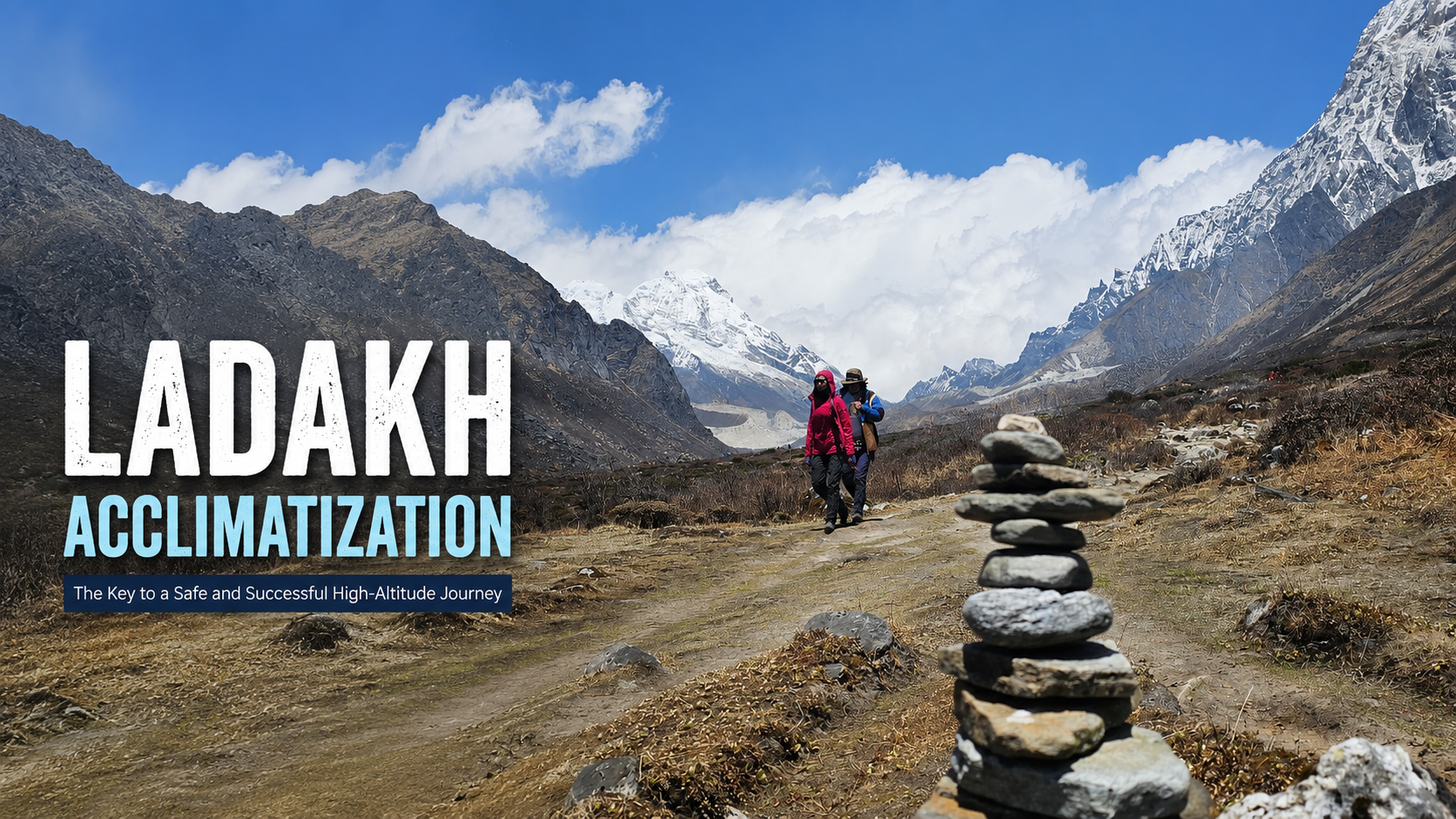
If you are planning to travel to Ladakh, acclimatization is the most critical factor for a safe and enjoyable trip. The high altitude of Leh (3,500 meters / 11,500 feet) and even higher trekking passes can cause acute mountain sickness (AMS) if you ascend too quickly. Understanding Ladakh acclimatization properly before your journey will help you avoid medical emergencies and ensure you experience the stunning landscapes without altitude-related disruptions.
What You Need to Know About Ladakh Acclimatization
Ladakh’s altitude poses a real challenge for first‑time visitors. The human body needs time to adjust to lower oxygen levels. Ladakh altitude sickness prevention starts before you even board your flight. The current 2026 best practices involve three key strategies, and what you follow depends on (a) your arrival mode and (b) your previous high‑altitude experience. You can Explore best treks in Ladakh, but you have to take your proper prevention for it.
For First‑Time Travelers to Ladakh
- Minimum 2–3 acclimatization days in Leh before any onward travel to higher zones like Nubra Valley (5,000+ m passes), Pangong Tso (4,350 m), or Tso Moriri (4,595 m).
- Stay completely idle on day 1 – no sightseeing, no walking uphill.
- Drink 3–4 litres of water daily. Avoid alcohol, cigarettes, and heavy meals.
- Learn to recognise early altitude sickness symptoms Ladakh: headache, nausea, dizziness, loss of appetite, fatigue.
For Travelers Arriving by Road (Manali–Leh or Srinagar–Leh)
- Gradual ascent gives you natural acclimatization advantage.
- Even then, spend one full rest day in Leh before attempting high passes (Khardung La, Chang La).
- Acclimatization days in Leh Ladakh are not optional – they are mandatory for safety.
For Travelers Taking the Flight to Leh
- Most vulnerable to AMS because of rapid ascent from near sea level to 3,500 m.
- Strictly follow the “no activity on day 1” rule.
- How to acclimatize in Ladakh after a flight: sleep early, use oxygen if available at your hotel, and keep Diamox handy as a preventive (consult your doctor).
Read more: Know about how to reach Lea: Complete Guide
Who Needs Acclimatization Most? 2026 Quick Overview
The table below outlines who is at highest risk and what precautions for Ladakh Treks, are necessary:
| Traveler Type | Risk Level | Minimum Acclimatization Days | Key 2026 Recommendation |
| First‑time flyer to Leh | High | 3 days in Leh before any excursion | No activity day 1; Diamox recommended after medical consult |
| Experienced high‑altitude trekker | Moderate | 2 days in Leh | Monitor symptoms; still take rest seriously |
| Road arrival (Manali/Srinagar) | Low to Moderate | 1–2 days in Leh | Body already partially adjusted, but still rest |
| Traveler with prior AMS history | Very High | 3–4 days; consider lower altitude options | Mandatory medical check; keep portable oximeter |
Ladakh Altitude Sickness Prevention: Cost & Preparation Breakdown
Proper acclimatization does not require expensive gear, but some preventive items are worth investing in:
For All Travelers:
- Portable pulse oximeter: Approximately ₹1,500–₹3,000 – measures blood oxygen (SpO2) and heart rate. Below 85% SpO2 at Leh altitude warrants caution.
- Diamox (Acetazolamide): Costs ₹150–₹300 for a strip of 10 tablets. Available over the counter at Leh chemists, but always consult a doctor before using.
- Hydration pack or water bottles: At least 3 litres capacity – ₹500–₹2,000.
For High‑Risk Travelers (History of AMS / Heart or Lung conditions):
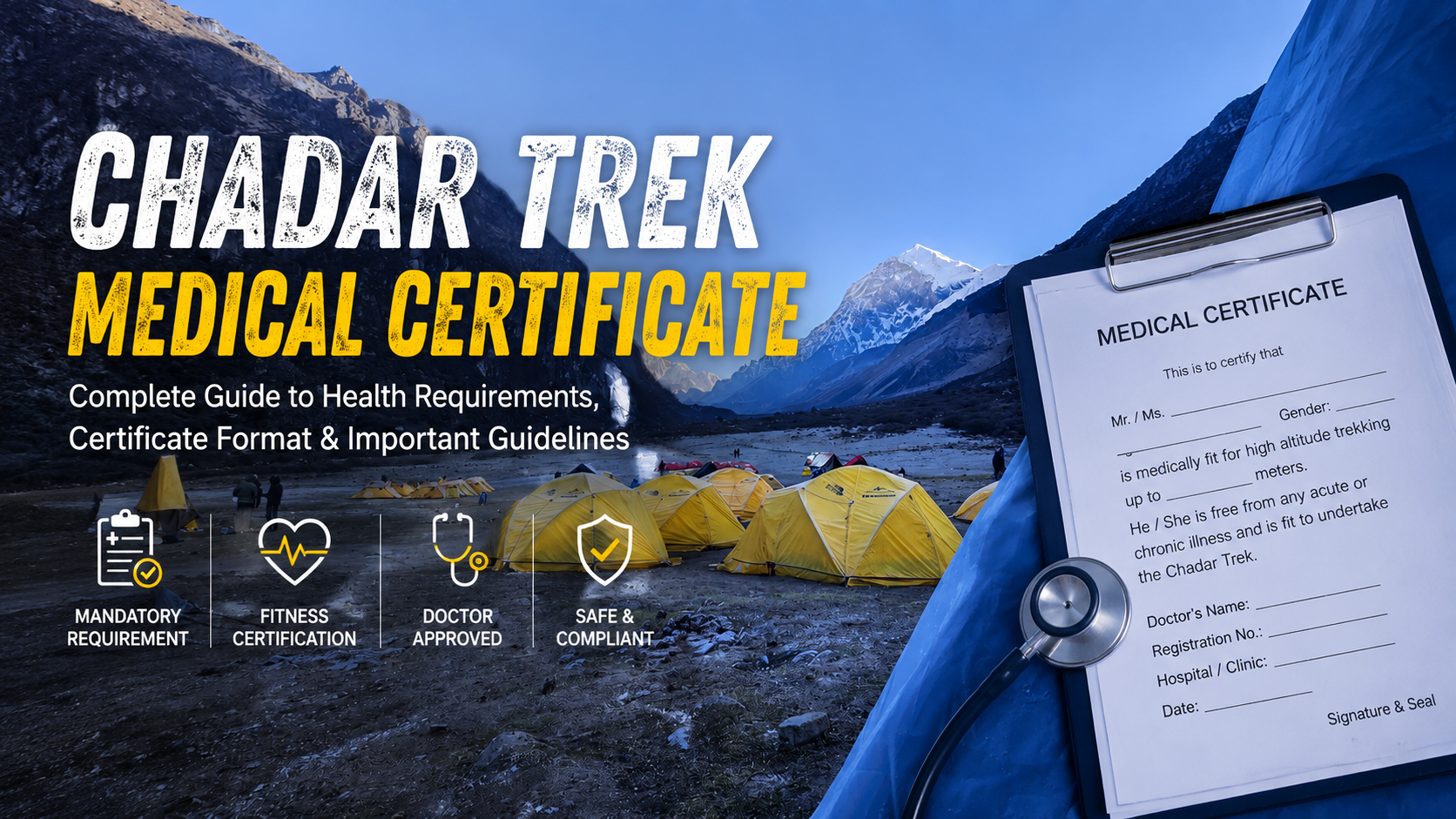
- Medical consultation and fitness certificate – varies by doctor
- Portable oxygen canisters (available for rent in Leh – ₹500–₹1,000 per day)
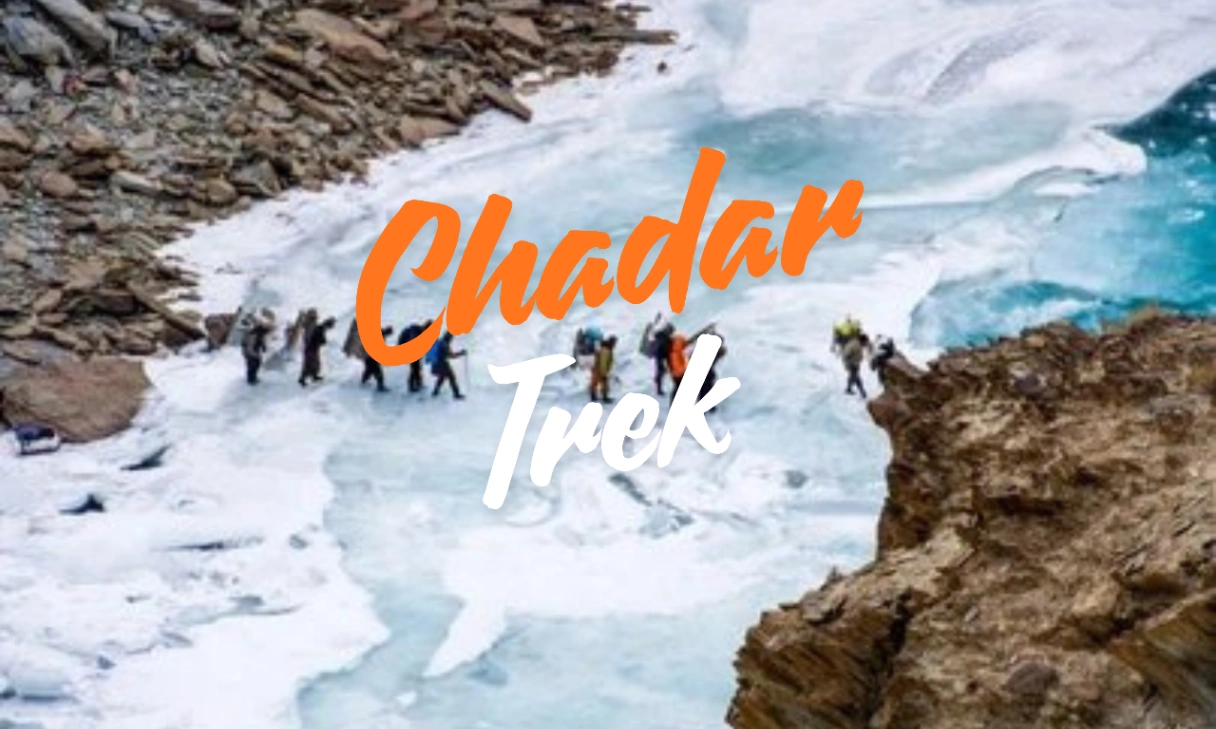
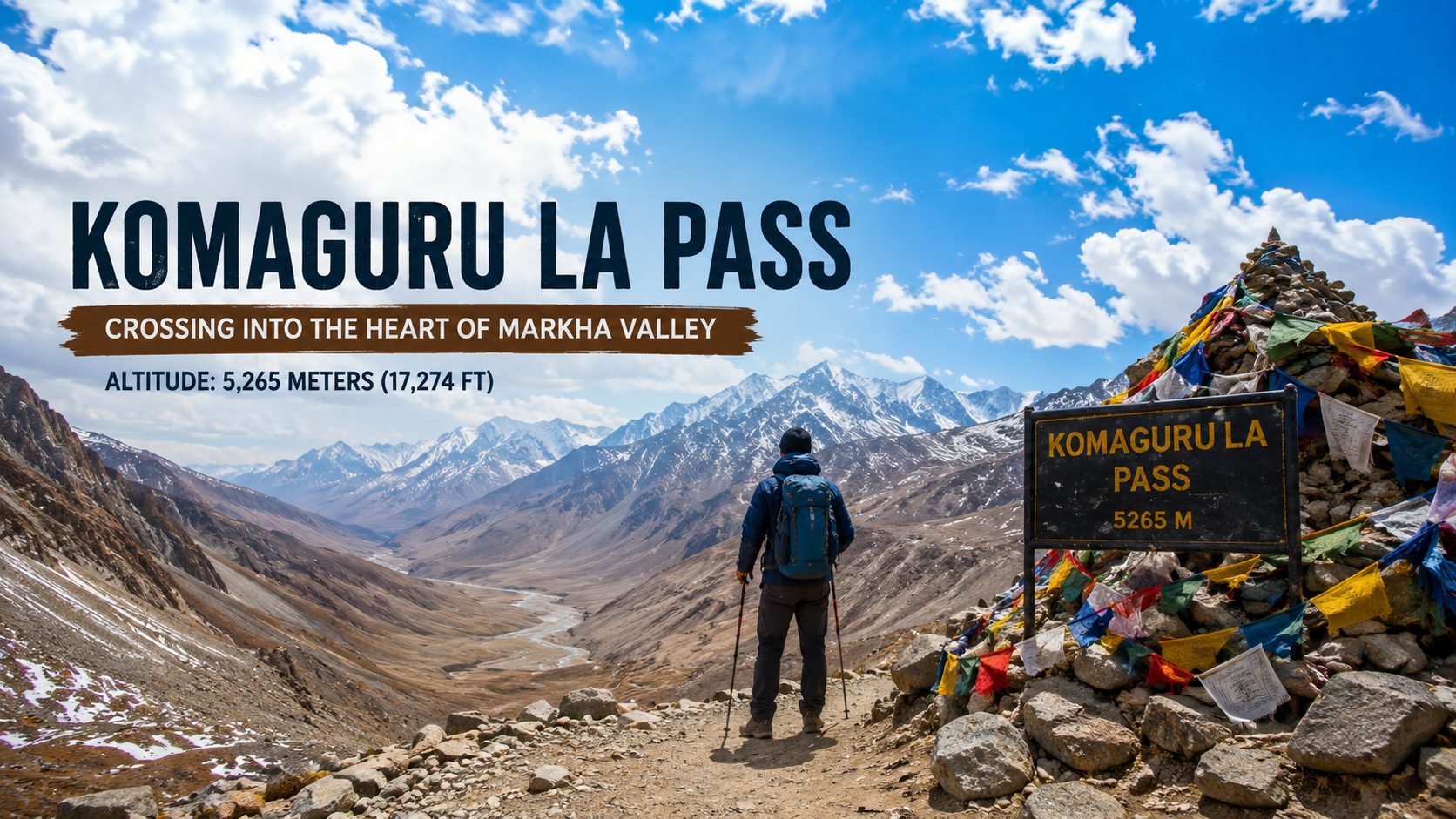
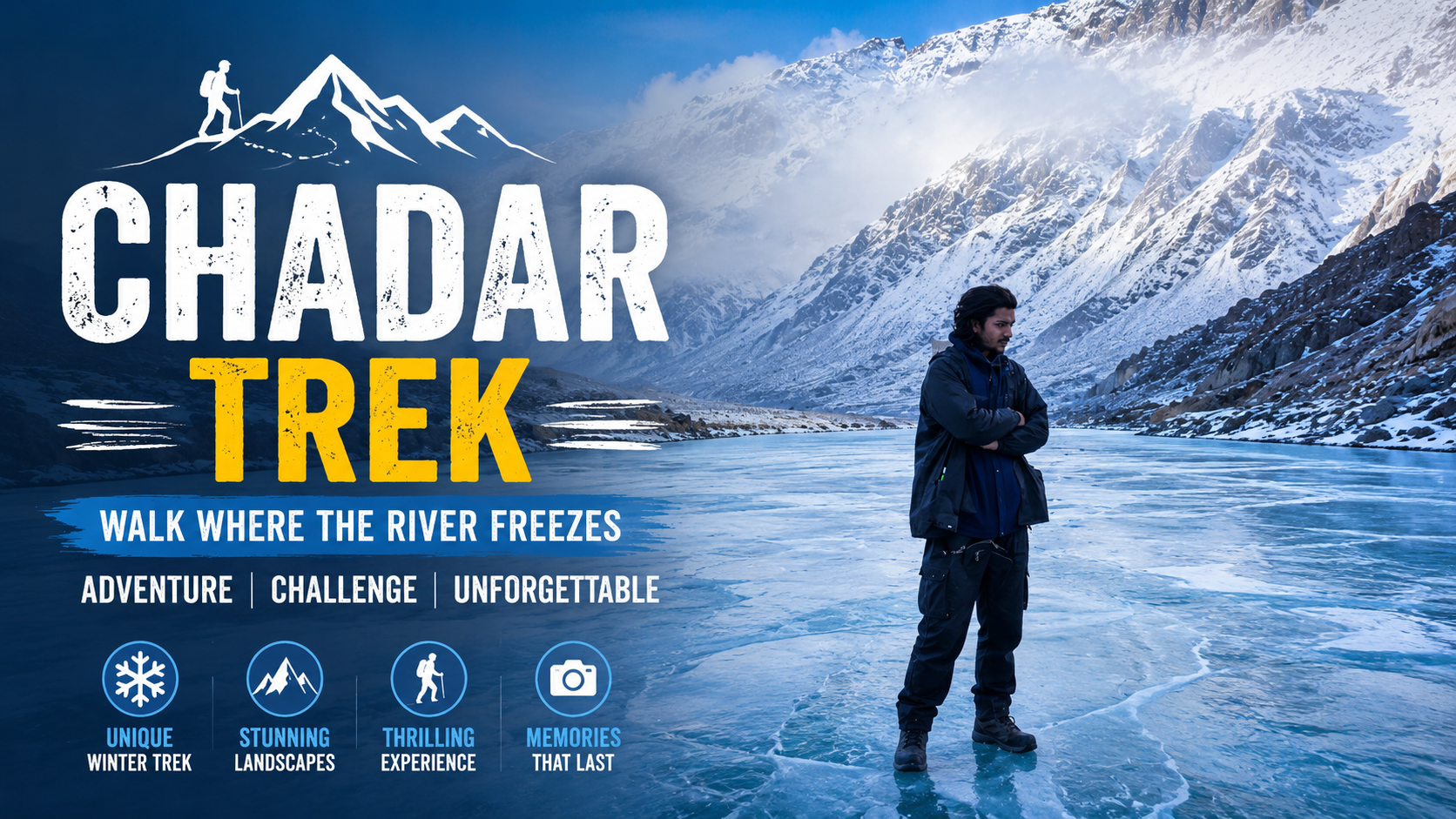
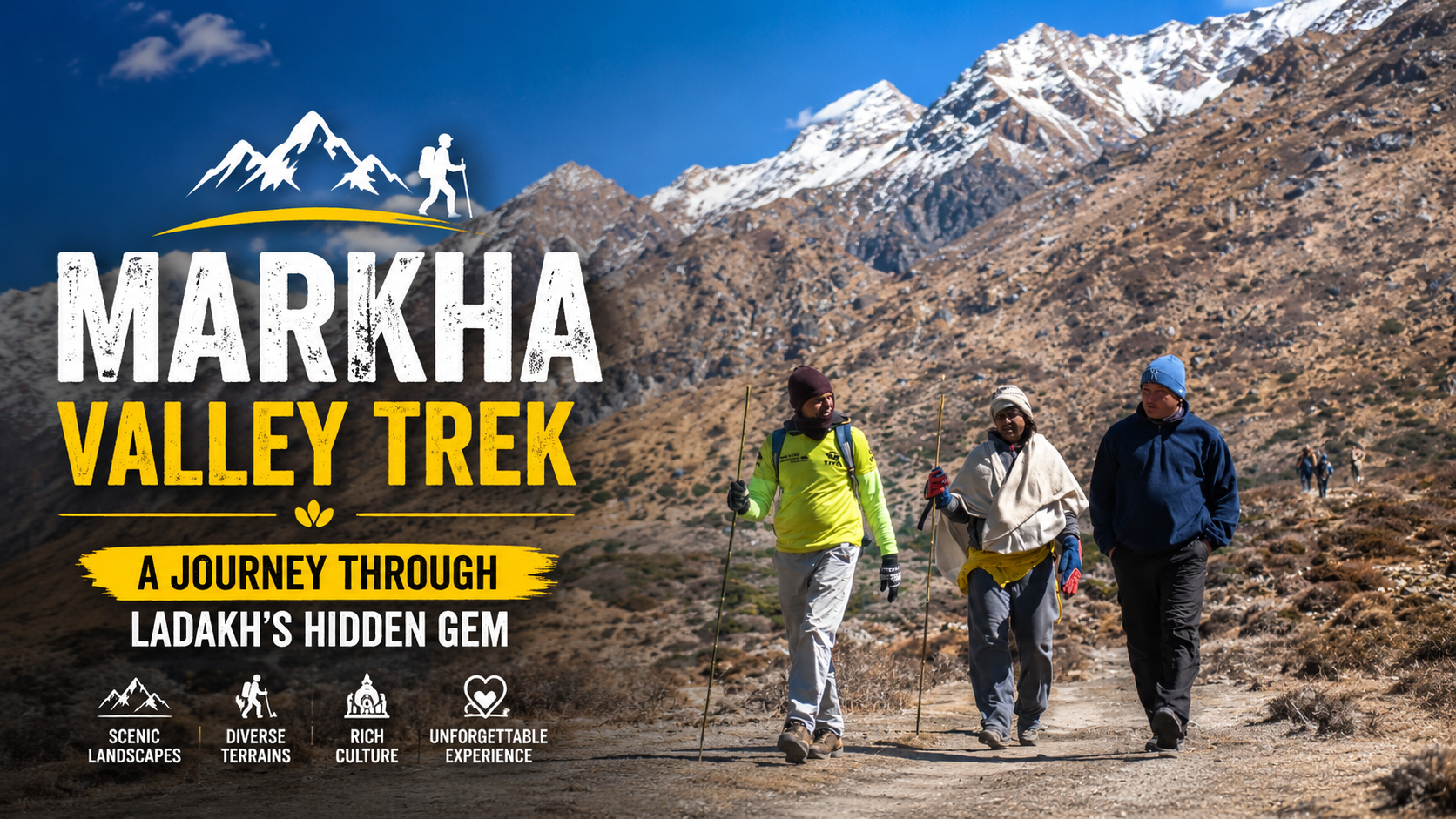
Important cost note: The most effective prevention is free time. Rushing your itinerary to “cover more places” is the number one cause of severe AMS in Ladakh. Prepare your Ladakh trekking package including Markha Valley trek and Chadar Trek. very sincerely.
Read more: Complete 2026 Ladakh trekking permits guide for Indians and foreigners
Altitude Sickness Symptoms Ladakh: Recognise Them Early
Knowing the symptoms of AMS can save your trip or even your life. Ladakh altitude sickness presents in three stages:
| Stage | Symptoms | Action Required |
| Mild AMS | Headache, nausea, dizziness, fatigue, loss of appetite, trouble sleeping | Stop ascent; rest at same altitude; hydrate; take mild painkiller (not sleeping pills). Usually resolves within 24 hours. |
| Moderate AMS | Worsening headache not relieved by medication, vomiting, shortness of breath with minimal activity | Immediate descent of at least 500 m; seek medical help in Leh; consider Diamox if not already taking. |
| Severe AMS (HAPE/HACE) | Blue/grey lips or nails, coughing pink frothy sputum (HAPE – fluid in lungs), confusion, inability to walk straight (HACE – brain swelling) | Emergency descent immediately – go down at least 600–1,000 m; evacuate to Leh hospital; oxygen and Gamow bag needed. |
Never ignore mild symptoms – they can progress to life‑threatening within hours, especially if you continue ascending.
Read more: See details about what are the Ladakh trekking Permits and costs.
How to Acclimatize in Ladakh: Step‑by‑Step Day Plan
Here is a proven schedule for acclimatization days in Leh Ladakh:
Day 1 – Arrival in Leh (3,500 m):
- No sightseeing, no walking to Shanti Stupa or Leh Palace (both involve uphill climbs).
- Rest in your hotel room. Nap if tired, but keep hydrated frequently.
- Eat light meals (soup, khichdi, rice). Avoid meat, fried food, and alcohol.
- Sleep with your head slightly elevated. Keep a water bottle by your bed.
Day 2 – First Full Day in Leh:
- Short slow walks – around Leh Market on flat ground only. Maximum 20–30 minutes.
- Visit the Hall of Fame museum (flat walk, interesting) – no climbing.
- Continue drinking 3–4 litres of water. Add oral rehydration salts if needed.
- Check your SpO2 using a pulse oximeter. Normal at Leh: 85–92%. Below 80%: rest more and consult a doctor.
Day 3 – Second Acclimatization Day (Recommended for fly‑ins):
- Gentle excursion to a lower altitude valley like Sham Valley (around 3,000–3,300 m) – this “climb high, sleep low” pattern helps acclimatization.
- Or do a very short drive to Magnetic Hill (no trekking). Return to Leh to sleep.
- You are now ready for higher zones like Nubra Valley (5,360 m pass) or Pangong (4,350 m).
For road arrivals: You may reduce day 3 to just day 2 and then proceed, but always listen to your body.
Diamox for Ladakh Trip: Should You Use It?
Diamox (Acetazolamide) is a prescription drug that prevents and reduces AMS symptoms. It works by acidifying the blood, which increases breathing rate and helps oxygenation.
Who should consider Diamox:
- First‑time high‑altitude travelers flying into Leh
- Travelers with a history of AMS
- Those who need to ascend quickly due to limited schedule
Dosage (always consult a doctor):
- Typical preventive dose: 125 mg twice daily, starting the day before arrival and continuing for 2–3 days after reaching highest altitude.
Side effects:
- Tingling in fingers, toes, and face (very common)
- Increased urination (annoying but harmless)
- Changes in taste (carbonated drinks taste flat)
- Rarely: allergic reactions, kidney stones
Warning: Do not use Diamox as a substitute for proper acclimatization time. It is an aid, not a cure. If you have sulfa allergies, tell your doctor – alternative medications exist.
Read more: Browse our 4 days Ladakh Tour package to easier your trek.
Ladakh First Time Traveler Tips: Acclimatization Checklist
Beyond medication and rest, follow these ladakh first time traveler tips and prepare Ladakh trekking package for smooth acclimatization:
Hydrate obsessively – 3–4 litres of water, soup, or juice daily. Avoid diuretics like coffee and tea in excess.
Eat light and frequently – heavy meals divert blood to digestion, worsening AMS.
No alcohol or smoking for at least 48 hours after arrival – both depress breathing and reduce oxygen absorption.
Shield yourself from the sun – even mild sunburn stresses the body and can trigger headaches.
Sleep at lower altitude if possible – on a trek, choose campsites at or below the day’s highest point.
Carry a pulse oximeter – check your SpO2 and pulse rate every morning and evening. A resting pulse above 120 bpm at Leh is a warning sign.
Learn the “golden rule” – if you have AMS symptoms and they do not improve with rest and hydration after 2–3 hours, descend immediately. Do not wait for morning.
Common Acclimatization Mistakes in Ladakh
Mistake 1: Flying into Leh and driving to Nubra Valley or Pangong the next day. This is dangerous – you need at least 2–3 days in Leh before crossing 5,000 m passes.
Mistake 2: Mistaking AMS symptoms for “just tiredness” or “jet lag” and continuing ascent.
Mistake 3: Taking sleeping pills (like Zolpidem) to force sleep. They suppress breathing and worsen AMS. Use natural remedies like warm milk or simple stretching.
Mistake 4: Overexertion on day 1 – climbing to Leh Palace or Shanti Stupa can trigger severe headache and vomiting.
Mistake 5: Relying only on Diamox and skipping rest days. Diamox reduces risk but does not eliminate it.
Read more: What is the best season to trek in Ladakh.
Frequently Asked Questions About Ladakh Acclimatization
How many acclimatization days do I need in Leh?
At least 2 full days after arrival. For fly‑in travelers, 3 days is safer. For those with prior AMS history, consider 4 days or stay in lower altitude parts of Ladakh like Sham Valley.
Can I go to Nubra Valley directly from Leh?
Not recommended. The road to Nubra crosses Khardung La (5,359 m) or Wari La. You must spend at least 2–3 nights in Leh before crossing a 5,000 m pass.
What are the early symptoms of altitude sickness in Ladakh?
Mild headache, nausea, loss of appetite, dizziness, and unusual fatigue. If you feel “off” or have a throbbing headache, you have AMS. Do not ascend further.
Is Diamox safe and effective for Ladakh trip?
Yes for most healthy adults when taken under medical guidance. It significantly reduces AMS risk. However, it does not replace proper acclimatization. Side effects like tingling are common but harmless.
What should a first‑time traveler to Ladakh know about acclimatization?
Do not plan any high‑altitude excursions for the first 2 days. Stay hydrated, eat light, avoid alcohol and smoking, and carry a pulse oximeter. If you feel unwell, descend – do not “push through”.
Can I get a portable oxygen cylinder in Leh?
Yes, many hotels and medical shops rent oxygen canisters (₹500–₹1,000 per day). Use only for symptom relief, not as a substitute for descent. If you need oxygen, you should also descend.
Final Acclimatization Checklist Before Your Ladakh Trip
Before you depart for Ladakh, ensure you have:
- Planned at least 2–3 acclimatization days in Leh before any high‑altitude travel
- Packed a pulse oximeter (₹1,500–₹3,000) – or buy/rent in Leh
- Consulted a doctor about Diamox for Ladakh trip – obtained prescription if suitable
- Memorised altitude sickness symptoms Ladakh – mild, moderate, severe
- Planned a how to acclimatize in Ladakh daily schedule (no activity on day 1)
- Avoided packing sleeping pills – they worsen AMS
- Shared this ladakh first time traveler tips with your travel companions
This guide is part of our complete Ladakh trek series.
Ready to Plan Your Ladakh Trek?
Ladakh delivers a category of trekking experience that exists nowhere else in India — high-altitude cold desert, Buddhist culture woven through the trail, and a sense of remoteness that the Himalayan classics increasingly lack. Our 2026 Ladakh season runs from June through October for summer treks, and again in January and February for the Chadar Trek.
Plan your Ladakh trek now: Call/WhatsApp +91 74072 48200 · Email contact@trekinsikkim.in
Read more: Browse all our Ladakh trek packages with prices and 2026 dates
Read more: Know what are the Ladakh Trekking permits and costs in 2026.
Read more: : Read complete guidance about full Ladakh Trek
Read more: Ladakh expedition peaks — Nun, Nun-Kun, Mentok Kangri
About the author
Kiran Gurung is the founder of Glacier Treks & Adventure, an IMF-certified mountaineer, and a working trek leader with fifteen years of operating experience across the Indian Himalaya. He has personally led the Markha Valley Trek, Chadar Trek, Mentok Kangri climbing peak and the Nun-Kun expedition on multiple occasions. Glacier Treks & Adventure operates the full Ladakh trekking and expedition portfolio —Markha valley trek, Chadar Trek, Sham Valley, Nubra, Tso Moriri, Mentok Kangri, Kang Yatse, Nun and Nun-Kun — alongside the company’s Sikkim trekking operations from its base in Yuksom. The company is affiliated with the IMF, the Sikkim Department of Tourism, TAAS, YTDC and SAMA.